Home › Wine routes › Wine Tourism in La Rioja
Wine route · Rioja D.O.Ca.

Wine Tourism in La Rioja

La Rioja is Spain's ultimate wine tourism destination: rolling vineyards, medieval villages and a concentration of historic and boutique wineries that's hard to match. Here's the guide to experiencing it in depth, from Haro to the Rioja Alavesa.

3 areasRioja Alta, Alavesa and Oriental
7 wineriescentury-old, in Haro's Barrio de la Estación
1st D.O.Ca.in Spain
01
// The capital of Rioja

Haro and the Barrio de la Estación.

Haro is the capital of Rioja wine, and its Barrio de la Estación (Station District) is unique in the world: seven century-old wineries just steps from one another, next to the old railway station that connected Rioja with Europe back in the 19th century. Its great historic houses let you hop between visits on foot, go down into the cellars and taste without needing a car.

Every 29 June, Haro celebrates its famous Wine Battle (Batalla del Vino), when thousands of people douse each other in red wine at the Riscos de Bilibio. The rest of the year, the town lives and breathes wine, with a density of visitable wineries that's hard to find anywhere else.
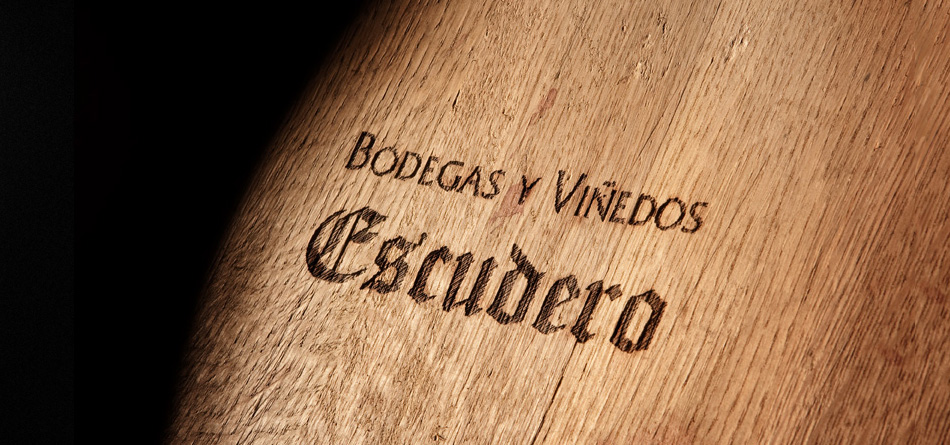
Bodegas Escudero winery in La Rioja surrounded by vineyards
Family-run and century-old wineries dot the whole of La Rioja.
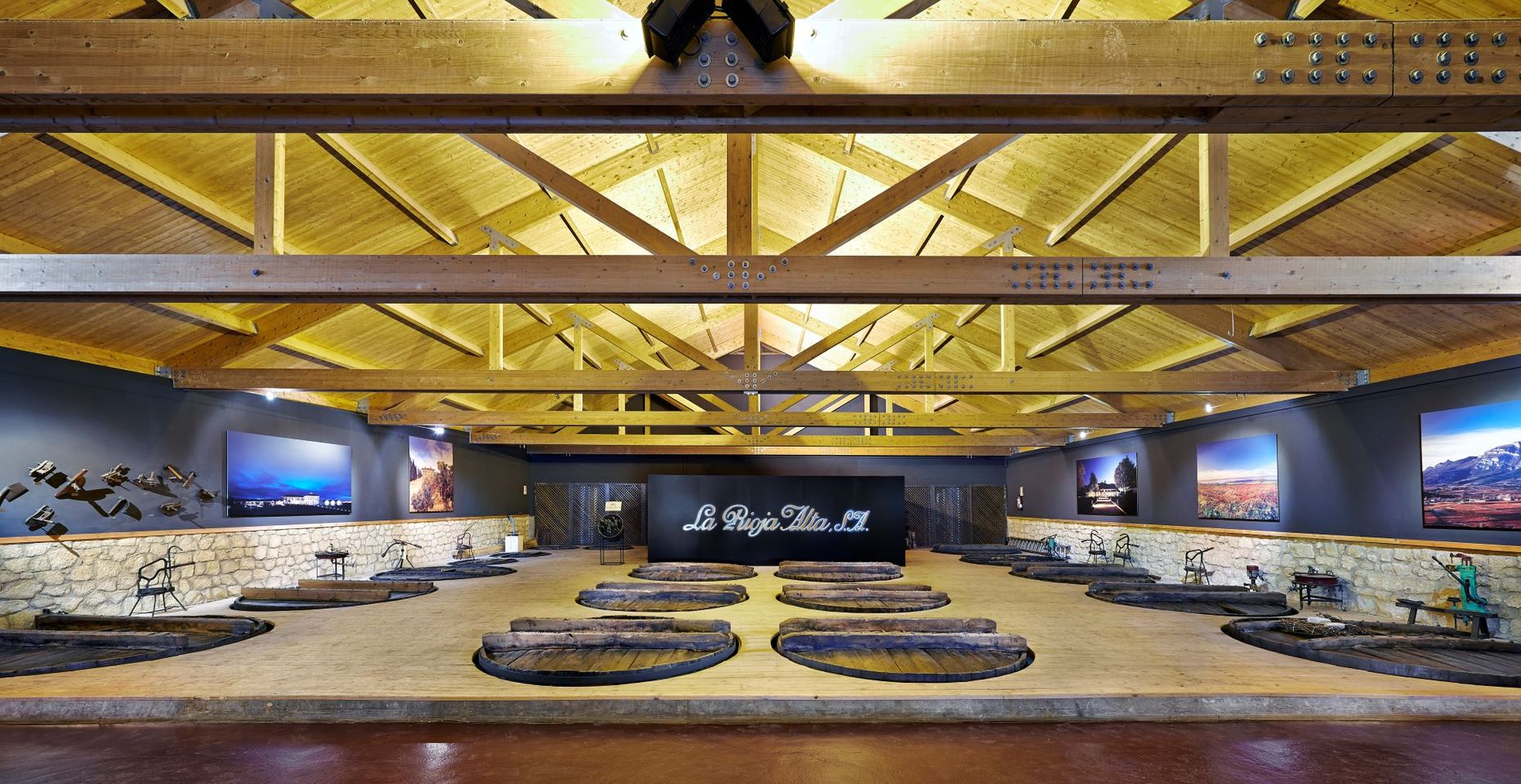
Bodegas La Rioja Alta, a historic Rioja wine house
Historic houses where crianzas, reservas and gran reservas rest.
02
// Three territories

Rioja Alta, Alavesa and Oriental.

The Rioja D.O.Ca. is divided into three areas, each with its own personality. Rioja Alta —Haro, Briones, San Vicente de la Sonsierra, Fuenmayor— is home to the great classics and the finest, longest-ageing reds. Rioja Alavesa dazzles with statement-architecture wineries and walled towns such as Laguardia, riddled with a network of medieval underground cellars. Rioja Oriental, warmer and more Mediterranean, is gaining ground with garnacha and offers more affordable prices.

03
// Design

Statement-architecture wineries.

Few places pack in as much wine architecture. Within just a few kilometres of Rioja Alavesa you can see the flowing Ciudad del Vino at Marqués de Riscal, designed by Frank Gehry and complete with a luxury hotel, and the winged roof of Ysios, by Santiago Calatrava. In Haro, López de Heredia boasts a pavilion designed by Zaha Hadid. If you love design, Rioja is an open-air museum where every winery competes to surprise you — without ever sacrificing great wine.

Bodegas y Viñedos del Marqués de Vargas among the vines of La Rioja
From classic estates to contemporary architecture, La Rioja has it all.
04
// The flagship grape

What Rioja wines are like.

Rioja is Spain's best-known wine, both at home and abroad, and its signature grape is tempranillo, often blended with garnacha, graciano and mazuelo. Its great strength is balance and ageing potential: the classic crianza, reserva and gran reserva styles, shaped by time in barrel and bottle, develop aromas of ripe fruit, spice, leather and vanilla that make them unmistakable.

Alongside this traditional style, there's now a wave of village, single-vineyard and single-plot wines, fresher and more expressive, that champion the diversity within the appellation. There are also excellent whites made from viura, increasingly well regarded. Tasting a joven, a crianza and a reserva side by side in one visit is the best lesson in understanding this evolution.

05
// More than wine

Museums, villages and wine culture.

Rioja is far more than wineries. It's worth visiting the Vivanco Museum of Wine Culture in Briones, one of the finest of its kind in the world, with an impressive collection of wine-related art and objects, and Villa Lucía in Laguardia, with its immersive wine show. It's also well worth getting lost in the historic centres of Laguardia, Briones, San Vicente de la Sonsierra or Sajazarra, and heading down into the medieval underground cellars beneath Laguardia.

A short hop away are the monasteries of San Millán de la Cogolla, the birthplace of the Spanish language and a UNESCO World Heritage Site. Rioja has turned wine into culture, and that blend of heritage, landscape and winery is what makes the trip so special.

Bodegas Murillo Viteri surrounded by vineyards in La Rioja
Landscape, heritage and winery blend together across La Rioja.
06
// Flavours

Food and Calle Laurel.

The food alone is worth the trip: vegetables from the Ebro valley, patatas a la riojana, lamb chops grilled over vine cuttings and excellent cheese, all washed down with crianzas, reservas and gran reservas. In Logroño, Calle Laurel and Calle San Juan form a string of tapas bars where each spot is famous for one particular pincho — you should walk them at least one evening, pairing every bite with a good glass of Rioja.

07
// How to plan it

1, 2 and 3-day routes.

Depending on how much time you have, here's how to plan the trip:

  • 1 day: Haro and its Barrio de la Estación (two wineries), lunch in town and a stroll around Briones.
  • 2 days: add Rioja Alavesa (Marqués de Riscal or Ysios), a night in Laguardia and tapas in Logroño.
  • 3 days: include the Vivanco Museum in Briones, a family winery in the Sonsierra area and San Millán de la Cogolla.

Book your visit to a La Rioja winery

Choose the winery, the experience and the date, and book your tasting or guided tour in La Rioja online. Instant confirmation and secure payment.

08
// Logistics

Getting there and when to go.

By car, take the AP-68; by train or bus you can reach Logroño or Haro; and by plane, fly into Logroño-Agoncillo airport or, with more options, into Bilbao, a little over an hour away. The best times to visit are during the grape harvest —mid-September to October, around the San Mateo festival— the most vibrant season, and spring, with green vineyards and fewer crowds.

A weekend covers the essentials —Haro and Rioja Alavesa—; with three or four days you can add the Vivanco Museum, family wineries in the Sonsierra and San Millán de la Cogolla at a relaxed pace. Book your visits and restaurants in advance, especially in high season, and designate a driver or combine train and taxi so everyone can taste without worry. Explore and book wineries in La Rioja by area, price and type of experience.

09
// Frequently asked questions

Questions about wine tourism in La Rioja.

What is Haro's Barrio de la Estación?
It is a place unique in the world: seven century-old wineries standing just a few metres apart, next to Haro's old railway station. Many visits can be linked together on foot, with no need for a car.
What is the main grape of the Rioja D.O.Ca.?
Tempranillo is the flagship grape, often blended with garnacha, graciano and mazuelo. Reds are classified by their ageing in barrel and bottle: crianza, reserva and gran reserva.
How do you get to La Rioja?
By car via the AP-68; by train or bus to Logroño or Haro; and by plane to Logroño-Agoncillo airport or, with more options, to Bilbao, a little over an hour away.

Your wine tourism escape to La Rioja awaits.

Choose your winery, book your tasting or guided tour and raise a glass where Spain's most famous wine is born.

See wineries to visit →