Atlantic wine, stately pazo manor houses and some of the best seafood in Spain: the Albariño route through Rías Baixas is wine tourism with a taste of the sea. This is the complete guide to exploring it and making the most of it.
The Ruta do Viño Rías Baixas runs through the Rías Baixas D.O., in the province of Pontevedra, home of albariño, one of Spain's finest white wines. Few routes combine wine, ría scenery, heritage and seafood cuisine quite like this one, thanks to an Atlantic climate that produces wines that are fresh, aromatic and distinctly crisp.
The denomination is split into five subzones, but the Val do Salnés (Cambados, Meaño, Ribadumia, Sanxenxo) is its birthplace and the easiest to visit, with the highest concentration of wineries open to the public. Other notable subzones are O Rosal and Condado do Tea, near the border with Portugal. Cambados, the capital of albariño, hosts one of Galicia's biggest wine festivals in early August.


Albariño is the jewel of Rías Baixas: a thick-skinned grape, highly resistant to Atlantic humidity, that produces wines that are aromatic (white flowers, stone fruit, citrus), fresh and vibrantly acidic, often with a saline edge reminiscent of the sea. While it shines as a young white, more and more albariños are now aged on the lees or in oak, capable of aging gracefully and gaining complexity, breaking the old idea that this wine is only meant to be drunk young. Discovering that range of styles is one of the best reasons to visit the region.
In Rías Baixas, albariño is by far the leading variety, accounting for the vast majority of the denomination's vineyards. It grows alongside other native white grapes such as treixadura, loureira, godello and caíño blanco, which are sometimes used in small proportions to add nuance, though most wines are made as single-varietal albariños. That same thick skin that makes it so hardy is also the key to its aromatic intensity.
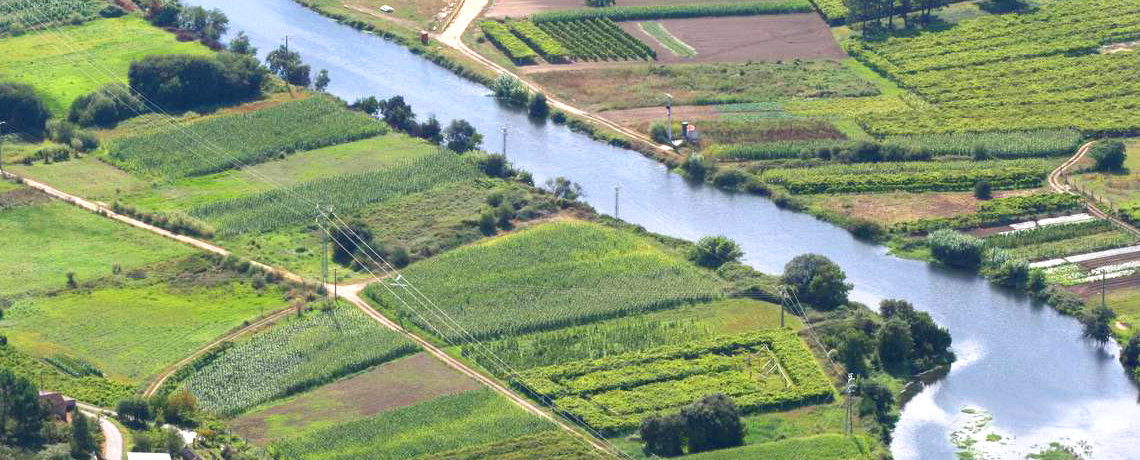
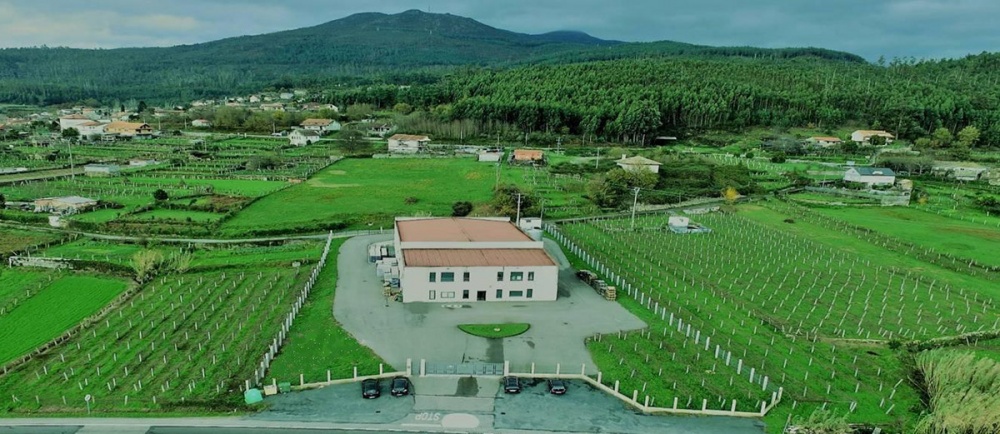
The landscape is dotted with pazos — grand Galician stone manor houses — that have been converted into wineries, with their signature raised pergola-style trellises held up by granite columns to protect the grapes from the damp. Many offer a tour and tasting with views over the ría, an experience that's hard to forget. It's common to combine the visit with a walk through the seaside vineyards.
Some of these pazos are landmarks in their own right, such as the Pazo de Fefiñáns in the historic heart of Cambados, whose winery has been making albariño for generations. The traditional pergola (parra), which lifts the vine off the ground, aids ventilation in a damp climate and once freed up the soil below for other crops — an agricultural ingenuity that defines the Salnés landscape and casts those shady canopies of leaves overhead.

Fresh, aromatic albariño is the perfect match for Atlantic seafood. In O Grove, Cambados or Illa de Arousa, you can round off the route with clams, mussels, razor clams or a great pulpo á feira, along with catamaran trips out to the bateas (the mussel-farming rafts) with an onboard tasting.
Rías Baixas is as much about food as it is about wine. Its seafood — clams, cockles, razor clams, velvet crabs, spider crab and the famous batea-raised mussels — is among the best in the world, and pulpo á feira, empanada and fresh catch from the local market complete a feast that calls for albariño with every bite. Pairing a fresh, saline white with just-caught seafood is one of the great matches in Spanish cuisine. Many wineries offer experiences that combine a tasting with a sampling of local produce, closing the loop between vineyard, ría and plate.
Explore the wineries of Rías Baixas and book your visit.

The area is full of charming fishing villages like Combarro, with its hórreos (granaries) right by the water, the spa town of Caldas de Reis, the city of Pontevedra with its historic old town, and stunning beaches. It's all within easy reach, so you can combine wine, sea and culture in a single day.
Choose the winery, the experience and the date, and book your tasting or guided tour in Rías Baixas online. Instant confirmation and secure payment.
Spring and summer are ideal for combining vineyards, beach time and outdoor terraces, though the Atlantic climate can bring rain at any time of year — part of what keeps everything so green. The harvest, in September, coincides with the liveliest atmosphere. The easiest way to get around is by car, since the wineries are scattered through the countryside, though Cambados, Pontevedra and Sanxenxo work well as bases with good transport and services. Book your visits ahead, and if you can, add a boat trip out to the bateas to round off the experience.
The Ruta do Viño Rías Baixas is one of Spain's certified wine routes, with member wineries, hotels and restaurants and signposting that makes it easy to follow. It's within easy reach of the Vigo and Santiago de Compostela airports, and Pontevedra has a train station, so you can plan the trip without relying entirely on a car for the longer legs.
With Cambados, the capital of albariño, as your base, you've got a perfect plan. On Saturday, visit a winery for a tasting overlooking the ría in the morning, then seafood in O Grove or a catamaran trip past the bateas in the afternoon. In the evening, tapas around Cambados's old town. On Sunday, another winery — perhaps in the O Rosal subzone, toward the Portuguese border — and a stop in Combarro, with its seaside hórreos, or in Pontevedra. If you're visiting in August, don't miss the Festa do Albariño. Everything is close by, letting you combine wine, sea and heritage in very little time.
Choose your winery, book your tasting or guided tour, and toast to Atlantic wine where the sea meets the vine.
See wineries to visit →