Bodegas lideradas por mujeres que merece la pena visitar
Mujeres que están cambiando el vino en España: enólogas y propietarias al frente de bodegas con historia, y cómo visitarlas para c
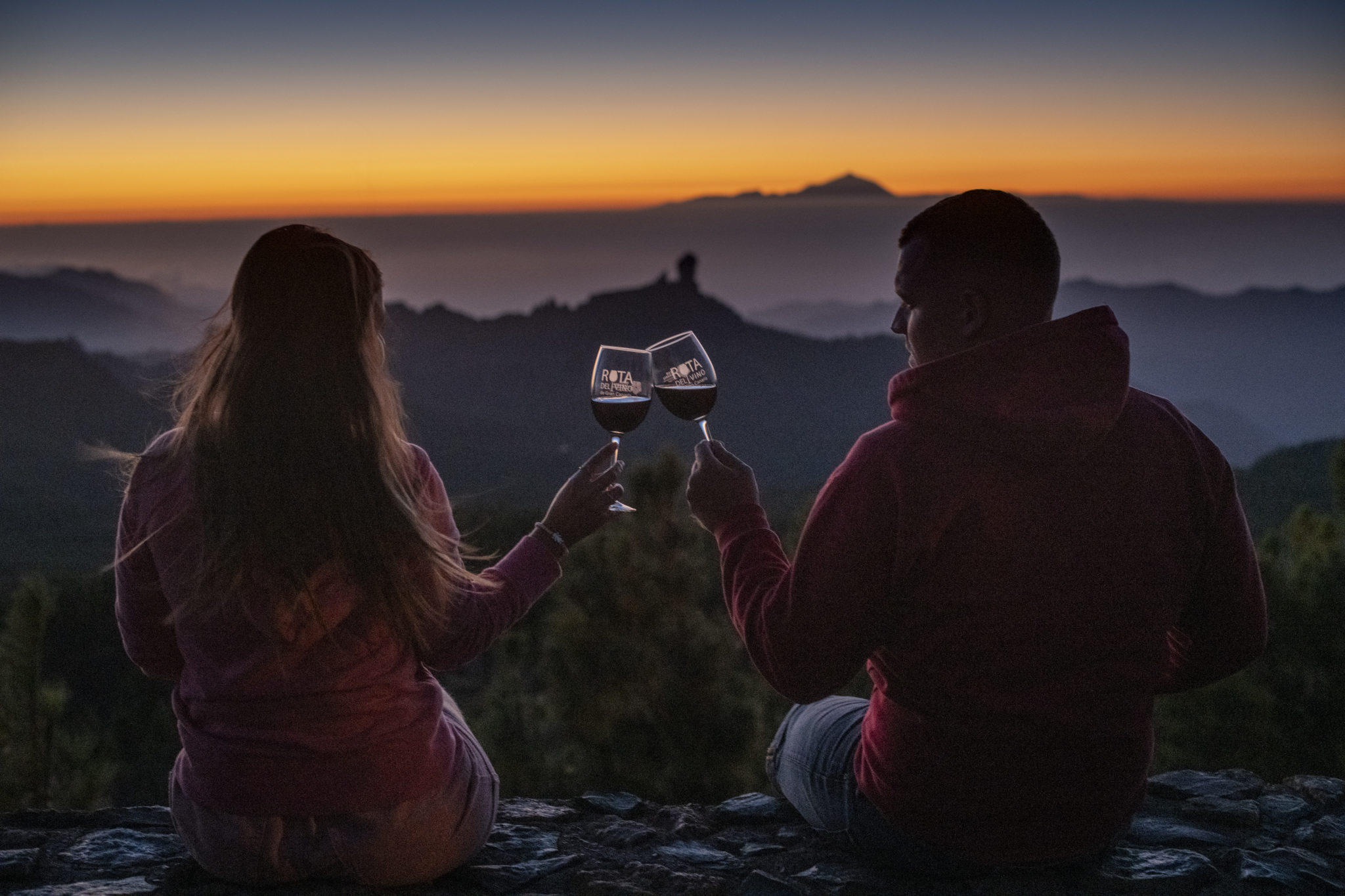
Struck by the closure of the hospitality trade, the wine world found in wine tourism a lifeline and a path to the future. Turning the vineyard into an experience has become as strategic as making good wine.
The shutdown of bars and restaurants left many wineries without their main sales channel overnight. The response was to get moving: to bet on direct sales, to strengthen their digital presence, to look after social media and to open their doors to the visitor. Wine tourism went from being a complement to becoming a central pillar of the business.
The logic is simple. Anyone who visits a winery, tastes its wines and meets the people who make them takes away a bond that is hard to break. That visitor tends to buy again, recommends, and becomes the brand's best ambassador.
The Wine Routes consolidated themselves as a key tool for organising a territory's offering: wineries, accommodation, restaurants and activities under a single umbrella. New destinations joined the map, including island areas and regions that until recently had not appeared on the wine tourism radar.
Wine tourism generates visits and income that are spread throughout the rural surroundings: not only the winery, but also the hotel, the village bar and the small shop. Although the pandemic sank visitor numbers, the recovery arrived with force, a sign that demand for this kind of slow, meaningful tourism remains very much alive.
Against mass tourism, wine tourism offers the opposite: calm, authenticity and direct contact with the producer. It fits a traveller who seeks real experiences and who values the origin of what they consume. That is why wineries keep investing in tasting rooms, accommodation and activities. It also helps to retain population and activity in rural areas, no small thing in many wine-growing regions that had been losing inhabitants for years.
Another advantage is its power to spread demand across the seasons: the grape harvest draws people in autumn, but tastings, pairings and vineyard visits work all year round, which allows income to be distributed better and avoids depending on a single high season.
If you want to join this trend, the best thing is to start with the map: discover the different designations of origin and choose where to begin your route. Wine is waiting for you at its source, and it rarely disappoints.
Spain’s no.1 wine tourism portal. We bring you the wineries you can visit, their wines and their experiences so you can live wine where it is born.
 News
NewsMujeres que están cambiando el vino en España: enólogas y propietarias al frente de bodegas con historia, y cómo visitarlas para c
 News
NewsDescubre las innovaciones que están transformando el mundo del vino. Desde la tecnología en la viña hasta la vinificación en labor
 News
NewsEl Consejo Regulador de la DOP Alicante ha firmado el convenio de colaboración con la Federación Nacional del Vino, FEV, para la p