Bodegas lideradas por mujeres que merece la pena visitar
Mujeres que están cambiando el vino en España: enólogas y propietarias al frente de bodegas con historia, y cómo visitarlas para c
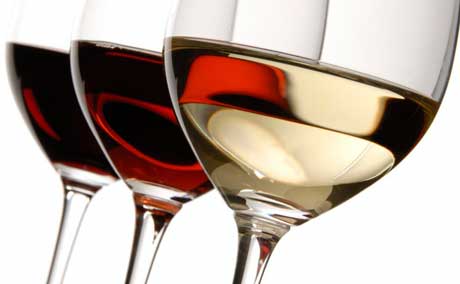
The wine sector breathes a sigh of relief after learning that wine will not carry health warnings on its label comparable to those on tobacco, a possibility that had caused great concern among producers and designations of origin.
The concern originated in a European report on the fight against cancer. Among the proposals under consideration was the idea of adding health warnings to wine bottles in a format very similar to the one already used on tobacco. For a sector that associates wine with a culture, a landscape and a form of moderate consumption, that equivalence was seen as a direct blow to its image.
Producers, cooperatives and wine organisations voiced their rejection with a fundamental argument: responsible consumption tied to gastronomy is not the same as tobacco use. The sector argued for a distinction between moderate use and abuse, and for any measure to be based on proportionate criteria rather than mechanically transferring to wine an approach designed for another product.
The final version of the report softened the proposals most harmful to wine. In February, the European Parliament ruled in such a way that bottles will not have to carry tobacco-style health warnings. Interest remains in informing about responsible consumption, but without the equivalence that had caused so much concern. For the sector, the outcome was read as a relief and as recognition that wine has a reality of its own.
The issue is not merely aesthetic. The label conditions consumer perception and, by extension, that of a product which in Spain is tied to the land, to rural employment and to tourism. Behind every bottle there are vineyards, family wineries and entire regions that depend on wine. A disproportionate labelling would have affected that chain far beyond the supermarket shelf.
The best antidote to simplistic messages is wine culture: understanding where it comes from, how it is made and what it means to consume it with moderation and enjoyment. Here wine tourism plays a valuable role, because it brings the public closer to the wineries and explains the value of what is being drunk. If you want to get to know it first-hand, you can start by exploring the designations of origin and planning a visit that helps you look at the glass with fresh eyes.
Spain’s no.1 wine tourism portal. We bring you the wineries you can visit, their wines and their experiences so you can live wine where it is born.
 News
NewsMujeres que están cambiando el vino en España: enólogas y propietarias al frente de bodegas con historia, y cómo visitarlas para c
 News
NewsDescubre las innovaciones que están transformando el mundo del vino. Desde la tecnología en la viña hasta la vinificación en labor
 News
NewsEl Consejo Regulador de la DOP Alicante ha firmado el convenio de colaboración con la Federación Nacional del Vino, FEV, para la p