Bodegas lideradas por mujeres que merece la pena visitar
Mujeres que están cambiando el vino en España: enólogas y propietarias al frente de bodegas con historia, y cómo visitarlas para c

A group of MEPs tabled amendments to distinguish moderate wine consumption from alcohol abuse within the framework of Europe's Beating Cancer Plan. The debate reopens an old question: how to talk about wine without falling into either an uncritical toast or demonisation.
The discussion reached the European Parliament as part of the report on the Beating Cancer Plan, a document intended as a health recommendation for the entire Union. The point of friction was the treatment given to alcohol: part of the text equated any consumption with risk, without distinguishing amounts or contexts.
Against that approach, several amendments argued for distinguishing between abusive consumption, on which there is scientific consensus about harm, and moderate and occasional consumption associated with Mediterranean culture.
The underlying argument is cultural and economic. In countries such as Spain, Italy or France, wine is not understood as an isolated product, but as part of a way of eating and relating at the table. The Mediterranean diet, recognised for its nutritional value, has traditionally included a glass of wine accompanying the meal.
The amendments' supporters held that equating that practice with alcoholism does not help public health and, in passing, hurts a sector that provides jobs for thousands of families in rural areas.
It is best not to oversimplify. The evidence on the risks of alcohol is serious and deserves respect; no honest winemaker would encourage drinking without measure. What was being debated in Brussels was more subtle: whether a health policy should erase the nuances or whether it can inform with precision.
For Spanish wineries, the matter goes beyond politics. Regulation that treats wine as just another product can affect labelling, advertising and the very social perception of an industry tied to the land. That is why the appellations follow every European move closely.
The best defence of wine is not the amendments, but knowledge. Understanding where a bottle comes from, how it is made and why it tastes the way it does turns consumption into something conscious and enjoyable. If you want to start there, take a look at the Spanish denominations of origin and discover the variety behind each region. Drinking with judgement will always be better than drinking out of habit.
Spain’s no.1 wine tourism portal. We bring you the wineries you can visit, their wines and their experiences so you can live wine where it is born.
 News
NewsMujeres que están cambiando el vino en España: enólogas y propietarias al frente de bodegas con historia, y cómo visitarlas para c
 News
NewsDescubre las innovaciones que están transformando el mundo del vino. Desde la tecnología en la viña hasta la vinificación en labor
 News
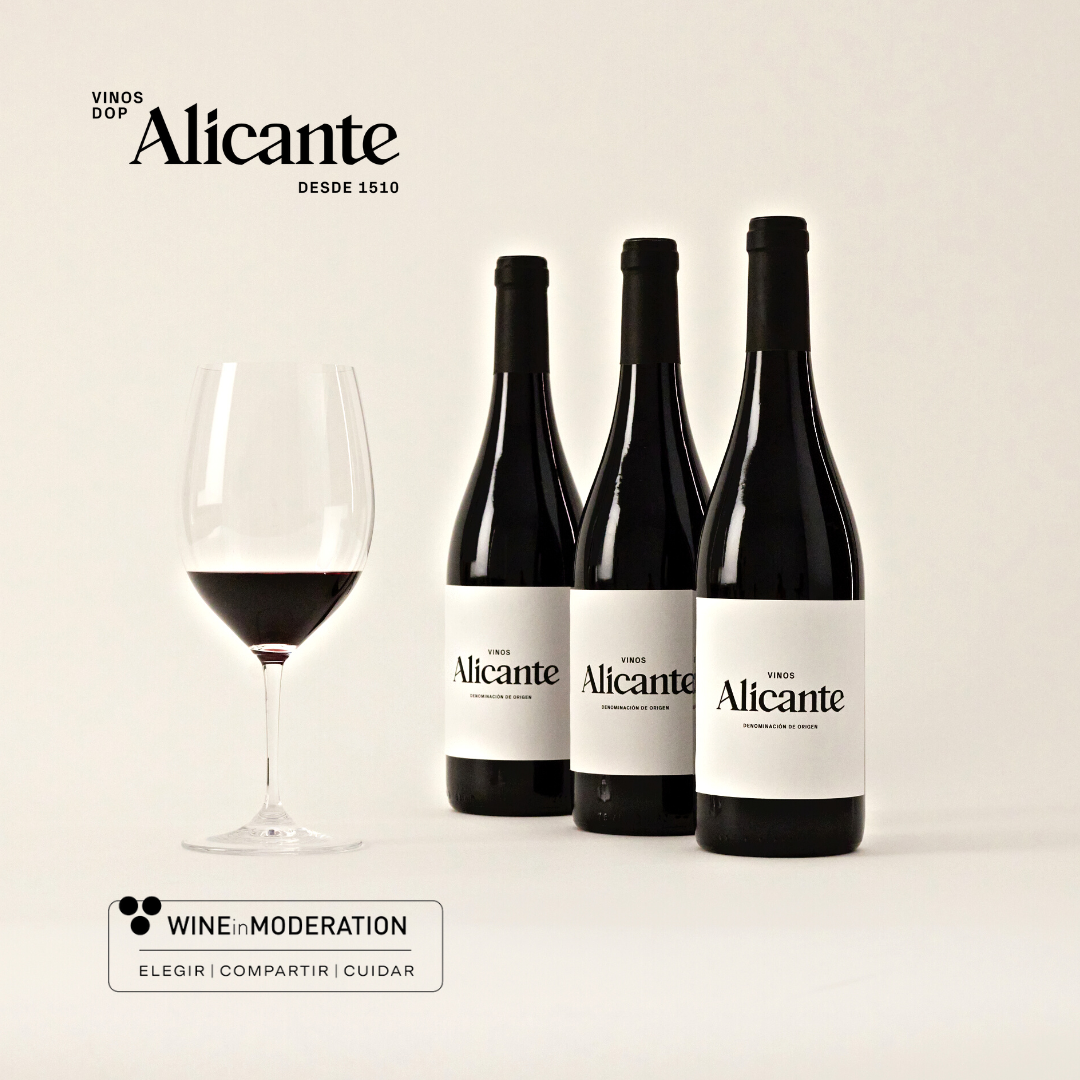
NewsEl Consejo Regulador de la DOP Alicante ha firmado el convenio de colaboración con la Federación Nacional del Vino, FEV, para la p