Natural, organic and biodynamic wines: what they are and where to taste them
What natural, organic and biodynamic wines are, how they differ, how they're tasted, and which wineries in Spain you can vis
Some Spanish wineries are more than temples of wine — they're genuine works of architecture signed by world-famous names. Here are twelve that are worth visiting for the building alone, and which also happen to make excellent wine.
Since the early 2000s, many Spanish wineries have commissioned signature buildings to bring together wine, tourism and brand. The result is a collection found nowhere else in the world — contemporary "wine cathedrals" that turn a visit into an aesthetic experience as much as a tasting. Most of them cluster in Rioja, Ribera del Duero and Penedès.
Marqués de Riscal (Elciego, Rioja Alavesa), with its rippling pink, silver and gold titanium "City of Wine" designed by Frank Gehry, is the most iconic and houses a luxury hotel. Ysios (Laguardia), by Santiago Calatrava, echoes the ridges of the Sierra de Cantabria with its undulating roofline. Portia (Ribera del Duero) bears the signature of Norman Foster, built on a three-pointed, star-shaped floor plan.
The Modernisme complex at Codorníu (Sant Sadurní), designed by Puig i Cadafalch, is a listed historic-artistic monument and a jewel of Catalan Modernisme. Protos (Peñafiel) combines Richard Rogers' design with cellars carved beneath the castle. And Bodegas Baigorri (Rioja Alavesa) surprises visitors with a seven-level underground design that uses gravity to make the wine.
The list continues with the Zaha Hadid pavilion at López de Heredia (Haro), CVNE's Viña Real (a giant wooden barrel), Bodegas Faustino, Pago de Carraovejas, Arzuaga, and the contemporary buildings of Priorat and Somontano (Enate, Irius). Each one turns wine into architecture, and architecture into wine.
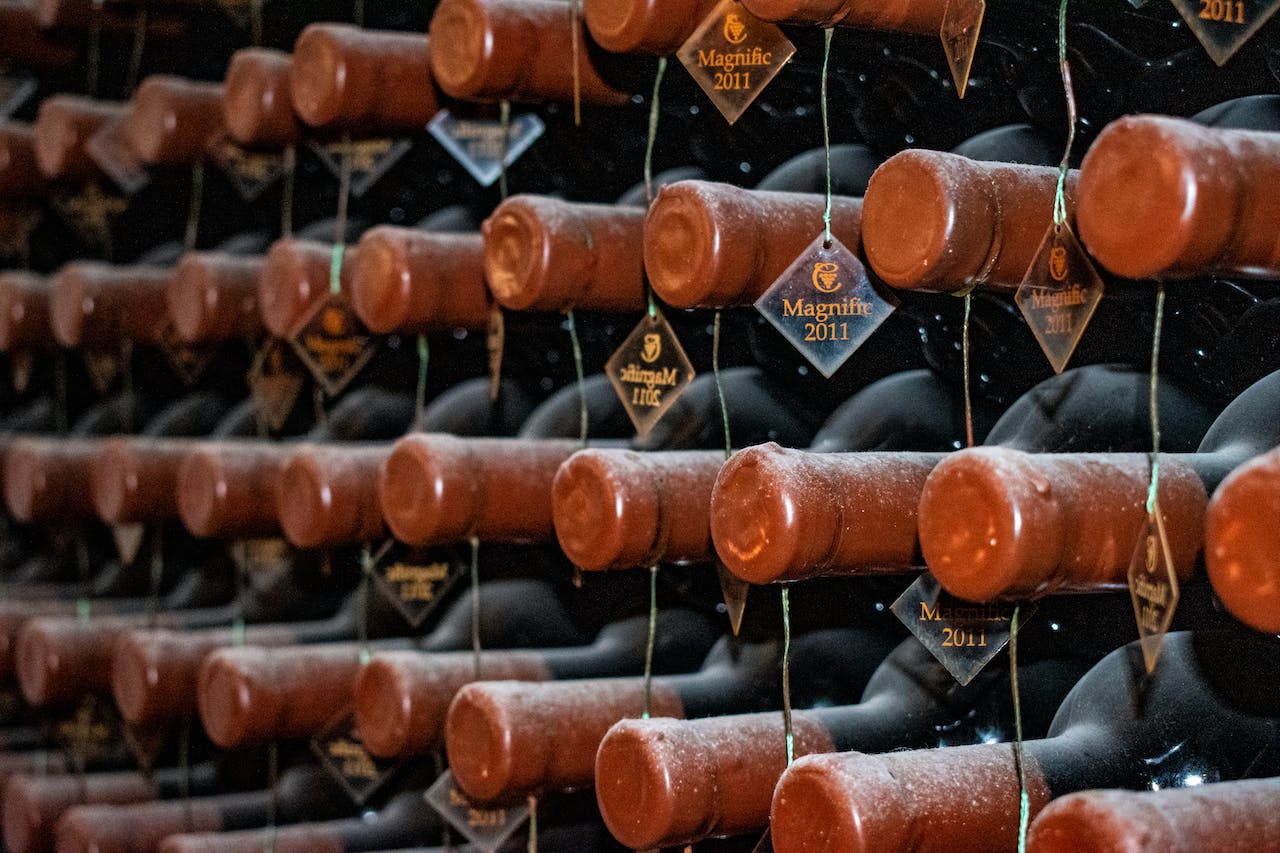
Wine architecture isn't always visible from the outside: some of the most impressive wineries hide underground. Modern gravity-flow wineries, like Baigorri, are built on multiple levels so the grapes and wine descend under their own weight, with no pumping, handling the must with maximum gentleness. Alongside them are the centuries-old historic galleries — those of Aranda de Duero, of Laguardia, or the kilometres of underground cava cellars in Sant Sadurní — genuine cathedrals beneath the ground where the wine rests in darkness and silence.
If architecture is what draws you, plan your visit around the light: sunrise and sunset bring out the best tones on Riscal's titanium or Ysios's waves. Ask the winery whether indoor photography is allowed and whether they run tours focused specifically on the building. A lightweight tripod helps in the dim barrel cellars. And remember: however spectacular the container, what counts is what's inside, so always leave time for the tasting.
You can plan an entire getaway around architecture alone. Rioja Alavesa is the mecca: in a single weekend you can see Marqués de Riscal, Ysios and Baigorri, all close together, and sleep at Gehry's hotel. Ribera del Duero brings together Portia (Foster), Protos (Rogers) and other contemporary names. Penedès pairs Codorníu's Modernisme with present-day buildings, and Aragon's Somontano surprises with design-led wineries like Enate or Irius. Each route combines architecture, landscape and great wine — perfect for design lovers who want more than just a tasting.
The spectacle isn't only about new buildings. Many historic wineries are equally breathtaking: the "wine cathedrals" of Jerez, with their arched halls and sandy albero floors; the kilometres of underground cava galleries in Sant Sadurní; the medieval cellars of Laguardia; or the century-old pavilions of López de Heredia in Haro. These wineries often blend old and new, adding work by contemporary architects to buildings with centuries of history. The contrast between old stone and contemporary design is, in itself, one of the great draws of the visit.
Spain is probably the best place in the world to enjoy wine architecture. From Gehry's City of Wine to Calatrava's waves, from century-old cava galleries to gravity-flow wineries carved into rock, every visit brings together great design, landscape and great wine. Plan a route through Rioja Alavesa, Ribera or Penedès, book ahead — these are some of the most sought-after wineries around — and get ready to photograph as much as you taste. The container lives up to the contents.
Discover these and other wineries to visit and book your ticket.
Spain's #1 wine tourism portal. We bring you wineries open to visitors, their wines and their experiences so you can live wine where it's born.
 Wineries
What natural, organic and biodynamic wines are, how they differ, how they're tasted, and which wineries in Spain you can vis
 Wineries
Discover how to build your own wine sanctuary at home. Essential tips for creating a cellar that celebrates wine culture and cra
 Wineries
Dive into the world of wine with our beginner's guide. Look, smell and taste: uncover the secrets of wine tas