The 12 most spectacular architectural wineries in Spain
Spain's most spectacular architectural wineries: Marqués de Riscal, Ysios, Portia, Protos, and more, with their architect and how
Natural, organic, biodynamic… These terms come up more and more, but they don't mean the same thing. We explain the differences clearly, and where you can taste them for yourself.
Consumers increasingly look for sustainable, authentic wines made with less intervention, and wineries have responded. Behind these labels lies the same idea: respect the vineyard and let the terroir speak. But it's worth distinguishing carefully between categories, because the level of regulation varies widely.
Organic wine (or "bio") is made from grapes grown without synthetic chemicals (pesticides, herbicides, or artificial fertilizers), under an official European certification. It's the most regulated and recognizable category: it carries the EU organic leaf seal. It's a guarantee of environmental respect in the vineyard.
Biodynamics goes a step further: it treats the vineyard as a living organism embedded in its surroundings and follows the lunar calendar and a series of natural preparations to strengthen the plant and the soil. It usually starts from organic farming and seeks the fullest expression of terroir. Certifications such as Demeter back it up.
Natural wine is defined by minimal intervention in the winery too: no additives and little or no added sulfites. It has no single official certification at the European level, so there's more diversity of styles — and of results — within the category. These are "living" wines that express the grape and the place very directly.
These tend to be lively, aromatic, and sometimes slightly hazy wines, with less "standard" profiles that change more from bottle to bottle. They pair wonderfully with ingredient-driven cooking and lightly processed dishes. The best way to discover them is to visit wineries that work this way; many offer dedicated tastings and share their philosophy firsthand.
There are organic, biodynamic, and natural-wine producers all across Spain, from Galicia to Penedès, from Gredos to Andalusia, and a lively scene of specialist wine shops in the big cities. More and more appellations now have producers working this way.
Telling these wines apart in the shop or on the wine list is easier once you know the seals. Organic wine carries the EU's green organic leaf and, often, the logo of its region's organic regulatory board. Biodynamic wine may display private certifications such as Demeter or Biodyvin. Natural wine, having no official certification, is identified mainly through producer information and grower associations. If in doubt, ask at the winery or wine shop: they'll happily explain how they work and what guarantees stand behind each bottle.
Beyond labels, the whole industry is moving toward sustainability: lower-impact viticulture, water and energy savings, recovery of native varieties and old vines, and adaptation to climate change. Many conventional wineries adopt organic practices without certifying, and others embrace the circular economy or biodiversity in the vineyard. For the wine tourist, this translates into ever more interesting visits, where respect for the land is part of the story — and the flavor — of the wine you taste.
Plenty of clichés circulate around these wines. "Natural wine doesn't give you a hangover": false — a hangover depends mainly on how much you drink, not the type of wine. "Organic means better quality": not true either; certification guarantees how the grapes are grown, not that the wine is excellent. "Natural wines are all cloudy and weird": they're actually very diverse, ranging from classic and clean to highly expressive. As with conventional wine, there are great bottles and mediocre ones. The sensible approach is to taste with curiosity and no prejudice, and stick with what you genuinely enjoy, whatever seal it carries.
The scene around organic, biodynamic, and natural wines is thriving. You'll find them at wineries offering visits and tastings that explain their philosophy, at specialist wine shops and bars in major cities, and at fairs and trade shows dedicated to these styles held throughout Spain. Starting at a wine shop, tasting by the glass and letting yourself be guided, is an inexpensive way to find out if you like them; visiting the winery afterward, talking to the person who makes them, gives you the context that makes it all click. It's a fascinating world for the curious wine tourist.
Organic, biodynamic, and natural are not the same thing, though they share a common philosophy of respect for the vineyard and the land. Knowing the differences helps you choose better and understand what you're tasting. Beyond seals and labels, what matters is tasting with curiosity, without prejudice, and sticking with what you genuinely enjoy. Visiting the wineries that work this way, and listening to the people who make these wines, is the best way to discover a world that's becoming ever more present and exciting within Spanish wine.
Find organic and natural-wine wineries and book a tasting to try them.
Spain's number one wine tourism portal. We bring you wineries open to visitors, their wines, and their experiences so you can live wine where it's born.
 Wineries
Spain's most spectacular architectural wineries: Marqués de Riscal, Ysios, Portia, Protos, and more, with their architect and how
 Wineries
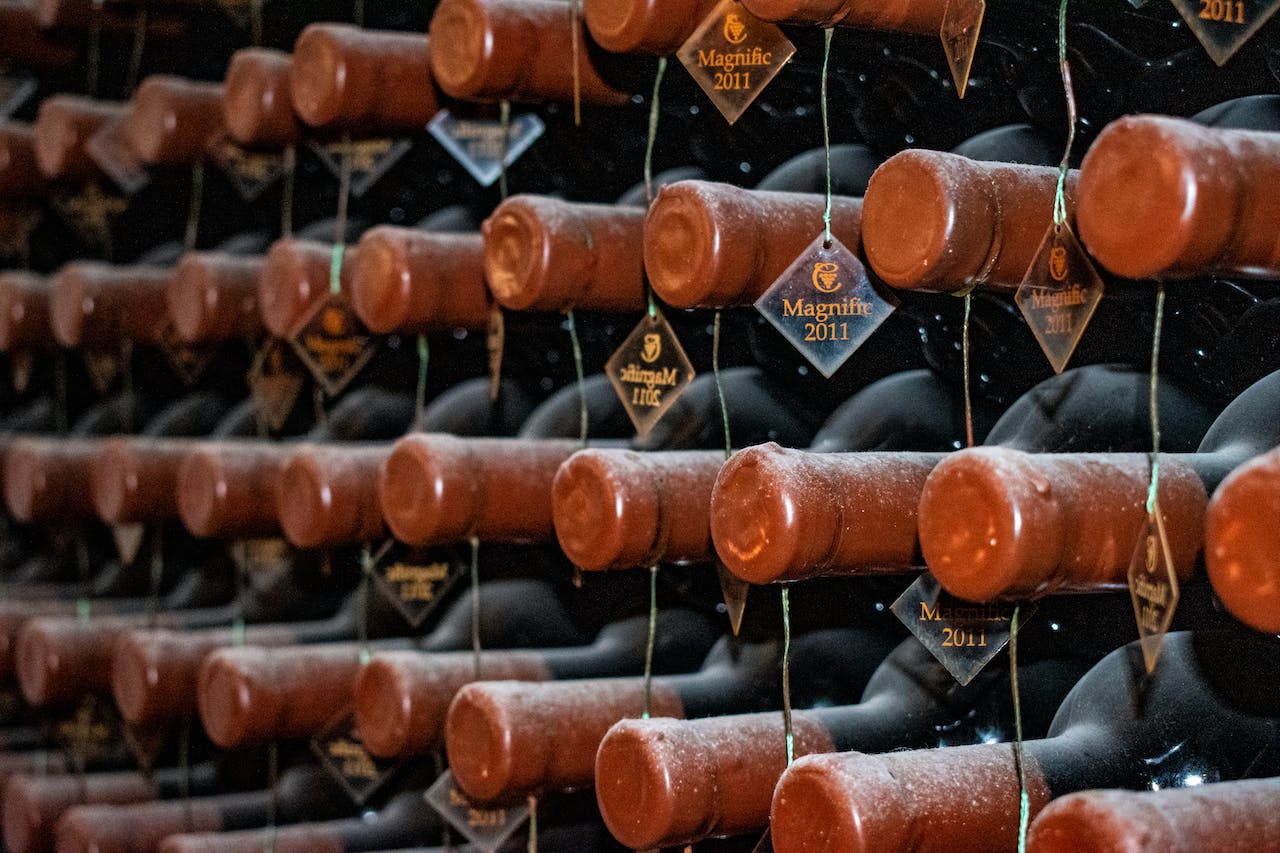
Discover how to build your own wine sanctuary at home. Essential tips for creating a cellar that celebrates the culture and art
 Wineries
Immerse yourself in the world of wine with our beginner's guide. Look, smell, and taste: unveiling the secrets of wine tasting