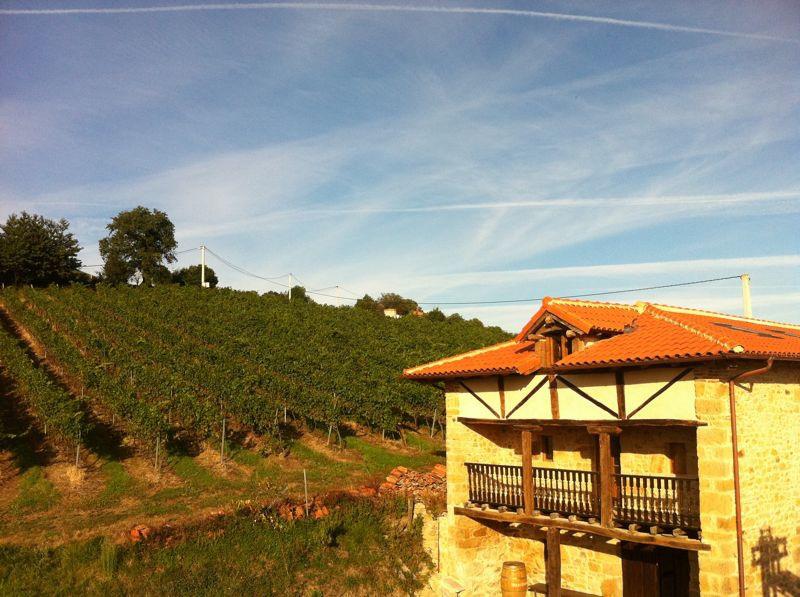
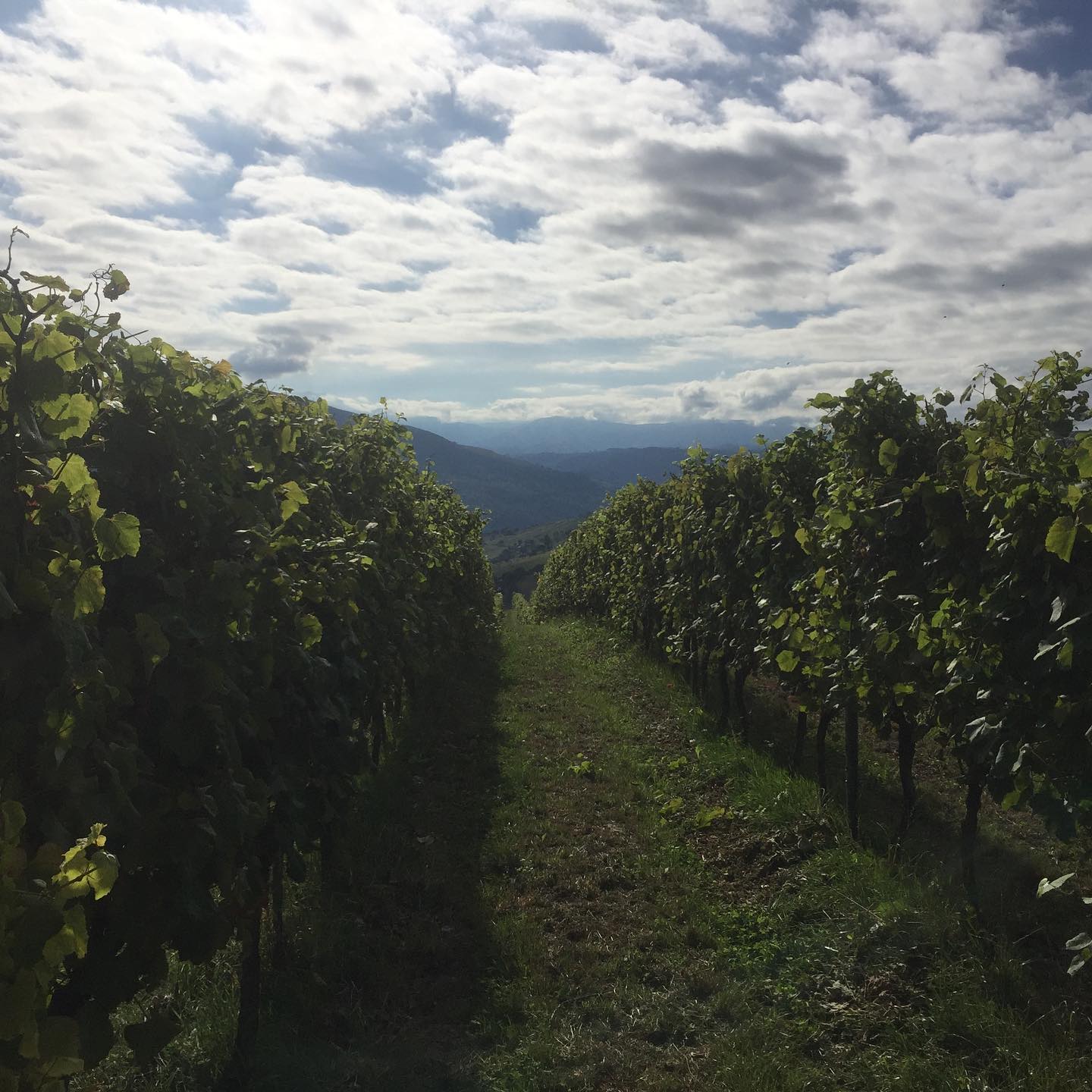
Discover all the experiences, the best spots and the widest wine tourism offer in Cantabria on Visitar Bodegas. Find out more!
Especially at weekends and during the harvest, spots fly. Secure your visit by booking online.
Spring and autumn show off the vineyard; the harvest, around September, is the most special, with tastings and activities among the vines.
Check opening hours, languages and whether the visit includes a tasting before setting off.
Combine the winery with the food and the villages of Cantabria to round off the day.
If you drive after the tasting, do so in moderation or designate a driver.
In Cantabria you can find many and very diverse typical products, whose making has reached our days just as it was done hundreds of years ago. Some of these products carry the appellation-of-origin mark.
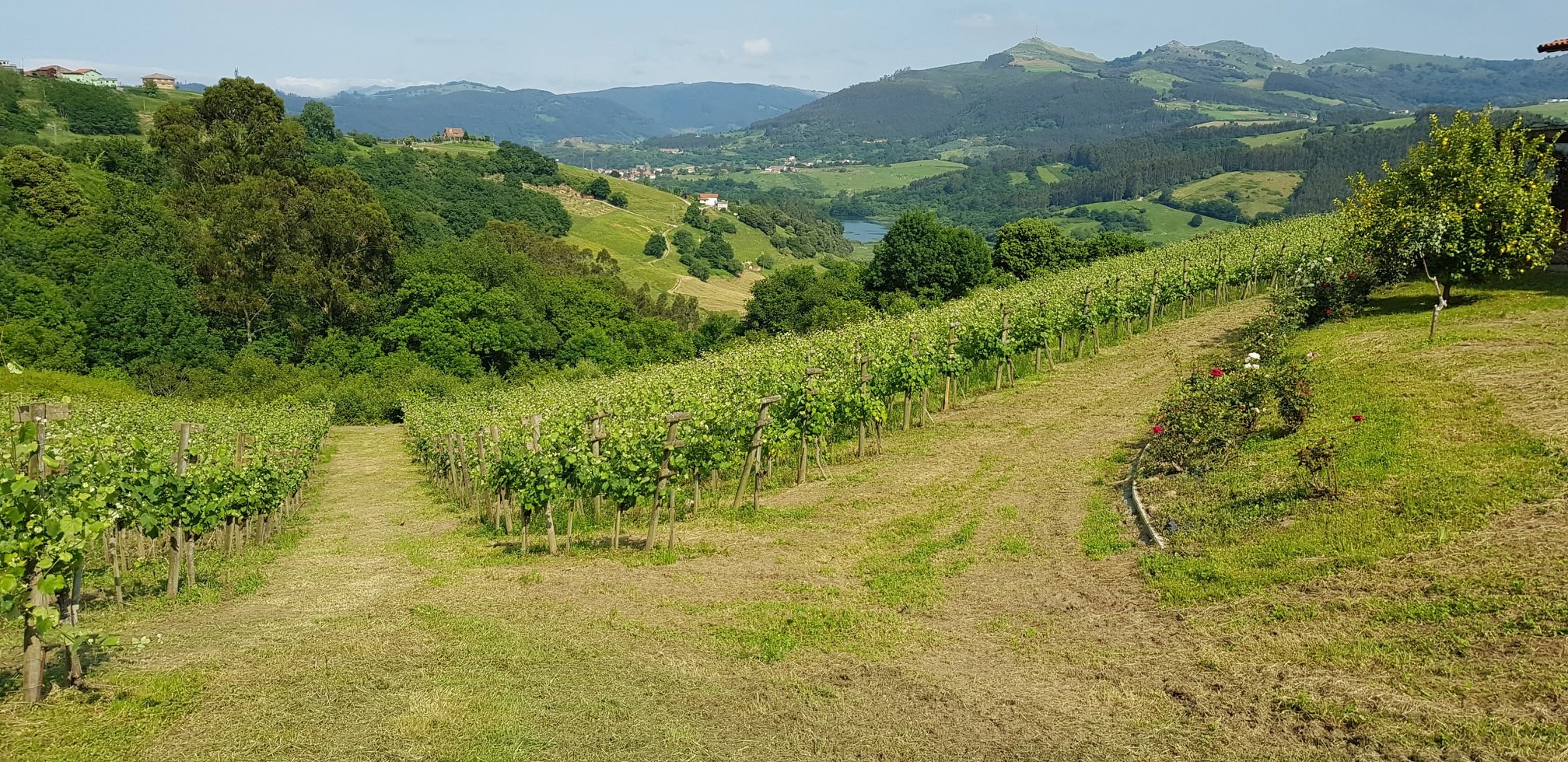
The production area of the “Vino de la Tierra Costa de Cantabria” consists of land suitable for growing authorised wine grapes, lying between the coast and the Atlantic-influenced inland valleys up to an altitude of 600 metres, except for the municipalities within the geographical area of the Vino de la Tierra de Liébana.
The production area of the “Vinos de la Tierra de Liébana” consists of land suitable for growing authorised wine grapes, bounded by the municipalities of Potes, Pesagüero, Cabezón de Liébana, Camaleño, Cillorigo de Liébana and Vega de Liébana.
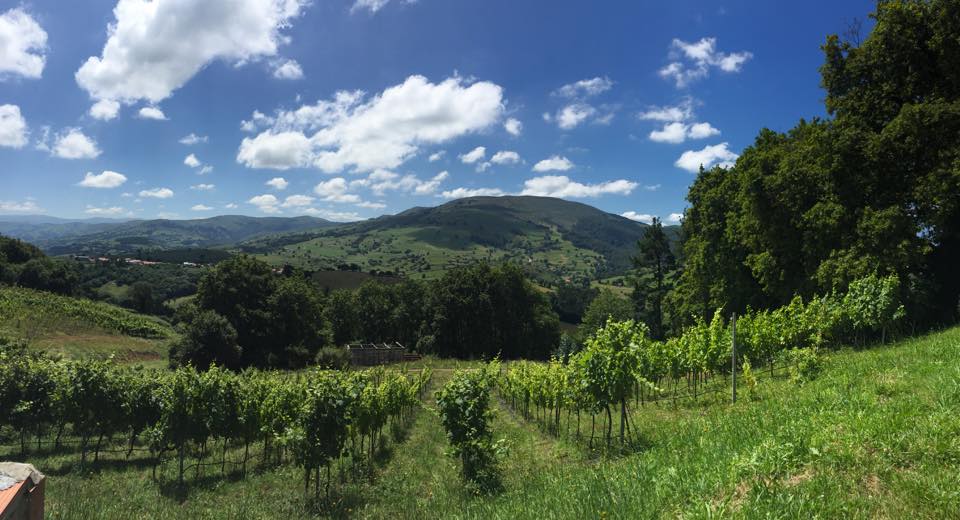
V.T. Costa De Cantabria✓ Bookable
V.T. Costa De Cantabria✓ BookableAlthough vineyards are scarce, the Cantabrian coast provides charming lodgings for coastal wine tourism: stone Cantabrian inns in Santillana del Mar, hotels beside the bay of Santander and rural houses in the Trasmiera region.
The western coast, with San Vicente de la Barquera and Comillas, and the Liébana valley, at the gateway to the Picos de Europa, offer magnificent bases for sleeping between sea, mountain and the few but singular vineyards of the land.
The Cantabrian table comforts with the cocido montañés of white beans and cabbage and the cocido lebaniego of chickpeas, ideal after a day in the mountains. The rabas, the Santoña anchovies and the Cantabrian shellfish call for a fresh coastal white.
For dessert, sobaos pasiegos and quesada, with the quesucos of Liébana and a shot of Liébana orujo to finish. Produce of sea and valley that pairs well with the wines of the Cantabrian coast.
The Picos de Europa dominate the nature agenda, with the Fuente Dé cable car and the trails of the Liébana valley. On the coast, San Vicente de la Barquera, Comillas and the Cantabrian beaches alternate with the Cabárceno Park.
The Cave of Altamira, with its neo-cave, and the medieval ensemble of Santillana del Mar are first-rate cultural visits. Santander, with the Magdalena and the Centro Botín, rounds off a getaway of sea, art and wine tourism.
Cantabrian heritage is dazzling: Altamira and its rock art, a peak of European prehistory, the Romanesque collegiate church of Santillana del Mar and the modernism of Comillas, with Gaudí's Capricho and the Palace of Sobrellano.
Santander contributes the Palace of the Magdalena and the modern Centro Botín, while the seafaring and cattle-rearing tradition permeates festivals and markets. The coastal vineyards are reviving a wine culture linked to the Cantabrian Sea.
The Cantabrian coast is dotted with campsites atop cliffs and beaches, from San Vicente de la Barquera to Noja and Santoña, perfect for tents and motorhomes facing the Cantabrian Sea. The green of the meadows reaches almost to the sand.
Inland, the Picos de Europa and the Liébana valley offer camping areas among oak woods and peaks, with service areas in several towns. Nature, sea and mountain combine with the tastings of the Cantabrian coast.
Thanks to the influence of the Gulf Stream, which brings warm waters to the Cantabrian Sea, Cantabria enjoys much milder temperatures than its latitude would suggest. The region has a temperate Atlantic climate, with moderate rainfall and mild temperatures all year round.
Average (maximum) temperatures at sea level (ºC):
In summer the sea water stays above 20 ºC, a very pleasant temperature for swimming.
Cantabria has two clearly distinct climates: the temperate Atlantic climate and the Mediterranean climate.
The temperate Atlantic climate is humid, influenced by the prevailing westerly winds that bring humid air masses, whether polar or tropical. The barrier effect of the Cantabrian Range gives the climate a strong gradient between north and south. Beyond the ridgeline, towards the Ebro valley, the Foehn effect makes the climate drier and with greater temperature contrasts; the region then comes under the influence of the Mediterranean climate.
It should be noted that the Liébana region, enclosed between the Picos de Europa and Peña Sagra, is a climatic exception: although within the oceanic domain, it shows clearly Mediterranean features.
Snow is frequent in the highlands of Cantabria between October and March.
Choose your winery, book your visit and experience wine where it is born.
View wineries →