Unusual Pairings: Where Harmony Leads to the Unexpected
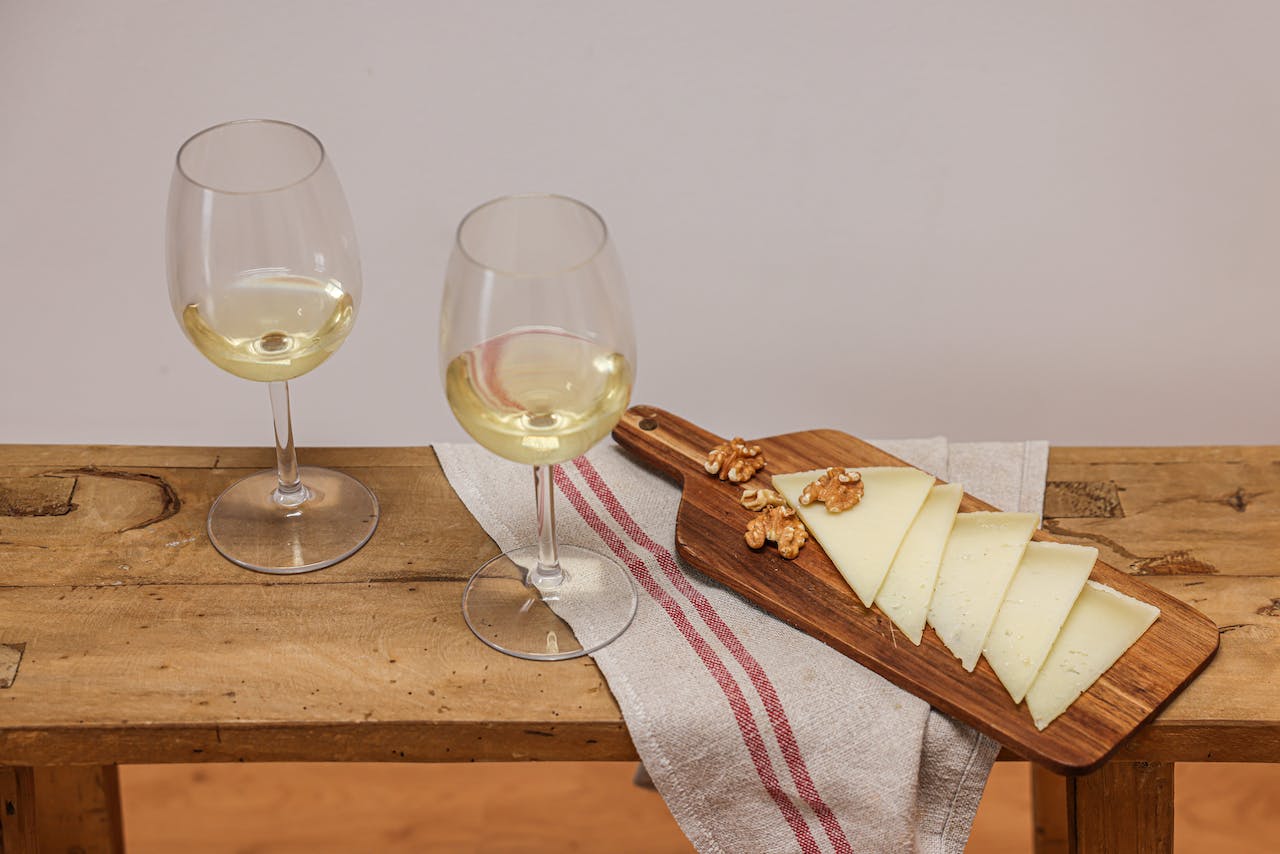
Explore unusual pairings where harmony leads to the unexpected. Discover the symphony of flavours that defy conventi
Understanding how wine is made turns a winery visit into something far richer. This is the journey from grape to glass, step by step and jargon-free, so you get the most out of your next tasting.
It all starts in the vineyard. The harvest — by hand or by machine — picks the grapes at their optimal ripeness, between late August and October, when the winemaker judges the balance of sugar, acidity and maturity to be just right. The grapes arrive at the winery, where they're sorted on a table and destemmed (separated from the stalk, the green part of the bunch).
The must ferments: yeasts convert the grape sugar into alcohol, releasing CO₂ in the process. In red wines, the must ferments together with the skins, which contribute colour, aromas and tannins, in a process called maceration. In white wines, only the juice is fermented, without the skins, to preserve freshness and aroma. This is the step that turns grape juice into wine.
Many wines spend a period in oak barrels (French or American), which add nuances — vanilla, toasted notes, spice, coconut — and, through an extremely slow micro-oxygenation, round out the wine and soften its tannins. Depending on how long it ages in barrel and bottle, a wine is classified as joven (young), crianza, reserva or gran reserva. The barrel cellars, dim and silent, are where many visits become unforgettable.
In cava and other traditional-method sparkling wines, a base wine undergoes a second fermentation inside the bottle itself, triggered by adding sugar and yeast. The resulting CO₂ stays trapped, creating those fine bubbles. After months resting on the lees, the bottles are riddled and disgorged to remove the sediment.
After ageing, the wine is clarified, filtered and bottled. Some wines keep evolving in the bottle for years, refining themselves before reaching the market or their peak drinking window.
With this process in mind, you'll better understand what you're tasting: where the colour comes from (the skins), the aromas (the grape, the fermentation and the wood), and that structure on the palate (the tannins and the ageing). The next step is to experience it firsthand.
Every style of wine comes from the same basic principle. Red wine ferments with the skins of red grapes, which is where its colour and tannins come from. White wine is made from the juice alone (from white grapes, or even red ones), aiming for freshness and aroma. Rosé sits in between: the red skins tint the must for just a few hours. Sparkling wine adds that second fermentation that traps the gas. And fortified wines like sherry get an extra dose of alcohol and special ageing. Understanding these families helps you choose better and enjoy every tasting more.
Behind every wine there's a place. The concept of terroir sums up everything the environment contributes: the soil (clay, limestone, slate, sand), the climate, the altitude, the slope's orientation, and the grape variety suited to that particular spot. That's why a Tempranillo from Ribera tastes different from one from Rioja, or why an Atlantic Albariño bears no resemblance to a Verdejo from the plateau. Visiting the vineyard and walking that ground is the best way to understand why a wine tastes the way it does.
Part of learning about wine is recognising when something's wrong. The most famous flaw is "cork taint" (a smell of wet cardboard or damp), caused by a compound in the cork that spoils the bottle; there's no fixing it, and it's grounds for sending the bottle back. Other warning signs include a vinegary edge, rotten-egg aromas (reduction, which airing sometimes solves) or a wine that has oxidised too soon. On a visit, the guide will teach you to tell these flaws apart from the wine's normal characteristics. Knowing how to spot them gives you the confidence to order, buy and enjoy wine without fear of getting it wrong.
If you buy wine on your visits, it's worth knowing how to store it. The keys are a stable temperature (around 12-16°C, with no sudden swings), darkness, moderate humidity, and cork-sealed bottles laid on their side so the cork doesn't dry out. Avoid the kitchen and any spot with vibration or heat. Young wines are best drunk within a year or two; gran reservas and some whites can be kept for much longer. Once opened, reseal the bottle and keep it in the fridge — it will hold for two or three days. With this basic care, every bottle will show its best when you finally uncork it.
Learn more about how to visit a winery and book your experience.
Spain's #1 wine tourism portal. We bring you wineries open to visitors, their wines and their experiences so you can live wine where it's born.
 Wine Facts
Explore unusual pairings where harmony leads to the unexpected. Discover the symphony of flavours that defy conventi
 Wine Facts
Discover hidden gems on wine journeys around the world. A sensory trip through vineyards steeped in history, terroir aromas and hidden treasur
 Wine Facts
Discover the inspiring stories of women in the wine industry. Pioneers, winemakers, guardians of terroir and entrepreneur