Cómo se hace el vino: del viñedo a la barrica (guía visual)
Cómo se hace el vino paso a paso: vendimia, fermentación, crianza en barrica y embotellado. Entiende el proceso y aprovecha mucho
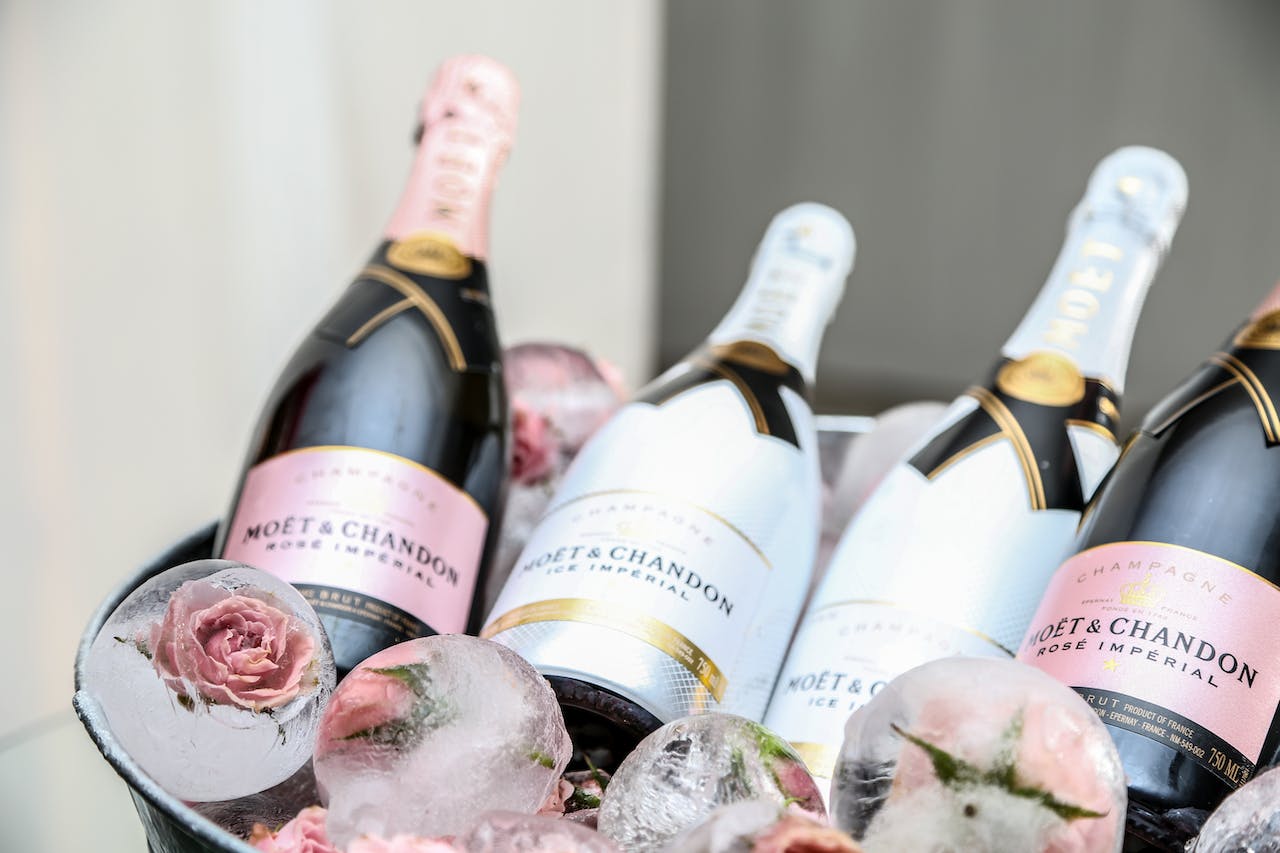
Two sparkling wines, two ways of understanding the bubble. Cava and champagne share a method but tell different stories. Here is a no-nonsense guide to what really sets them apart.
The first difference is geographical, and it is protected by law. Champagne can only be called that if it is born in the French region of Champagne, northeast of Paris, on chalky soils and under a cold climate that lends acidity and tension. Cava, on the other hand, is made mainly in Catalonia's Penedès, although its appellation also covers other areas of Spain, under a warmer, sunnier Mediterranean climate.
That contrast of soil and climate explains much of what you later find in the glass: champagne tends to show itself more nervy and sharp; cava, more approachable and fruity.
The varieties shape the style. Champagne relies on three classic grapes:
Cava plays with native grapes such as Macabeo, Xarel·lo and Parellada, which give it freshness, a herbal touch and that recognisable Mediterranean profile. More and more wineries are also adding chardonnay or pinot noir, but the traditional trio remains cava's signature.
Both share the traditional method: the second fermentation takes place inside the bottle itself, where the wine ages on its lees and develops those fine, persistent bubbles. The difference lies in the minimum ageing periods and in the later work of each house. The longer that rest, the more complexity and bakery notes appear: toasted bread, pastries, dried fruits.
Champagne plays in a higher price league, partly out of prestige and partly because of production costs. Cava offers value for money that is hard to match, with long-aged sparklers that go toe to toe with far pricier French labels.
The practical conclusion is simple: there is no universal winner, there are occasions. For a fresh aperitif or an easy toast, cava more than delivers; for a special evening when you want to play the luxury card, champagne has its place. The best thing is to taste both and decide with your own palate. If your curiosity is piqued, many sparkling-wine wineries open their doors: take a look at all the wineries and arrange a visit to see it up close.
Spain’s no.1 wine tourism portal. We bring you the wineries you can visit, their wines and their experiences so you can live wine where it is born.
 Curiosities
Cómo se hace el vino paso a paso: vendimia, fermentación, crianza en barrica y embotellado. Entiende el proceso y aprovecha mucho
 Curiosities
Explora maridajes inusuales donde la armonía culmina en lo inesperado. Descubre la sinfonía de sabores que desafían las convencion
 Curiosities
Descubre joyas ocultas en viajes vinícolas. Un viaje sensorial entre viñedos con historia, aromas de terroir y tesoros escondidos