Creado en Casa: La Maestría de Organizar una Degustación de Vinos
Descubre cómo organizar una degustación de vinos en casa como un auténtico experto. Celebra la diversidad vinícola y sumérgete en
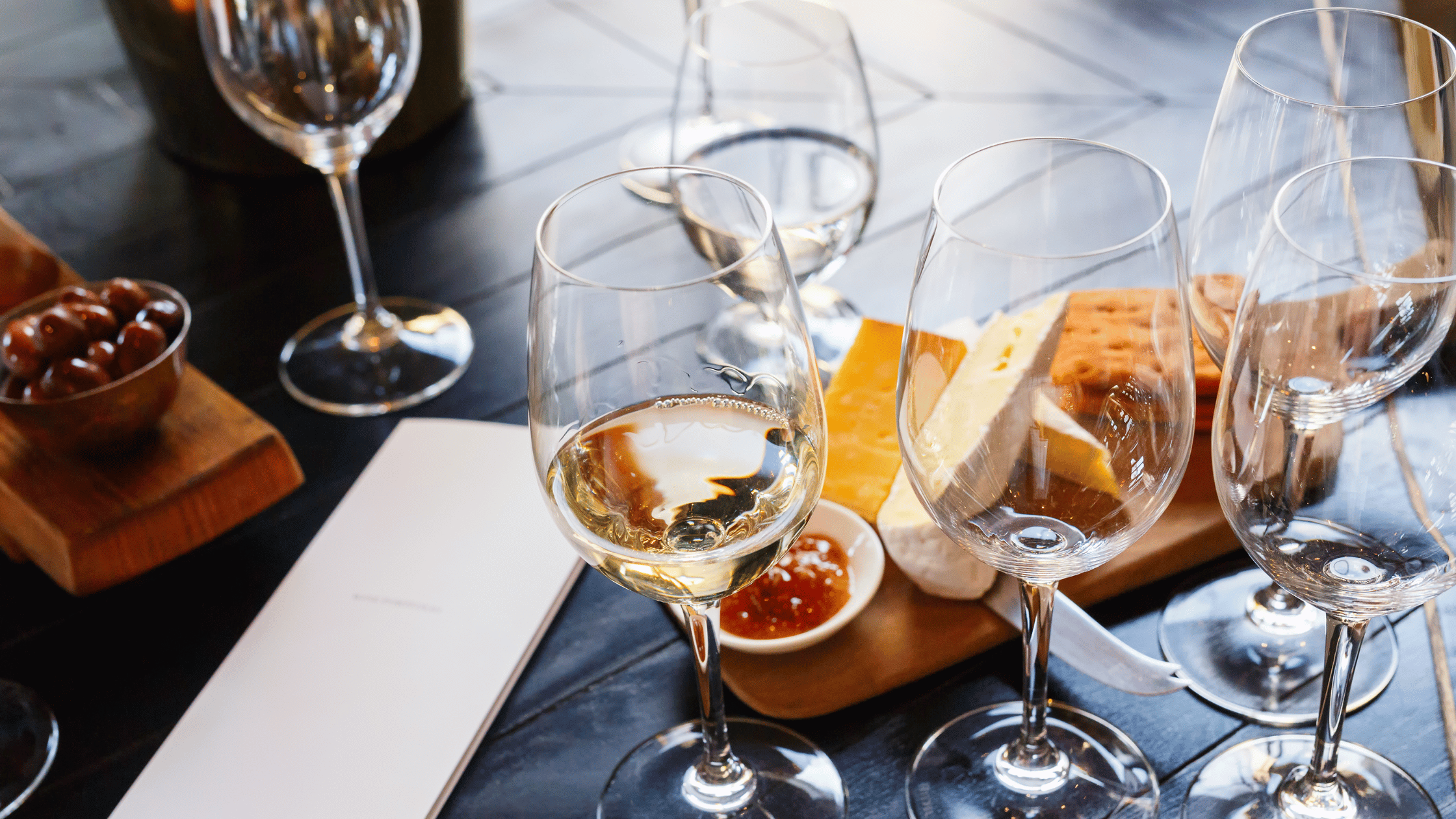
Tasting is not drinking in a hurry. It is stopping to look, smell and savour calmly. With a few keys and some practice, anyone can start reading a wine the way the professionals do.
Before pouring, mind your surroundings. You need a clean, odour-free glass, good light to appreciate the colour and, if possible, a setting free of strong perfumes or smoke that could interfere with the aromas. Pour a small amount, a little under a third of the glass, so you can swirl the wine without spilling it. And keep temperature in mind: a white that is too cold or a red that is too warm hides much of its nuance.
Tilt the glass over a white background and observe. The colour says a lot: in reds, purplish tones usually signal youth, while brick-coloured reflections point to a more evolved wine. In whites, pale yellows speak of freshness and golden hues of more ageing or age. Note too the clarity and brightness, signs of a healthy wine.
Much of the charm lies here. First smell the wine at rest, without moving it, to catch the most volatile aromas. Then swirl it gently in the glass so it oxygenates and releases new notes. Try to identify families:
You don't need to land on far-fetched names. It's enough to recognise whether the wine reminds you of something and to put it into your own words.
Take a sip and let the wine travel all over your mouth. Pay attention to four things: acidity, which brings freshness and makes your mouth water; tannins, that slightly rough sensation typical of reds; the wine's body or weight; and the balance between them all. Finally, note the finish: how long the flavour lingers once you have swallowed. The most complete wines leave a long, pleasant memory.
Tasting is trained. The more wines you try while paying attention, the finer you will hone your palate. A good way to start is to sign up for a guided tasting at a winery, where someone experienced walks you through every step. You can find visits and experiences by exploring all the wineries and choosing the one you fancy most. What matters is enjoying the journey: tasting is, above all, a way of paying attention to pleasure.
Spain’s no.1 wine tourism portal. We bring you the wineries you can visit, their wines and their experiences so you can live wine where it is born.
 Tastings
Descubre cómo organizar una degustación de vinos en casa como un auténtico experto. Celebra la diversidad vinícola y sumérgete en
 Tastings
Explora el arte del maridaje en nuestro último post. Descubre cómo elegir vinos que realcen y transformen tus platillos favoritos.
 Wineries
Las bodegas de arquitectura más espectaculares de España: Marqués de Riscal, Ysios, Portia, Protos y más, con su arquitecto y cómo