Cómo se hace el vino: del viñedo a la barrica (guía visual)
Cómo se hace el vino paso a paso: vendimia, fermentación, crianza en barrica y embotellado. Entiende el proceso y aprovecha mucho
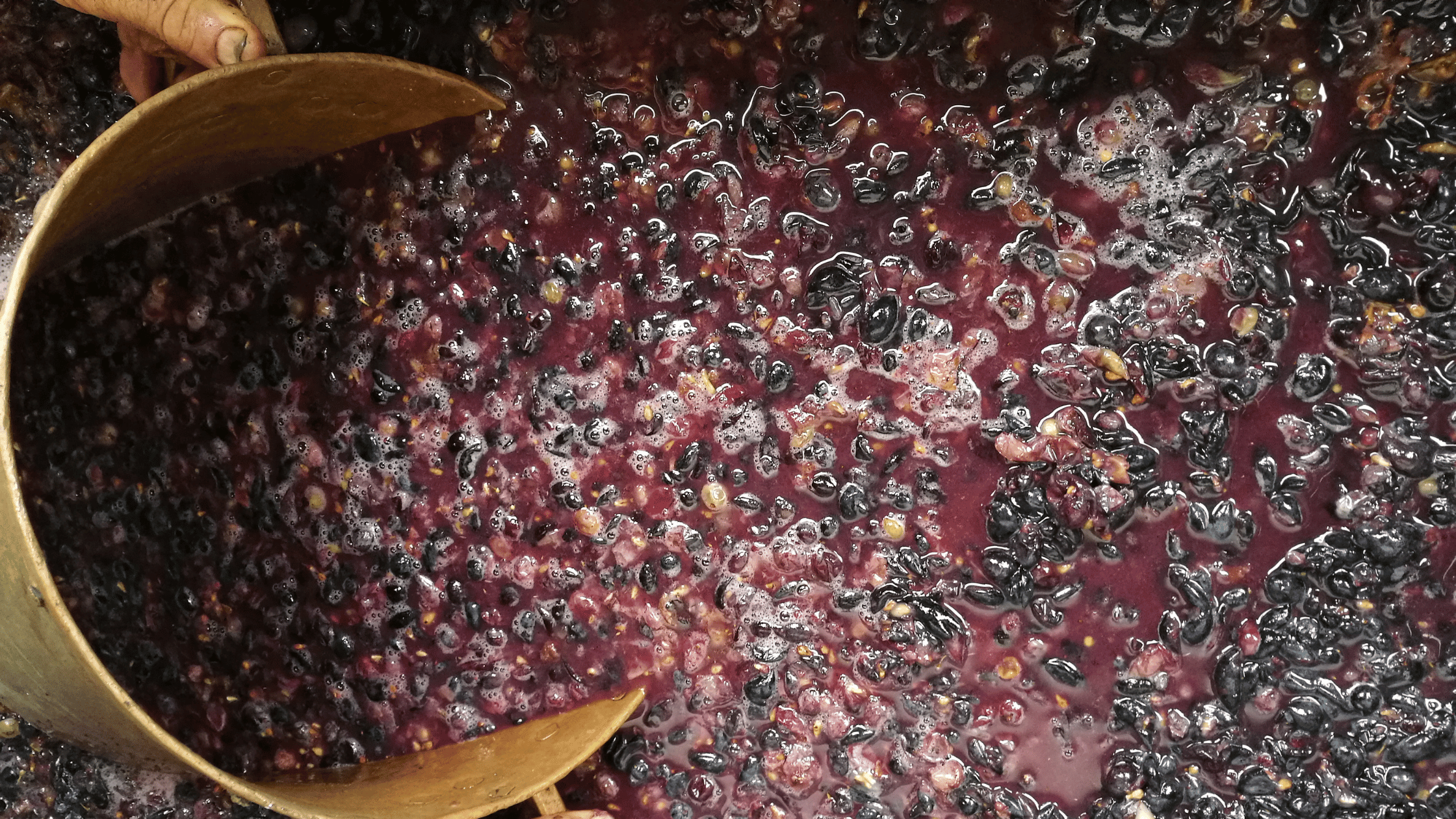
Wine is no stranger to climate change: it suffers from it in the vineyard and contributes to it through its emissions. More and more wineries are working to cut their footprint without sacrificing quality.
A winery's emissions are spread across the whole chain: working the soil, the energy used for fermentation and cooling, and above all the weight of the packaging and the transport. The glass bottle is usually the biggest culprit, followed by the miles the product travels before it reaches the table.
The work begins in the field. Cover crops between the rows fix carbon, improve the soil and reduce erosion. Cutting back on treatments, choosing varieties suited to the local climate and fine-tuning irrigation all allow production with less consumption. Organic and regenerative viticulture move in that direction.
Inside the building there's plenty of room to improve. Solar energy covers much of the consumption in many wineries, and controlling the cooling during fermentation is key, because it's one of the processes that demands the most electricity. Making use of gravity in the building's design avoids pumping the must and saves energy.
Lightening the bottle is one of the most effective measures, and one of the least visible to the consumer. Lighter glass reduces emissions both in manufacturing and in transport. Reusing bottles, using recycled glass and exploring alternative formats for everyday wine all help bring down the total impact.
If you're interested in mindful wine tourism, ask about these practices during your visit: how they manage water, where their energy comes from and what they do with the waste from the harvest. Many wineries talk about it with pride. You can start by looking for committed projects in the list of all the wineries and plan a route with a clear conscience.
Spain’s no.1 wine tourism portal. We bring you the wineries you can visit, their wines and their experiences so you can live wine where it is born.
 Curiosities
Cómo se hace el vino paso a paso: vendimia, fermentación, crianza en barrica y embotellado. Entiende el proceso y aprovecha mucho
 Curiosities
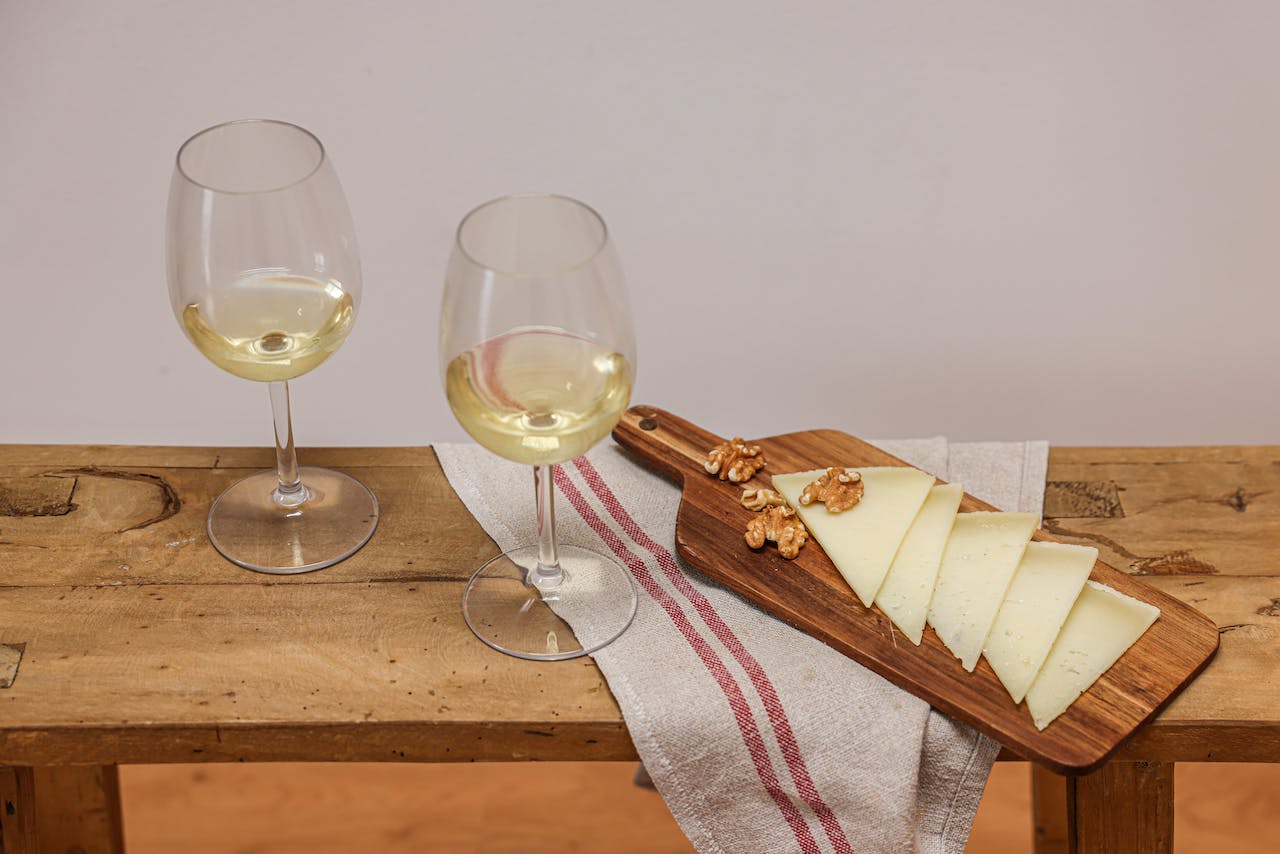
Explora maridajes inusuales donde la armonía culmina en lo inesperado. Descubre la sinfonía de sabores que desafían las convencion
 Curiosities
Descubre joyas ocultas en viajes vinícolas. Un viaje sensorial entre viñedos con historia, aromas de terroir y tesoros escondidos