¿Qué es el vino ecológico? | BLOG Enoturismo
¿Sabes lo que es el vino ecológico y por qué está en auge en nuestro país? Te lo contamos todo en nuestro Blog Enoturismo de Visit
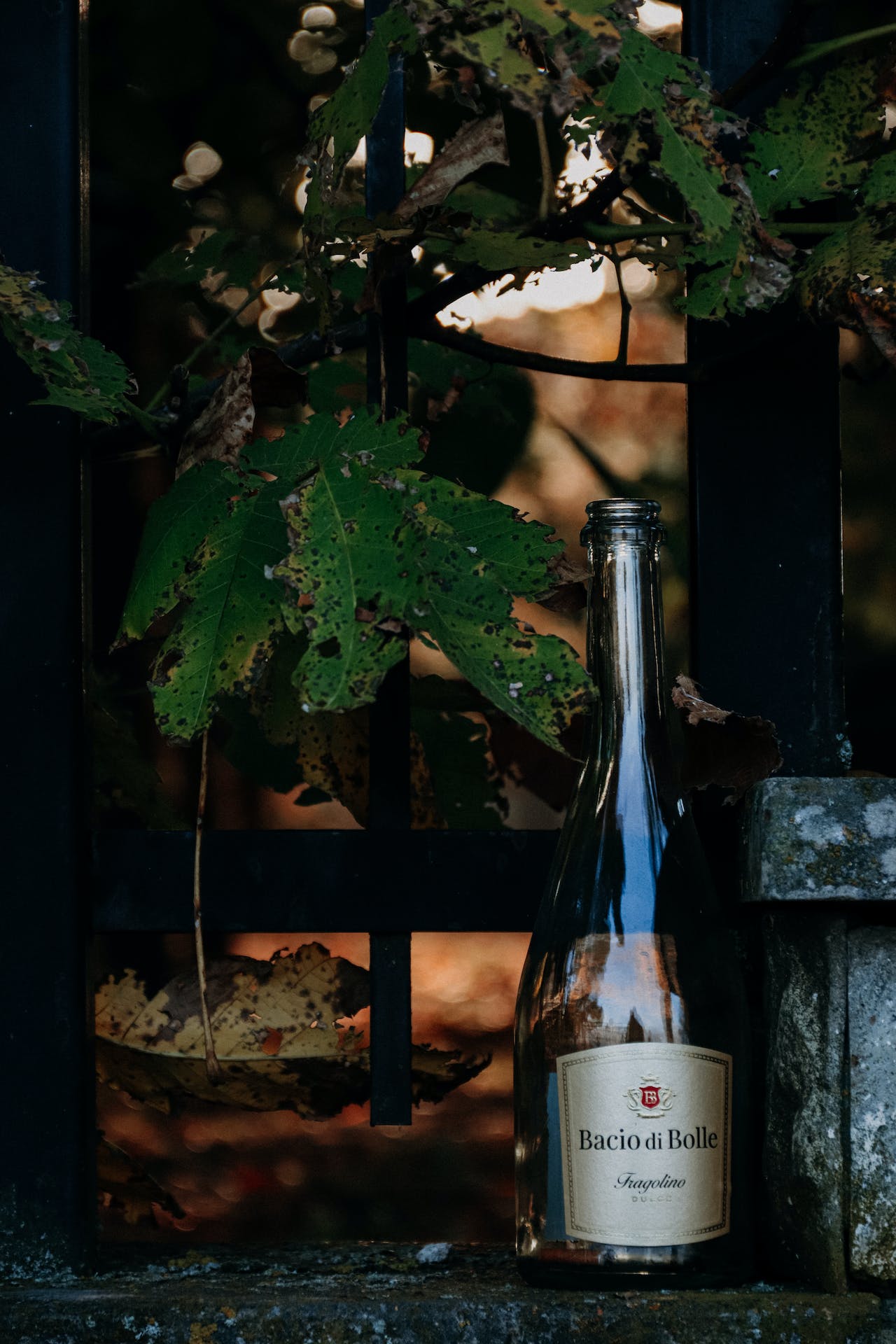
Two wines made from the same grape can taste like different worlds. The explanation fits into one French word that has become universal: terroir, the sum of what a specific place imprints on the glass.
Terroir is not just the soil. It is the combination of land, climate, altitude, the orientation of the slopes and even the hand of the grower. All of that leaves its mark on the grape before it reaches the winery. That is why the same variety planted in two different districts produces wines with their own personality: the place speaks through the glass.
Each type of terrain brings something. Limestone soils are usually linked to wines with freshness and tension; clay soils tend to give more structured reds; poor, stony ground forces the vine to work harder, and that effort shows in the concentration of the fruit. Climate completes the picture:
The wisdom of a wine region lies, in large part, in having chosen the right grape for each corner. It is no accident that certain varieties thrive in some appellations and not in others: they have been selected over generations for the way they respond to their surroundings. When the vine and the place fit together, the wine comes out naturally, without forcing.
Terroir is also lived through the calendar. From budbreak in spring to harvest in autumn, each vintage brings its own story of rain, heat and hours of sun. That is why two consecutive harvests from the same winery are never identical: the year is written into the wine. Understanding this helps you appreciate why some vintages are remembered more than others.
Recognising terroir is learned by drinking with intent and comparing regions. Try the same type of wine from two different appellations and you will see how the place emerges. To orient yourself, you can explore the designations of origin and start connecting each region with its style.
In the end, terroir is what makes wine something other than a repeatable industrial product: it is the liquid portrait of a landscape. Every sip tells you where it comes from, and that is a good part of its charm.
Spain’s no.1 wine tourism portal. We bring you the wineries you can visit, their wines and their experiences so you can live wine where it is born.
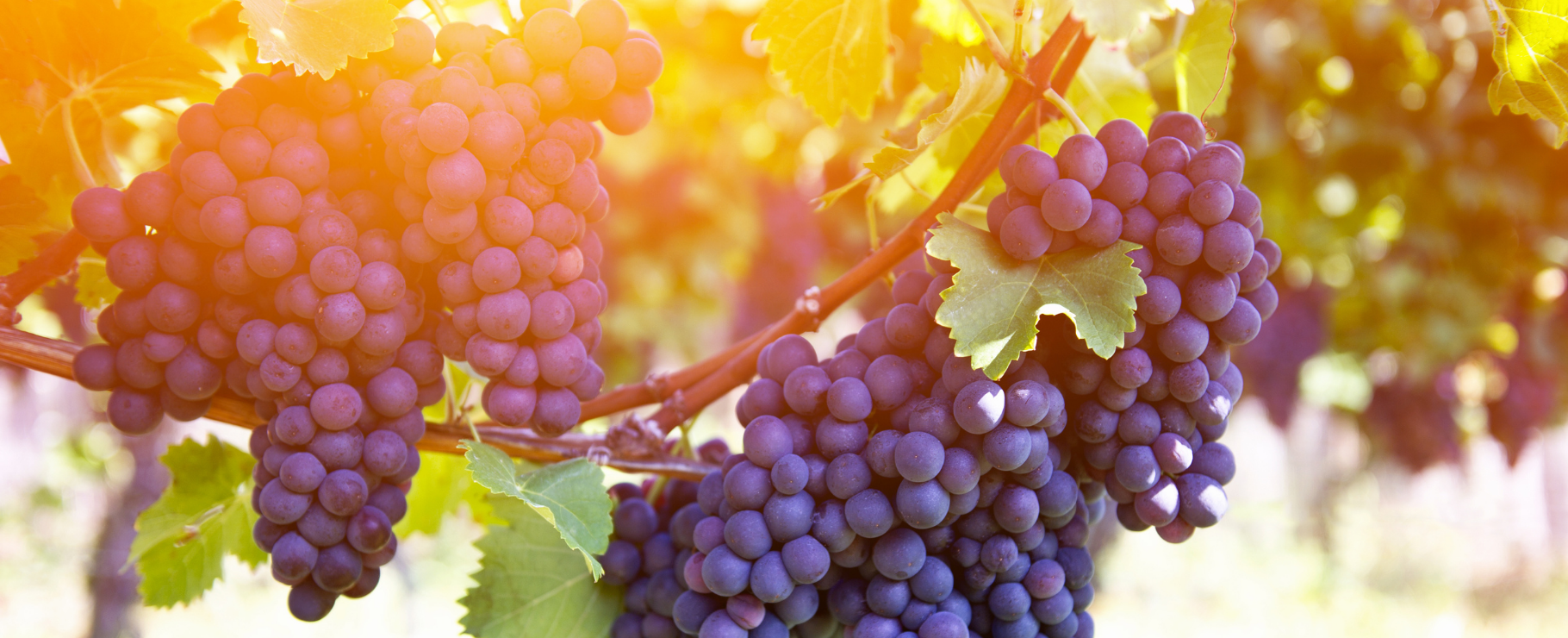 Wine & Health
¿Sabes lo que es el vino ecológico y por qué está en auge en nuestro país? Te lo contamos todo en nuestro Blog Enoturismo de Visit
 Wineries
Las bodegas de arquitectura más espectaculares de España: Marqués de Riscal, Ysios, Portia, Protos y más, con su arquitecto y cómo
NewsMujeres que están cambiando el vino en España: enólogas y propietarias al frente de bodegas con historia, y cómo visitarlas para c