El Alma del Vino: Desentrañando el Impacto del Terroir en Cada Sorbo
Sumérgete en el fascinante mundo del terroir y descubre cómo cada copa de vino lleva consigo la esencia única de la tierra. Una hi
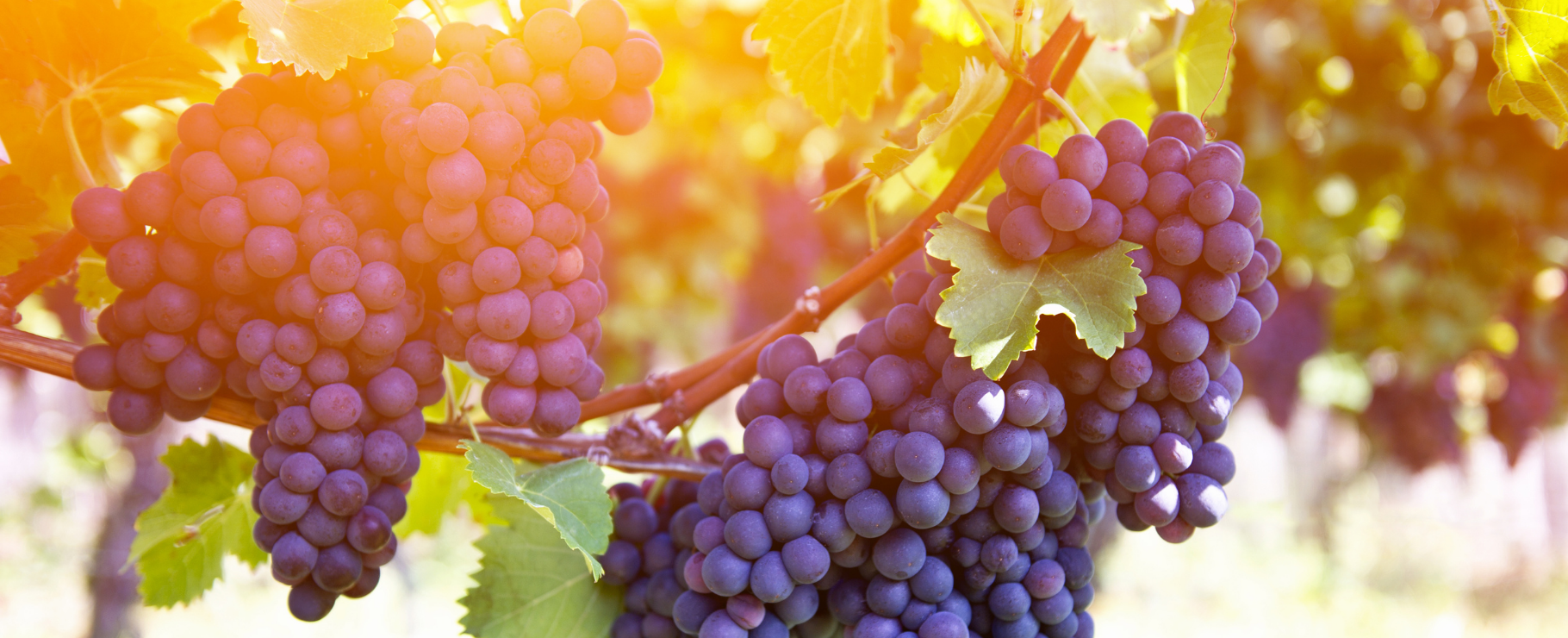
Organic wine has stopped being a rarity to earn a place on menus and in benchmark wineries. But what does that label really mean and how does it differ from a conventional wine?
Wine is called organic when it is made with practices as respectful of the environment as possible, both in the vineyard and in the winery. The underlying idea is simple: to care for the soil, the surroundings and the plant by giving up synthetic chemical products and opting for natural methods of growing and winemaking.
It is not a fad or a mere marketing strategy. Behind it there is an official certification, regulated in the European Union, that wineries must obtain through accredited control bodies.
The difference begins long before the harvest. In organic farming, synthetic herbicides and fertilisers are dispensed with, and alternatives are used such as:
The aim is a balanced vineyard, able to defend itself, with grapes that reflect their place of origin without aggressive interventions.
Organic regulations do not stop in the field. They also limit certain practices and additives in winemaking, among them the amount of sulphites allowed, usually lower than in a conventional wine. The result aims to be a more natural wine, although it is best not to confuse organic with sulphite-free: almost all contain some, because the process itself generates them.
Here caution is in order. An organic wine is not automatically better or healthier than a well-made conventional one; it is still wine and its consumption should be moderate. What it does bring is a more sustainable way of producing and, often, a more faithful expression of the terroir. The final quality depends, as always, on the winemaker's work.
More and more Spanish wineries are switching to organic, some out of conviction and others because of market demand. The dry, sunny climate of much of the peninsula makes this type of cultivation easier, which has made Spain one of the countries with the most organic vineyard area.
The best way to understand what this approach brings is to visit an organic winery, walk among its vines and see how it translates into the glass. If you are interested, look for options in our winery directory and ask about those that work with organic certification. Respect for the environment can also be tasted when you drink.
Spain’s no.1 wine tourism portal. We bring you the wineries you can visit, their wines and their experiences so you can live wine where it is born.
 Wine & Health
Sumérgete en el fascinante mundo del terroir y descubre cómo cada copa de vino lleva consigo la esencia única de la tierra. Una hi
 Wineries
Las bodegas de arquitectura más espectaculares de España: Marqués de Riscal, Ysios, Portia, Protos y más, con su arquitecto y cómo
NewsMujeres que están cambiando el vino en España: enólogas y propietarias al frente de bodegas con historia, y cómo visitarlas para c