Cómo se hace el vino: del viñedo a la barrica (guía visual)
Cómo se hace el vino paso a paso: vendimia, fermentación, crianza en barrica y embotellado. Entiende el proceso y aprovecha mucho
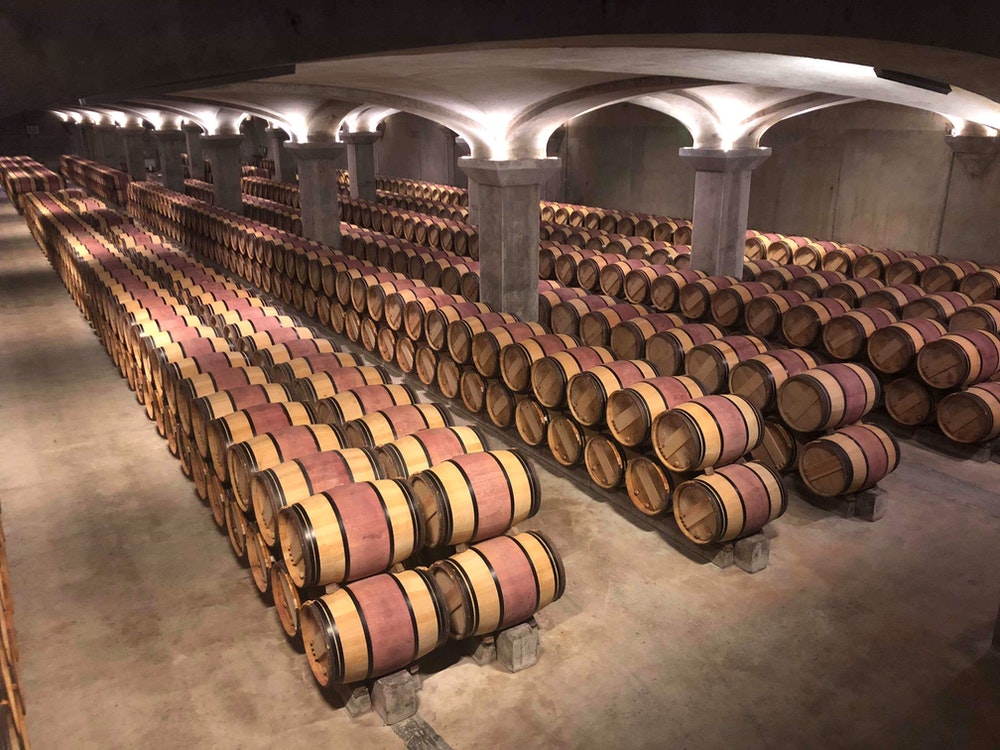
The oak barrel is not just a container: it is an ageing tool that adds nuance, rounds out tannins and shapes the character of many great wines. Its history explains much of the way we drink today.
Long before wood took over, wine travelled and rested in clay vessels. Amphorae made it possible to ship it across the Mediterranean and to store it in the great cities of the Greeks and Romans, who in turn inherited a tradition dating back to Egypt and Mesopotamia. Clay was practical, but heavy, fragile and hard to handle in large volumes.
That was the starting point. As the wine trade grew, a sturdier and more manageable vessel was needed, one that could roll, be stacked and withstand long journeys without breaking at the first knock.
The stave barrel, as we know it today, became popular across central and western Europe for very practical reasons. Curved wood made it possible to build watertight vessels that were light relative to their capacity and easy to move: a barrel rolls, a clay jar does not. Over time, winemakers discovered something clay could not offer: wood breathes and gives back.
Not all oak gives the same thing. French oak is usually associated with finer, spicier nuances, releasing tannin more discreetly; American oak tends to give sweeter, more recognisable notes, with hints that many tasters describe as vanilla or coconut. One choice is neither better nor worse: it depends on the style each winery is after and the grape variety it works with.
The toasting of the wood, the size of the barrel and its age also play a part. A new barrel leaves a strong mark; one that has already held several wines mainly provides oxygenation and barely imparts aroma. That is why wineries manage their barrel stock as a living resource, renewing it in batches.
During ageing, wine and wood engage in a slow dialogue. Tannins are polished, the primary fruit aromas intertwine with those brought by the oak, and the texture gains volume on the palate. It is a matter of patience: we are talking about months, and in wines for keeping, years. That is why terms such as crianza, reserva or gran reserva are tied, among other things, to the time the wine spends in barrel.
Understanding the barrel changes the way you taste. When you notice that toasted, spicy or balsamic background, you are recognising the imprint of the wood and the winemaker's work. The best way to see it is first-hand: on a winery visit with a tasting, the role of oak is usually explained and wines with different ageing are compared. If your curiosity is piqued, take a look at the wineries you can visit and ask for it: few experiences teach you as much about wine as going down to a barrel room.
Spain’s no.1 wine tourism portal. We bring you the wineries you can visit, their wines and their experiences so you can live wine where it is born.
 Curiosities
Cómo se hace el vino paso a paso: vendimia, fermentación, crianza en barrica y embotellado. Entiende el proceso y aprovecha mucho
 Curiosities
Explora maridajes inusuales donde la armonía culmina en lo inesperado. Descubre la sinfonía de sabores que desafían las convencion
 Curiosities
Descubre joyas ocultas en viajes vinícolas. Un viaje sensorial entre viñedos con historia, aromas de terroir y tesoros escondidos