Cómo se hace el vino: del viñedo a la barrica (guía visual)
Cómo se hace el vino paso a paso: vendimia, fermentación, crianza en barrica y embotellado. Entiende el proceso y aprovecha mucho
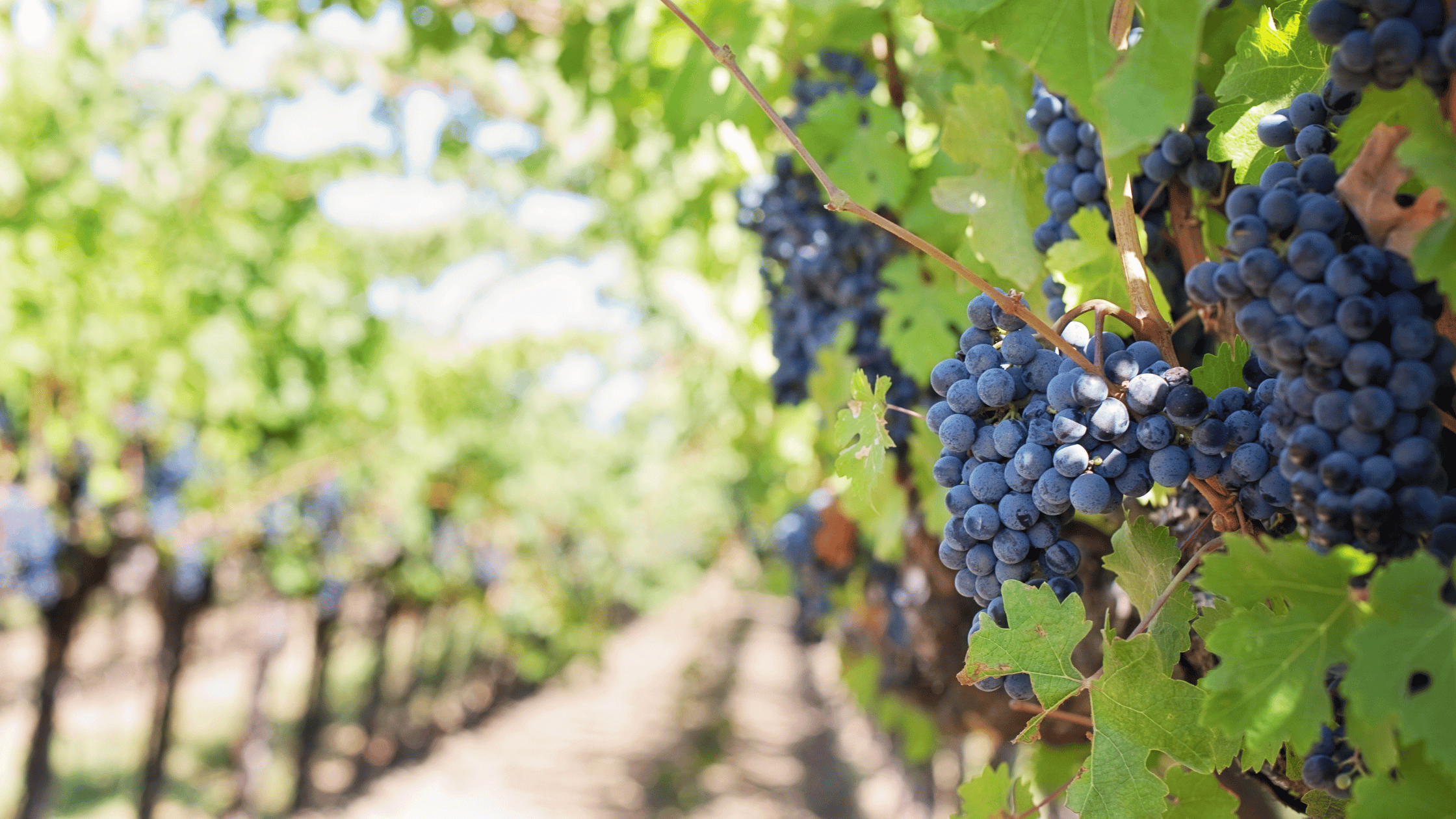
Behind every wine there is a grape with its own character. Getting to know the most common varieties is the most direct way to understand why you like some wines more than others.
It is the most planted red variety in our country and the star of regions such as Rioja and Ribera del Duero. It gives deeply coloured wines, with aromas of ripe red fruit and a tannin that is present yet gentle. It handles barrel ageing very well, which is why many of our great reservas are born from it. It is a rewarding red, both for the beginner and for the seasoned enthusiast.
Garnacha is grown from Aragón to Catalonia and Navarra, giving generous wines with ripe fruit, spicy notes and a very recognisable warmth. It is used to make full-bodied reds, but also fresh, flavourful rosés. In old vines it reaches an elegance that has restored this variety to the place it deserves.
Among the whites it is worth distinguishing two very different profiles:
From Galicia's Rías Baixas, albariño offers vibrant whites, with marked acidity, citrus and floral aromas and that saline sensation that recalls the sea. It pairs wonderfully with shellfish and fish, and is one of the Spanish varieties with the greatest international potential.
No variety tastes the same everywhere. The climate, the soil and the grower's hand shape the final result, so the best way to learn is to taste the same grape in different regions. Pay attention to the colour, bring your nose close without rushing and notice how the wine evolves on the palate.
If you want to move from theory to the glass, there is nothing like booking a visit and tasting them at source. Take a look at the denominations of origin and choose the one that sparks your curiosity: each is a gateway to a grape and a landscape.
Spain’s no.1 wine tourism portal. We bring you the wineries you can visit, their wines and their experiences so you can live wine where it is born.
 Curiosities
Cómo se hace el vino paso a paso: vendimia, fermentación, crianza en barrica y embotellado. Entiende el proceso y aprovecha mucho
 Curiosities
Explora maridajes inusuales donde la armonía culmina en lo inesperado. Descubre la sinfonía de sabores que desafían las convencion
 Curiosities
Descubre joyas ocultas en viajes vinícolas. Un viaje sensorial entre viñedos con historia, aromas de terroir y tesoros escondidos