Cómo se hace el vino: del viñedo a la barrica (guía visual)
Cómo se hace el vino paso a paso: vendimia, fermentación, crianza en barrica y embotellado. Entiende el proceso y aprovecha mucho
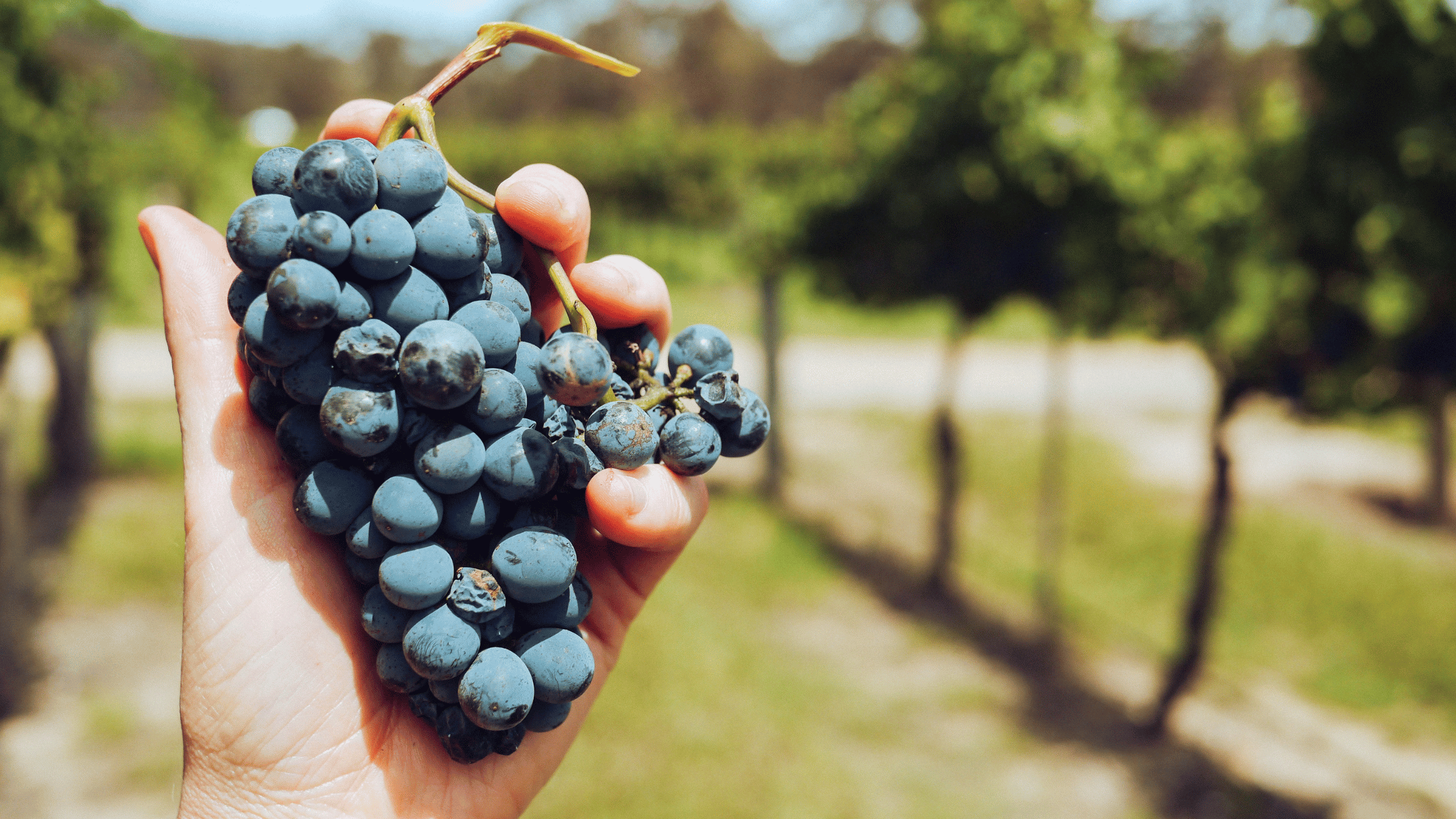
Tempranillo, Cabernet, Garnacha, Chardonnay… Behind the varieties that fill our glasses lie thousands of years of journeys, trade and patience. Knowing their history changes the way you taste.
The cultivated vine, Vitis vinifera, was not born in Europe. The oldest signs point to the Caucasus region and the Near East, from where cultivation gradually spread throughout the Mediterranean. Peoples such as the Phoenicians and Greeks spread the vine along their trade routes, and with it came growing and winemaking techniques that took root on every coast where they landed.
It was Rome that turned wine into a mass-consumed, organised product. The Romans planted vineyards across much of their empire, from the Iberian Peninsula to the Rhine, and systematised practices we still recognise: pruning, soil selection, different styles according to the area. Many of today's European wine regions have their roots in that map.
During the Middle Ages, the monasteries took over. The monks grew vines for worship and for their sustenance, and in that meticulous work they began to notice differences between plots: which soil gave better fruit, which slope ripened earlier, which grape behaved best in each spot. That patient observation was the seed of the idea of terroir that today underpins the concept of Denomination of Origin.
Over time, a few varieties won the favour of winemakers and consumers. Each carries its origin written into its character:
That the same grape tastes different in each place is not a flaw: it is proof that wine tells the story of where it is born.
No review of European vines is complete without phylloxera, the insect that at the end of the 19th century devastated the continent's vineyards. The solution came by grafting European varieties onto American rootstock, resistant to the pest. Much of the vineyard we see today was born of that reconstruction, a reminder of how fragile this heritage also is.
Knowing where a variety comes from makes tasting richer: you understand why a high-altitude Tempranillo differs from a valley one, or why an old Garnacha stirs the emotions. The best way to see it is in the vineyard. If your curiosity is piqued, plan a visit through our winery directory and ask about the native varieties of each area. History is better understood with a glass in front of you.
Spain’s no.1 wine tourism portal. We bring you the wineries you can visit, their wines and their experiences so you can live wine where it is born.
 Curiosities
Cómo se hace el vino paso a paso: vendimia, fermentación, crianza en barrica y embotellado. Entiende el proceso y aprovecha mucho
 Curiosities
Explora maridajes inusuales donde la armonía culmina en lo inesperado. Descubre la sinfonía de sabores que desafían las convencion
 Curiosities
Descubre joyas ocultas en viajes vinícolas. Un viaje sensorial entre viñedos con historia, aromas de terroir y tesoros escondidos