Cómo se hace el vino: del viñedo a la barrica (guía visual)
Cómo se hace el vino paso a paso: vendimia, fermentación, crianza en barrica y embotellado. Entiende el proceso y aprovecha mucho
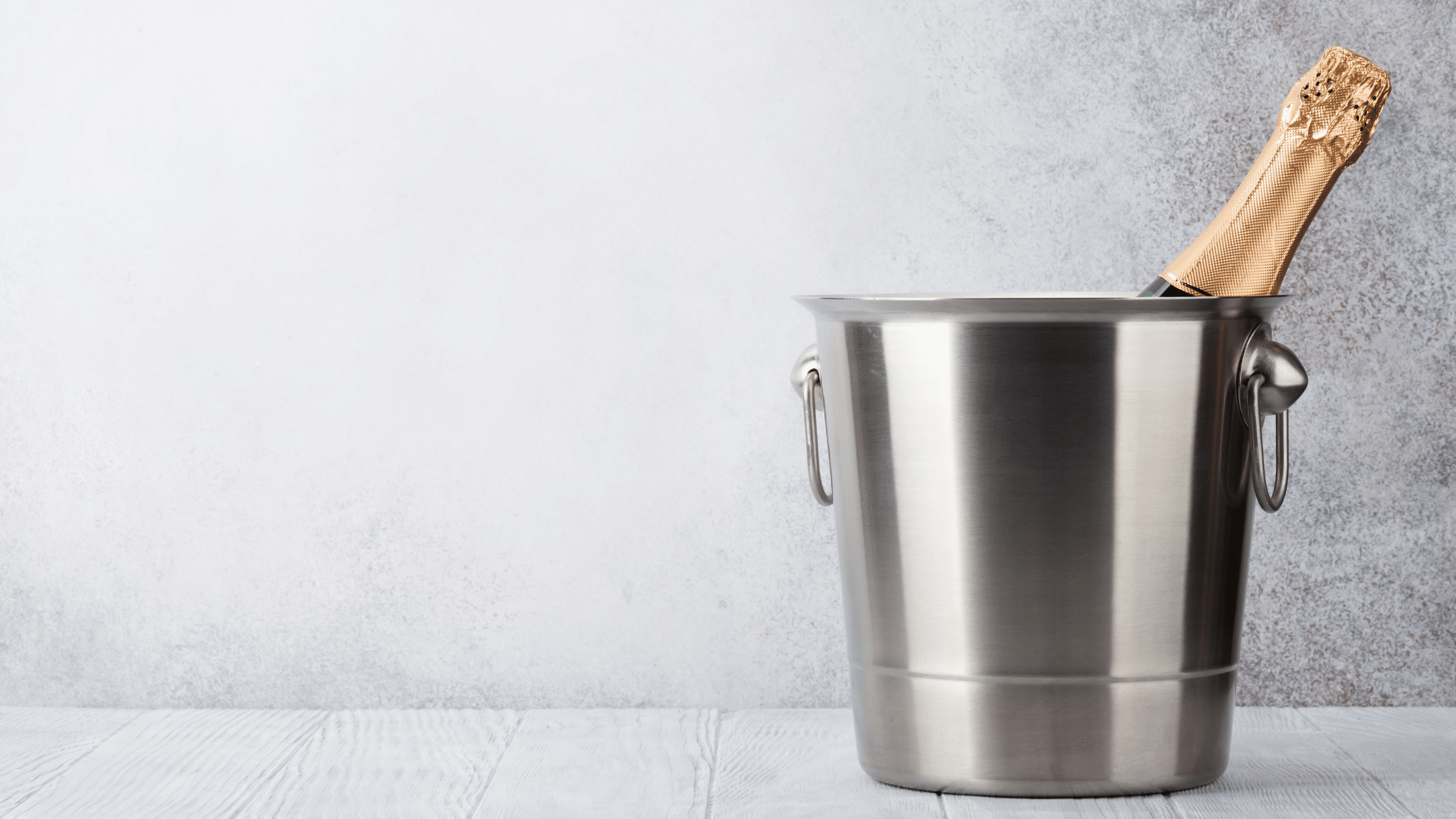
Brut nature, brut, dry, semi-dry… The cava label hides a scale that many overlook and that changes everything in the glass: sugar. We explain what a brut nature is and how to find your way among the different types.
Cava is a sparkling wine made mainly in Catalonia, although its production area also covers other regions of Spain. Its hallmark is the traditional method: the second fermentation takes place inside the bottle itself, and from there come those fine, persistent bubbles. It is protected by a Protected Denomination of Origin that regulates varieties, ageing and quality.
Classic cava relies on three native white varieties, each with its own role:
To this trio are added other varieties such as Chardonnay or, in the rosés, reds like Garnacha, Monastrell, Trepat or Pinot Noir. The combination defines much of each house's style.
After the second fermentation, the cava is disgorged and receives the so-called expedition liqueur, which adjusts its final sweetness. According to the amount of residual sugar it is classified on a scale that runs from the driest to the sweetest:
Brut nature shows the wine naked: with no sugar to soften it, any flaw shows, but so does all the finesse. That is why it has become the choice of those seeking authenticity.
There is no cava better than another; there is a cava for every occasion. A brut nature or extra brut shines as an aperitif and with seafood, thanks to its clean acidity. A brut goes with almost any meal. The semi-dry and sweet styles fit better with desserts or pastries. Pay attention too to the ageing: the longer on its lees, the more complexity and bakery notes.
Understanding the label is only the beginning. The best way to appreciate a good sparkling wine is to visit a winery, go down to the cellars where the bottles rest and taste on the ground. If you fancy taking the step, check our winery directory and look for those that offer a visit to their ageing cellars. Uncorking with knowledge tastes different.
Spain’s no.1 wine tourism portal. We bring you the wineries you can visit, their wines and their experiences so you can live wine where it is born.
 Curiosities
Cómo se hace el vino paso a paso: vendimia, fermentación, crianza en barrica y embotellado. Entiende el proceso y aprovecha mucho
 Curiosities
Explora maridajes inusuales donde la armonía culmina en lo inesperado. Descubre la sinfonía de sabores que desafían las convencion
 Curiosities
Descubre joyas ocultas en viajes vinícolas. Un viaje sensorial entre viñedos con historia, aromas de terroir y tesoros escondidos