Discover all the experiences, the best spots and the widest wine tourism offer in Castellón on Visitar Bodegas. Find out more!
Especially at weekends and during the harvest, spots fly. Secure your visit by booking online.
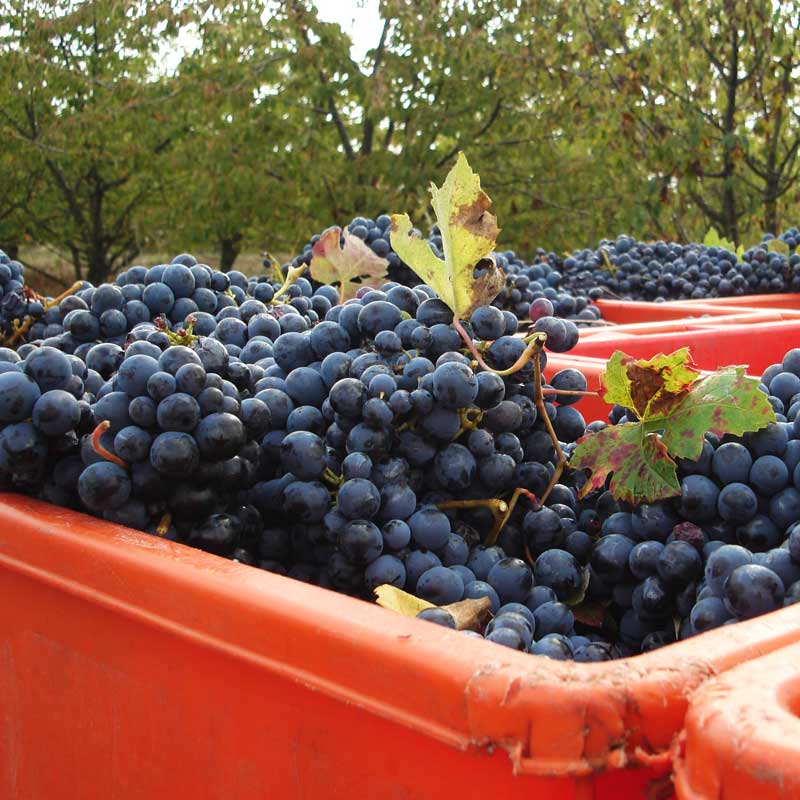
Spring and autumn show off the vineyard; the harvest, around September, is the most special, with tastings and activities among the vines.
Check opening hours, languages and whether the visit includes a tasting before setting off.
Combine the winery with the food and the villages of Castellón to round off the day.
If you drive after the tasting, do so in moderation or designate a driver.
Esta IGP está situada en la comunidad autónoma valenciana e incluye a las bodegas de tres comarcas de la provincia de Castellón. Zona de gran cultura enológica devastada por la filoxera en principio del siglo XX pero que ha resurgido con grandes vinos y arriesgados proyectos. Una buena apuesta para dinamizar una zona apostando por distintos tipos de uva.
Toda la IGP está situada en la provincia de Castellón. Y se divide en 3 comarcas:
Comarca vitícola Alto Palancia-Alto Mijares: Altura, Almedíjar, Arañuel, Azuébar, Castillo de Villamalefa, Caudiel, Chovar, Cortes de Arenoso, Jérica, Ludiente, Montán, Segorbe, Soneja, Puebla de Arenoso, Viver, Zucaina.
Comarca vitícola Sant Mateu: Albocàsser, Atzeneta del Maestrat, Benasal, Canet lo Roig, Catí, Cervera del Maestre, Chert, Coves de Vinromá, Culla, La Jana, La Salsadella, Sant Mateu, San Rafael del Rio, Rosell, Tirig, Traiguera, Alcalá de Xivert.
Comarca vitícola Useres-Vilafamés: Benlloch, Cabanes, Les Useres, Sierra Engarcerán, Vall d´Alba, Vilafamés, Vilanova d´Alcolea.
I.G.P. Castello✓ Bookable
I.G.P. Castello✓ BookableDel moscatel dulce a tintos mediterráneos. Uvas: moscatel, merseguera y bobal.
See the D.O. Valencia →To explore the vineyards of the Castellón interior it is best to base yourself in the Maestrazgo, where walled Morella and villages such as Sant Mateu or Culla offer stone rural houses and charming hotels among the mountains. The Alto Palancia, at the foot of the Sierra de Espadán, is another quiet, well-connected option.
Those who prefer the sea can stay on the Costa del Azahar, in Peñíscola or Benicàssim, and reach the wineries of the I.G.P. Castelló on short outings. The province combines Mediterranean-front apartments with mountain lodgings to suit every pace.
Castellón cuisine looks to both the countryside and the coast. From the interior come the olla de la Plana, the cured meats of the Maestrazgo and the prized Morella black truffle; from the coast, the Vinaròs langoustines, suquet and arròs a banda. The Benicarló artichokes and the Plana clementines round out the pantry.
The wines of the I.G.P. Castelló pair well with this variety: Garnacha and Tempranillo reds for the mountain stews and fresh whites for the fish. A local tasting is a good way to understand the area's wine tourism.
Beyond wine, Castellón invites you to walk. The Penyagolosa Natural Park, with its Sant Joan hermitage, and the Sierra de Espadán, cloaked in cork oaks, offer trails for all levels. On the coast, the Desierto de las Palmas looks out over the Mediterranean blue.
The villages add their charm: Peñíscola and its Papa Luna castle, Vilafamés with its reddish stone houses or Morella crowning its hill. Between vineyards there is room for markets, fairs and discreet coves of the Costa del Azahar.
Castellón's heritage is read in stone. Morella preserves medieval walls and a Gothic basilica, while Sant Mateu recalls its historic role in the Maestrazgo and Peñíscola keeps the memory of the Avignon schism in its Templar fortress.
The wine tradition intertwines with hermitages, masías and old presses scattered across the interior. The Museum of Fine Arts of Castellón and the Levantine rock art of the Alt Maestrat, a World Heritage Site, complete an itinerary that runs from prehistory to Valencian Gothic.
The open air has its own place in Castellón. Beside Penyagolosa and in the Sierra de Espadán there are areas and campsites among pinewoods ideal for travelling by motorhome, with trails linking springs, masías and interior viewpoints.
On the coast, the Costa del Azahar gathers seaside campsites in Oropesa, Benicàssim or Alcossebre, with direct access to the beach and to the Prat de Cabanes. It makes a comfortable starting point for alternating swims, vineyards and tasting days without giving up sleeping under the stars.
Castellón de la Plana has a local steppe climate, with little rainfall throughout the year. This climate is classified as BSk under the Köppen-Geiger system. The average temperature is 17.0 °C, with around 406 mm of rainfall.
The driest month is July, with 10 mm. The highest rainfall occurs in October, averaging 59 mm.
The warmest month of the year is August, averaging 25.1 °C. The lowest average temperatures occur in January, at around 10.1 °C.
The difference in rainfall between the driest and rainiest month is 49 mm. Temperatures vary by 15.0 °C over the year.
The highest relative humidity is recorded in October (72.16%); the lowest in February (65.15%).
October (6.77 days) has the most rainy days per month on average. The fewest rainy days are recorded in July (1.70 days).
Choose your winery, book your visit and experience wine where it is born.
View wineries →