Discover all the experiences, the best spots and the widest wine tourism offer in Córdoba on Visitar Bodegas. Find out more!
Especially at weekends and during the harvest, spots fly. Secure your visit by booking online.
Spring and autumn show off the vineyard; the harvest, around September, is the most special, with tastings and activities among the vines.
Check opening hours, languages and whether the visit includes a tasting before setting off.
Combine the winery with the food and the villages of Córdoba to round off the day.
If you drive after the tasting, do so in moderation or designate a driver.
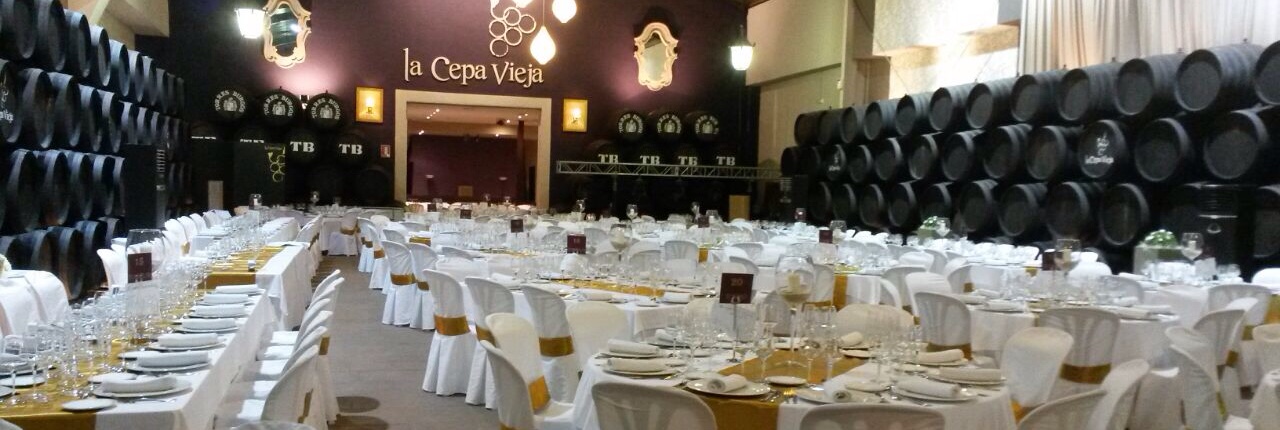
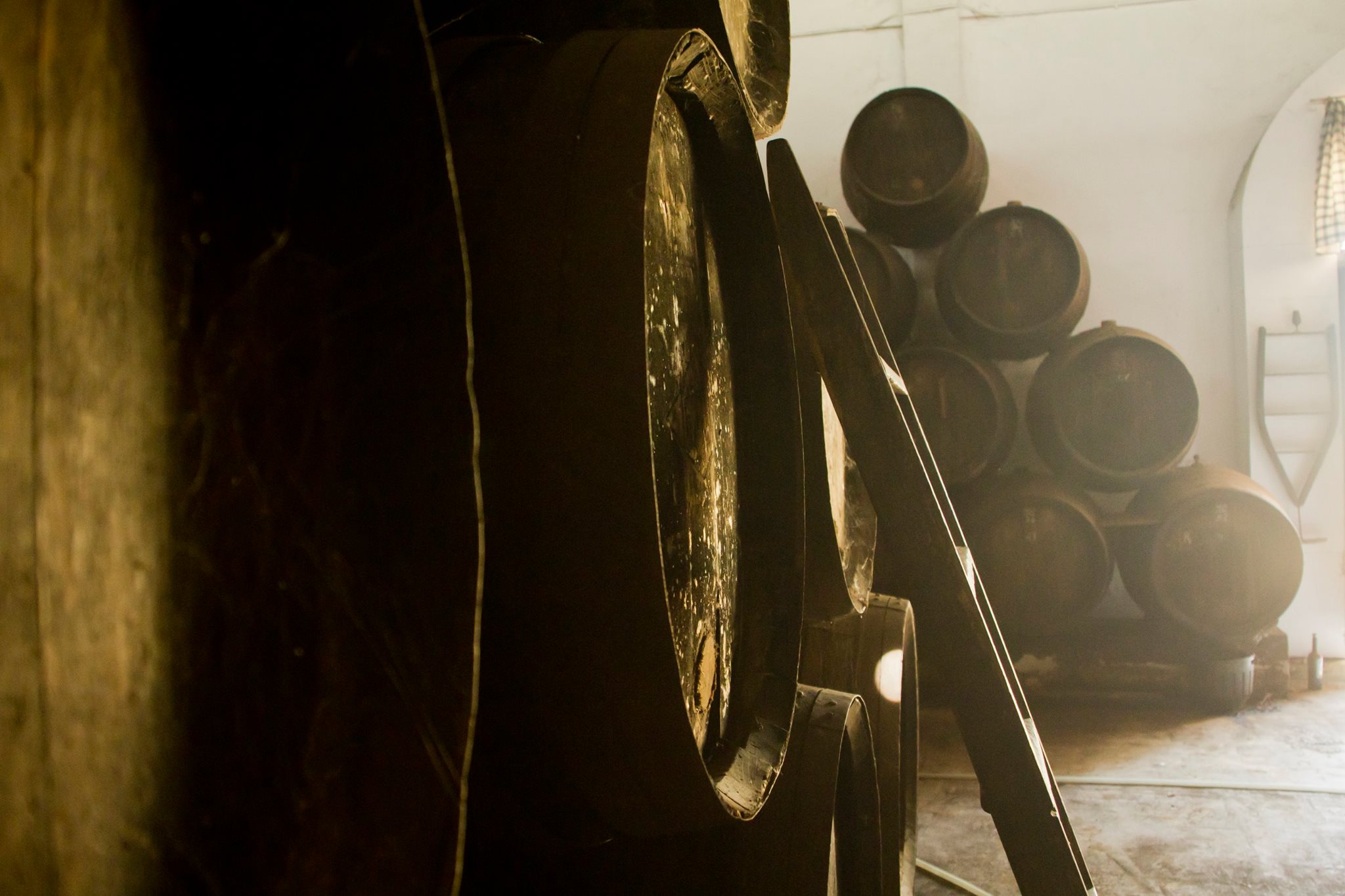
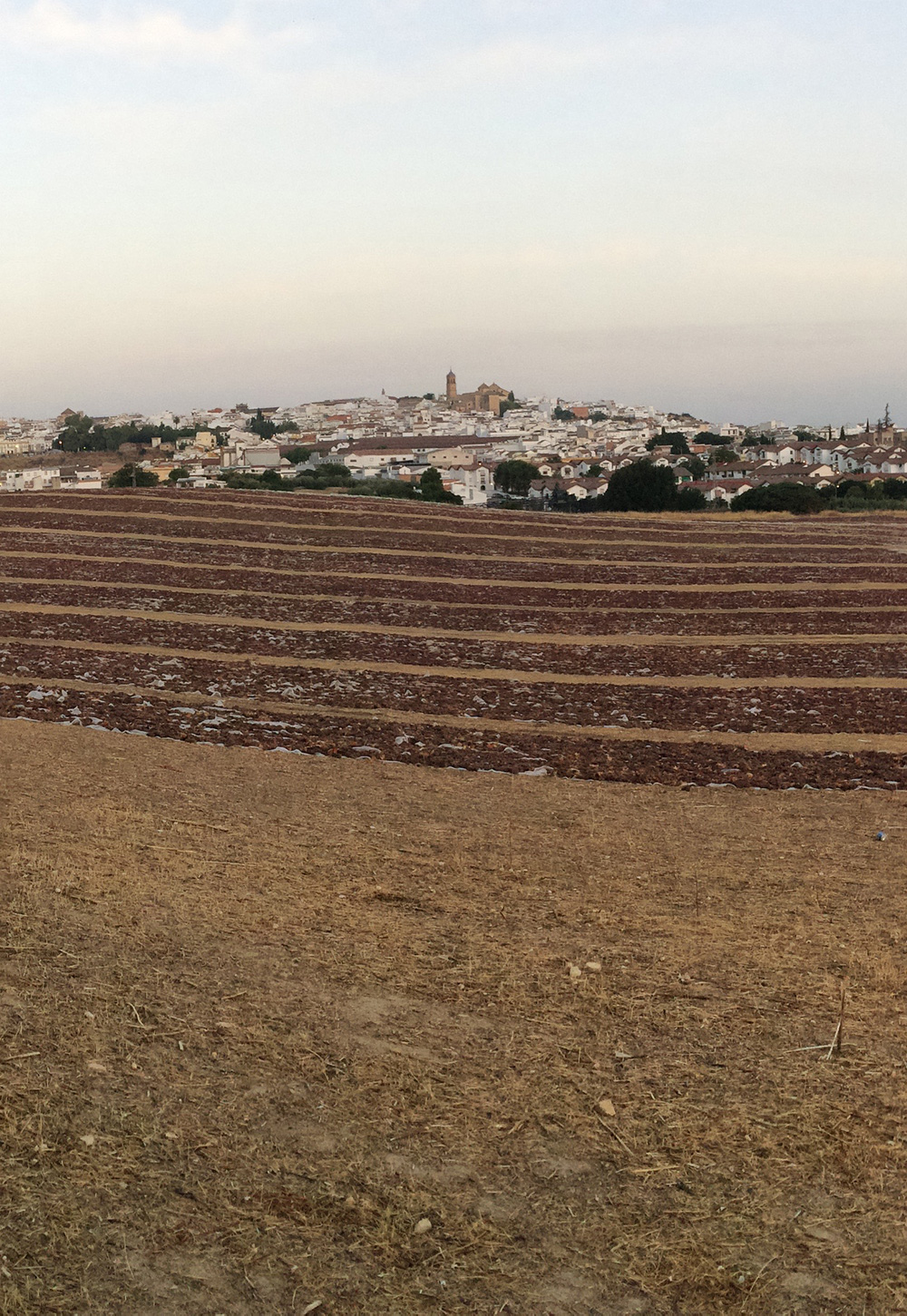
Wine is the clearest example of the perfect blend of tradition and quality in Córdoba cuisine. There are different types of ageing and, in biological ageing, the wine matures under the “flor veil” in oak vessels. In oxidative ageing, the wine matures in wooden vessels, mainly as a result of natural physical-chemical oxidation reactions, either through the criaderas and solera system or through vintages. No other ageing process in the world resembles biological ageing; its creation and use are the exclusive heritage of Andalusia. Montilla-Moriles Appellation of Origin: it extends across the whole south of the province of Córdoba, growing different grape varieties, notably Airén, Moscatel, Pedro Ximénez, Torrontés and Baladí, a wide range of flavours and aromas that invite tasting. They enjoy international fame and are a fundamental part of Córdoba cuisine.
V.T. De Cordoba✓ Bookable
D.O. Montilla Moriles✓ Bookable
D.O. Montilla Moriles✓ BookableGenerosos criados en soleras: fino, amontillado, oloroso y PX. Uvas: palomino y pedro ximénez.
See the D.O. Jerez Xeres Sherry →Montilla and Aguilar de la Frontera are the natural base for discovering the D.O. Montilla-Moriles, with rural houses and former presses turned into lodgings among olive groves and Pedro Ximénez vines. The city of Córdoba, a step away, offers hotels with a patio in the heart of the Jewish Quarter.
To the south, the Sierra Subbética invites you to sleep in white villages such as Zuheros or Priego de Córdoba, while the Los Pedroches valley, a land of dehesa and ham, keeps quiet rural houses. The province makes it easy to alternate monumental city and wine country.
The Córdoba table is bold and flavourful. Thick salmorejo, flamenquín, oxtail and aubergines with cane honey sit alongside the Iberian ham of Los Pedroches and the olive oil of Baena and Priego, both with their own designation.
The wines of Montilla-Moriles are their best company: a dry fino with the aperitif, an amontillado with cured cheeses and an unctuous Pedro Ximénez over dessert. Visiting a winery and tasting these fortified wines helps you understand the soul of Córdoba wine.
Córdoba offers far more than tastings. The Sierras Subbéticas Natural Park, with its geopark and its viewpoints over the Iznájar reservoir, offers hiking and whitewashed villages such as Zuheros, with its Bat Cave. Los Pedroches unfolds endless dehesas towards the Sierra Morena.
In the capital, the Mosque-Cathedral, the flowered patios and the Roman bridge over the Guadalquivir are must-sees. The Montilla-Moriles Wine Route links presses, oil mills and inns where time seems to stand still.
Few places condense as much history as Córdoba. The Mosque-Cathedral and the caliphal site of Medina Azahara, both World Heritage Sites, speak of its Andalusi splendour, while the Jewish Quarter and the Synagogue preserve the Sephardic memory.
Wine culture has roots here going back centuries: the Montilla cellars keep clay tinajas and criaderas where wine ages under a veil of flor. Oil museums, traditional presses and the architecture of the cortijos complete a heritage that unites faith, countryside and fine drinking.
The south of Córdoba is ideal for the open air. Around the Iznájar reservoir, nicknamed the lake of Andalusia, there are campsites and motorhome areas with inland beaches, water sports and views of the Subbéticas.
The pinewoods and sierras of Cardeña-Montoro and Hornachuelos, deep in the Sierra Morena, offer dehesa settings to camp among holm oaks and watch wildlife. Travelling by motorhome through the countryside lets you rise early among vineyards, taste at a press and end the day beside the water or under the stars of Los Pedroches.
In Córdoba, summers are short, warm, arid and mostly clear, and winters are cold and partly cloudy. Over the year, the temperature generally varies from 4 °C to 36 °C and rarely drops below -1 °C or rises above 40 °C.
Based on the beach/pool score, the best time of year to visit Córdoba for warm-weather activities is from mid-June to mid-September.
The hot season lasts 2.9 months, from 16 June to 11 September, with an average daily high above 32 °C. The warmest month in Córdoba is July, with an average high of 36 °C and low of 19 °C.
The cool season lasts 3.7 months, from 15 November to 4 March, with an average daily high below 19 °C. The coldest month in Córdoba is January, with an average low of 4 °C and high of 14 °C.
Choose your winery, book your visit and experience wine where it is born.
View wineries →