Wine tourism in D.O. Binissalem
In 1990 the DO Binissalem was recognised, although the first request for protection dates from 1973, owing to the need to protect the wines made in the region from those coming in from the Peninsula. Since then, the DO Binissalem has committed to native grape varieties, which have made it possible to produce singular wines, achieving high quality standards.
A unique region for unique wines
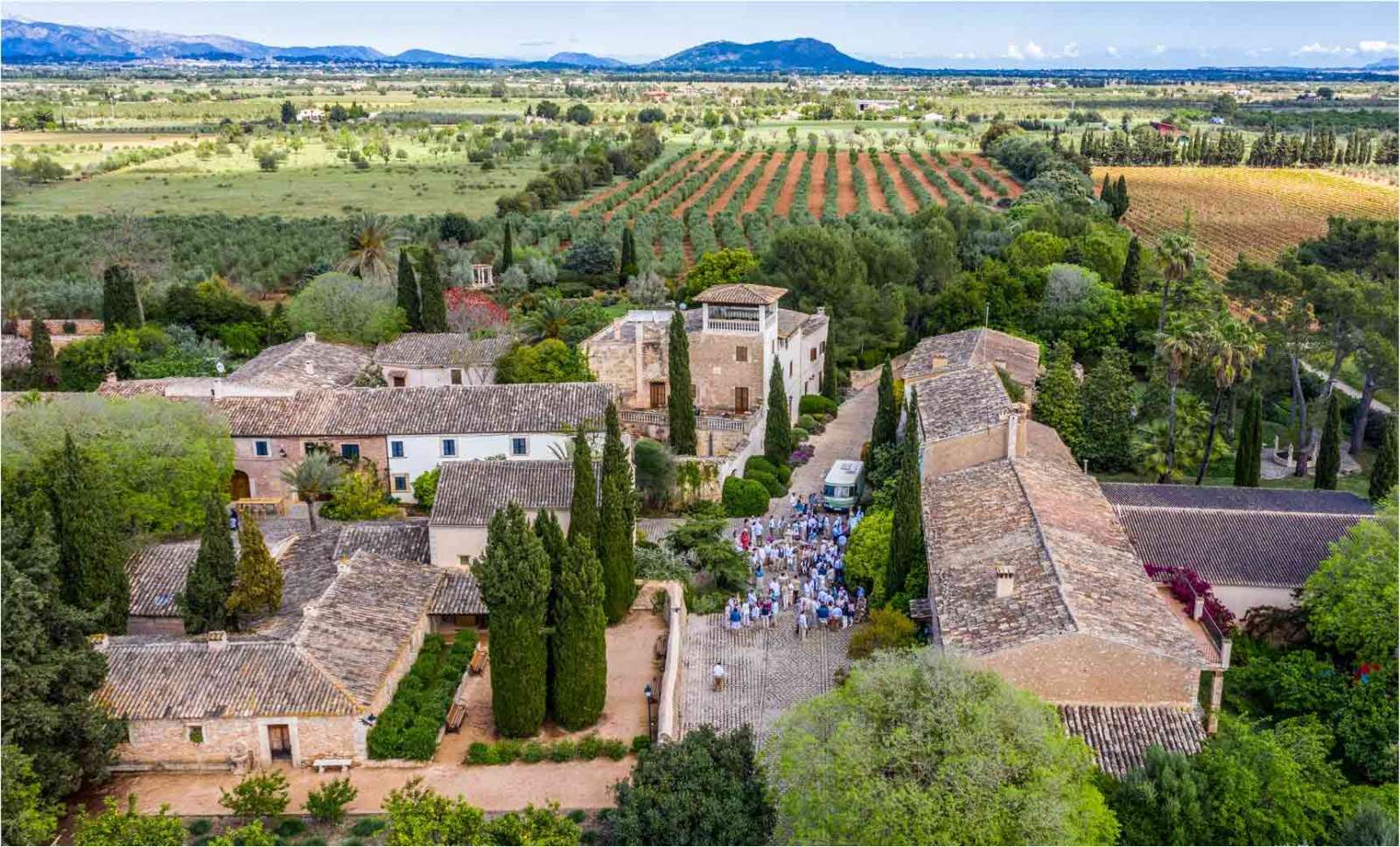
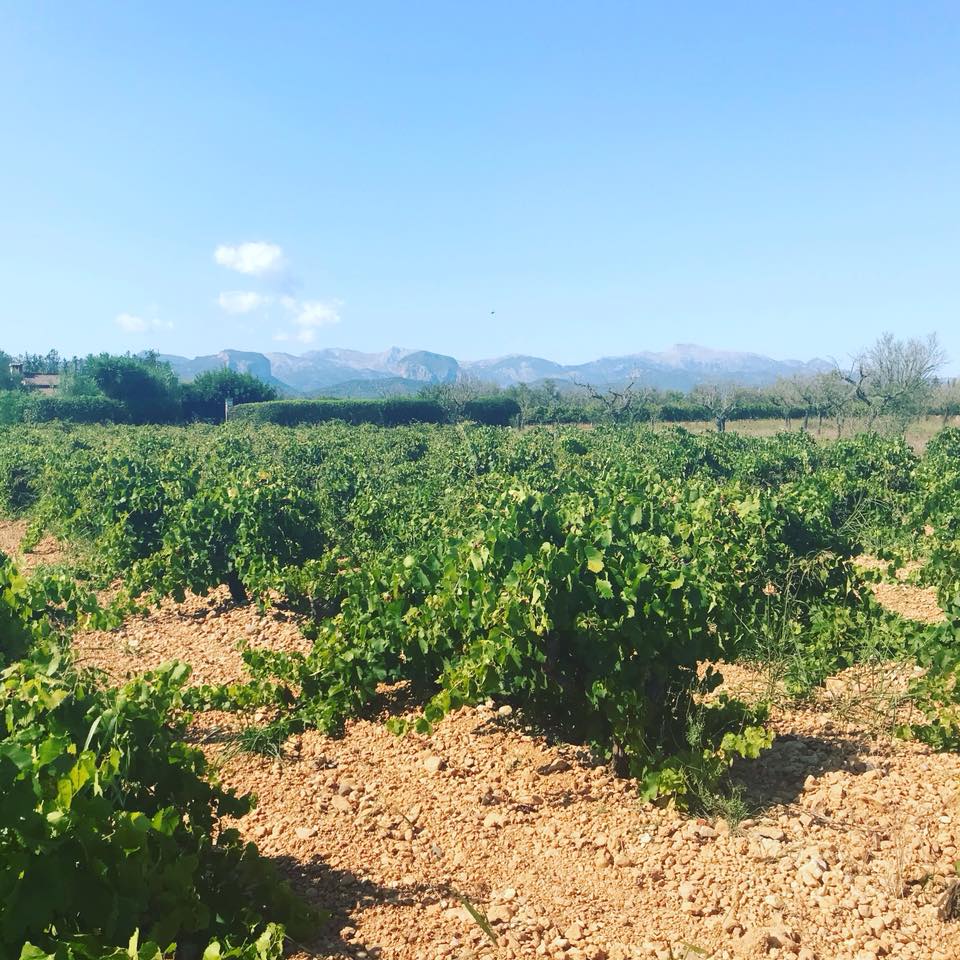
The geographical area of the PDO Binissalem is made up of the municipalities of Santa Maria del Camí, Consell, Binissalem, Santa Eugènia and Sencelles. With an extension of 154.75 km2, dominated by an ovoid-shaped plain, at a height of between 70 and 140 m above sea level, laid out parallel to the Serra de Tramuntana and with an average slope of around 0.5% facing south-east. This plain is surrounded by higher terrain which, in the highest parts, reaches 400 metres and is made up of lithologies of a calcareous nature.
The land and the climate
The Serra de Tramuntana is a mountain system of the island that reaches 1,400 metres in height and which, owing to its proximity to the geographical area, protects it from frosts and from the cold northern winds. Both the local varieties Manto Negro, Callet, Moll…, and the rest of the authorised varieties show an excellent response to the edaphoclimatic conditions of the geographical area and to the growing systems. The characteristics they impart to the wines are intimately linked to these conditions and to the human and natural factors of the area.
Zones
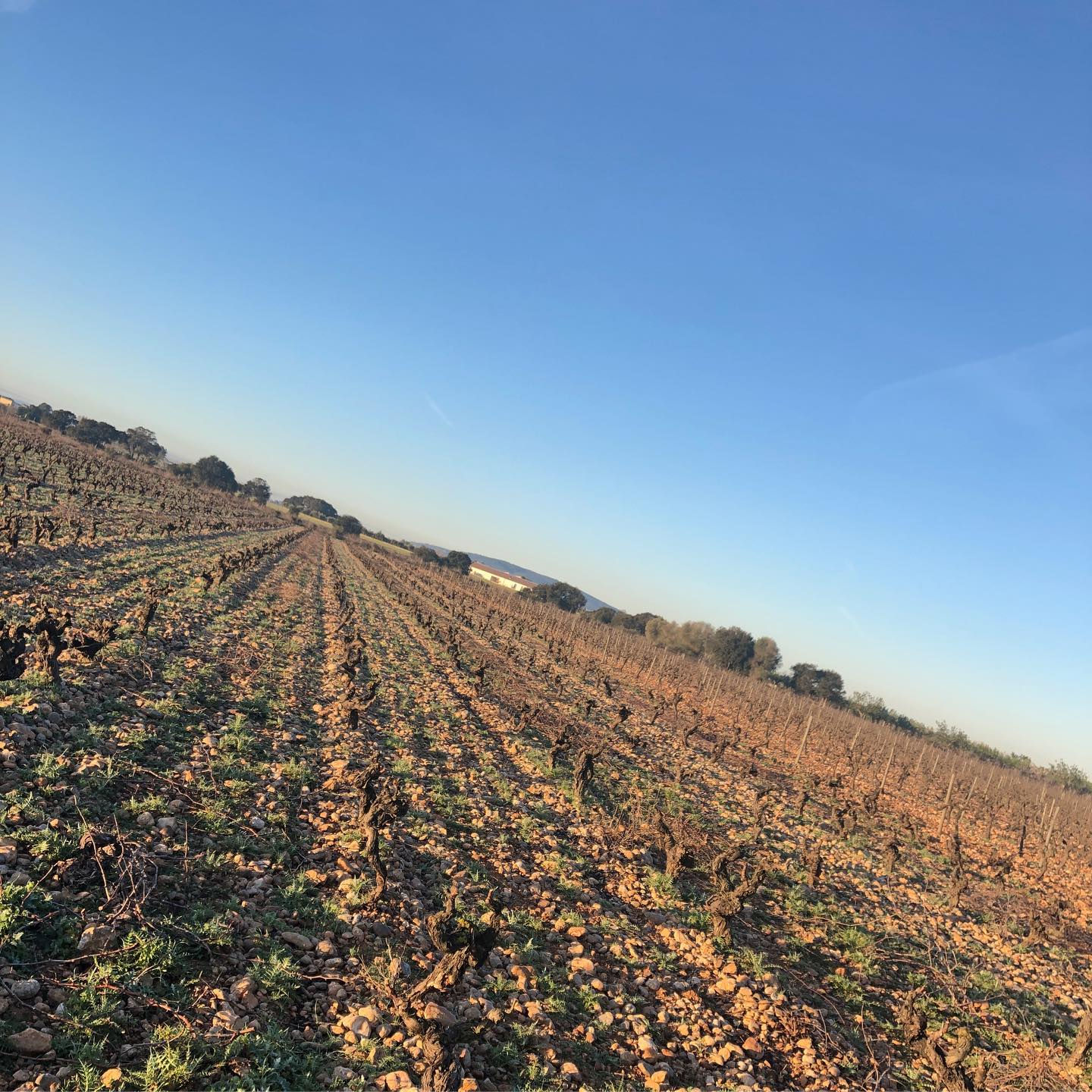
The soils on which the vineyards are established, mainly calcisols and luvisols, are of moderate fertility and depth, with a loamy texture and a high presence of coarse elements.
Microclimates
The climatic conditions of the area are typically Mediterranean. With a dry, hot summer period and a mild, slightly rainy winter. The average annual rainfall is approximately 550 mm, irregularly distributed. Most of the rain is concentrated in the autumn months, being almost nil in summer. The average summer temperatures range between 29 and 32 ºC and, in winter, the minimums range between 4 and 7 ºC. The average annual sunshine is 2,750 hours.
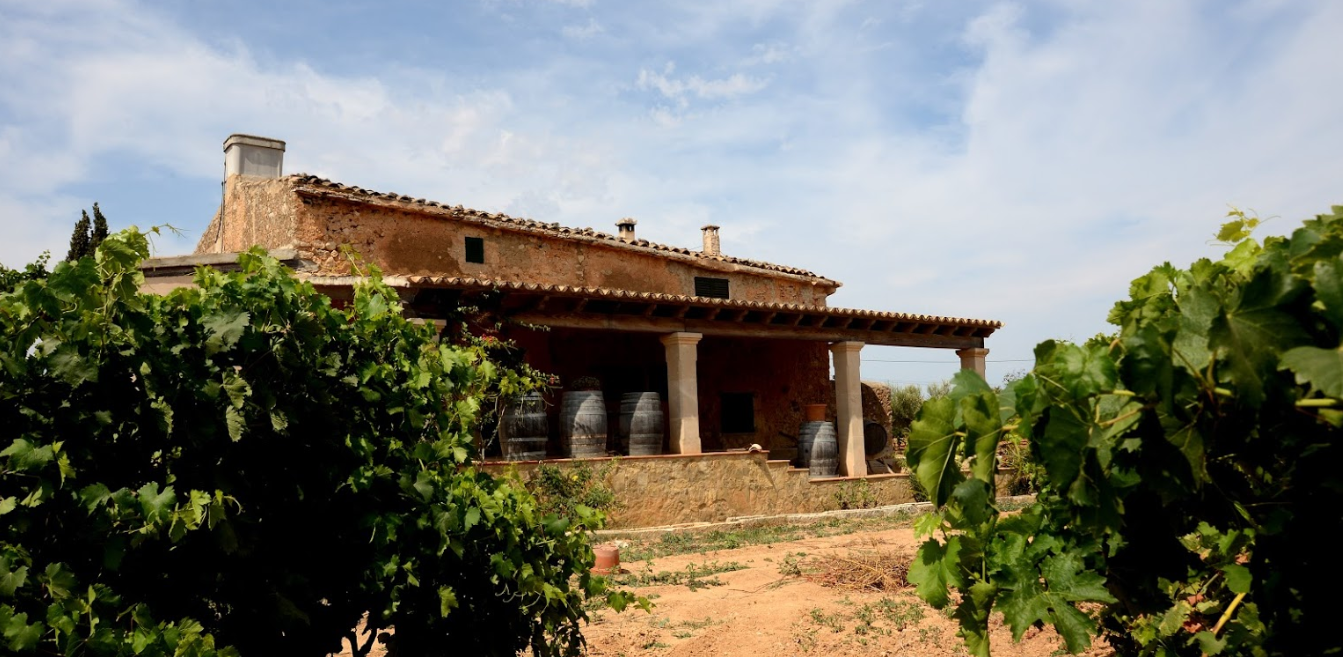
The vine represents one of the region's main crops, sharing the landscape with almond, carob, fig and olive trees. The vineyards of the geographical area are characterised by being of small extension. The traditional training system is goblet (vaso) and the most recent vineyards are laid out on trellis. It is a prosperous productive sector in continuous growth.
The authorised grape varieties are the reds Manto Negro, Callet, Tempranillo, Monastrell, Cabernet Sauvignon, Merlot, Syrah and Gorgollassa; and the white varieties Moll or Prensal Blanc, Parellada, Macabeo, Moscatel de Alejandría, Moscatel de Grano Menudo, Chardonnay and Giró Ros.
Binissalem wine varieties
In the making of the wines, the main grape varieties considered are the native Manto Negro and Moll and the Moscatel varieties.
Red wines must be made with a minimum of 30% of the Manto Negro variety and a maximum of 30% of Gorgollassa; white wines, with a minimum of 50% of Moll or of the Moscatel varieties and; rosé wines, with a maximum of 30% of Gorgollassa grape.
Rosé sparkling wines must be made from wines obtained with the authorised red varieties, with a maximum of 30% of Gorgollassa grape, and white sparkling wines with a minimum of 50% of Moll grape and the varieties Parellada, Macabeo, Chardonnay or Giró Ros.
Regarding the sensory characteristics, the wines protected by the DO Binissalem are characterised by fruity aromas, of Mediterranean character, with the expression of the nuances and varietal aromas of native grapes and of the terroir, which make them singular and unique.
Experiences to enjoy in D.O. Binissalem
Discover this wine-growing region located on the island of Mallorca.