Wine tourism in D.O. Campo de Borja
Campo de Borja is a Spanish wine with a Protected Designation of Origin (DO). Its production area is located in the northwest of the province of Zaragoza, in the comarcas of Campo de Borja and Tarazona and the Moncayo. It is made up of 16 municipalities and has an extension of 6,270 ha. It obtained the designation of origin qualification in 1977.
A unique area for unique wines
The Campo de Borja Designation of Origin is one of the five D.O. existing in Aragon. It is not a large designation in terms of extension, but it is in terms of the result and quality of its wines. This translates into a limited volume of production but one highly valued by experts and, of course, by the end customer. And this is largely due to the valuable garnacha grape (red and white), the heritage of this designation, and to the geographical location, between the mountain lands of the Iberian System (Somontano del Moncayo) and the Ebro Valley. This location provides brown-calcareous soils, with good drainage and rich in nutrients. In short, it is an ideal terrain for the cultivation of the vine and, above all, one that lends quality to the final result.
The land and the climate
The Campo de Borja Designation of Origin Wine is a wine produced in the Aragonese Region of Campo de Borja, in the province of Zaragoza.
It is the so-called «Empire of the Garnacha»; it is moreover a native variety, and 70% of the wine grown is of this fantastic and fashionable variety.
Areas
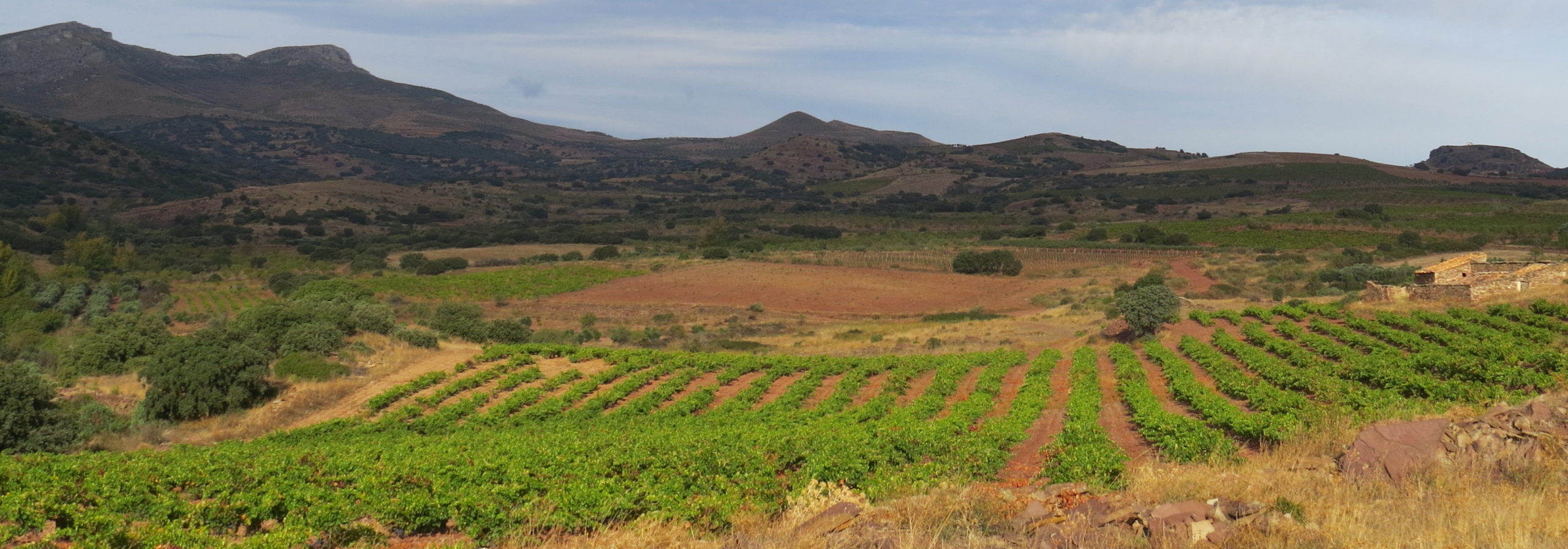
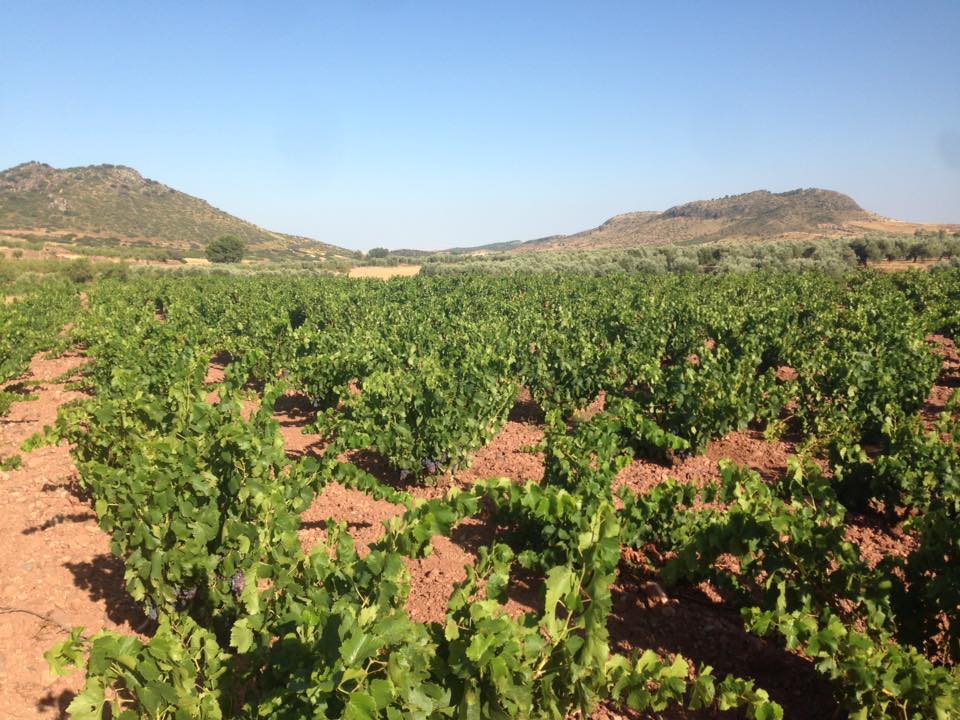
The location of Campo de Borja, next to the Moncayo to the South and the Ebro depression to the north, accompanied by a Mediterranean-Atlantic climate and the influence of the cierzo wind, make these lands a privileged place for the cultivation of the vines and one of the most recognised wines of Spain.
The terrain is composed of stony clays, limestones, sandstones and alluvial materials.
Microclimates
The proximity to the Moncayo means that in winter the temperatures are even colder, which gives the wine greater acidity and helps to preserve the aromas.
In summer it means that temperatures are not so high, although in the last weeks, when the grape is in its final ripening process, temperatures are indeed high, extreme in some cases, which makes it optimal.
Rainfall is scarce all year round, so the yield of the vines is also scarce, giving rise to wines of great quality.
The result of the climate, together with the clay and limestone soils, gives rise to fruity, concentrated, powerful wines, with body and a good level of alcohol.
In the D.O. Campo de Borja, white, rosé, young red, crianza, reserva, gran reserva and liqueur wines are produced. The production of white wines is currently low, occupying approximately 8% of the overall production result. It is with the reds that the popularly known ‘Borja wine’ has made its mark on the market and with which it has gained prestige and renown beyond our borders. As we say, this recognition has been achieved both through the appreciation of experts and professionals and of amateurs or ordinary customers. Lovers of wine tourism, of wines with personality and balance, have here true jewels in which the garnacha maximises its flavours and aromas. Young, crianza and reserva reds, made both with garnacha grapes and in combination with other varieties such as tempranillo, merlot, syrah and cabernet, are the ones that have positioned the D.O. Campo de Borja in the top places of the oenological ranking.
THE EMPIRE OF THE GARNACHA
The most important variety in the DO Campo de Borja is the garnacha tinta, which occupies 60% of the cultivated vineyard area, although there are others, both red and white.
The viticultural heritage of the D.O. “Campo de Borja” is very rich in terms of “garnachas”; the oldest vineyards of the D.O. date from 1203, and of the 4,000 hectares of garnacha, more than 2,000 are between 30 and 50 years old. Their yields are low, but immensely appreciated oenologically, for the structural and aromatic complexity they provide to the wines.
Experiences to enjoy in D.O. Campo de Borja
Discover this wine-growing region located in the northwest of the province of Zaragoza.