Discover all the experiences, the best spots and the widest wine tourism offer in Cuenca on Visitar Bodegas. Find out more!
Especially at weekends and during the harvest, spots fly. Secure your visit by booking online.
Spring and autumn show off the vineyard; the harvest, around September, is the most special, with tastings and activities among the vines.
Check opening hours, languages and whether the visit includes a tasting before setting off.
Combine the winery with the food and the villages of Cuenca to round off the day.
If you drive after the tasting, do so in moderation or designate a driver.
Something is happening in the world of wine tourism in the province of Cuenca. We are witnessing a genuine phenomenon in which food and wine tourism permeate everything. New wine-tourism spaces spring up regularly across the province; specialised shops, cooking schools, gastronomic routes and, of course, venues make up a lively and hugely appealing scene for the visitor.
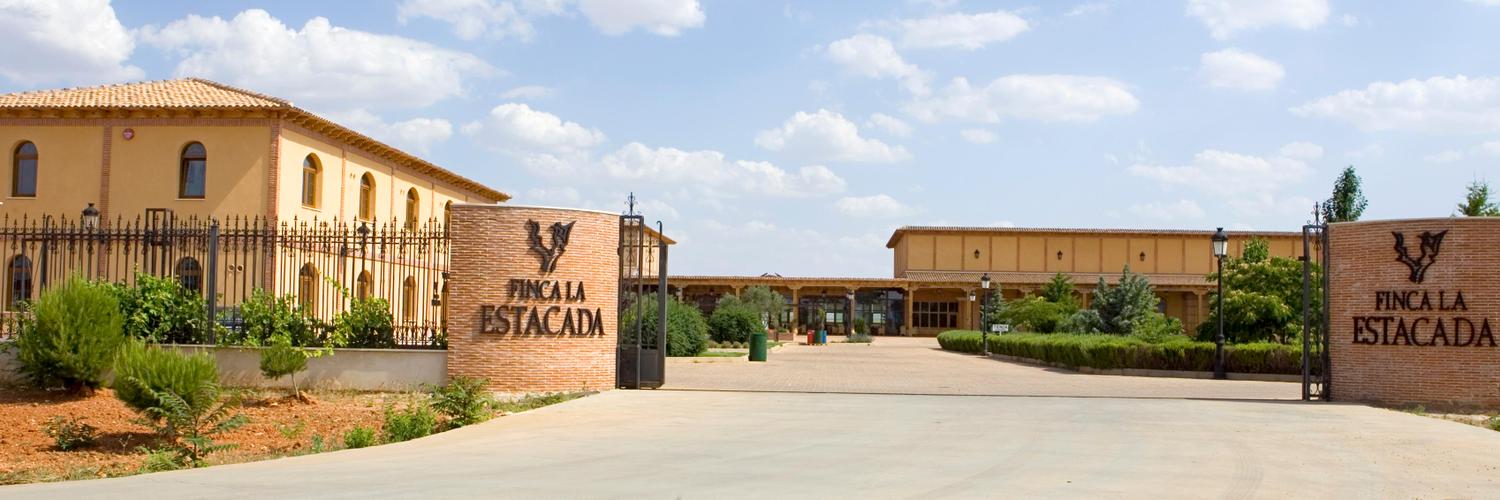
V.P. Pago Calzadilla✓ Bookable
D.O. Ucles✓ Bookable
D.O. Ribera Del Jucar✓ Bookable
D.O. Manchuela✓ Bookable
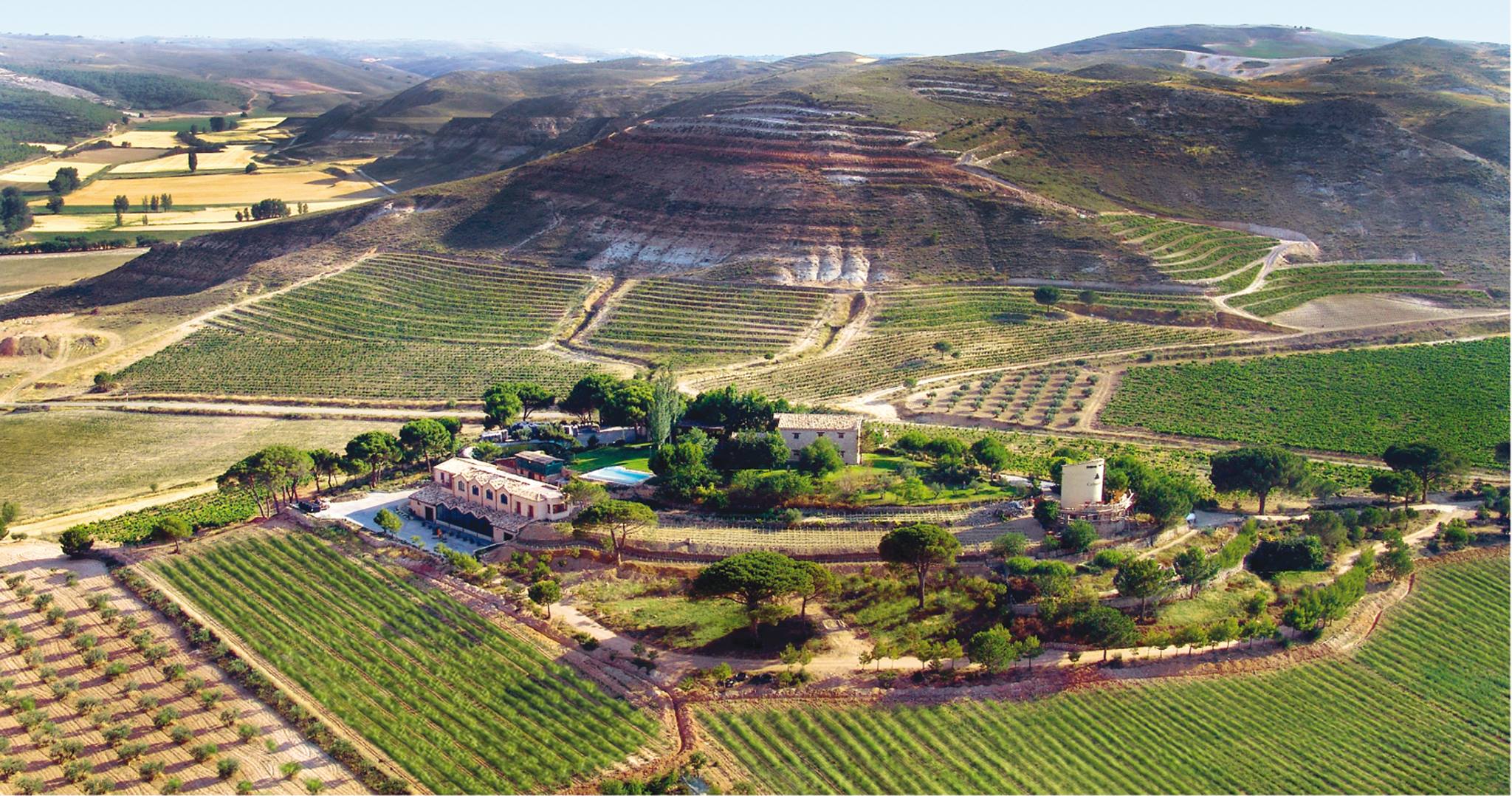
D.O. Manchuela✓ BookableEl viñedo más extenso del mundo. Uvas: airén y tempranillo (cencibel).
See the D.O. La Mancha →The city of Cuenca, with its hanging houses leaning over the gorge of the Huécar, gathers charming hotels and inns in the old town. For wine tourism it is best to descend to the Manchuela and the Ribera del Júcar, where rural houses among the vineyards make a comfortable base.
Monumental towns such as Alarcón, with its parador in a castle above the Júcar, Belmonte or Uclés offer distinctive lodgings. The Serranía de Cuenca, further north, holds mountain houses ideal for combining wineries, nature and quiet villages.
Cuenca cuisine is of the spoon and the mountain. Morteruelo, ajoarriero, zarajos and gachas warm the winter, while lamb, Manchego cheese and Alcarria honey mark the pantry. For dessert, the Arab alajú and the resolí, the local coffee-and-spice liqueur.
The reds of La Mancha, Manchuela and Ribera del Júcar, with Bobal as their flagship grape, pair wonderfully with these hearty stews. A cellar tasting beside the Júcar or the Cabriel completes any gastronomic getaway through the province.
The Serranía de Cuenca is a festival of landscape: the Enchanted City and its limestone forms, the source of the Cuervo river with its waterfalls and the gorges of the Júcar and the Huécar invite you to walk. To the south, the Hoces del Cabriel draw spectacular canyons among vineyards.
The heritage adds its share: the castle of Belmonte, the monastery of Uclés and the medieval town of Alarcón. Between trails there is room for visits to Manchuela wineries, swims in pools and viewpoints over the plateau.
Cuenca is a city of art and height. Its hanging houses shelter the Museum of Spanish Abstract Art, a national reference, and its Gothic cathedral, one of the first in Castile, crowns the old town declared a World Heritage Site.
The interior holds gems such as the monastery of Uclés, cradle of the Order of Santiago, and the castle of Belmonte. Wine culture is felt in the carved cellar-caves and in the harvest traditions of the Manchuela, where clay and stone still tell of centuries of rural history.
The Serranía offers pure nature for the open air. Beside the source of the Cuervo river, in the pinewoods of Beteta or near the Uña lagoon, there are campsites and settings where you can camp between forest and fresh water, perfect for hiking.
To the south, the Hoces del Cabriel, a nature reserve between Cuenca and Valencia, provide canyon settings for travelling by motorhome and exploring Bobal vineyards. Sleeping in the open on the Cuenca plateau grants clear, starry skies, ideal for night-time observation.
Planificar tu viaje a Cuenca según la época te ayudará a exprimir al máximo la experiencia enoturística. La primavera y el otoño son las estaciones ideales: clima templado y el viñedo en todo su esplendor —verde y florido en primavera, dorado y cobrizo en otoño—, perfecto para pasear entre cepas y hacer fotos inolvidables.
La vendimia, en torno a septiembre, es el momento más especial del año: muchas bodegas de Cuenca abren sus puertas a catas, pisado de uva y actividades entre viñas, y el ambiente se llena de vida. El verano invita a las catas al atardecer y a los planes de tarde-noche, mientras que el invierno, más tranquilo, es perfecto para disfrutar de las bodegas con calma y sin aglomeraciones.
Sea cual sea la estación que elijas, reserva tu visita con antelación —sobre todo en fin de semana y en vendimia— y consulta el horario y los idiomas de cada bodega en su ficha para organizar tu ruta del vino por Cuenca sin sorpresas.
Choose your winery, book your visit and experience wine where it is born.
View wineries →