Wine tourism in D.O. LA MANCHA
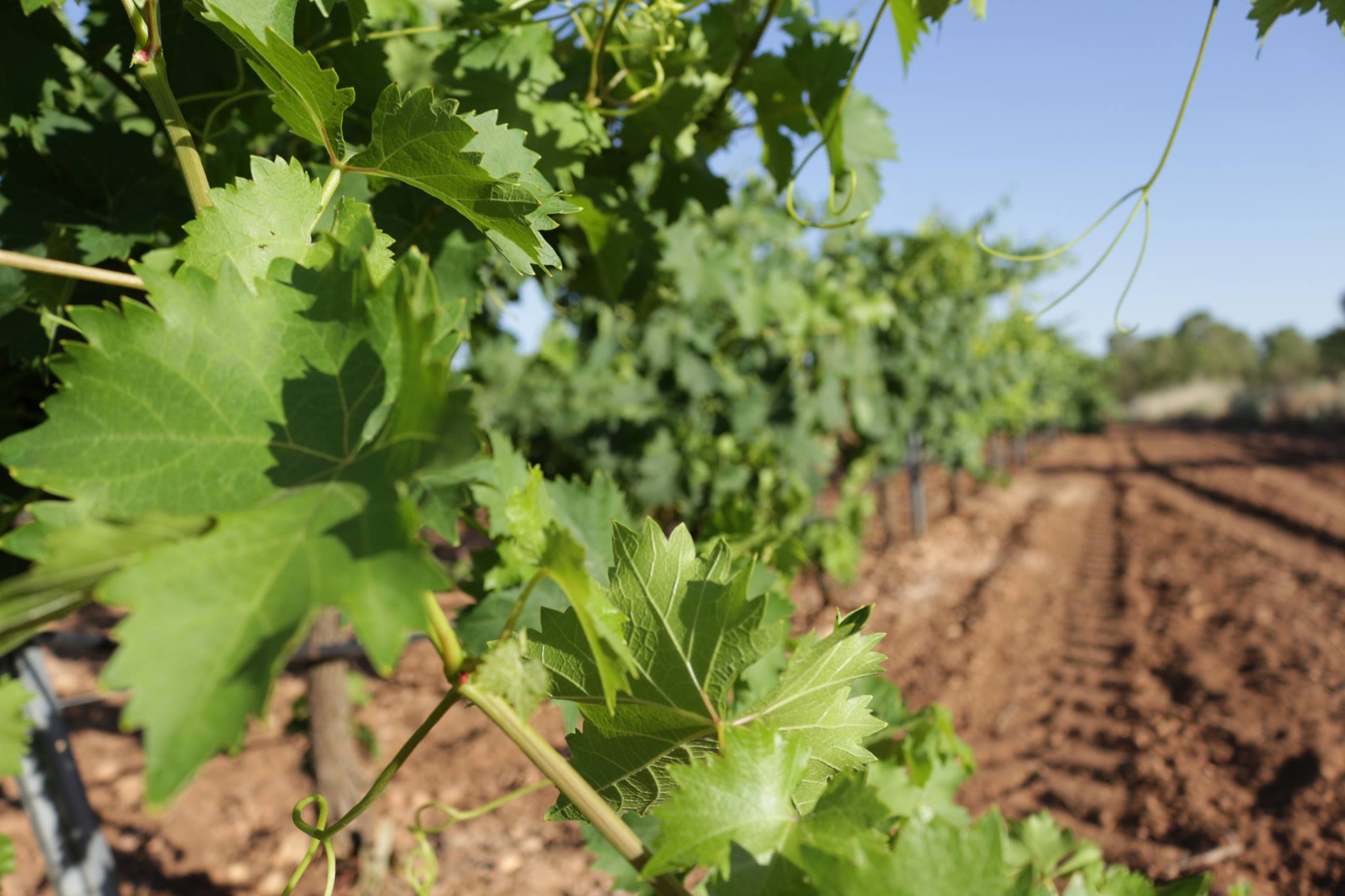
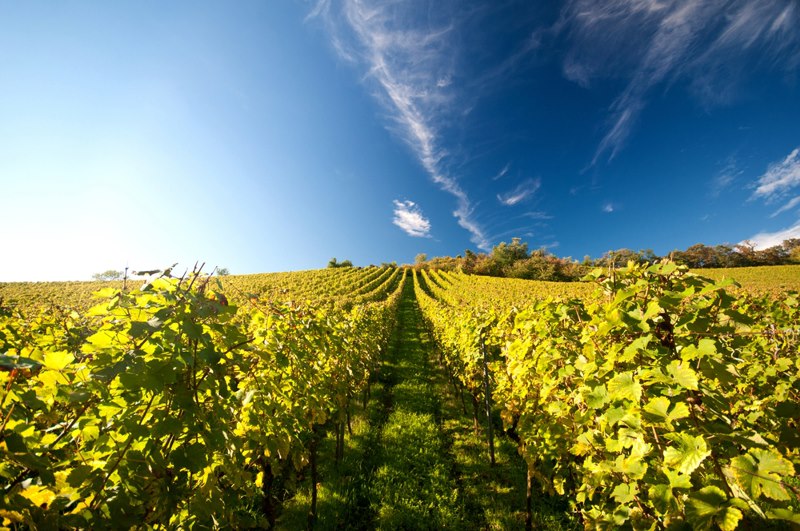
La Mancha is defined by its marked wine-growing vocation almost more than by anything else, the result of a set of characteristic traits, intrinsic to the territory itself, that make it especially suited to producing grapes and, as a consequence, to making wines of great quality and with very well-defined peculiarities.
A unique area for unique wines
La Mancha therefore has a vast wine-growing tradition which, added to a series of characteristic geological, geographical and climatic elements that define it, make it an ideal territory to produce excellent grapes and, subsequently, to give life to a great wine with very peculiar nuances.
It can be said, in short, that La Mancha is the ideal area for growing the vine, which in our territory produces fruits of extraordinary quality, ripeness and health. For this reason, the wines of La Mancha are today among the most exquisite and most prestigious in the world; they are savoured throughout Spain and also exported to the five continents, making Castilla-La Mancha, already for many years, the leading Autonomous Community of Spain in terms of wine exports by volume.
The land and the climate
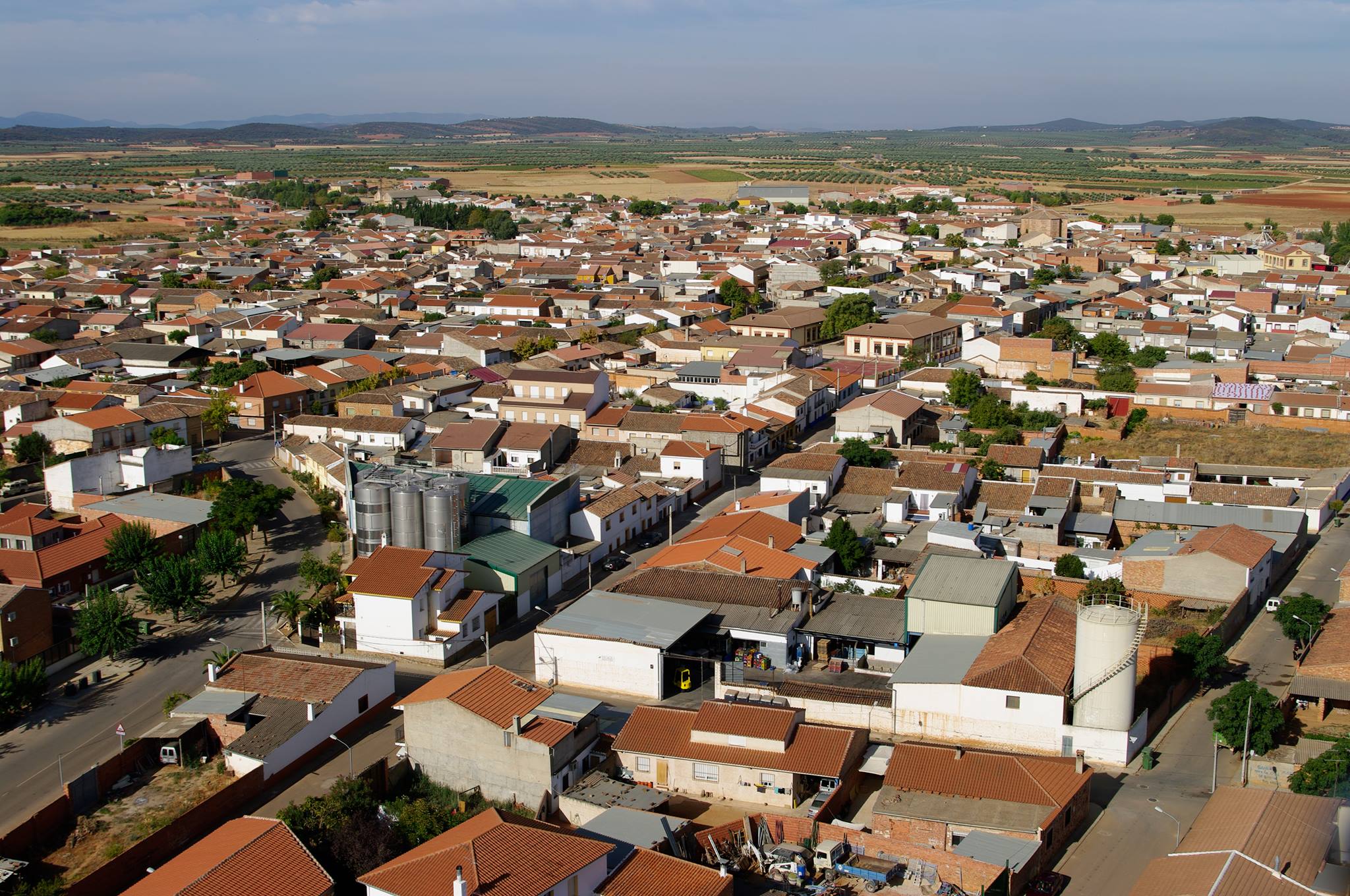
The D.O. La Mancha brings together 192 municipalities of four Castilian-La Mancha provinces: Albacete, Ciudad Real, Cuenca and Toledo. That makes us the largest wine Designation of Origin in the world: the one that accumulates the greatest vineyard surface and the one that reaches the highest annual production.
Zones
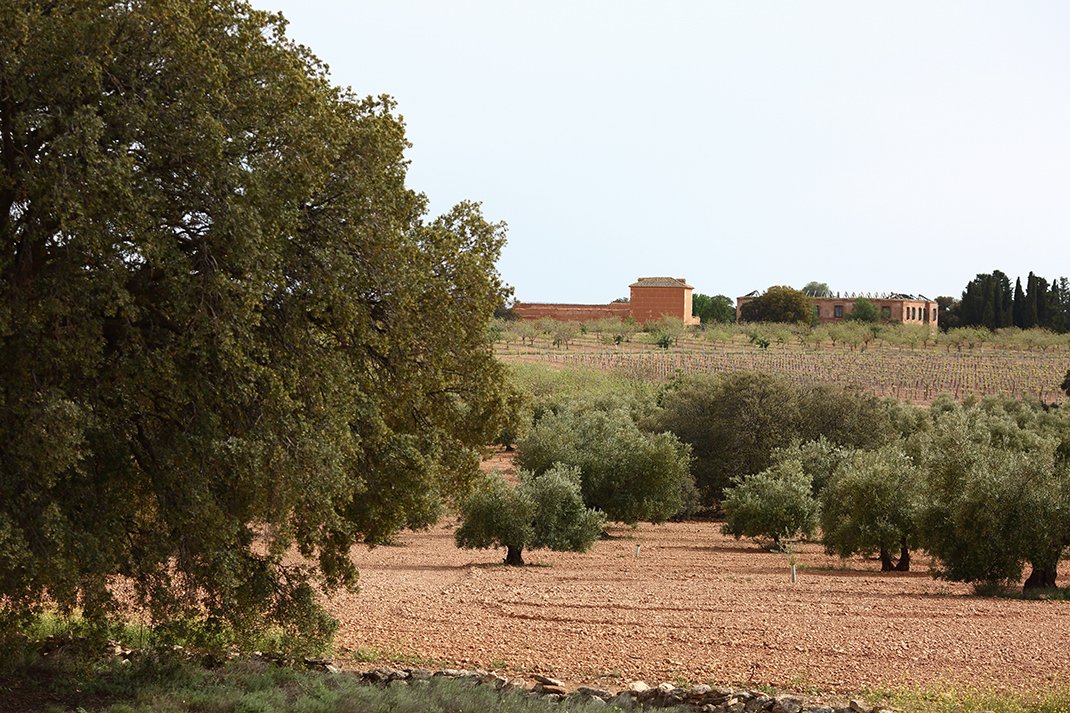
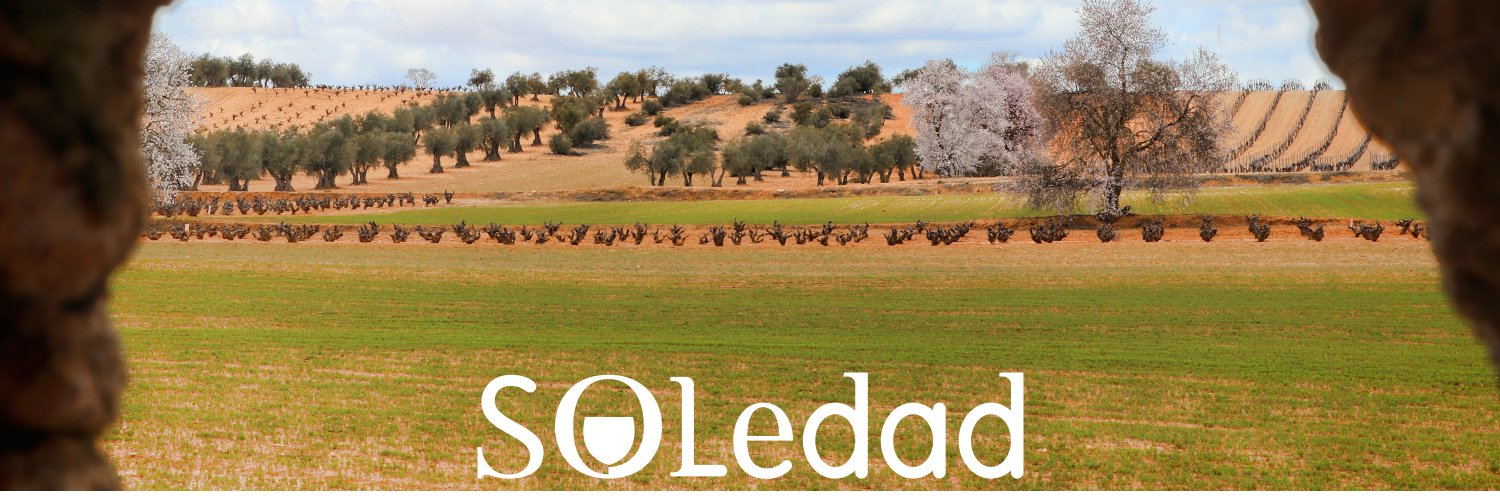
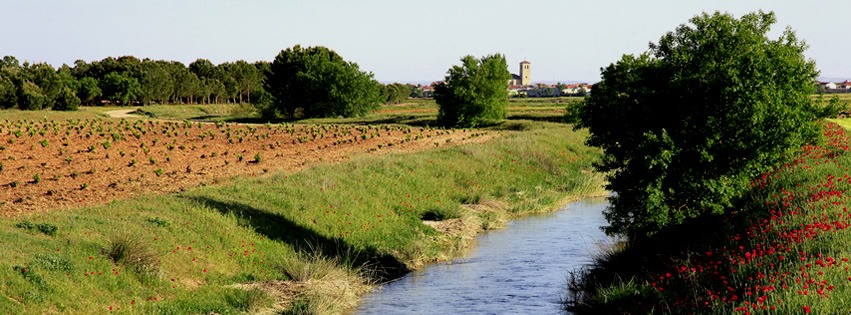
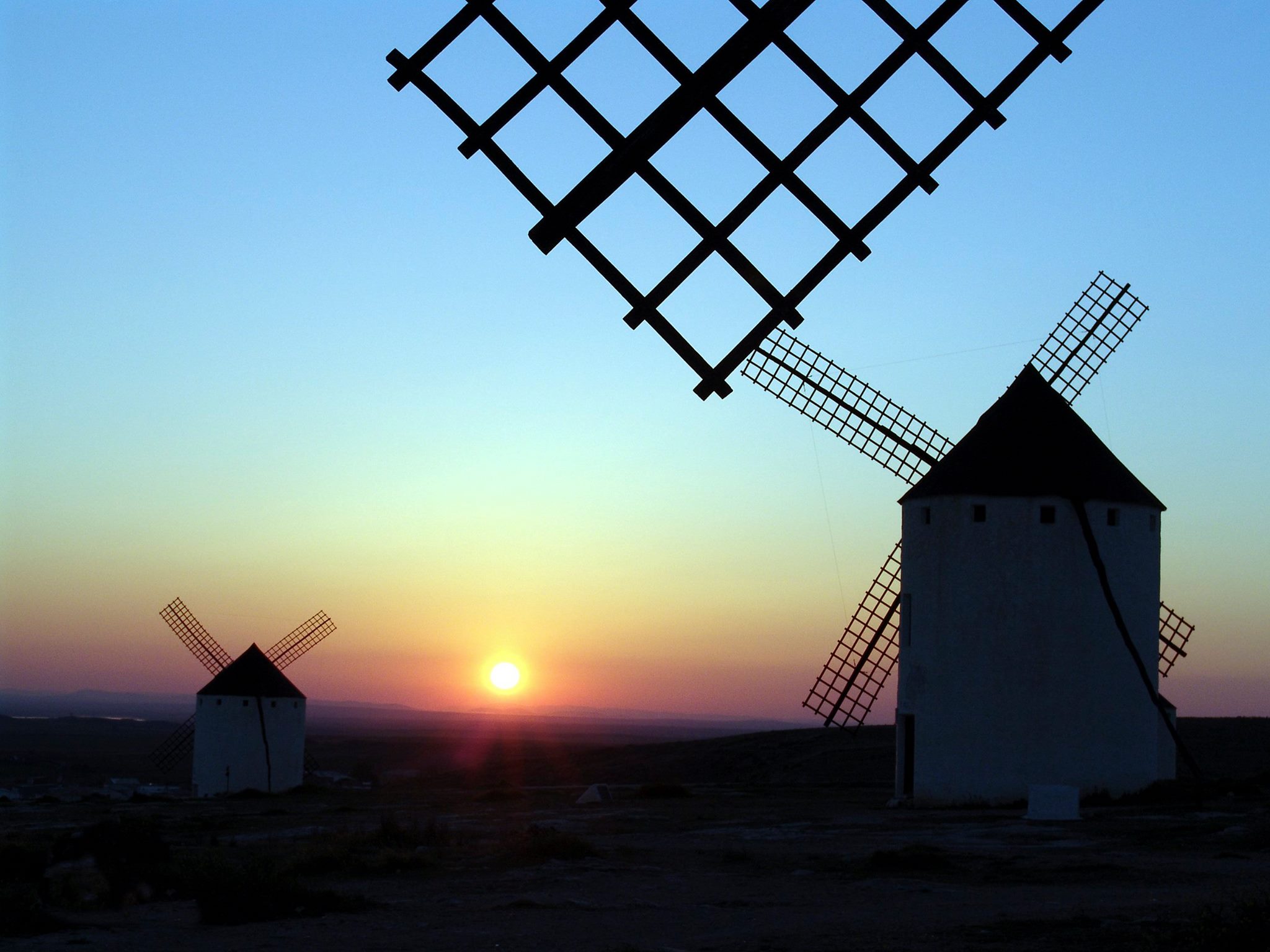
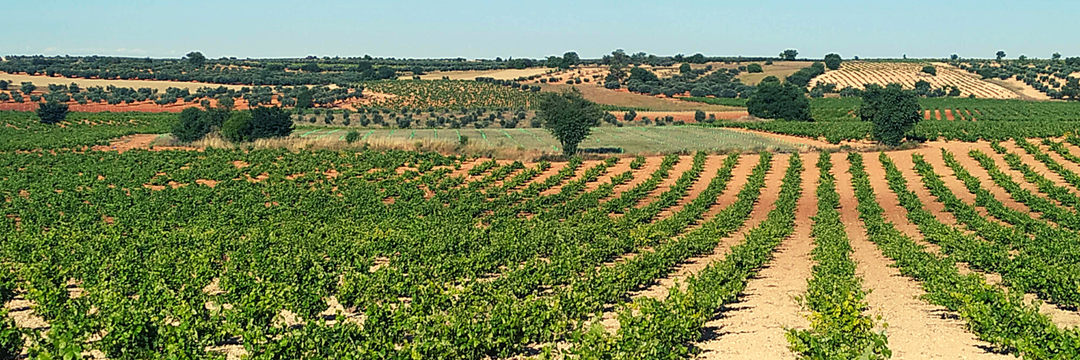
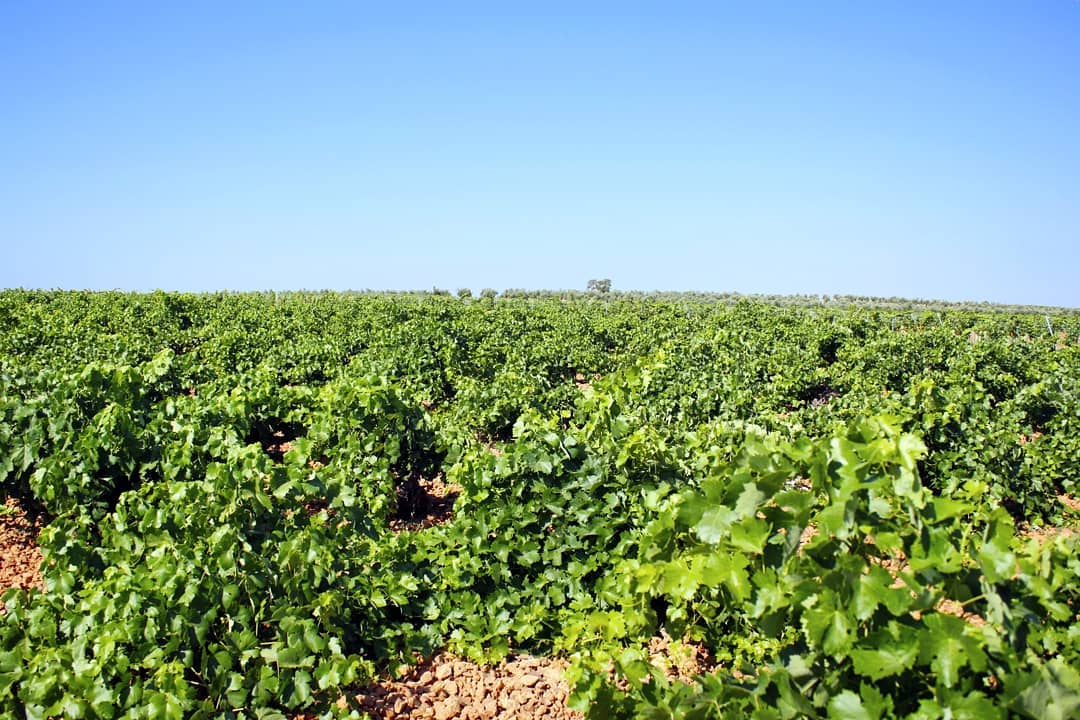
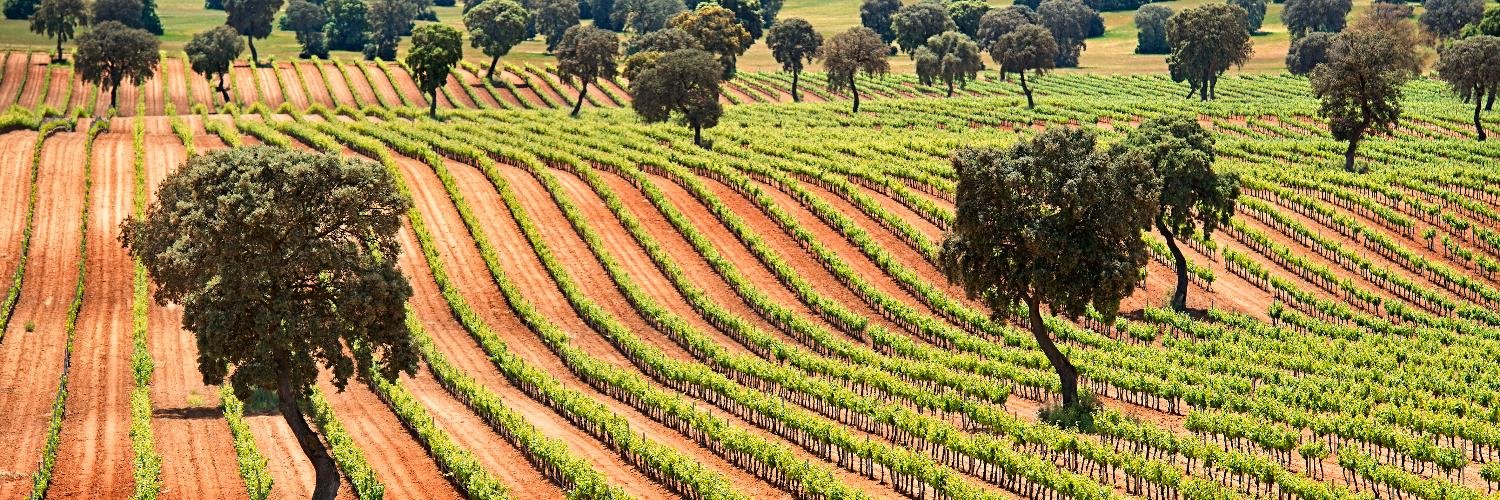
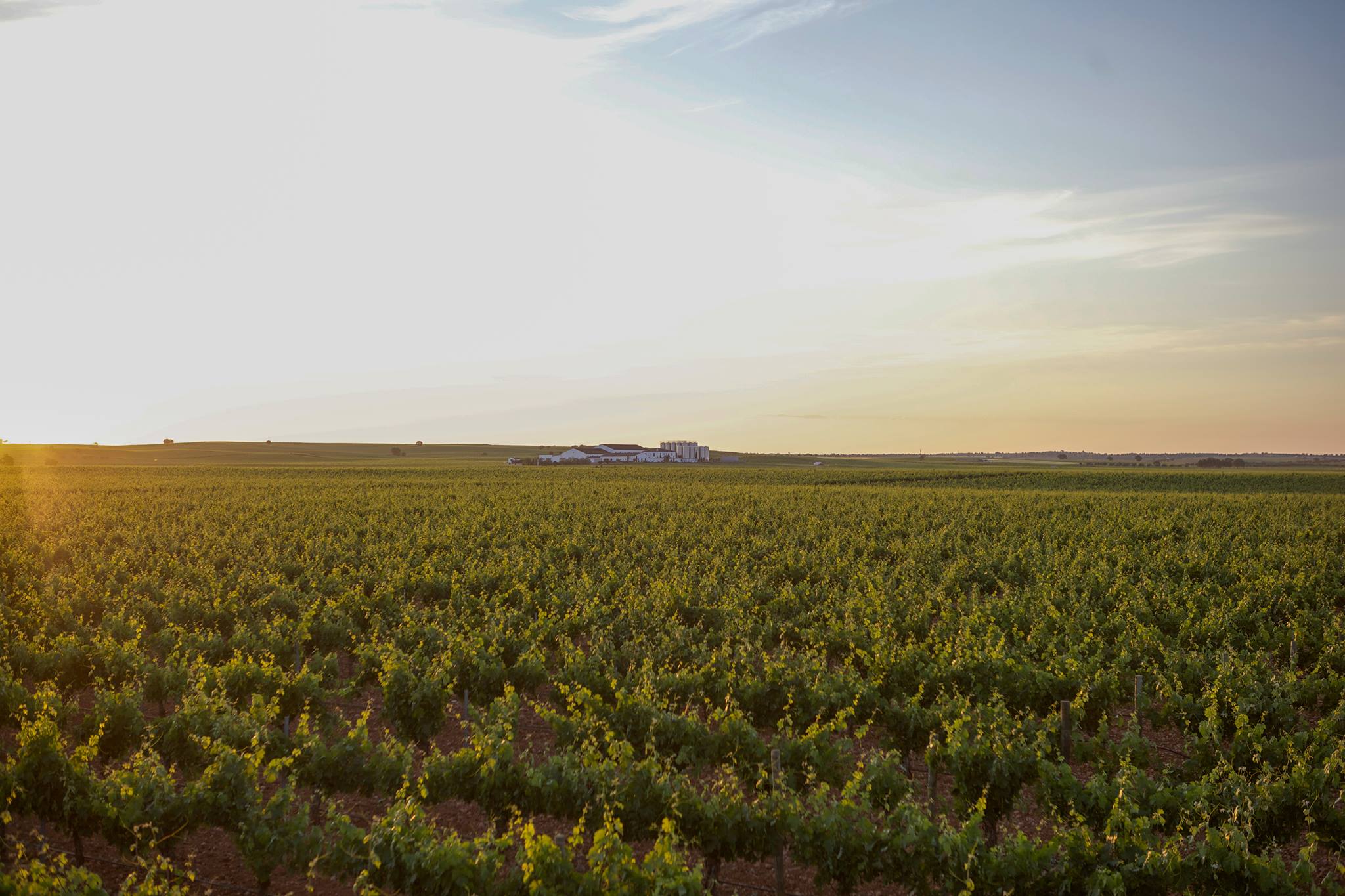
La Mancha is, broadly speaking, a vast plateau. A land without great mountainous drops, with a relief that has gradually flattened over millions of years. First through the erosion of the old Hercynian Massif, the great mountainous mass whose formation more than 500 million years ago caused emerged lands to appear for the first time on the site occupied today by the Iberian Peninsula. And then with the accumulation of very deep sedimentary deposits over that previous, already heavily eroded mountainous structure.
Microclimates
This isolation from the humid winds and the altitude determine the characteristic dryness of the region, as well as the high sunshine and the continentality of its temperatures. In fact, the rainfall data are extremely low throughout the region (almost always below 400 mm annually, normally between 300-350 mm); the temperature swings are very strong, both daily (the thermal difference between day and night) and annual (with summers where 40°C is widely exceeded and winters where reaching -15°C is not unusual); and sunshine of more than 3,000 hours a year.
Finally, what type of wines can the La Mancha Designation of Origin offer us? As was the case with the varieties, the range of options is generous and rich, always favoured by the virtues of our terroir for growing the vine. These are the different types of wine:
- Young or New: these are the whites, rosés or reds (which may be dry, medium-dry, medium-sweet and sweet) obtained in the same wine campaign in which they are labelled. Their consumption is recommended within a period no longer than 9-12 months from their making.
- Traditional: these are wines of the last vintage or earlier, made in the traditional system typical of the DO, but reinforced with the latest technological advances. Their natural life is comparable to that of any crianza.
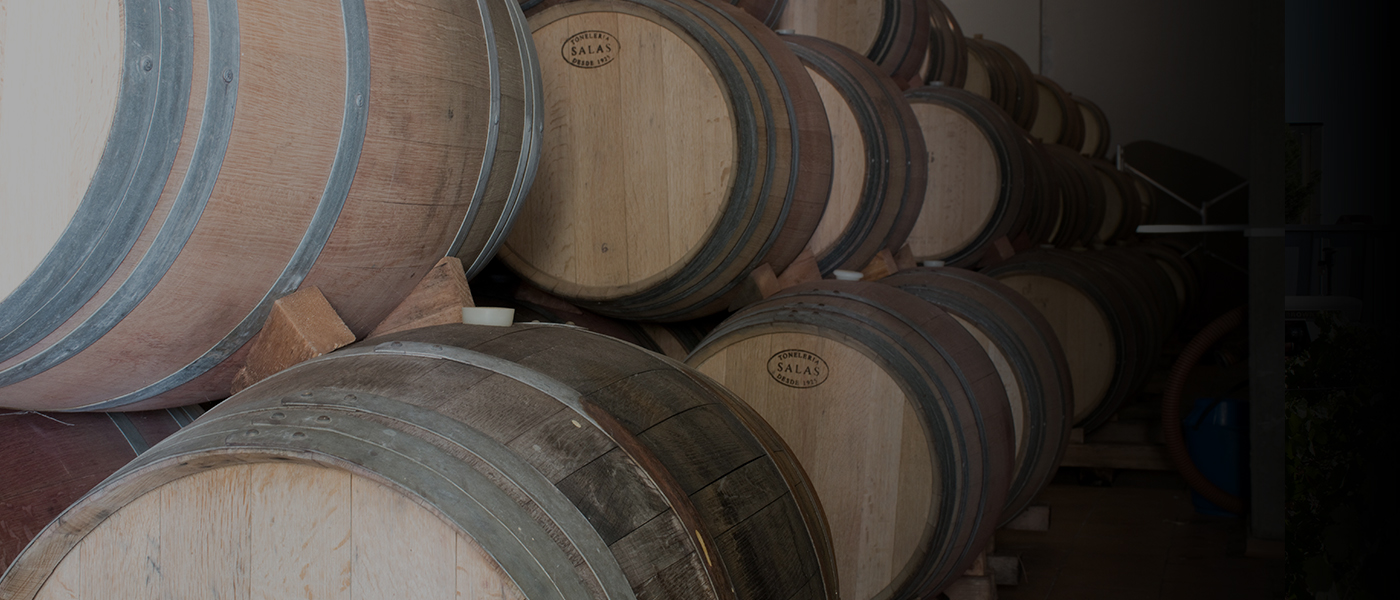
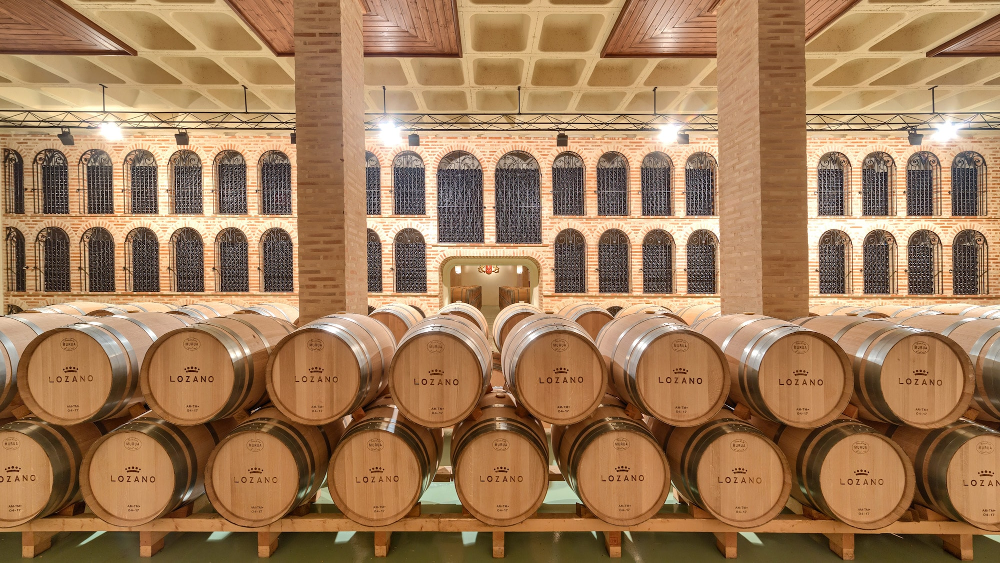
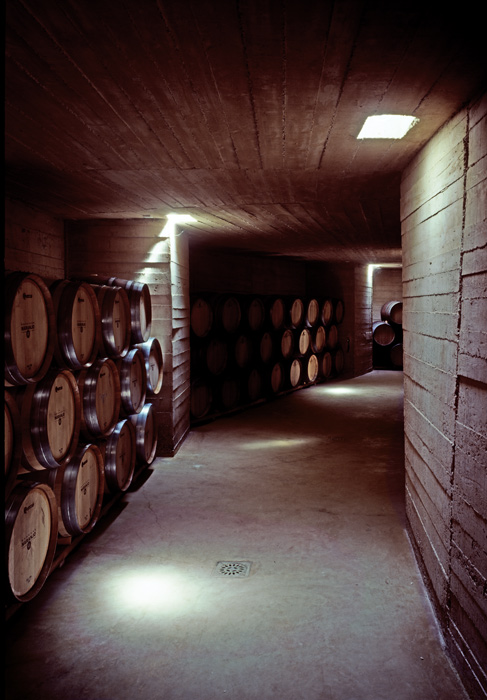
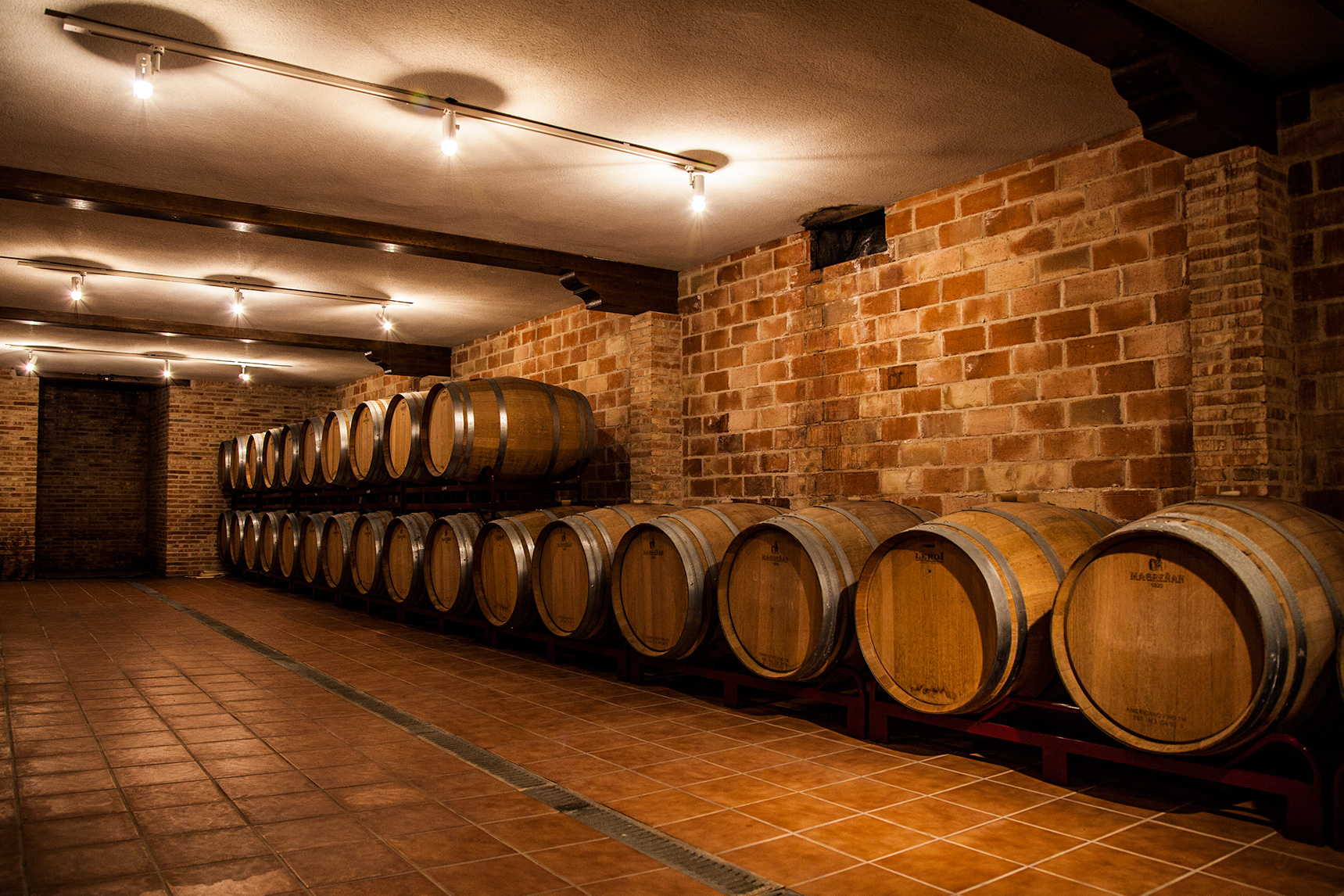
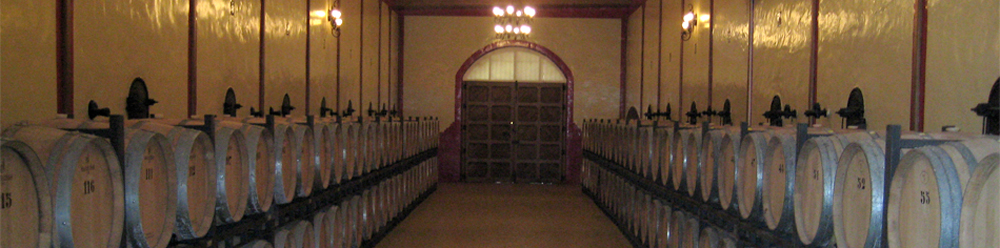
- Aged in Oak Barrel: these are wines of the last vintage or earlier, with a minimum stay in oak barrel of 60 days.
- Crianza: wines with barrel passage, of which at least 6 months must be in oak barrel.
- Reserva: these are the reds obtained after 3 years of natural ageing, of which at least 12 months must be in barrel.
- Gran Reserva: these are the reds obtained after 5 years of natural ageing, of which at least 18 months must be in barrel.
- Sparkling Wines: white or rosé, they have, as a consequence of their special making by the traditional champenoise method, a carbon dioxide of endogenous origin (that is, a natural bubble), with a minimum strength of 10.5% vol. According to the presence, from lower to higher, of residual sugar (expressed in grams per litre) they can range from Brut nature; Extra brut, Brut, Extra dry; Dry, medium-dry and sweet.
Varieties of la mancha
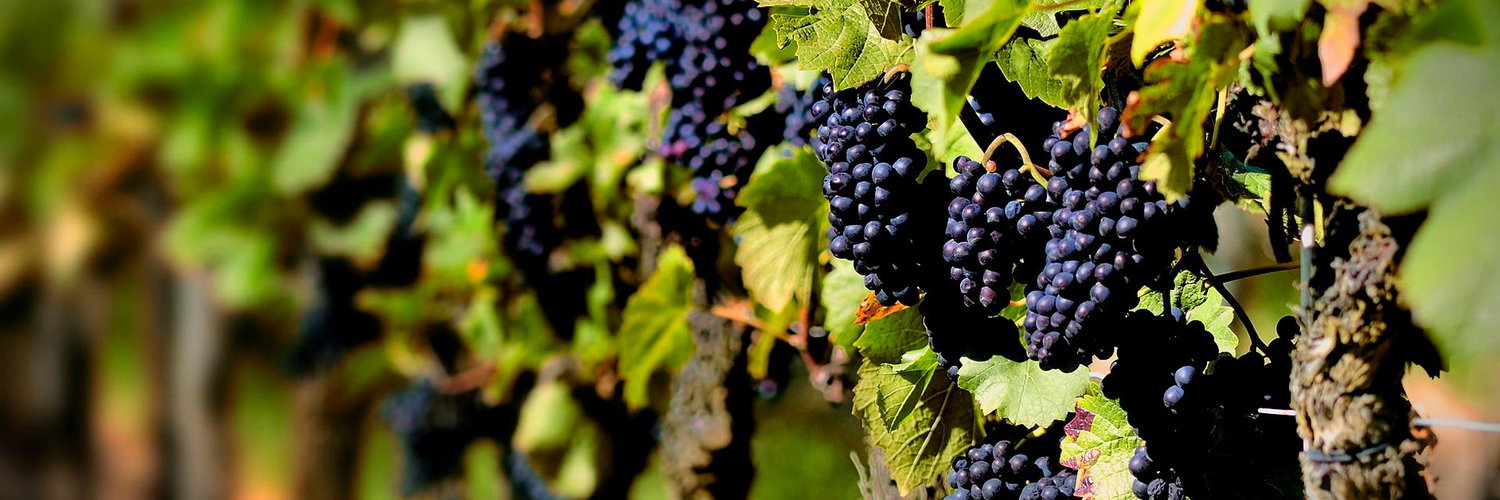
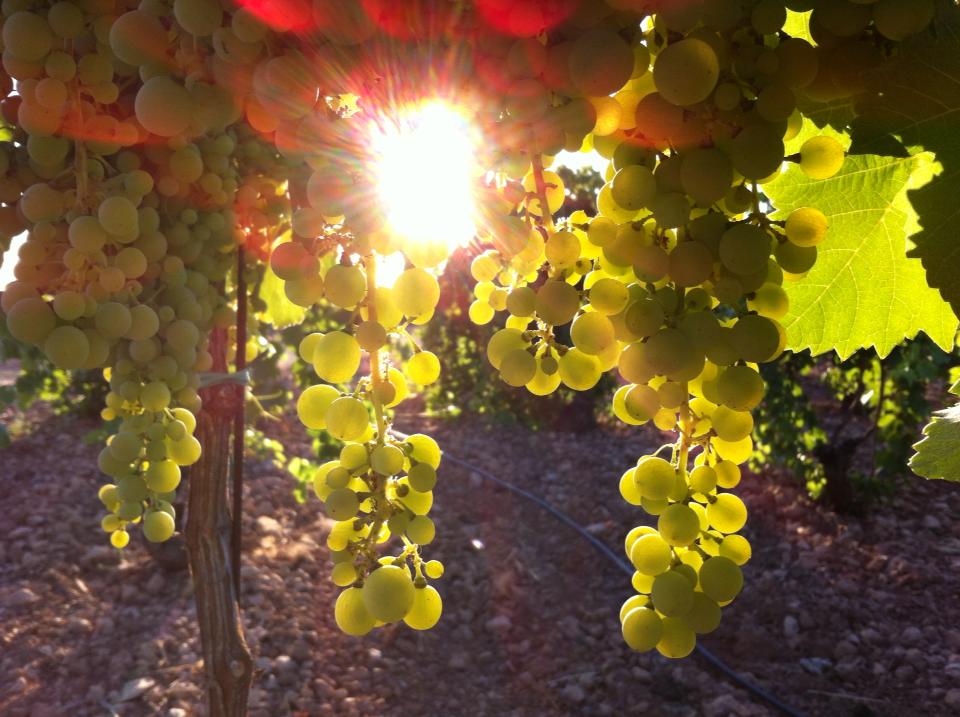
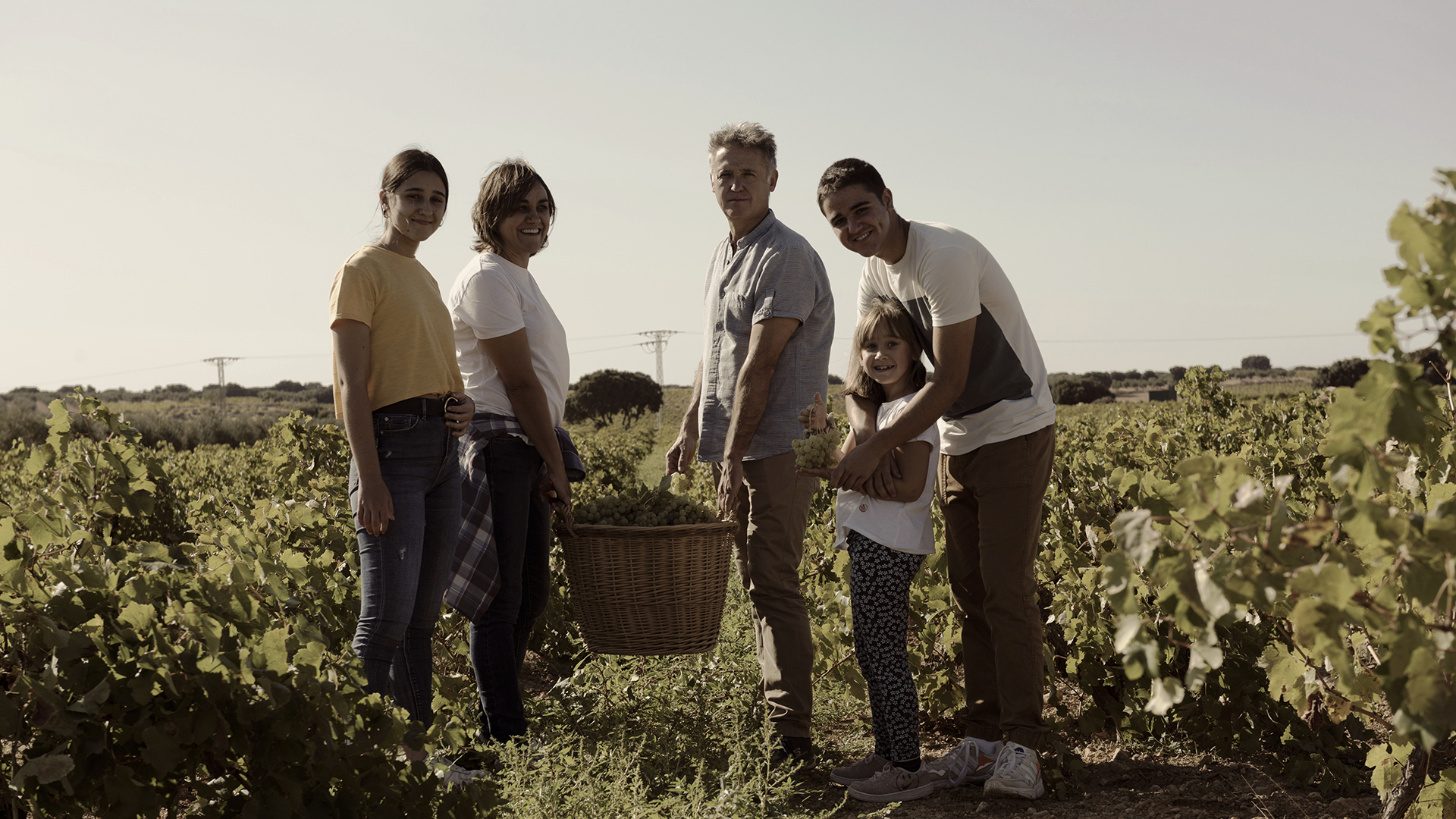
And what are the varieties that can be tasted when drinking the wines of our DO? Very many! Varietal diversification is one of the most striking traits of La Mancha. The climatic virtues and the breadth of our territory allow us to enjoy an enormous varietal richness, making it possible to obtain in La Mancha magnificent wines not only from native varieties but also from a great number of foreign varieties that find in our territory the ideal environment to exploit all their potential.
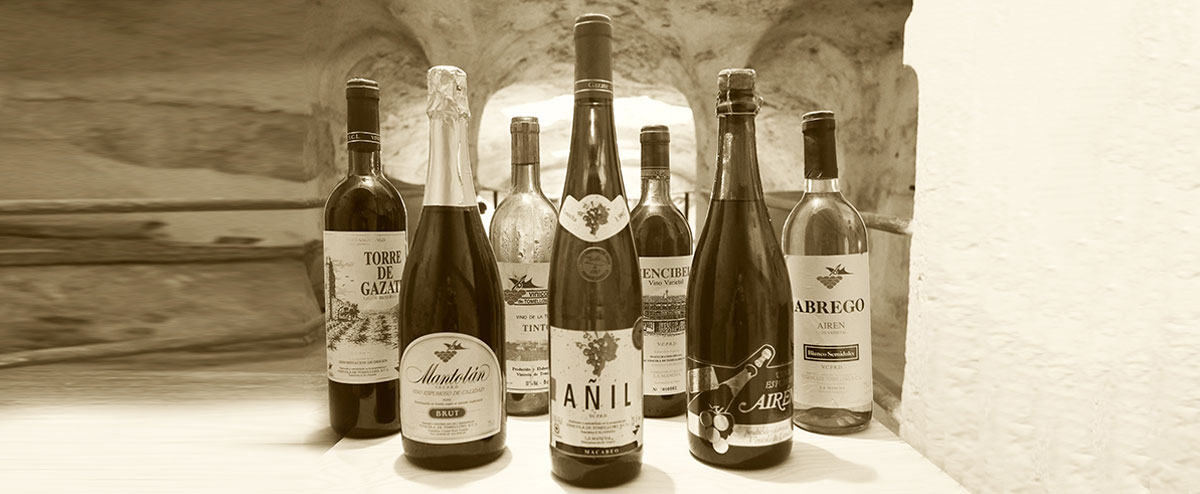
Among the whites we have the classic Airén –emblem of our viticulture-, Chardonnay, Gewürztraminer, Macabeo or Viura, small-berry Muscat, Parellada, Pedro Ximénez, Riesling, Sauvignon Blanc, Torrontés, Verdejo and Viognier.
And among the reds we have Bobal, Cabernet Franc, Cabernet Sauvignon, Cencibel or Tempranillo –our native red grape par excellence and emblem of Spanish viticulture-, red Grenache, Graciano, Malbec, Monastrell, Moravía dulce or Crujidera, Petit Verdot, Pinot Noir and Syrah.
Experiences to enjoy in D.O. La Mancha
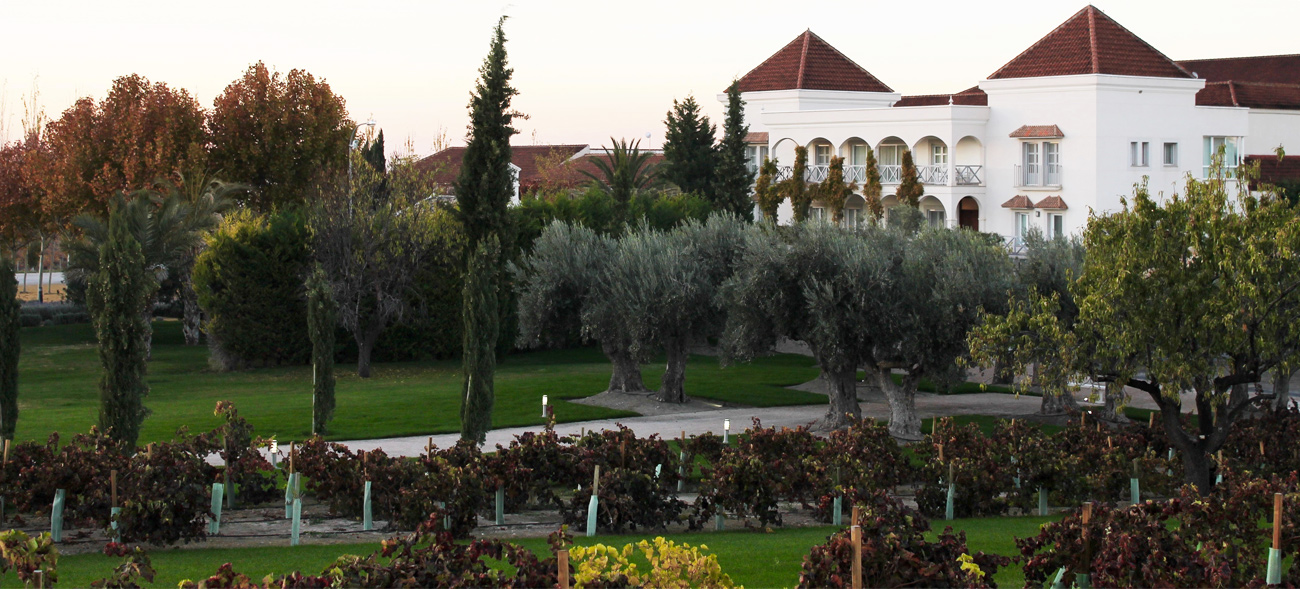
Discover this wine-growing region located in an ideal area such as La Mancha