Wine tourism in D.O. ALELLA
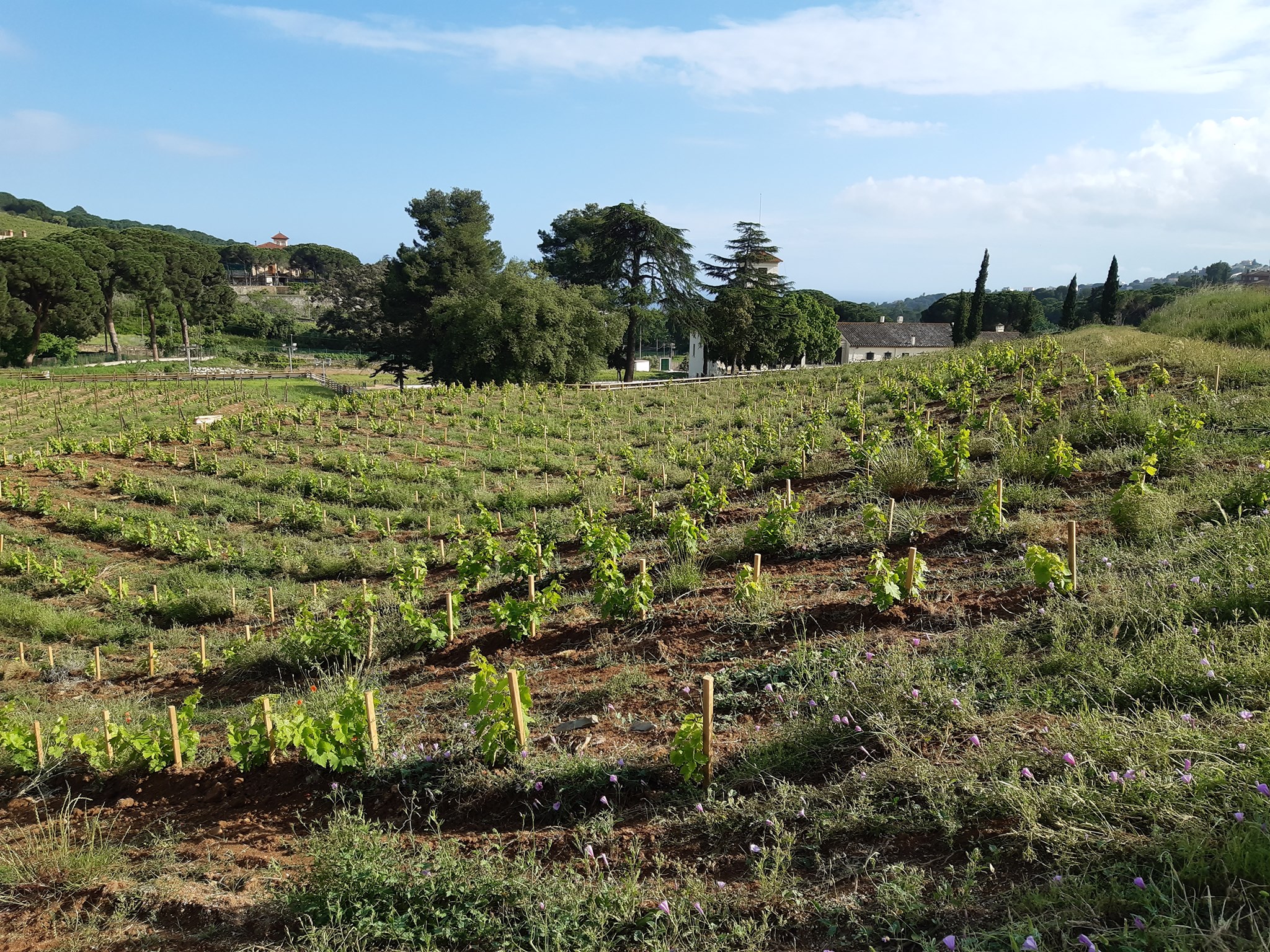
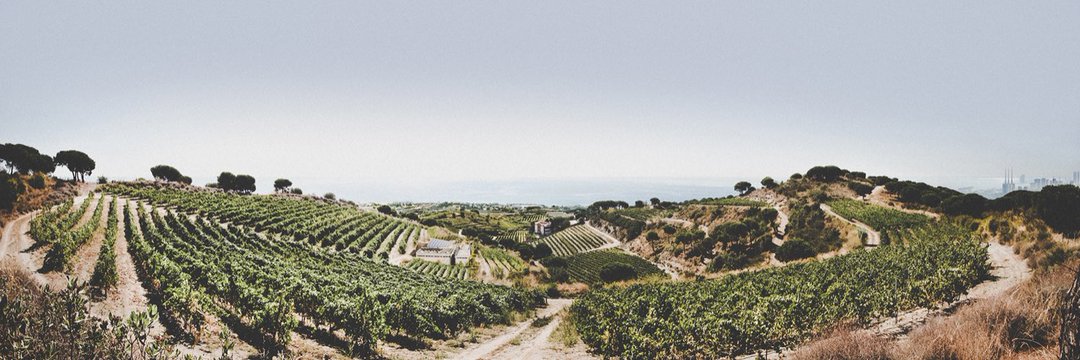
Located between the sea and the mountains, surely one of the most surprising and appealing mysteries of Alella wines is their very existence, the product of small vineyards, sometimes hidden from the curious gaze of visitors, which for many years fought for their survival in an admirable and unequal rivalry against the expansion of a large, upscale urban area. Fortunately, today it is a battle won, since most of the DO Alella vineyards lie under the protection of safeguarded natural settings, which include the Montseny park (declared a biosphere reserve in 1978), the Serralada de Marina park, the Serralada Litoral park, the Montnegre-Corredor park and the Vall del Tenes.
A unique region for unique wines
The Alella Designation of Origin is one of the smallest and also one of the oldest on the Iberian Peninsula. It is said that even the Romans stored their wine amphorae in Tiana, a small locality that served as capital at that time, and that ships loaded with wine set out from the Maresme towards the cities of the Spanish Cantabrian coast. There, together with wines of other origins, they undertook the long voyage to the Indies. This historical origin, however, was not centred on the vineyard or the Alella wine as we know it today, but on the primarily red wines produced throughout the Maresme area, which enjoyed great prestige at the time and were also the favourites of the canons of the See of Barcelona in medieval times.
The land and the climate
The DO Alella is located north of Barcelona and, according to the DO Alella, some 227 hectares of vineyard are cultivated, spread across two regions: the Maresme, facing the Mediterranean, and, on the other side of the Coastal Range, the Vallès Oriental.
Zones
The Vallès Oriental region features a great variety of natural landscapes right next to the cities. The climate differs according to the area owing to the terrain's orography: it is Central Pre-littoral Mediterranean on the Vallès plain, Northern Pre-littoral Mediterranean in the Montseny massif and, in the south of the Moianès plateau, Continental Mediterranean.
Microclimates
The climate of the Maresme is Central Littoral Mediterranean. The average annual rainfall ranges between 550 mm and 800 mm, with the highest values reached in the north and in the Montnegre area and the lowest in the coastal villages in the south of the region. The rainiest season is autumn and the driest is summer. As for temperature, winters are moderate and summers hot.
WhitesRecommended varieties: Pansa blanca (Xarel·lo) and Garnacha blanca.Authorised varieties: Macabeo, Malvasía, Moscatel de grano menudo, Parellada, Picapoll blanco, Chardonnay, Chenin blanc and Sauvignon blanc.RedsRecommended varieties: Garnacha tinta.Authorised varieties: Cabernet Sauvignon, Garnacha peluda, Merlot, Monastrell, Pinot Noir, Samsó or Mazuela, Sumoll tinto, Syrah, Ull de Llebre or Tempranillo.
WINE VARIETIES
White, rosé, red and sweet wines are made in all their versions, as well as sparkling wines under the DO Cava.Their common denominator is minerality, above all in the white wines, whatever the method of elaboration. This characteristic is found both in the white and red wines of the maritime side, in the Maresme region, and somewhat less perceptibly on the inland side, in the Vallès Oriental region.This minerality comes from the type of terroir, a granitic subsoil that at the surface breaks down into small grains, known as «sauló». A terroir with good permeability makes it necessary for the vine to send its roots deep to seek the water and the various nutrients that the terroir provides. In this way it creates a slight «stress» which, when well controlled, also helps to regulate grape production per vine. In fact, the small difference in taste we can appreciate in the wines made on the maritime side compared with those made on the inland side is that inland wines have a more present acidity.
Experiences to enjoy in D.O. Alella
Discover this wine-growing region located between the sea and the mountains.