Wine tourism in D.O. Txacoli de Álava
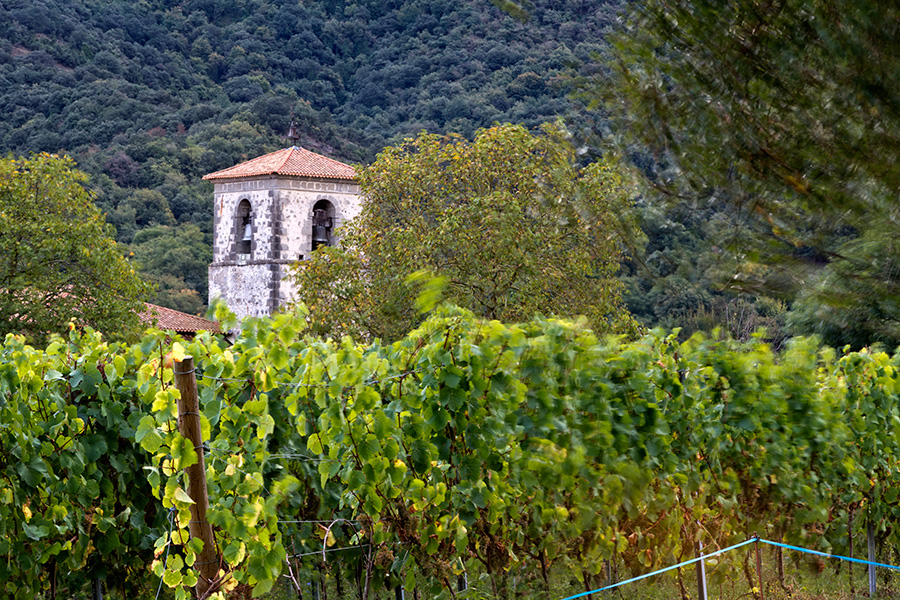
This DO dates from 2004. Viticulture has been and is one of the driving forces that prevented the abandonment of the countryside in Álava, being a crop with more than a thousand years in the area, since it is known from writings that under the reign, in 864, of Ordoño I, king of Asturias, the vineyards of the area are named, and in San Millán de la Cogolla texts are kept that speak of the wines of this area dated to more or less the same period. Like the rest of the txakolis, since 1990 the quality has been improving and its advances are becoming notable.
A unique area for unique wines
Txakoli is a special wine always linked to the Basque people and, until now, mainly tied to the coast. Thus it has a great tradition in Guipúzcoa, Bizkaia and the Álava county of Ayala. Currently the txakoli vineyard is established in the three historical territories, although with little quantitative significance compared to the wine of the Rioja Alavesa. Some 300 hectares correspond to Bizkaia (scattered across almost the whole province, although the Bakio county and the Encartaciones stand out) with a production of approximately 2,000,000 bottles.Álava has a production of approx. 500,000 bottles. According to Dr Juan Uruñuela, the meaning of “txakoli” as we know it today is “farmhouse wine” or “wine made at the farmhouse”, which derives from the Basque “etxakoa” (that made at home) and its evolution to “etxakon”, which comes to mean neighbour of the house, arriving at the word “txakon”, and finally “txacolin” or “chacolin”
The land and the climate
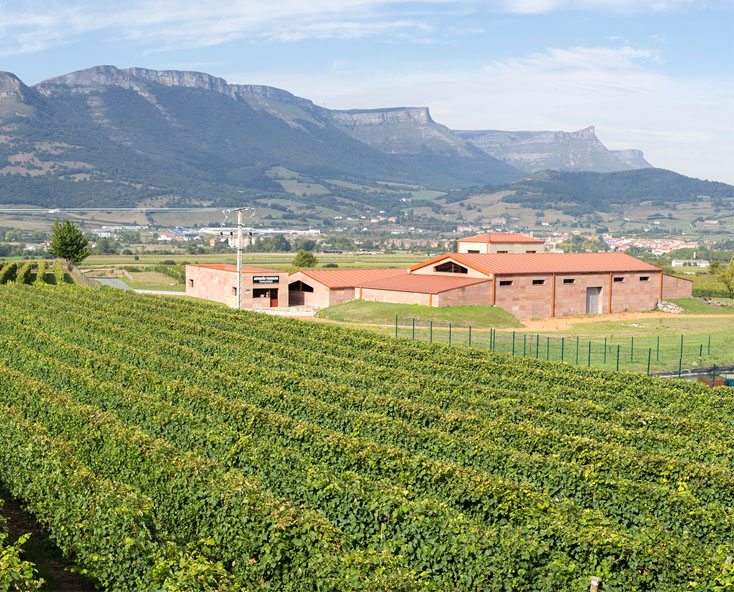
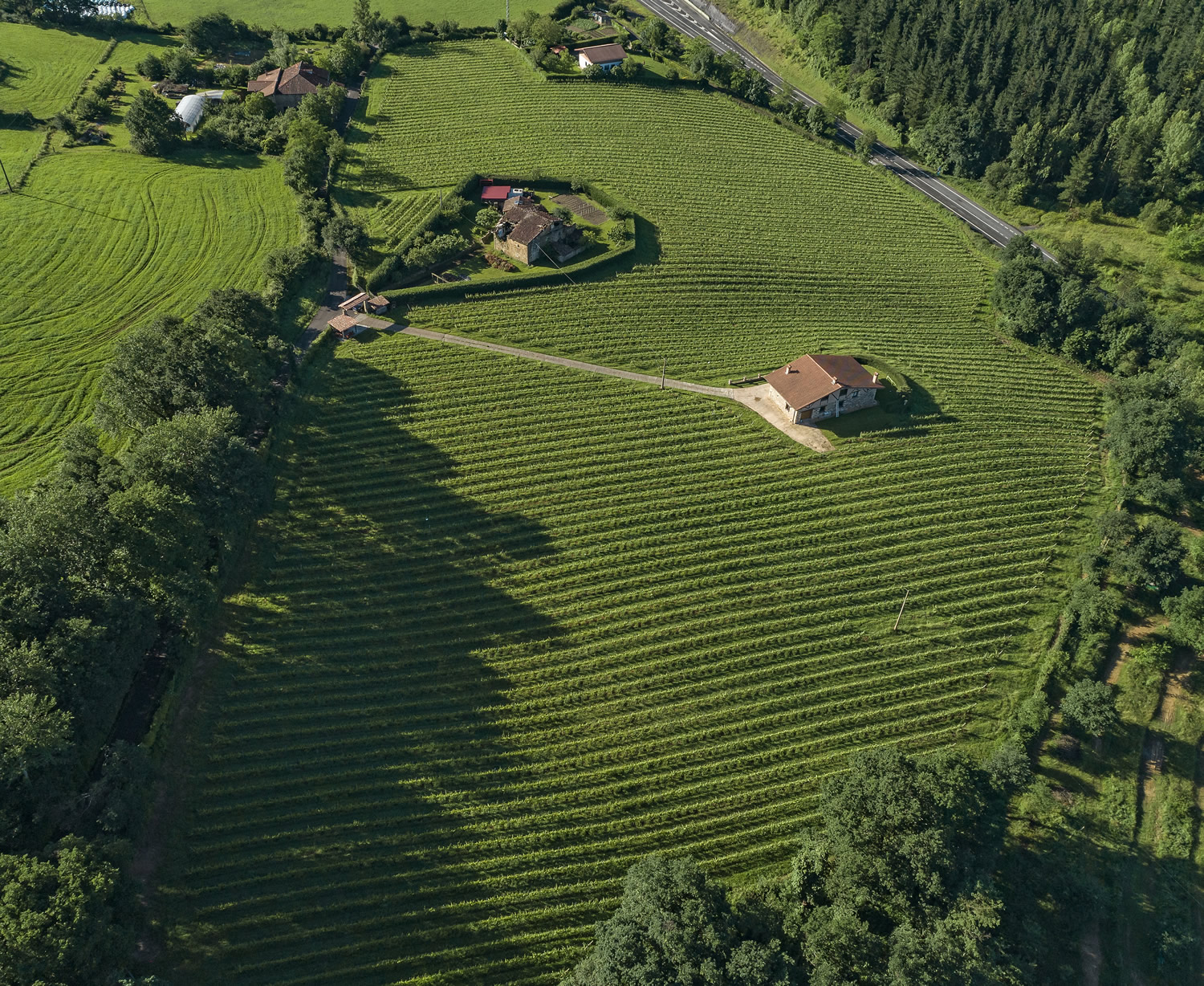
The Denomination of Origin is geographically confined to the county of Ayala, which is made up of five municipalities: Aiara, Artziniega, Amurrio, Laudio and Okondo and is located in the northern part of Álava, to whose Atlantic climate the selected autochthonous vine varieties adapt perfectly.
Zones
Soils
Soil pH: between 7.5 and 8Active limestone: between 7.2 and 9.2
Microclimates
The county of Aiara is located in the northern part of Álava, to whose Atlantic climate the selected autochthonous vine varieties adapt perfectly, such as the Hondarribi Zuri and the Hondarribi Beltza, which are the main varieties. Sufficient sunshine time and moderate rains mean that the grape is harvested with a strength of around 12º, provided that the dreaded risk of spring frosts is overcome, which threaten above all the plantations located below the slopes of the Sierra Salvada.
White varieties: Hondarrabi Zuri and Hondarrabi Zuri Zerratia are varieties perfectly adapted to our microclimate. The Hondarrabi Zuri variety provides aromatic and gustatory quality with great organoleptic potential and is a grape that marks a great difference from the other varieties.
The Ondarribi Zuri Zerratia has less vegetative vigour, its berries are more closely packed, providing greater floral and vegetal aromas and a touch of bitterness that characterises the wines made with this variety.
In general both varieties have a lot of personality and in tasting they are easily recognisable for all they bring to the txakolis.
The following may not together exceed 20%: Gross Manseng, Petit Manseng and Petit Corbu
Experiences to enjoy in D.O. Txacoli De Álava
Discover this wine-growing region located in the province of Álava.