Discover all the experiences, the best spots and the widest wine tourism offer in Asturias on Visitar Bodegas. Find out more!
Especially at weekends and during the harvest, spots fly. Secure your visit by booking online.
Spring and autumn show off the vineyard; the harvest, around September, is the most special, with tastings and activities among the vines.
Check opening hours, languages and whether the visit includes a tasting before setting off.
Combine the winery with the food and the villages of Asturias to round off the day.
If you drive after the tasting, do so in moderation or designate a driver.
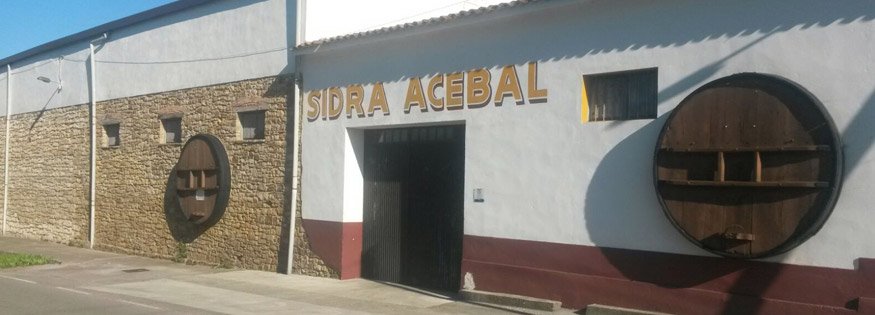
Stepping into a llagar (cider house) can be one of the most fun experiences you will ever have. You will be amazed by its imposing chestnut barrels holding up to 30,000 litres, the warmth of the llagareros and how craft the making process is. If you are lucky enough to coincide with the harvest season, between October and November, all the better. Many cider houses combine the visit with a tasting of cheeses and typical products, and some offer “espichas”, an informal meal where omelettes and chorizo in cider are never missing. Its origin goes back to the moment when it was time to taste the new cider straight from the barrel, around spring — a feast shared with family and friends. “Espicha” was the small pointed wooden gadget that plugged the hole through which the cider came out.
Little by little it has become established, and consumers are increasingly aware of the added value it entails. Since 2002 the PDO has guaranteed that the apple is Asturian, and carries out quality controls with the aim of offering the best cider on the market.
D.O.P. Sidra De Asturias✓ Bookable
D.O.P. Sidra De Asturias✓ BookableSidra natural escanciada, símbolo de Asturias. Uvas: manzana asturiana.
See the D.O.P. Sidra De Asturias →Asturias is a land of cider, and its wine tourism looks to the southwest, to Cangas del Narcea, cradle of the wines of the D.O.P. Cangas. There and in villages such as Corias or Tineo, village houses and rural hotels abound among the hillside vineyards, a surprising landscape in the green heart of the north.
For the cider route it is best to make your base in the Comarca de la Sidra, in Villaviciosa, Nava or Gijón, with plenty of charming hotels and indiano mansions. Oviedo serves as a hub for radiating out to the apple orchards and cider houses of the whole region.
Asturian cuisine is emphatic: fabada with its compango, pote, fabes with clams and the cachopo that triumphs throughout the region. The cheeses are a religion apart, with Cabrales from the Picos de Europa and Gamonéu at the head, perfect for pouring a good natural cider.
From the coast come monkfish, sea urchins and market-fresh fish; from the interior, the lamb and game of Cangas, which pairs with its high-altitude reds. For dessert, scorched rice pudding, casadielles and frixuelos, festival sweets with history.
The Picos de Europa are the great setting: the Lakes of Covadonga, the Cares Route and the sanctuary of Covadonga concentrate nature and devotion. The coast offers the beaches of Gulpiyuri, Torimbia and the blowholes of Pría, plus seafaring towns such as Cudillero, Lastres or Llanes.
Pouring cider at a cider house, the routes through the Somiedo brañas with their teitos and bears, and the pre-Romanesque of the Naranco round out very varied plans. In Cangas del Narcea, the hillside harvest and the gorges of the Narcea add wine to the adventure.
Asturias safeguards pre-Romanesque art, with Santa María del Naranco and San Miguel de Lillo above Oviedo, jewels of the Asturian kingdom and World Heritage. The Cámara Santa of the cathedral holds the Cross of Victory, a regional symbol born in Covadonga.
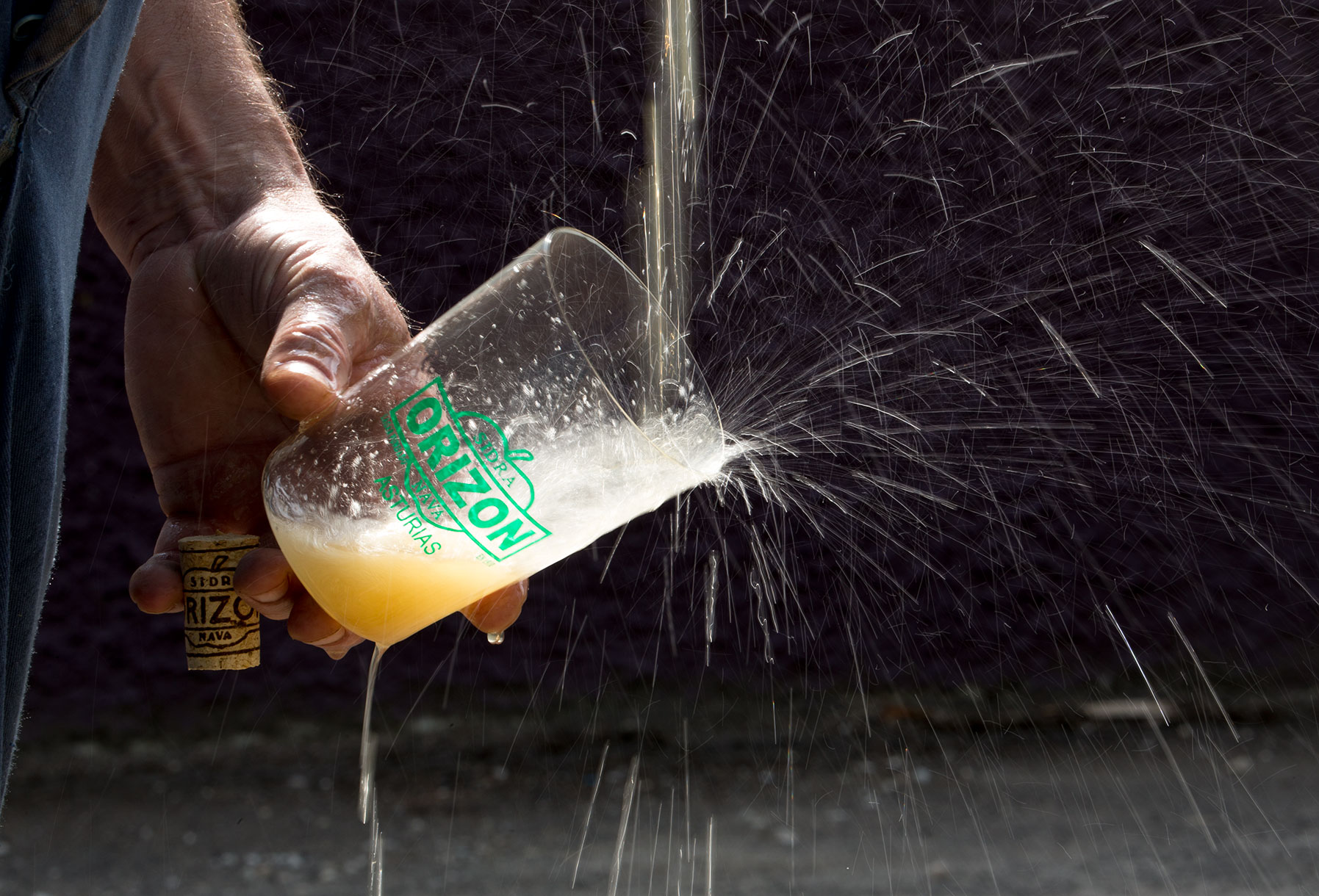
The culture of cider, recognised by UNESCO, lives in the cider houses, the espichas and the ritual pouring. The mining basins, the indiano mansions and the Asturian tongue, bable, complete a strong identity that in Cangas is also proud of its historic wine.
The Picos de Europa gather campsites and areas near Cangas de Onís, Arenas de Cabrales and the Lakes of Covadonga, a perfect base for high-mountain hiking. The Somiedo Natural Park, a Biosphere Reserve, offers brañas and lakes to camp among the mountains.
The Cantabrian coast concentrates seaside campsites in Llanes, Ribadesella and Tapia de Casariego, with spectacular beaches and cliffs. Travelling by motorhome through the west, towards Cangas del Narcea and the Fuentes del Narcea Park, unites nature, wine and cider.
In the autonomous community of Asturias, in northern Spain, the climate is cool and humid, due to the influence of the Atlantic Ocean. Winters are relatively mild and rainy, and summers are cool and cloudy. Atlantic weather systems can pass through all year, though they give a relative respite in summer, when drizzle and short showers can still occur. The wind blows frequently, so there are several beaches popular with surfers. Fog is also frequent: it can occur all year round when there is no wind, and also on summer nights, especially along the coast and in the valleys.
Rainfall is quite abundant, around 1,000 millimetres a year on the coast and in the mountainous areas, and frequent, especially from October to May, while in summer its frequency drops a little. Because of the abundance and frequency of rain, the landscape is green. On the coast of Asturias, or Costa Verde — rugged and marked by bays and natural caves — there are several beaches and places such as Cabo de Peñas, Luarca, Luanco, Avilés, Gijón, Cudillero, Llanes and Ribadesella.
Choose your winery, book your visit and experience wine where it is born.
View wineries →