Wine tourism in D.O.P. Sidra de Asturias
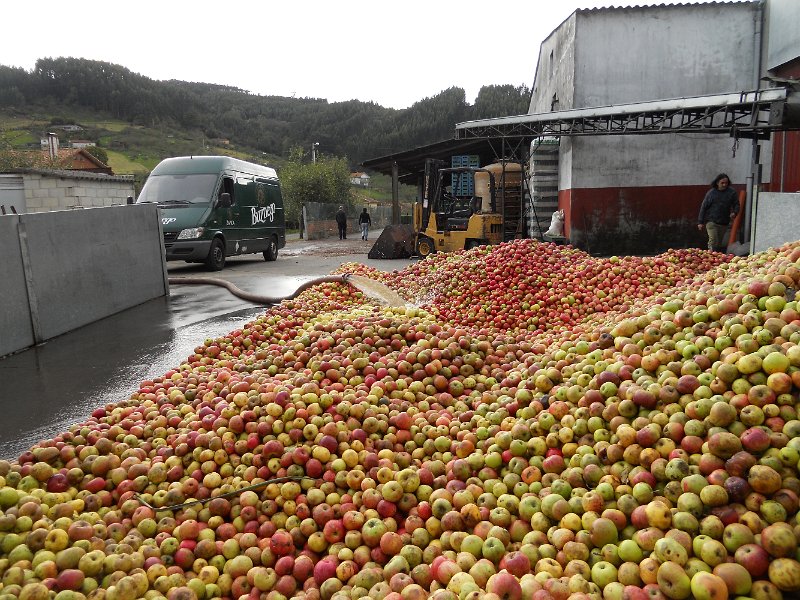
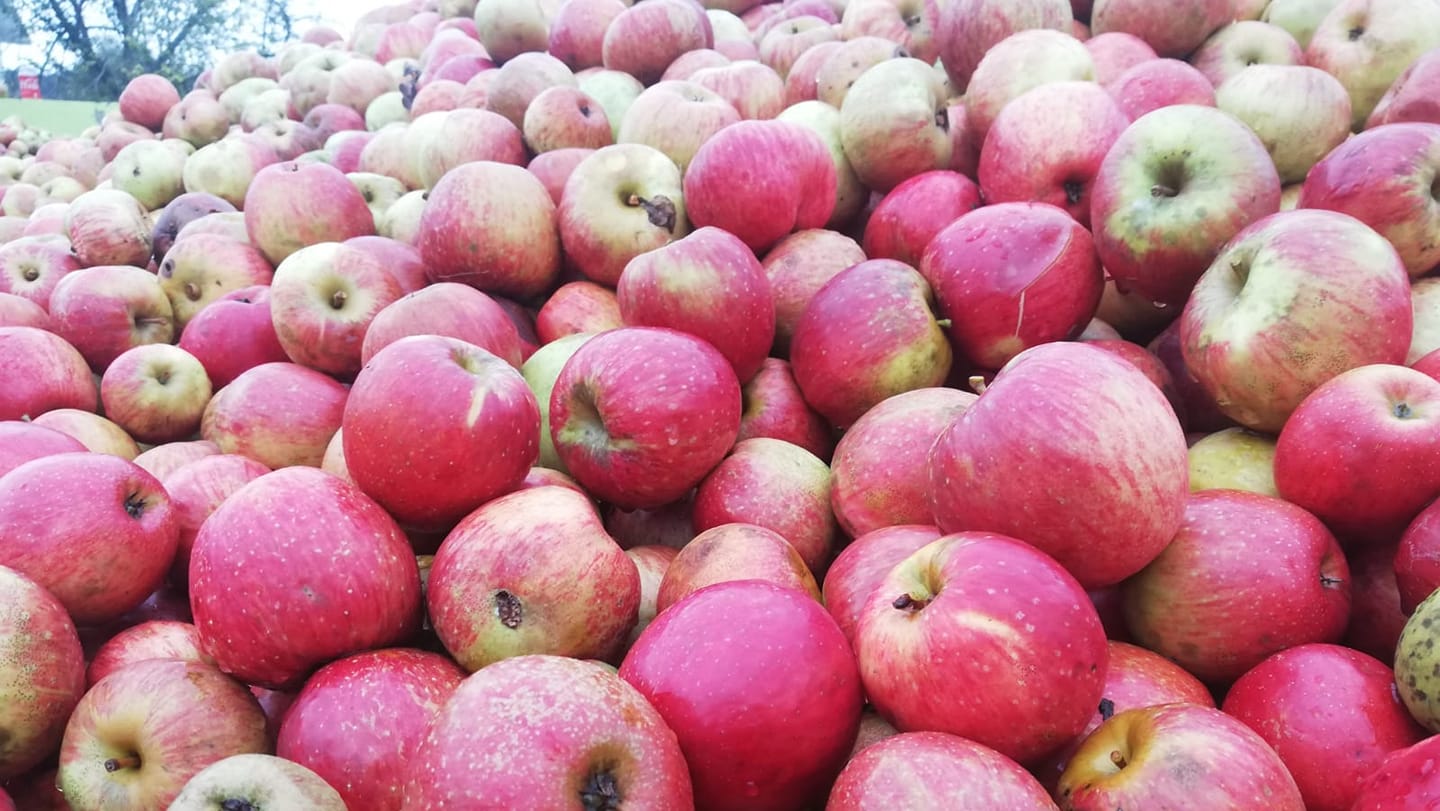
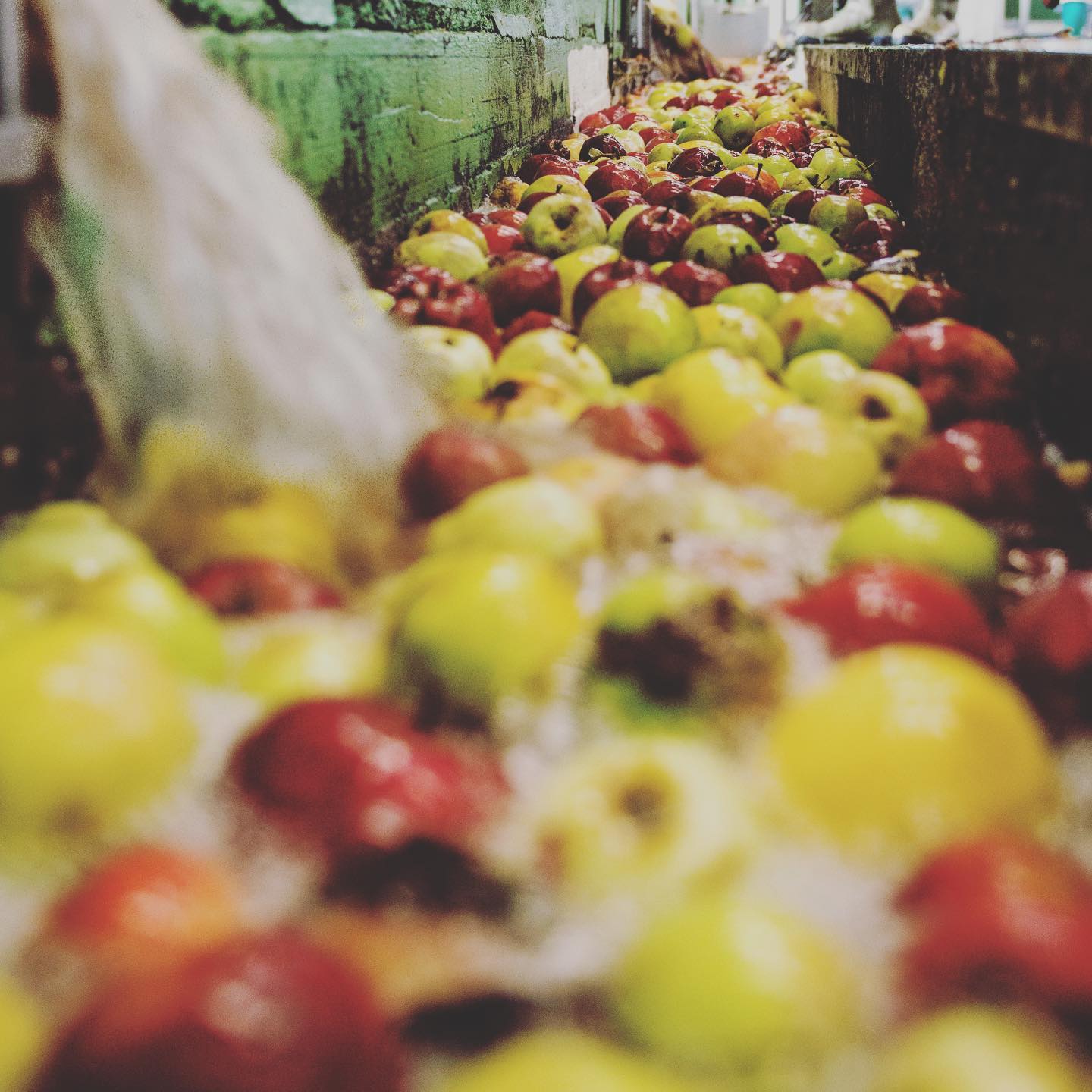
Asturian cider from the D.O.P. Sidra de Asturias is made with selected apples from the 76 varieties recognised by the Regulatory Council. From their musts, both traditional ciders to be drunk poured (escanciada) and brut or sparkling ciders are made.
A unique area to enjoy cider
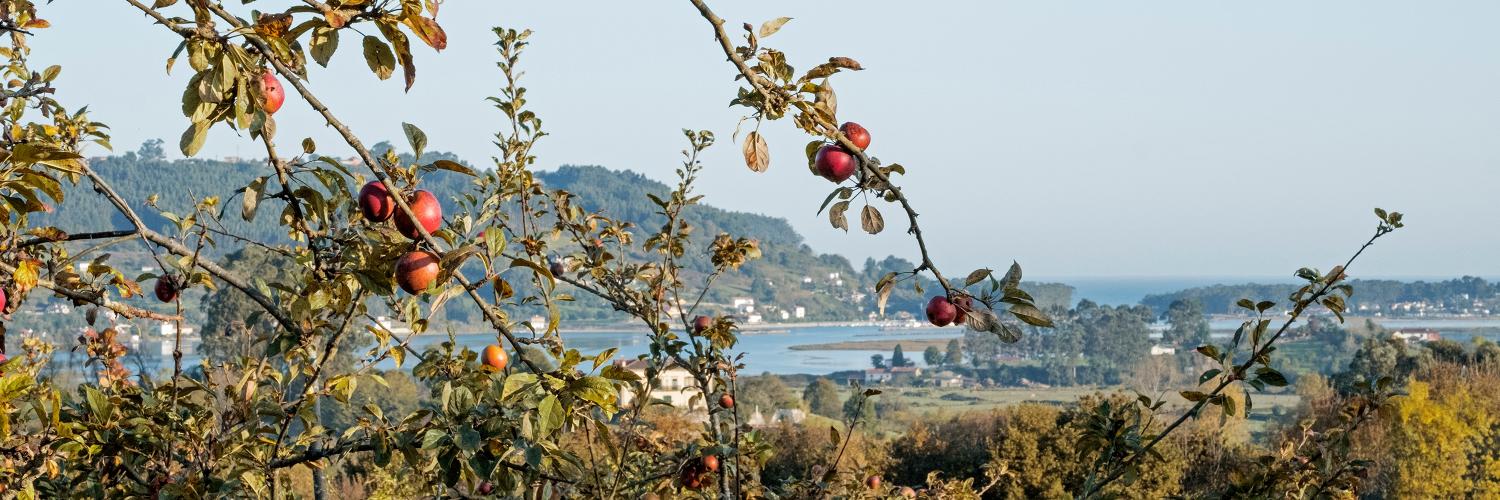
The apple-growing and production area for the products protected by the DOP Sidra de Asturias covers all the municipalities of the Principality of Asturias. The apple orchards and cider houses (lagares) are distributed across different areas of the protected region, covering the whole territory. The area dedicated to growing cider apples registered with the Regulatory Council is 928 hectares, corresponding to 785 plantations belonging to 358 producers.
Traditionally, apple trees in Asturias are cultivated extensively, with a mixed use of cider apple and natural pasture. Due to the marked smallholding structure of Asturian farms, this combination of livestock activity with the production of apples destined for cider-making shapes much of the socioeconomic characteristics of the Asturian rural environment, thus providing supplementary income within the family farm, which in turn helps to some extent to prevent the rural exodus, generating an activity that cares for the environment and retains population.
Zones
The apple orchards and cider houses are distributed across different areas of the protected region, covering the whole territory. It is worth noting that, although the delimited geographical area is 10,560 km2, we must not forget that Asturias is one of the most mountainous regions in Europe, which greatly limits the useful agricultural area for this type of cultivation, located in small valleys and hillsides throughout the aforementioned territory.
The products protected by the Designation of Origin are the following:
- Natural cider: is the beverage resulting from the total or partial alcoholic fermentation of fresh apple or its must, made following traditional practices, without the addition of sugars, containing carbon dioxide of exclusively endogenous origin. Its minimum acquired alcoholic strength shall be 5% by volume.
- Cider: is the beverage resulting from the total or partial alcoholic fermentation of fresh apple or its must. Its minimum acquired alcoholic strength shall be 5% by volume. Cider containing less than 30 g/l of sugars is called dry; semi-dry between 30 and 50 g/l; and sweet when it contains more than 50 g/l up to its maximum limit of 80 g/l.
Both products are made from cider apple varieties traditionally cultivated in the production area.
The pouring (escanciado)
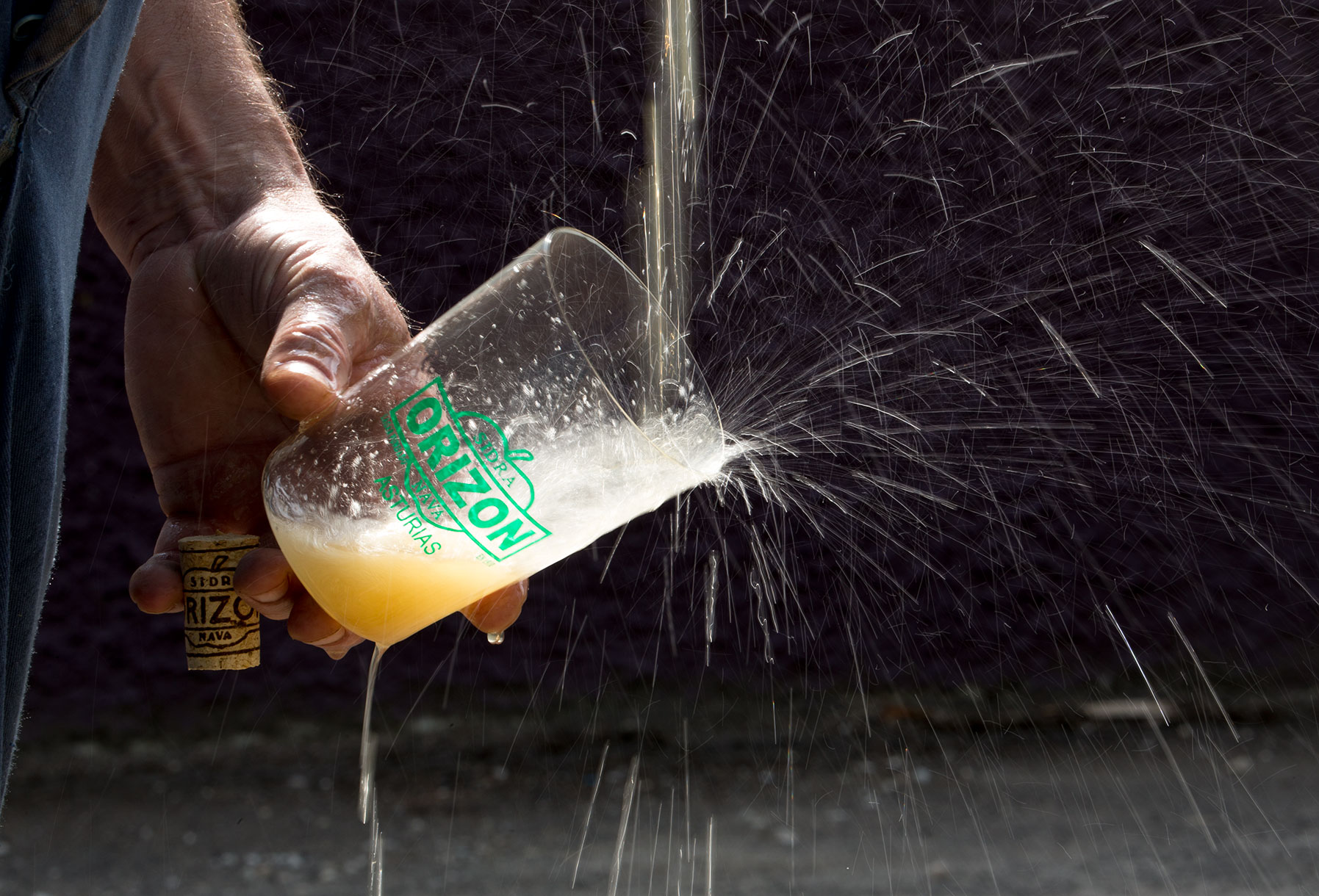
To release the carbon dioxide and reach the freshness of its flavour, traditional natural cider must be served using a very particular technique, the escanciado (pouring), which requires considerable skill and precision.
Good raw material and its handling are important to achieve a good result. The establishment must store the cider in a cool place and, when it is to be served, its temperature should be 12 - 14ºC.
For decades, the pourers have used their technique to bring traditional natural cider to its highest point of quality. With thistechnique the flavour and aroma of this type of cider are noticeably improved.
Specific glasses should be used for this, cider glasses, with the thinnest possible glass, and the amount of poured cider (culete) should not be less than 100 ml.
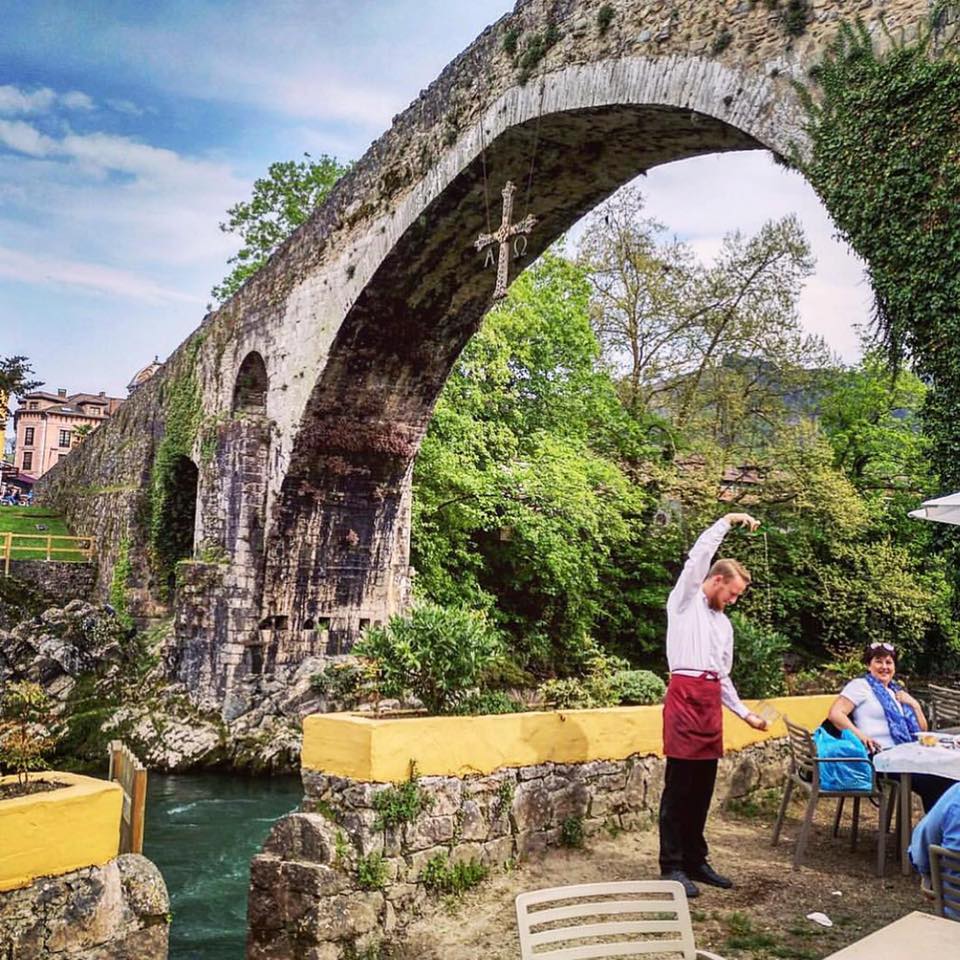
The pouring involves adopting an upright posture, holding the bottle high above the head and the glass tilted below the waist, in the centre of the body, so that the stream of cider is straight and falls onto the rim of the glass, awakening the best qualities of this refreshing drink.
Once poured into the glass, this is called a "culete", it must be drunk immediately and in one continuous go to enjoy the flavour of the bubbles that have been revitalised by the pouring.
Experiences to enjoy in D.O.P. Sidra de Asturias
Discover this apple and cider production area in the Principality of Asturias.