Wine tourism in D.O. Vinos de Madrid
Vinos de Madrid is a protected denomination of origin established in 1990 and based in Madrid (Spain). It certifies that these wines have been made in the region of the Community of Madrid (Spain) and that they have passed the relevant quality controls. There are four winegrowing sub-zones protected by the Denomination of Origin «Vinos de Madrid»: the «Arganda del Rey» sub-zone, the «Navalcarnero» sub-zone, the «San Martín de Valdeiglesias» sub-zone and the El Molar sub-zone. In total there are more than 7,461.61 hectares of vineyard belonging to 54 municipalities in the south of the Community of Madrid, with the «Arganda del Rey» sub-zone, located in the south-east of Madrid, being the one that comprises the most municipalities and has the greatest production.
A unique region for unique wines
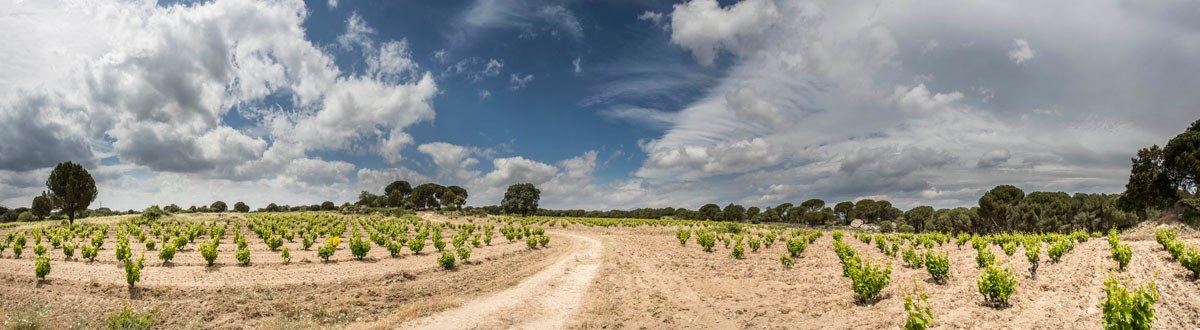
The Denomination of Origin has 8,528 hectares of registered vineyard, spread over 12,387 plots and with 3,038 winegrowers cultivating them. Only a little more than a third of the vineyard area that existed in the province 40 years ago is still maintained. If we take into account the pressure that urban reality exerts on the agricultural sector, an important area of vineyard is still maintained and many families remain linked to this activity.
Located in the south-east of the region, it is the most extensive of the 4 sub-zones, with 30 municipalities and 28 wineries attached to the D.O. Vinos de Madrid. Thus, on Arganda's lands we can find 55.5% of the vineyard area where approximately 60% of the annual production is made by 65% of the winegrowers.
The land and the climate
Through its lands flow the Tajuña and Henares rivers -tributaries of the Jarama- which make it a perfect natural enclave for getting closer to its birdlife. On the other hand, the Arganda sub-zone holds one of the most outstanding historical and artistic heritages of the Community, among which Aranjuez and Chinchón deserve special mention.
Areas
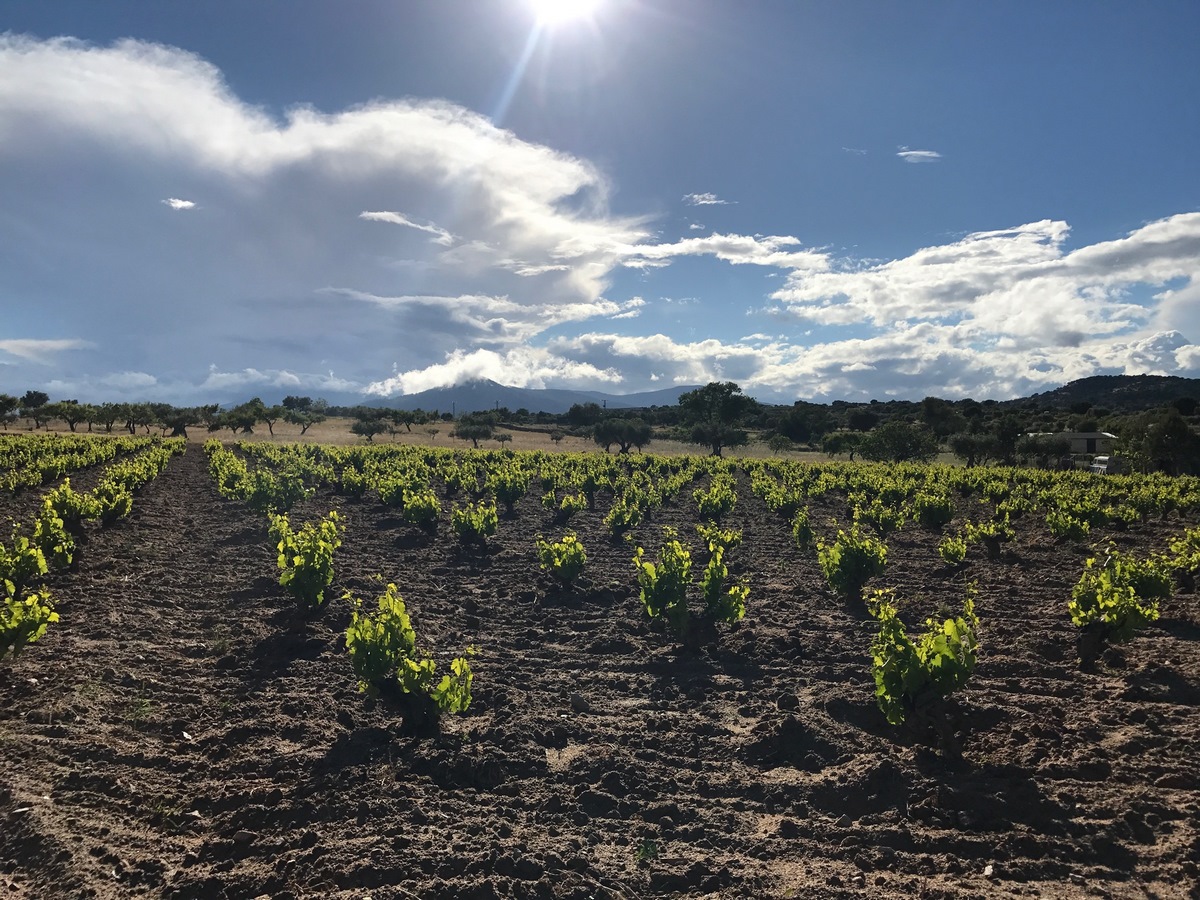
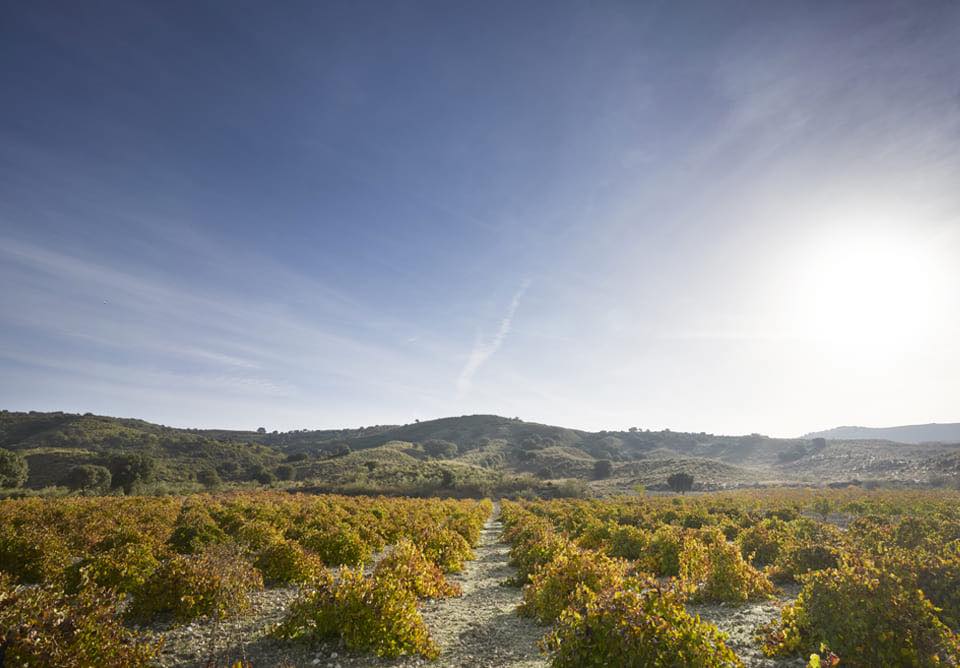
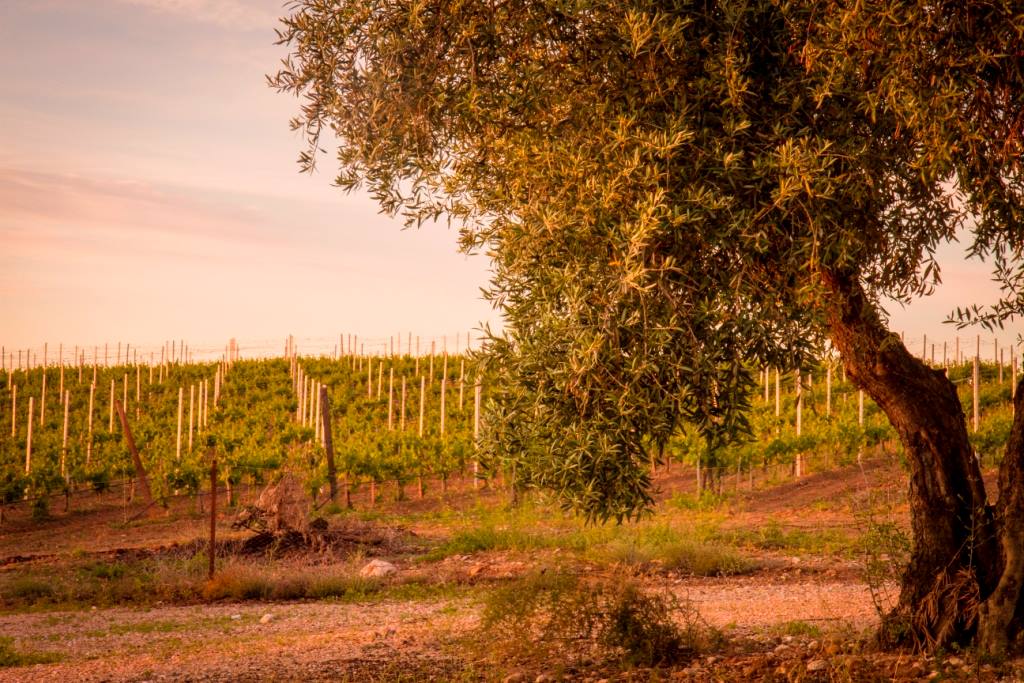
In Arganda sedimentary formations with high limestone content predominate, as well as areas of gypsiferous marls. Here are found the strongest soils, normally with a loam or clay-loam texture. The vineyard is located in three very specific orographic units: in the fertile plains and alluvial flats of the Jarama, Tajuña and Tajo rivers, on terraces and hillsides formed by the erosion of these rivers, and in páramo (moorland) areas, more or less flat elevations between the rivers.
Microclimates
The climate in all these sub-zones is continental, with extreme temperatures ranging from -8 °C minimum in winter to 41 °C maximum in summer. The rainfall ranges between 461 and 658 m above sea level, and the most frequent precipitation is in spring and autumn. Or, in other words: Madrid temperature in its purest state.
The traditional varieties initially authorised by the Regulatory Council of the D.O. Vinos de Madrid are the red tempranillo (also known as tinto fino or cencibel) and garnacha tinta, and the white malvar, airén and albillo. Over the years the Regulation has been amended, authorising more types of foreign grapes, such as the merlot, syrah and cabernet sauvignon (reds), or the viura (or macabeo), moscatel, parellada and torrontés (whites).
The varieties considered preferred in each of the sub-zones are tempranillo and malvar in Arganda, garnacha tinta and malvar in Navalcarnero, and garnacha tinta and albillo in San Martín de Valdeiglesias.
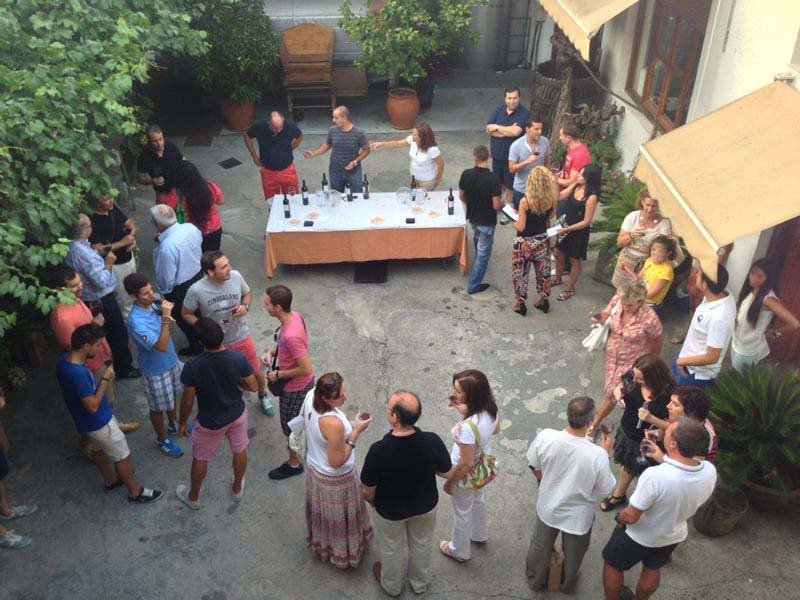
Experiences to enjoy in D.O. Vinos de Madrid
Discover this winegrowing region located in the Community of Madrid.