Family wine tourism: wineries and activities with kids
A guide to family wine tourism: wineries with kids' activities, grape-juice tastings, picnics among the vines, and tips for enjoying
Eight great routes to discover Spain glass by glass. Tap one and explore its bookable wineries.
The cradle of tempranillo and great barrel-aged wines.

Powerful, long-lived reds along the Duero’s Golden Mile.

Atlantic albariño among manor houses, vines and sea.

The capital of cava and the traditional method.

Soleras, criaderas and fortified wines unlike anywhere else.

Licorella wines born in slate mountains.
Fresh, aromatic, food-loving verdejo.
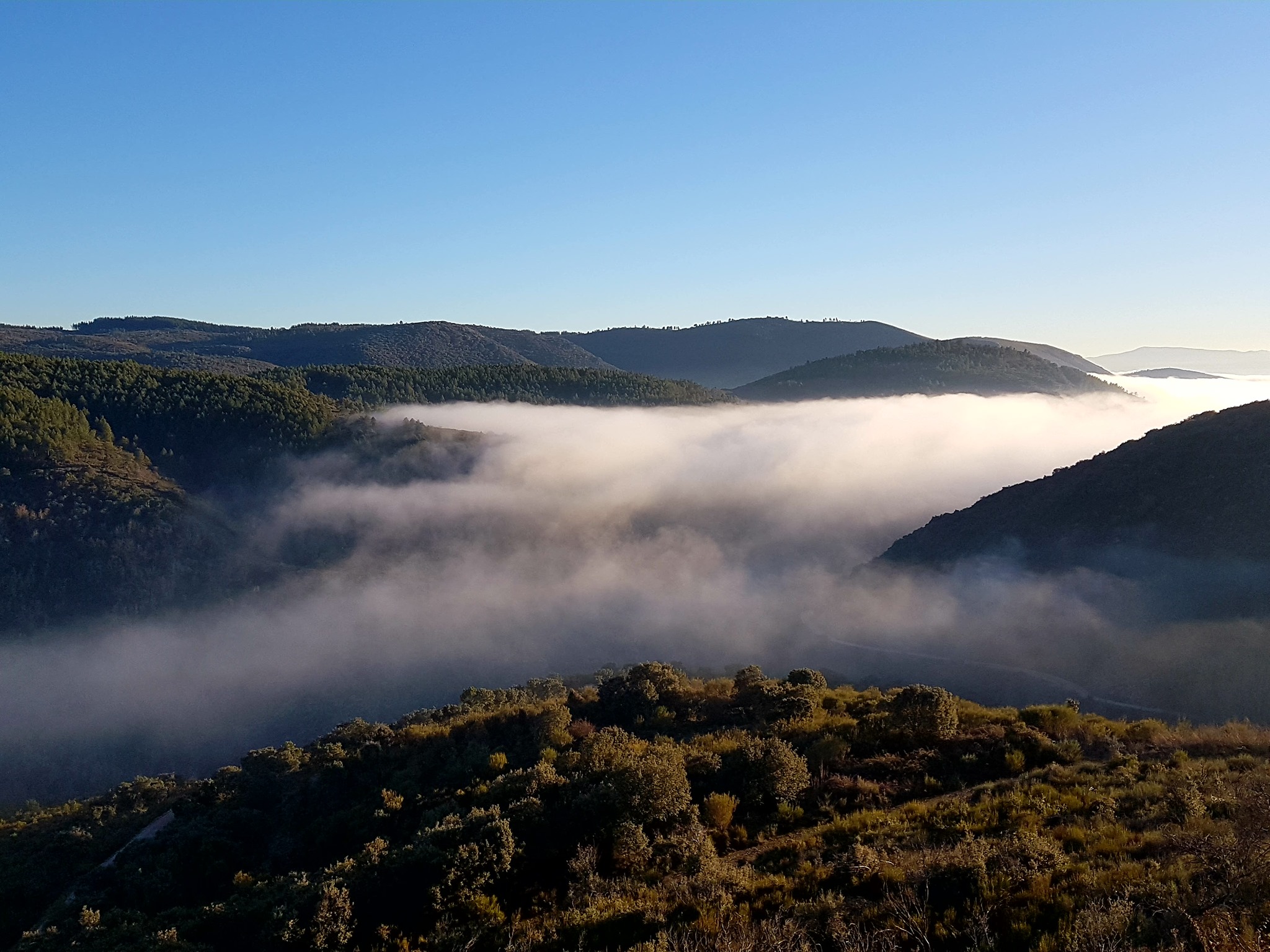
High-altitude mencía among León’s mountains.
Spain has more vineyard area than any other country on earth, and a map of appellations that seems designed to be explored glass in hand. Here are the 15 best wine routes for your next getaway, with the essentials of each, when to go, and how to plan it.
A wine route is a wine-tourism itinerary through a winegrowing area that combines winery visits, tastings, gastronomy, lodging, and heritage. Many are certified by the Rutas del Vino de España association, a seal guaranteeing that member wineries, restaurants, and hotels meet certain quality standards and are genuinely set up to receive visitors. You don't need to cover a whole route: the trick is picking two or three wineries, a good restaurant, and a charming village to build a perfect weekend.
The north is home to the most famous, well-established routes. The Rioja Alta and Rioja Alavesa Wine Route is the undisputed queen: Haro's Barrio de la Estación gathers seven century-old wineries — López de Heredia, Muga, CVNE, La Rioja Alta, Bodegas Bilbaínas, Roda, and Gómez Cruzado — within five minutes' walk of one another, a case unique in the world. Ribera del Duero unfolds its "golden mile" between Peñafiel and Aranda, with red-wine temples like Protos, Pago de Carraovejas, or Emilio Moro. In Galicia, Rías Baixas pairs albariño with seafood among stately manor houses, while the Txakoli Route looks out over the Cantabrian Sea and Navarra's route combines rosé garnachas with the Camino de Santiago.
Penedès is the birthplace of cava: in Sant Sadurní d'Anoia you visit Art Nouveau cellars and descend into miles of underground galleries, all less than an hour from Barcelona by train. Very close by, Priorat offers a dramatic landscape of licorella (slate) and cult wines among the country's most highly rated, with Gratallops and Falset as its bases. Empordà combines vineyards, the tramontana wind, and the Costa Brava, and Terra Alta champions white garnacha.
The Spanish interior is a sea of vineyards. Rueda (verdejo), Toro (powerful reds), and Cigales (historic rosés) round out Castilla y León and combine easily with one another. In Castilla-La Mancha, La Mancha — the largest continuous vineyard in the world — and Valdepeñas offer affordable wine tourism, while Utiel-Requena, with its bobal grape, is just a step from Valencia.
The Jerez and Brandy Wine Route is a must: wine cathedrals, the magic of solera aging, Sanlúcar's manzanilla raised beside the sea, and tabancos with flamenco in the background. Montilla-Moriles, in Córdoba, produces fortified wines related to sherry, and the Málaga Wine Route combines sweet moscatels, the Axarquía, and the beach. On the islands, the volcanic wines of Lanzarote, grown in ash pits in La Geria, offer one of the most spectacular winegrowing landscapes on the planet.
To get it right, think about three things: what wine you're in the mood for (age-worthy red, crisp white, sparkling, fortified), where you're setting off from (there are great routes less than an hour from Madrid, Barcelona, Bilbao, or Valencia), and what kind of trip you want (gastronomic, architectural, family-friendly, or nature-focused). Almost every route pairs wine well with heritage and scenery, so you're unlikely to go wrong.
A wine route is best understood fork in hand. Each region has its classic pairing: lechazo (roast lamb) in Ribera del Duero and Castile, chuletillas al sarmiento (grilled lamb chops) and garden vegetables in Rioja, Atlantic seafood with albariño in Rías Baixas, fried fish and ham with fino in Jerez, or the surf-and-turf cuisine of Penedès. Many wineries have their own restaurant or in-vineyard dining experiences, and certified routes include member restaurants that work with local produce. Booking a paired meal is often the best memory of the trip.
Today's wine tourism goes far beyond the classic tour. Beyond a visit with tasting, you'll find vertical tastings of different vintages, food pairings, vineyard walks on foot, by bike, or by 4x4, hot-air balloon flights at dawn over the vines, grape-harvest experiences in September, blind tastings, aroma workshops, and even wine-therapy spas at winery hotels. Choose according to your group: there are calm, educational plans and more active or festive ones.
The three most common mistakes of first-time wine tourists are: showing up without booking (many wineries don't accept visits without an appointment), cramming too many wineries into one day (more than two or three becomes tiring and less enjoyable), and driving after several tastings. It's also worth confirming the language of the visit if you're traveling with foreign guests, and checking whether the winery is accessible or welcomes pets and children. A little planning turns a good getaway into a great one.
On Visitar Bodegas you can filter by appellation and province, compare prices and languages, and book your visit online in a couple of clicks.
Spain's number one wine tourism portal. We bring you wineries open to visitors, their wines, and their experiences so you can live wine where it's born.
 Routes
A guide to family wine tourism: wineries with kids' activities, grape-juice tastings, picnics among the vines, and tips for enjoying
RoutesA guide to wine tourism in the Jerez region: wine cathedrals, how the solera system works, tabancos with flamenco, and which wineries to visit
RoutesA guide to wine tourism in La Rioja: Haro's Barrio de la Estación, century-old and boutique wineries, villages, gastronomy and routes