Wine Tourism in D.O. RUEDA
The Rueda Designation of Origin has very favourable natural resources for the production of high-quality wines, being an area specialised in the production of white wines, widely recognised internationally. Likewise, since 5 August 2008, red and rosé wines have been protected by the Rueda Designation of Origin.
In 1977 the first meeting took place, at which a provisional Regulatory Board was formed, tasked with preparing the first regulations of the Rueda Designation of Origin.
The Rueda Designation of Origin was recognised on 12 January 1980 by order of the Ministry of Agriculture, being the first Designation of Origin recognised in the Autonomous Community of Castilla y León, after several years working for the recognition and protection of its native variety: the Verdejo.
A unique area for unique wines
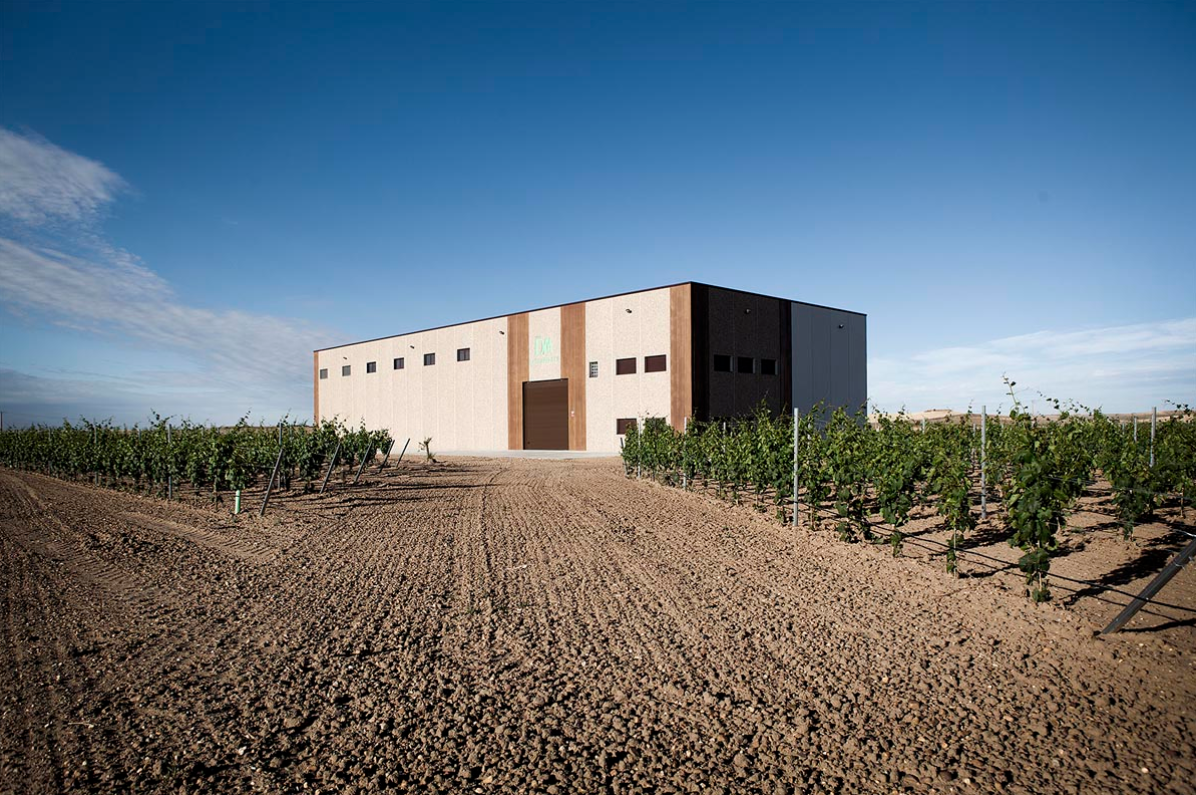
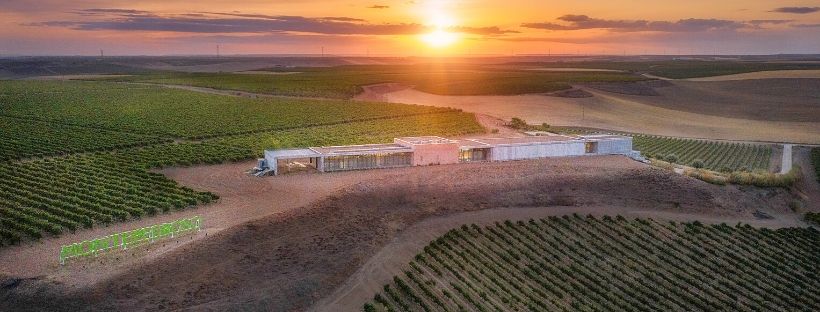
The production area protected by the D.O. Rueda is located in the Community of Castilla y León and is made up of 74 municipalities, of which 53 are located in the south of the province of Valladolid, 17 in the west of Segovia and 4 in the north of Ávila.
The different grape varieties grown are distributed irregularly across the various municipal areas that make up the D. O. Rueda. However, the vineyard reaches its greatest concentration and intensity in the municipal areas of La Seca, Rueda and Serrada. It is the Verdejo variety vineyard that occupies the largest area.
The land and the climate
The Verdejo grape has inhabited the Rueda Designation of Origin for more than ten centuries . Its genius is determined by its aroma and flavour, with nuances of scrubland herb, with fruity touches and an excellent acidity.
The extract, a personality factor of the great white wines, is perceptible through its volume and its characteristic slightly bitter touch that projects on the palate a flash of originality, accompanied by great fruity expression.
Zones
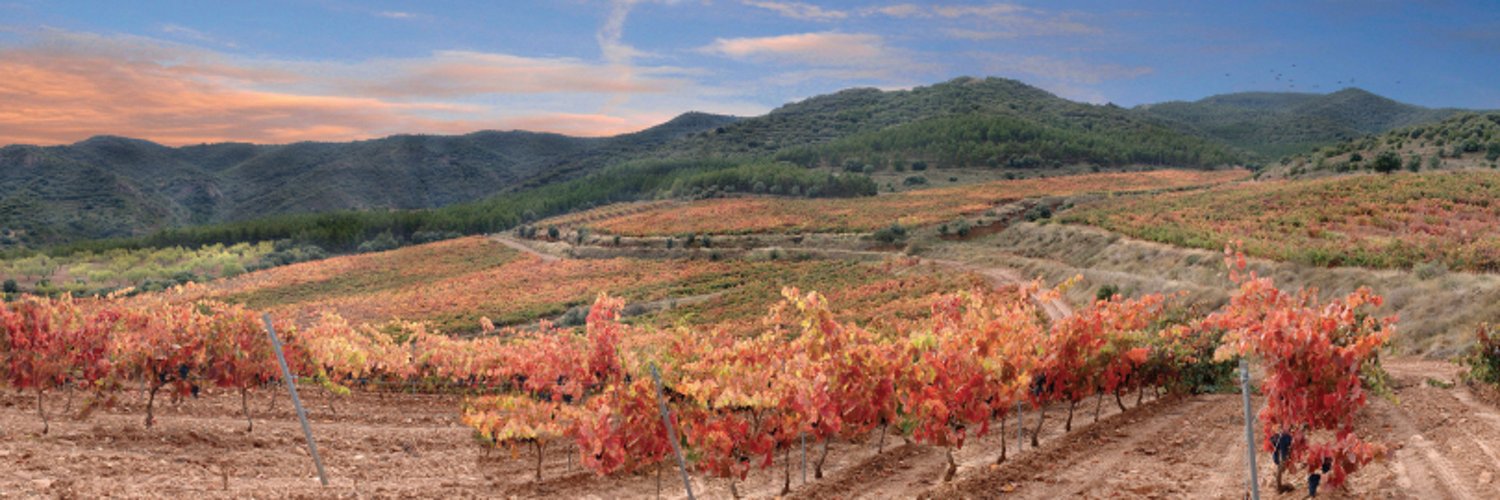
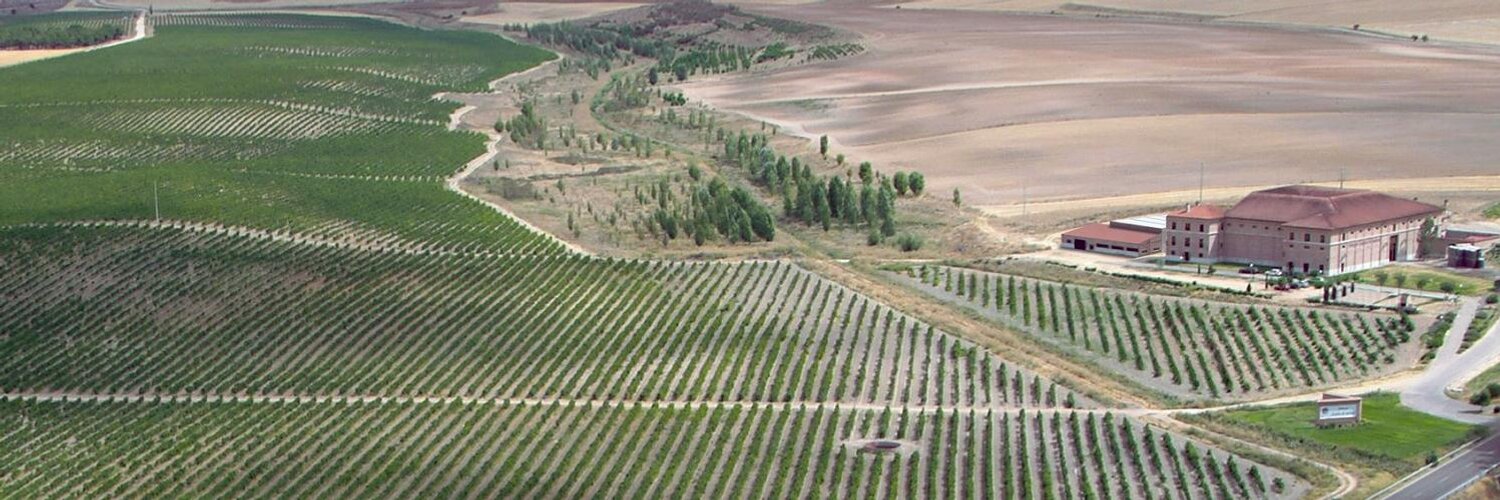
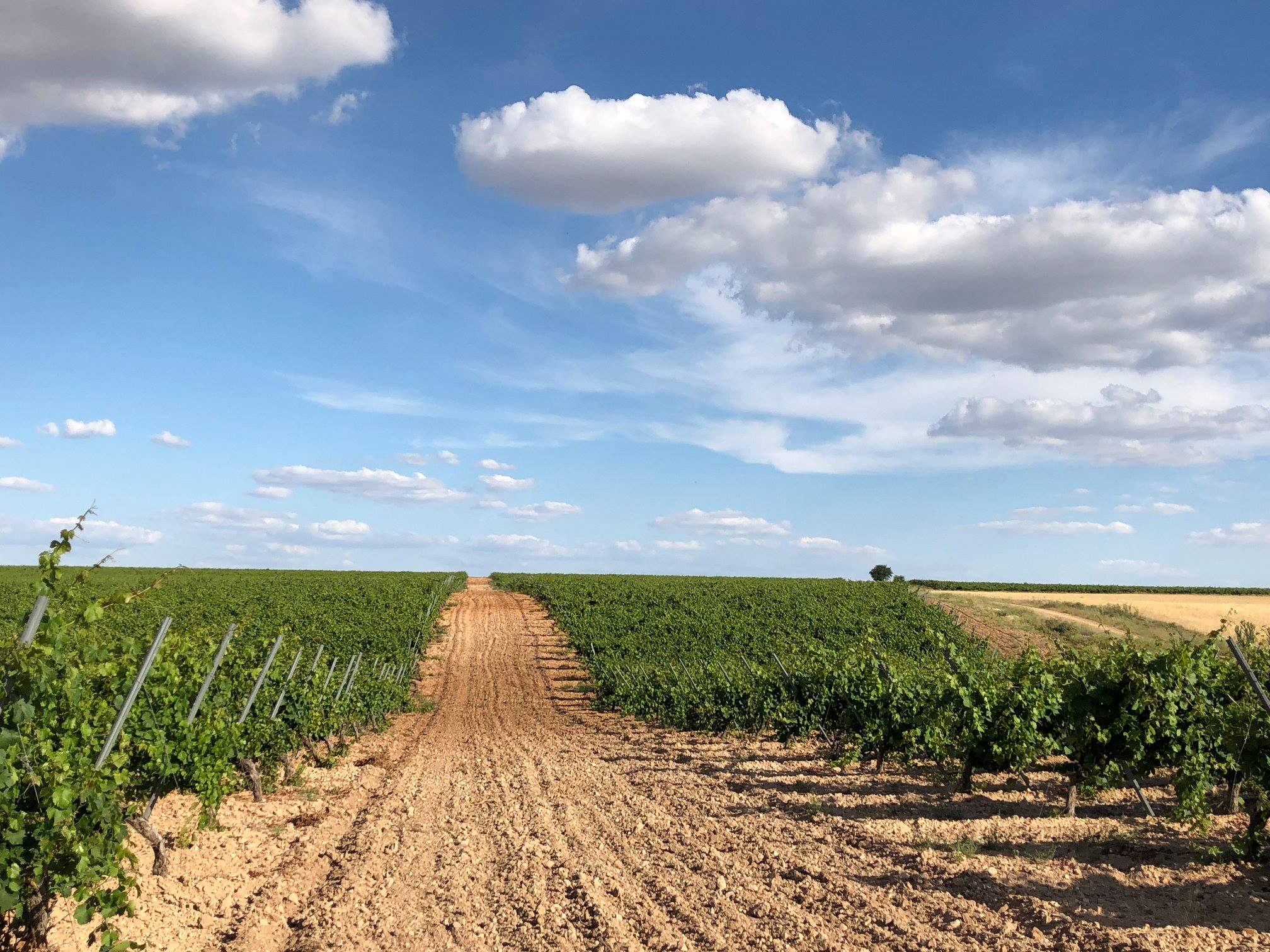
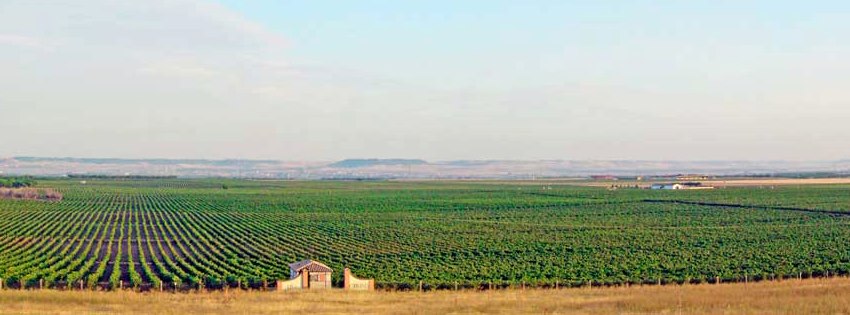
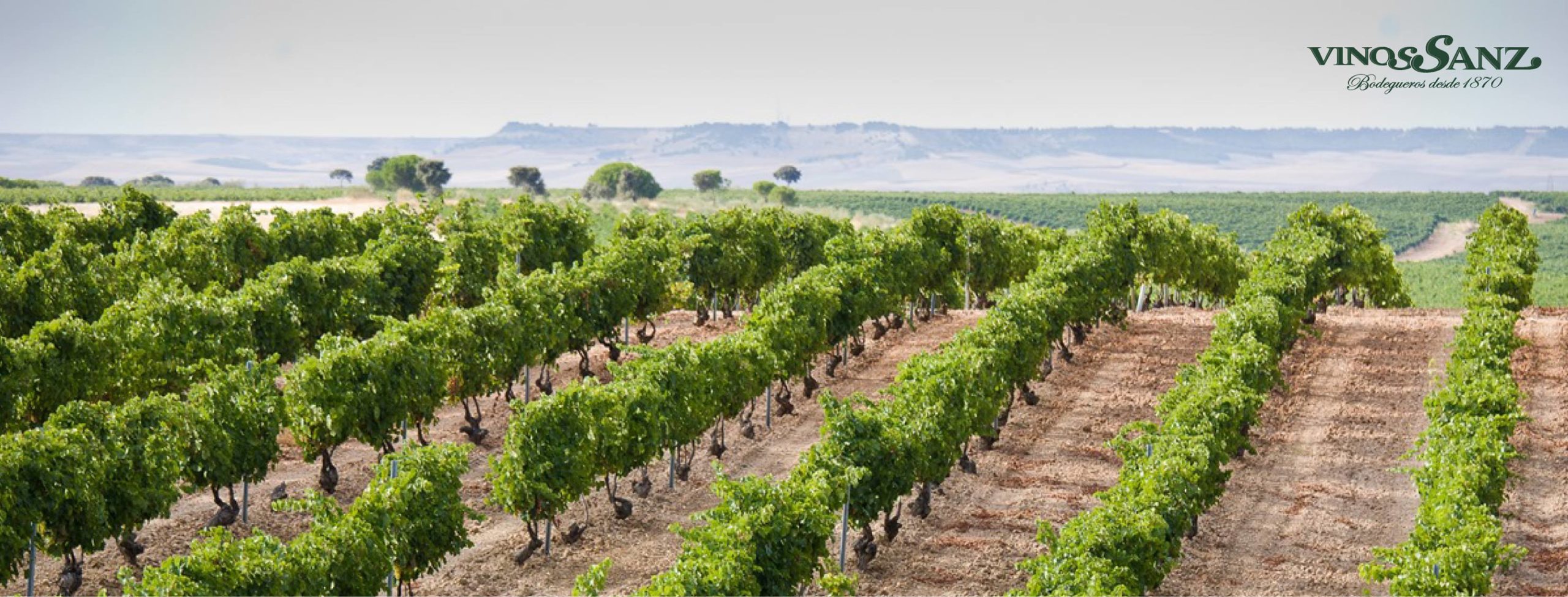
The D. O. Rueda is located in the central sector of the depression formed by the Duero river, constituting a high plateau of gentle relief and slopes exposed to the Atlantic winds. Wide alluvial and diluvial terraces on the banks of the Duero and its tributaries Trabancos, Zapardiel and Adaja.
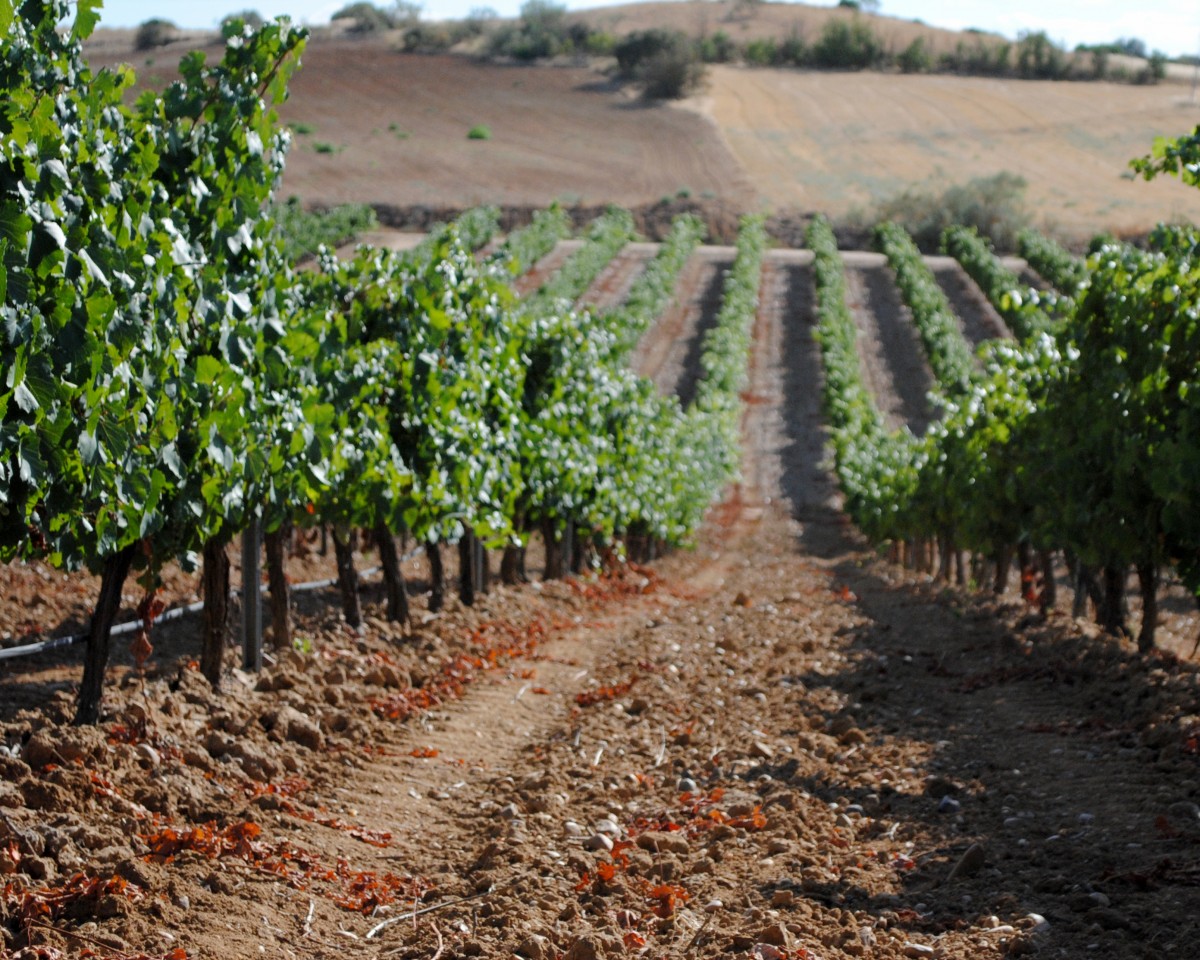
Brown soils, rich in calcium and magnesium, easy to work and stony with good aeration and drainage, and limestone outcrops on the highest points of the undulations. Permeable and healthy, their texture varies from sandy-silty to silty.
The continental climate
The D.O. Rueda rises between 700 and 870 metres above sea level, with flat but high lands that endure cold and very long winters, short springs with late frosts, and hot, dry summers, only disrupted by untimely storms. This factor forces the vines to seek their water resources in the deepest subsoil, more than in other areas of Europe. Budding is usually late, with pruning tasks possibly extending until March or the beginning of April. Rainfall is scarce, reaching minimums of 300 litres and maximums of 500 litres per year.
The D.O. Rueda is one of the few European wine areas specialised in the production of white wine and in the protection and development of its native variety, the Verdejo.
The strong personality of the Verdejo (main variety), the addition of other varieties, as well as a vineyard that has learned to survive the harshness of its almost hostile environment to give the wine the best of itself, shape the profile of the white wines of Rueda.
The varieties have appeared throughout the history of the D.O. Rueda. In the 1930s, the Palomino Fino variety began to be planted in the area; the Viura variety, with its Rioja reputation, began to be cultivated in the 1950s. The Sauvignon Blanc (main variety) made its appearance in the 1970s.
The Viognier, authorised in 2019, is a variety that provides aromas of stone fruit and honey with muscat-like hints.
The Chardonnay, authorised in 2019, is a variety of medium-low aromatic intensity that gives the wines notes of ripe fruit and which over time can express aromas of butter and walnut.
VARIETIES OF RUEDA RED WINES
The Rueda Designation of Origin, an area of recognised prestige for its white wines, also produces red wines.
Historically this area had vineyards of red grapes, especially before the devastating Phylloxera plague at the end of the 19th century, which was responsible for the almost total disappearance of the red vineyard, allowing the absolute dominance of the white vineyard.
The D.O. Rueda has protected in its Regulations, since 5 August 2008, the production of red and rosé wines in their different categories of young, crianza, reserva and gran reserva, with a great predominance of the Tempranillo variety, also known in the region as tinto del país or tinto fino. The varieties authorised for production have demonstrated their perfect adaptation to the area, as well as their qualities for producing quality wines.
Experiences to enjoy in D.O. Rueda
Discover this wine-growing region located in the centre of Castilla y León