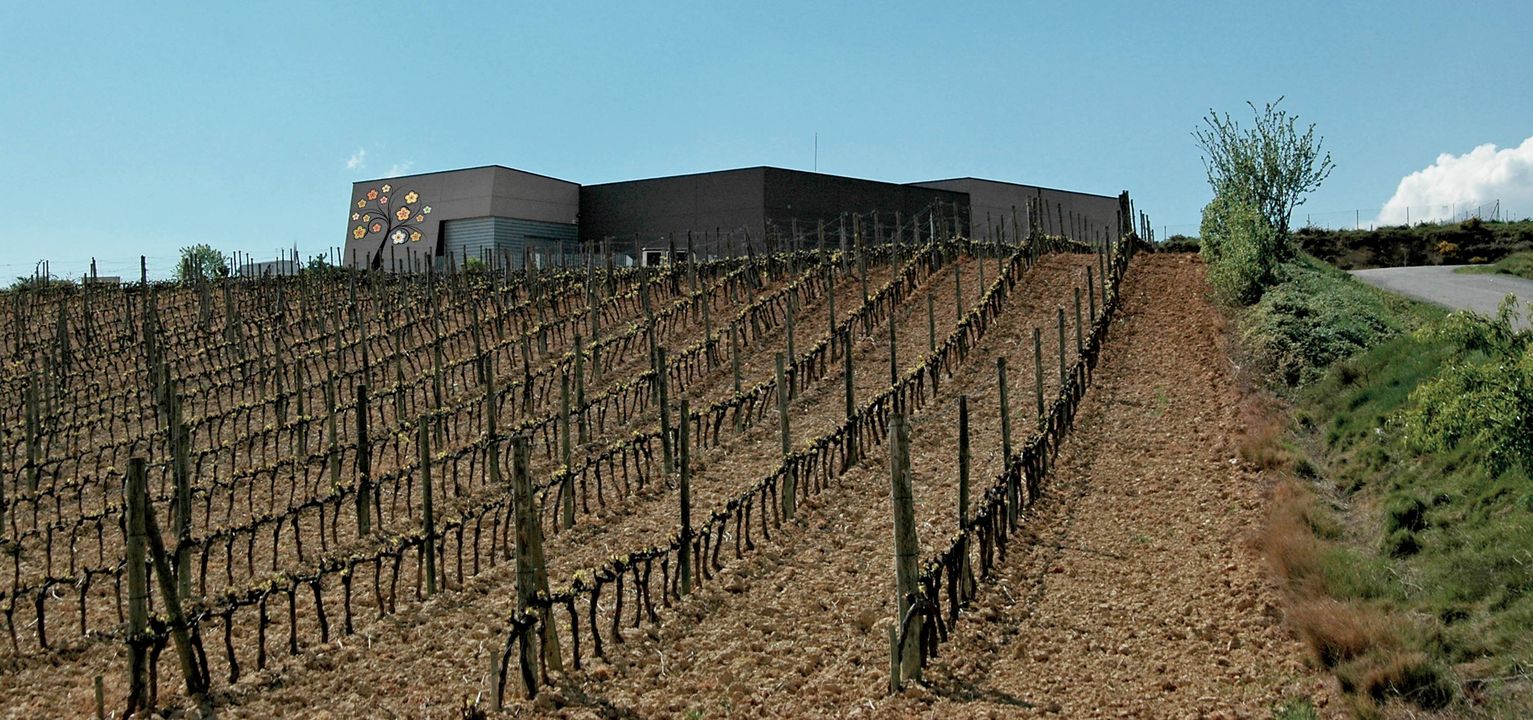
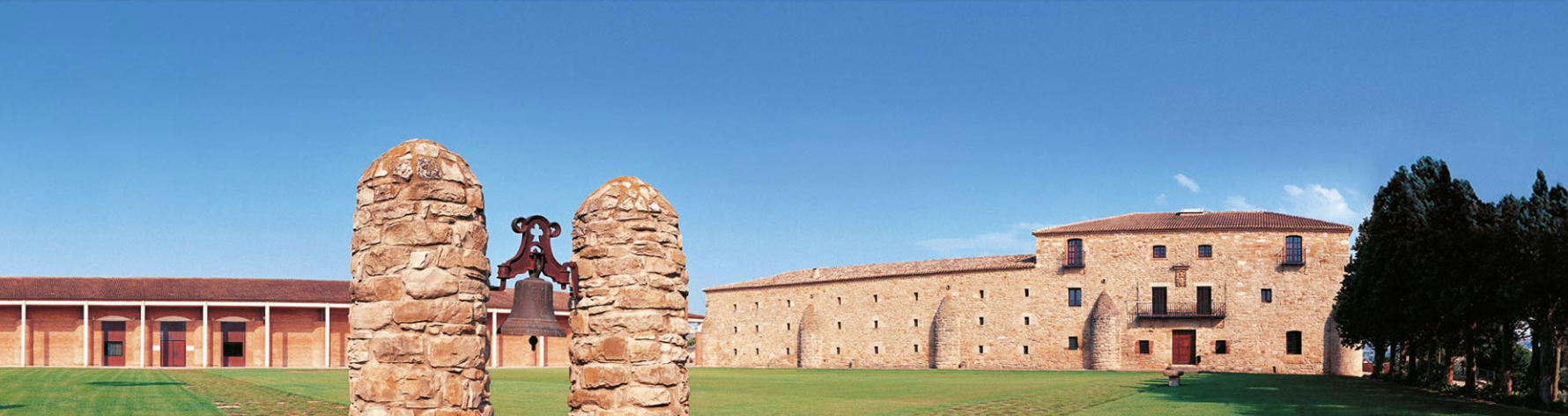
Wine tourism in D.O.C. RIOJA
Rioja wines are protected by the oldest Designation of Origin in Spain. When, at the end of the 19th century, modern Rioja was born and the name of a product linked to its origin acquired its own identity, Rioja winegrowers and producers became concerned with protecting that identity from “usurpers and counterfeiters”, a concern that culminated in the official recognition of the Rioja Designation of Origin on 6 June 1925. Since 1991, Rioja wines have been protected by the first Qualified Designation of Origin in Spain. Its Specifications establish the demarcation of the production area, the grape varieties that may be grown, the maximum permitted yields, the production and ageing techniques, etc.
A unique area for unique wines
Today Rioja is one of the Designations of Origin in the world that offers the greatest guarantees regarding the quality and authenticity of its wines, and one of the few that requires bottling at origin for its entire production. Undoubtedly, the effective application by the Regulatory Council of self-control regulations much more rigorous than those of other wine-growing areas has been able to convey security and confidence to consumers and has been decisive in reaching the leadership position that Rioja wines occupy in the market.
The DOCa Rioja has three zones with distinct wine-growing characteristics: Rioja Alta, Rioja Alavesa and Rioja Oriental (called Rioja Baja until 2018).
In Rioja we find wines that reflect their origin, giving rise to different provenances according to the terroir itself. The aim is to value the singular origin, recognise its diversity and continue establishing qualitative requirements that guarantee the quality of its wines.
The land and the climate
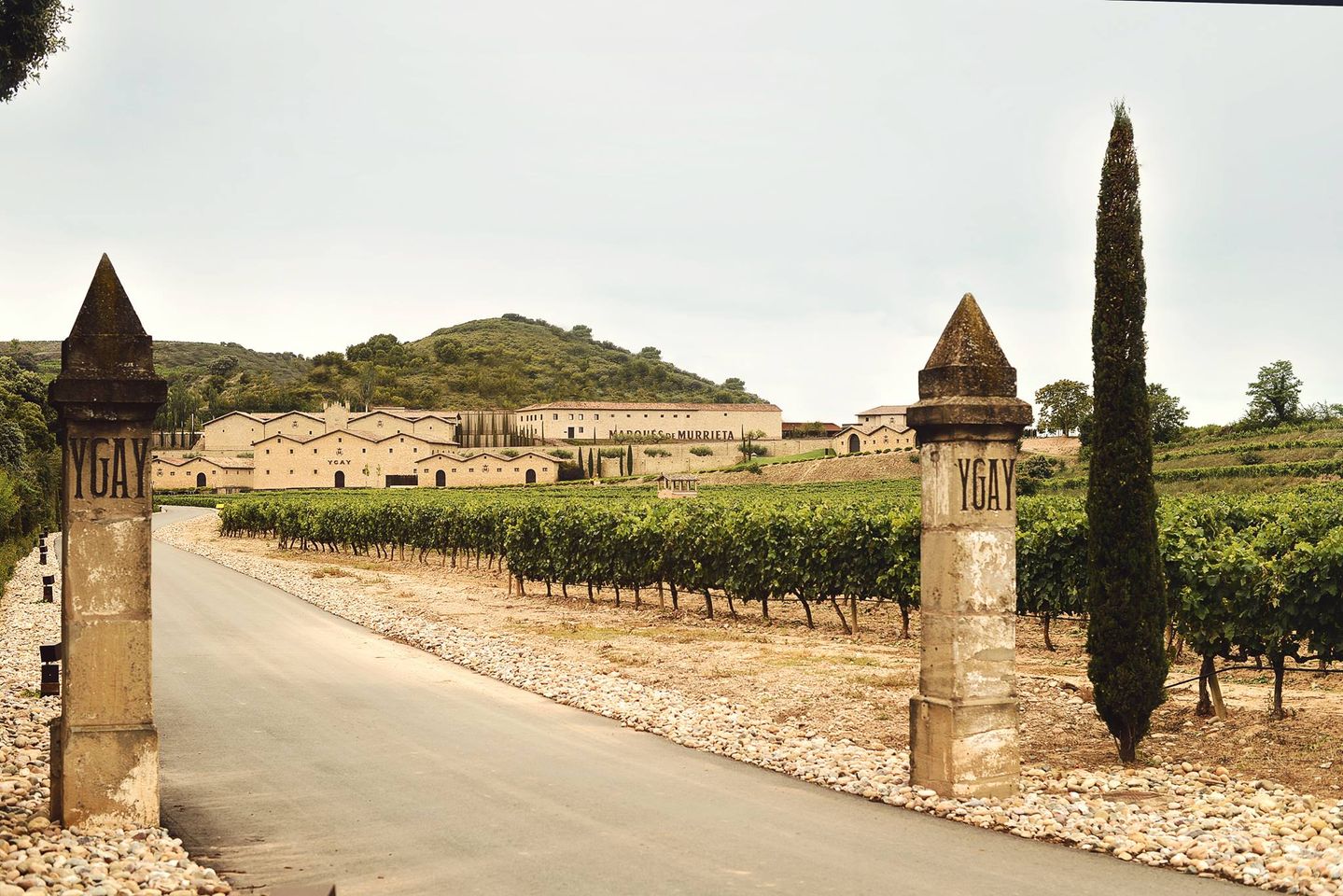
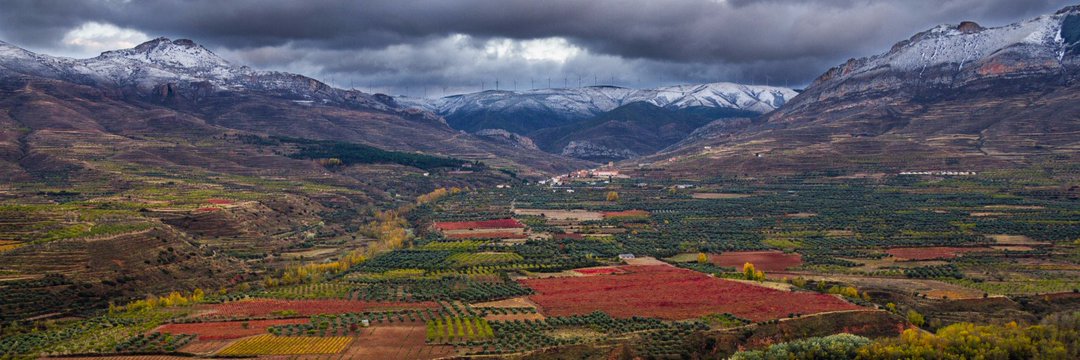
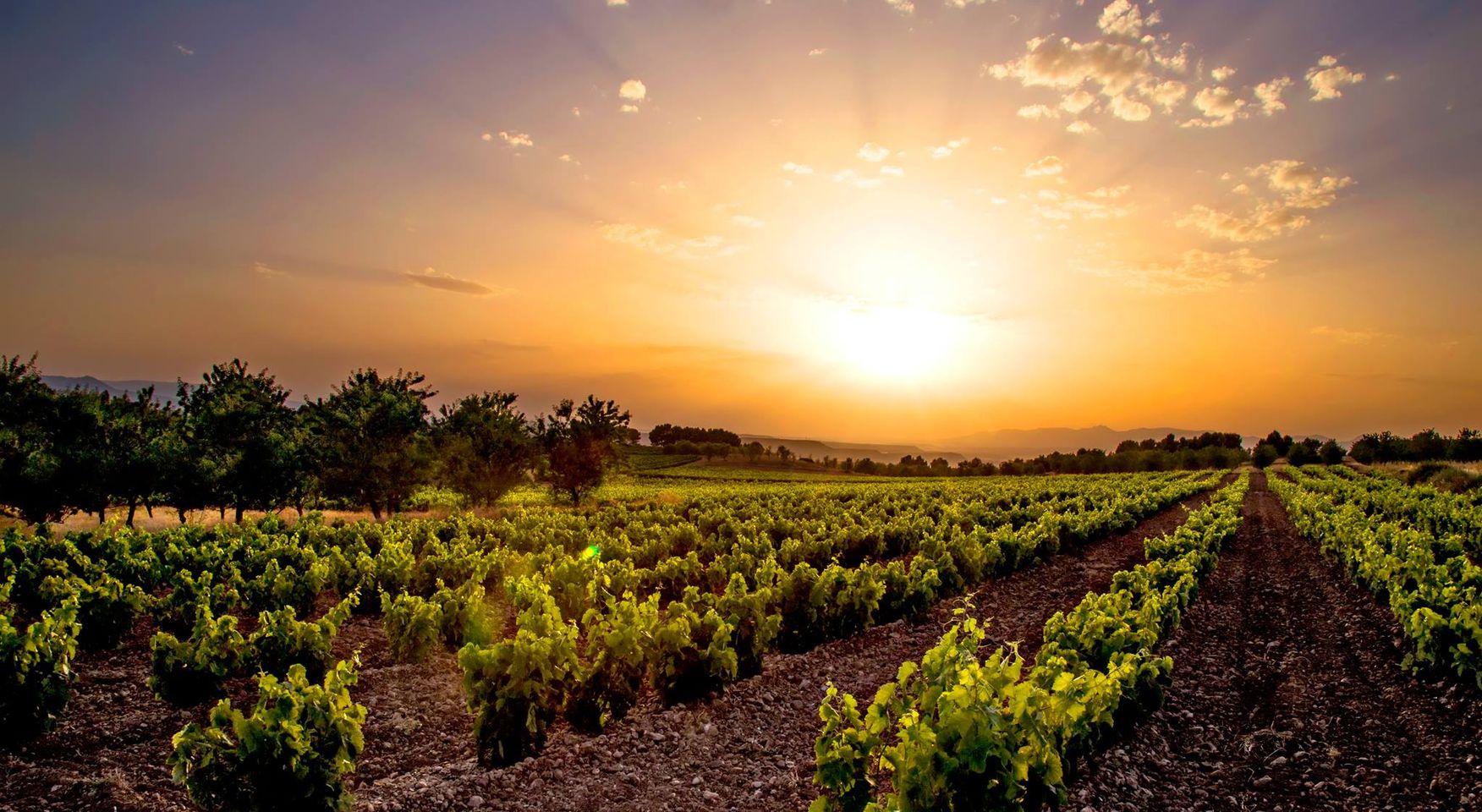
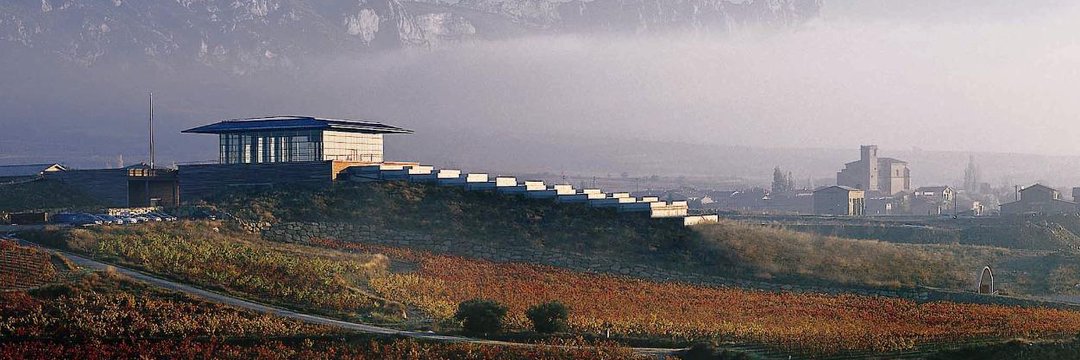
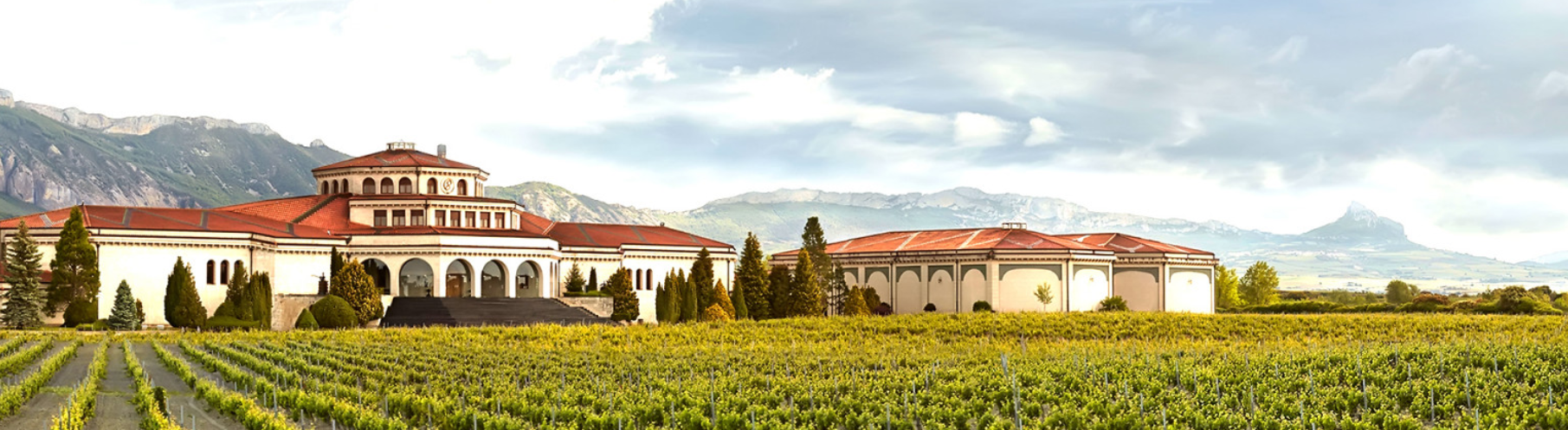
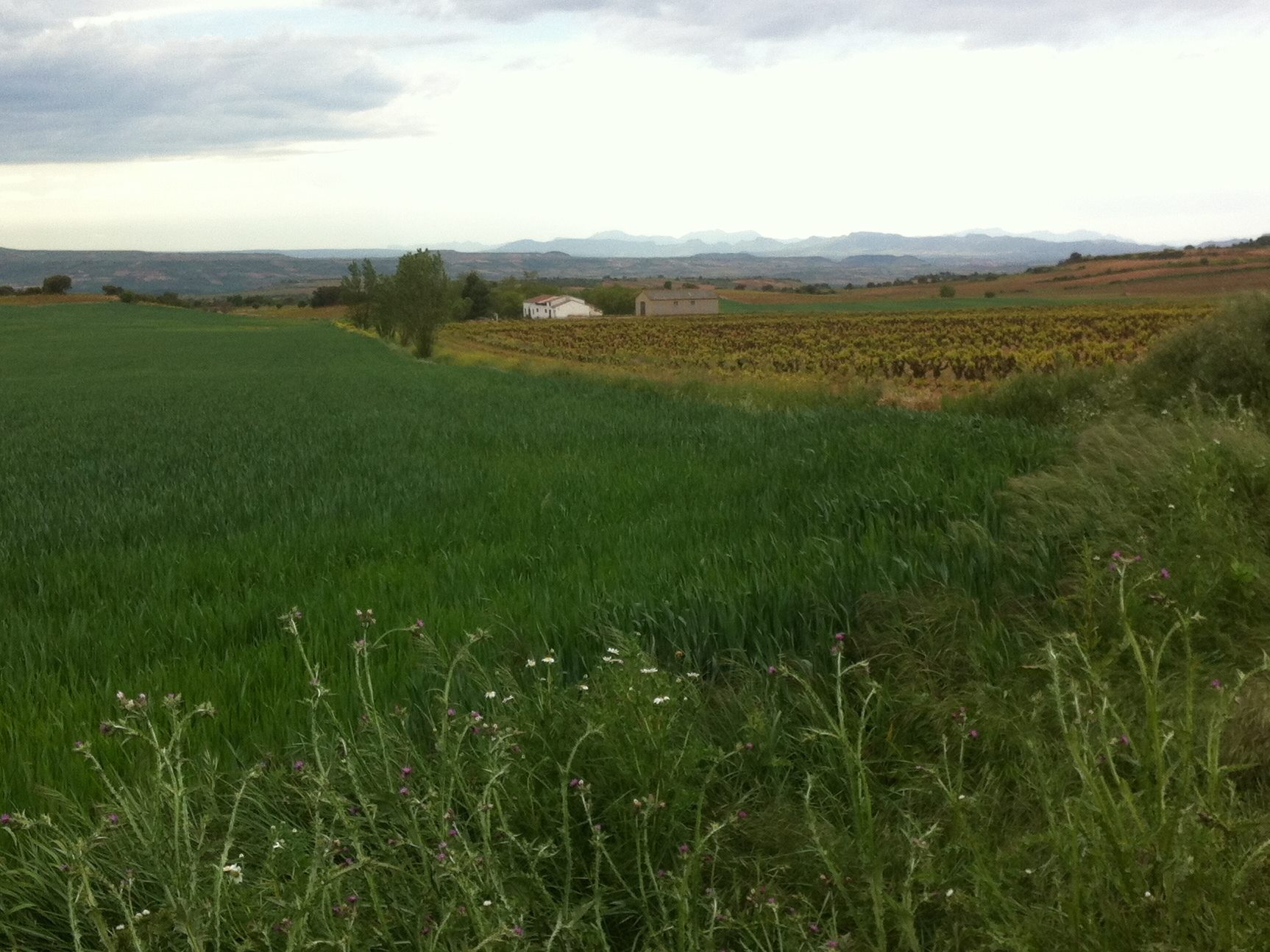
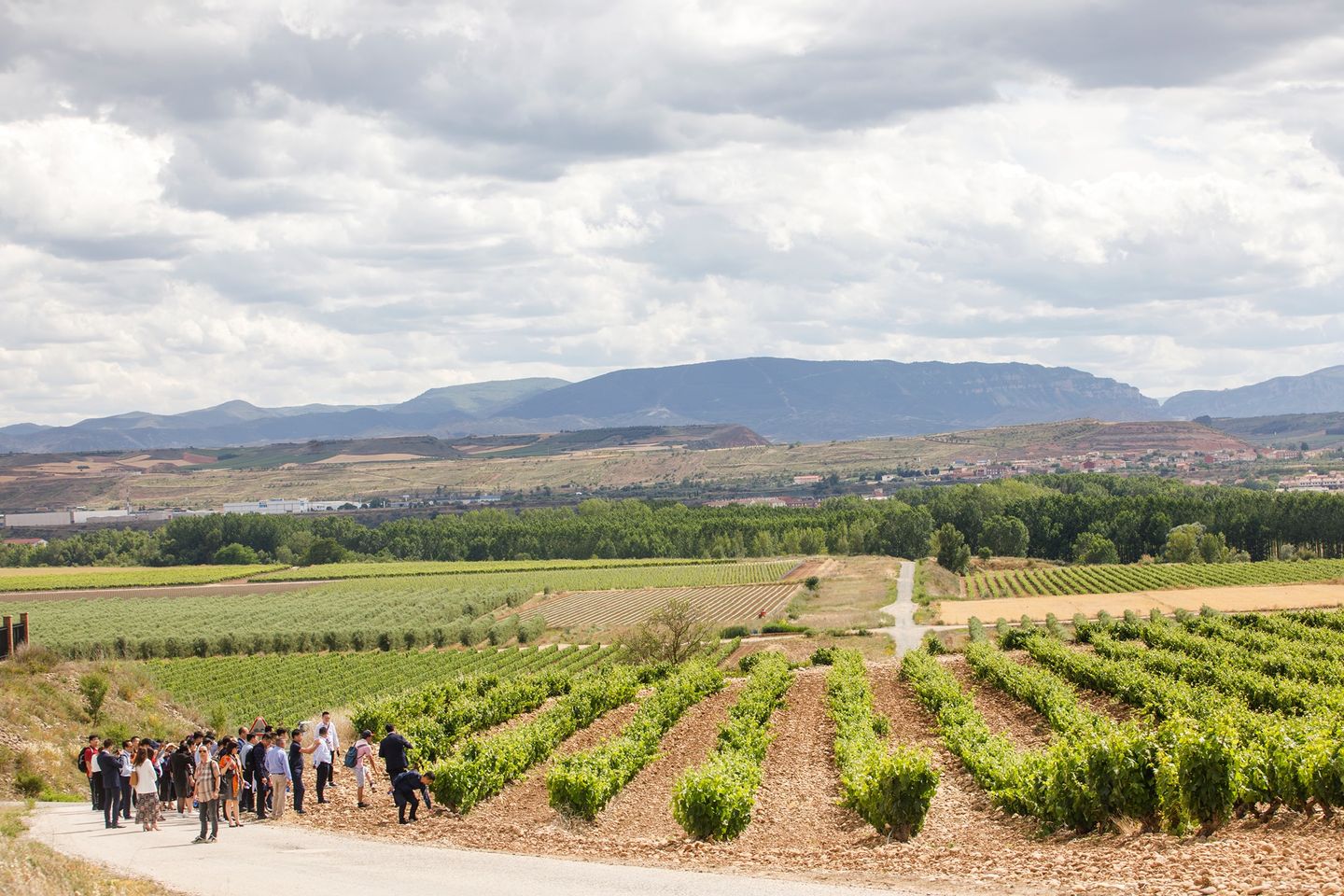
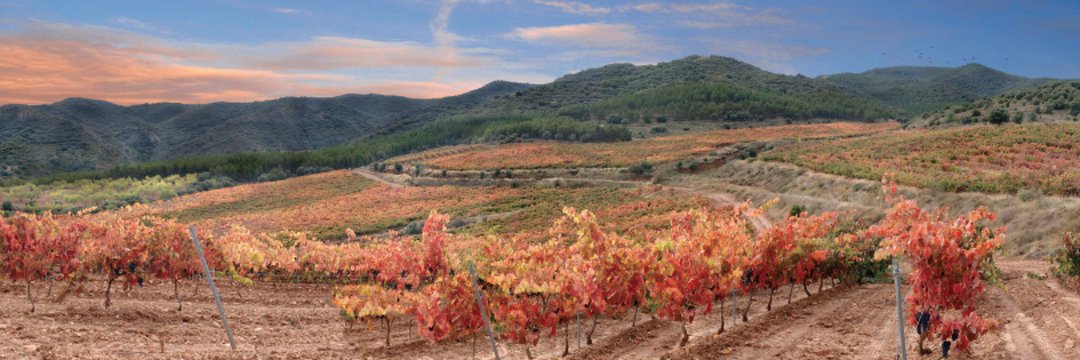
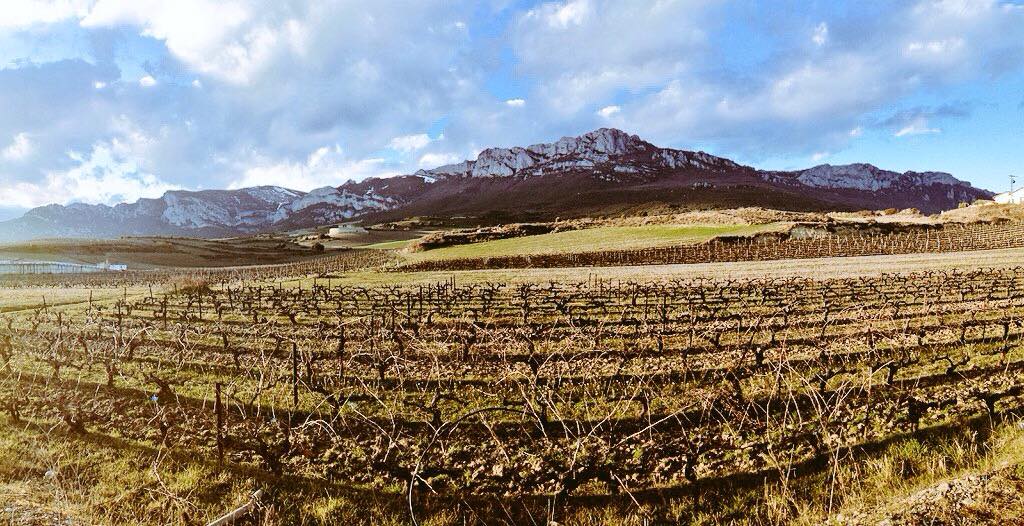
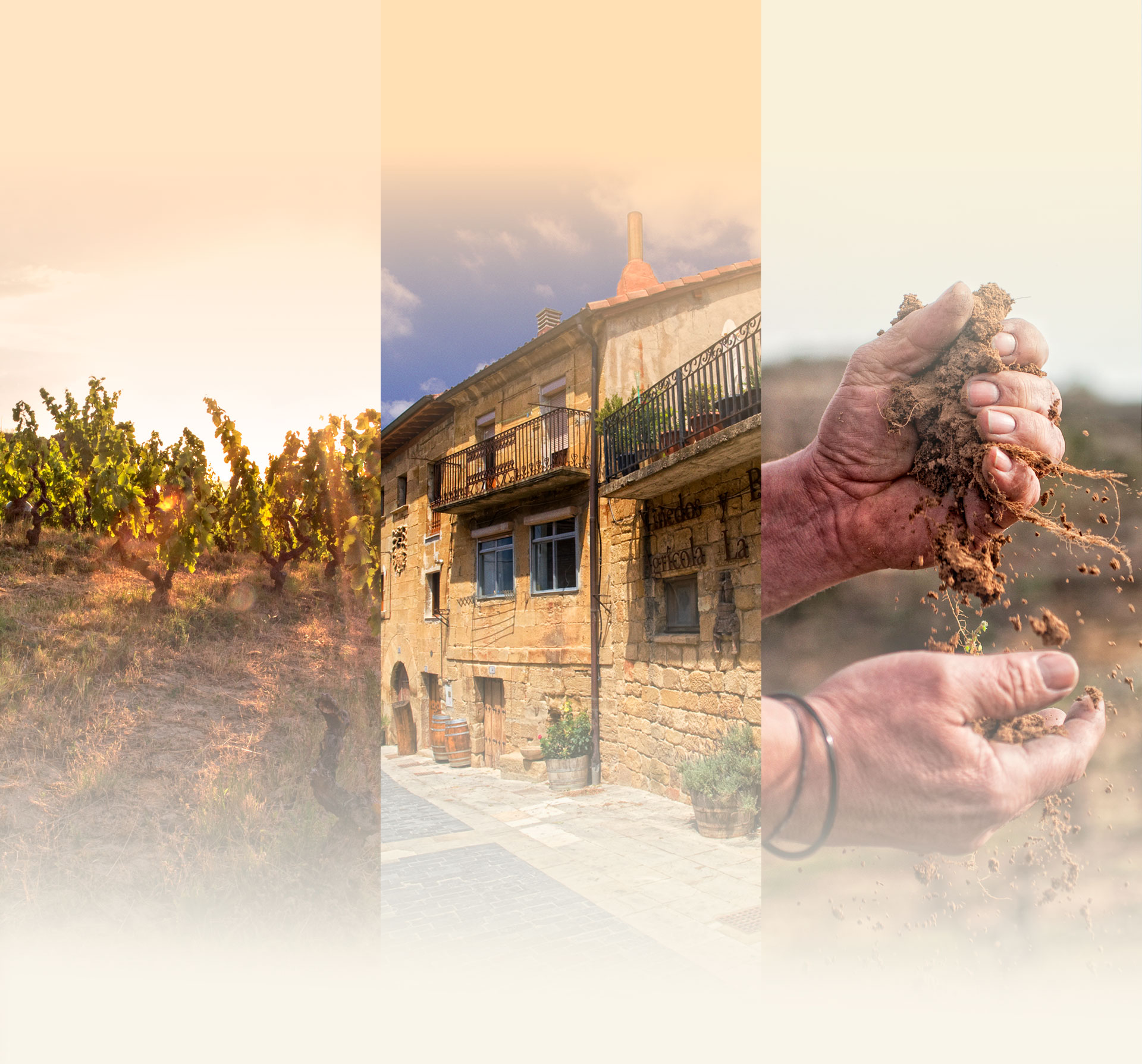
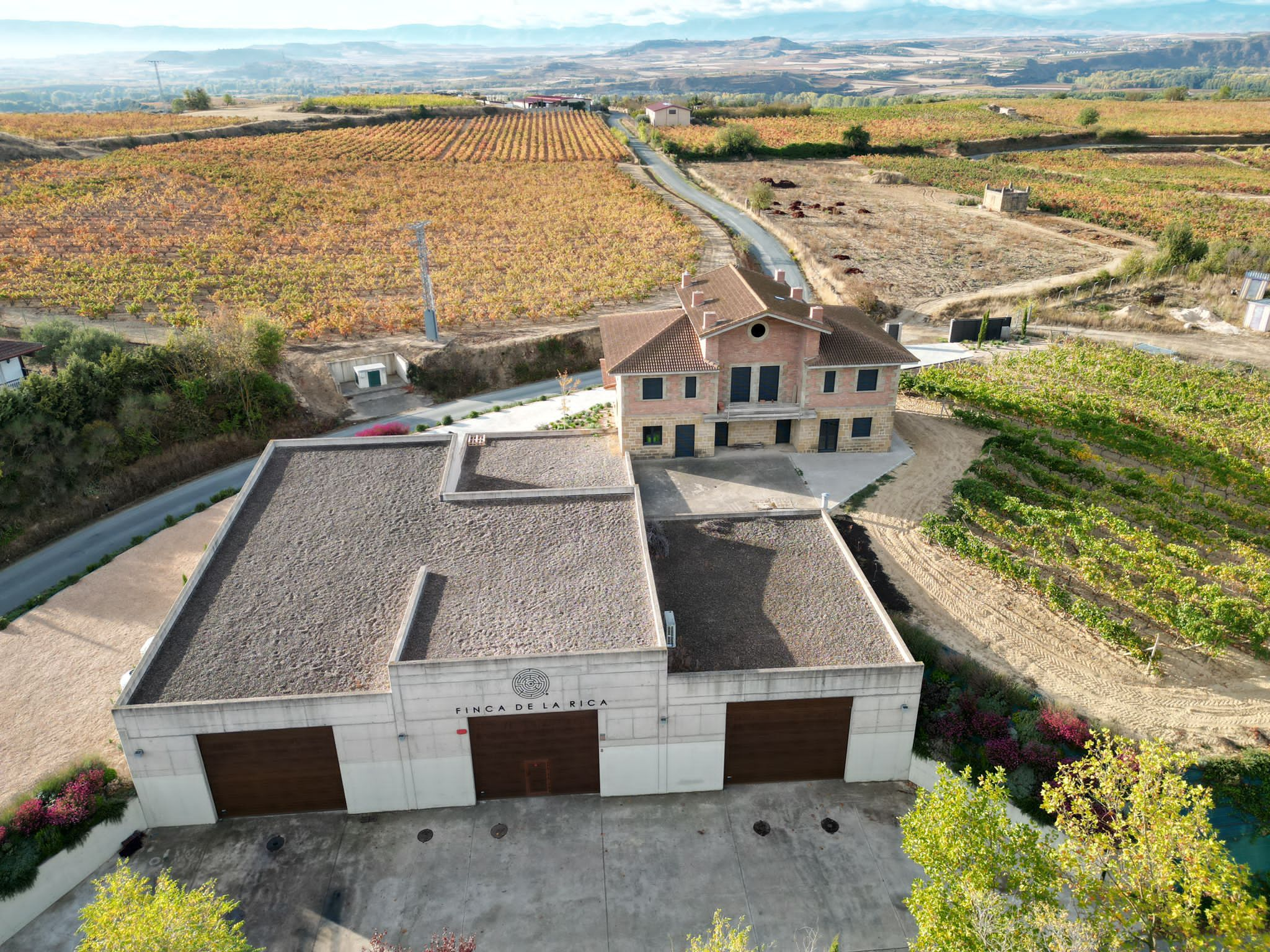
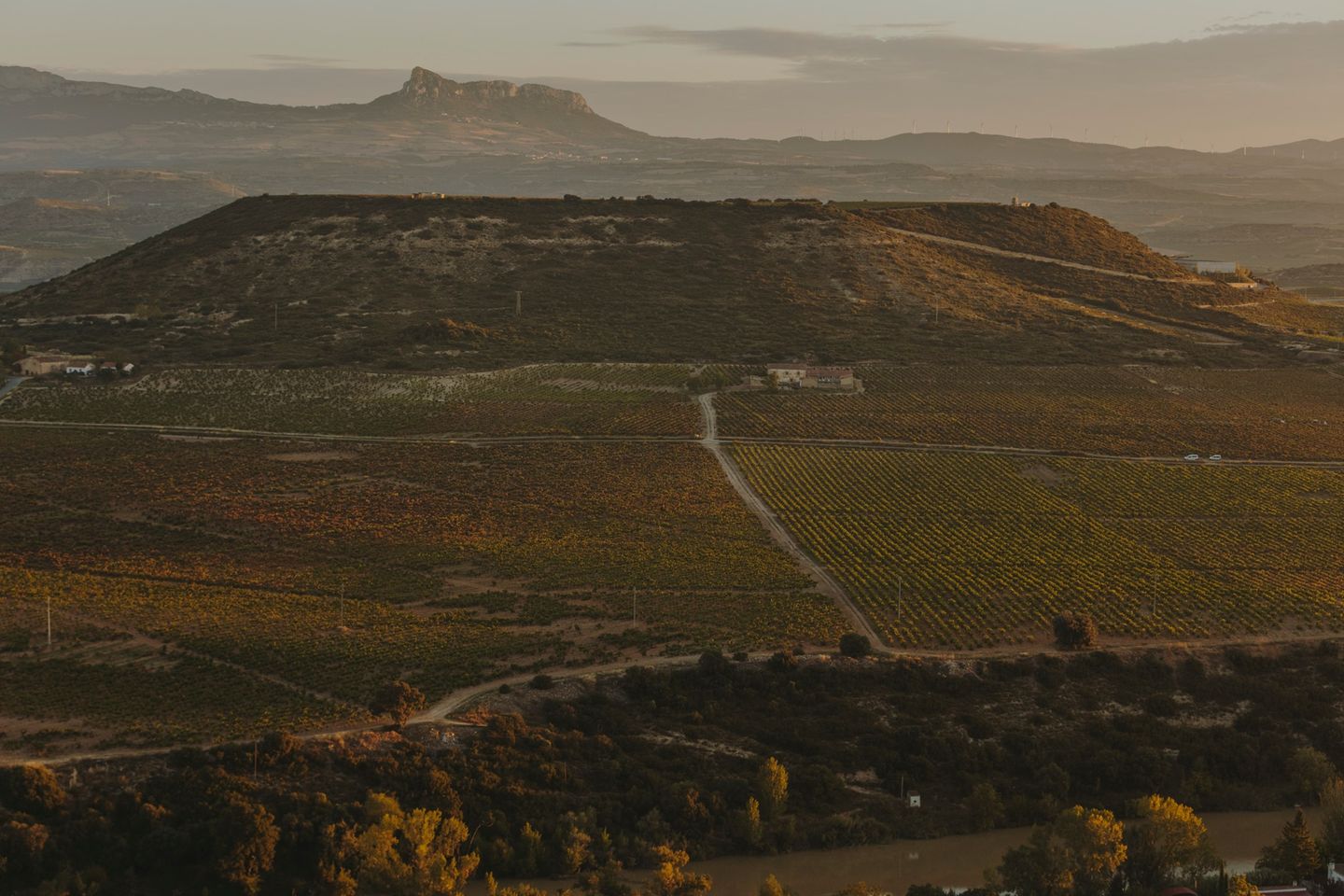
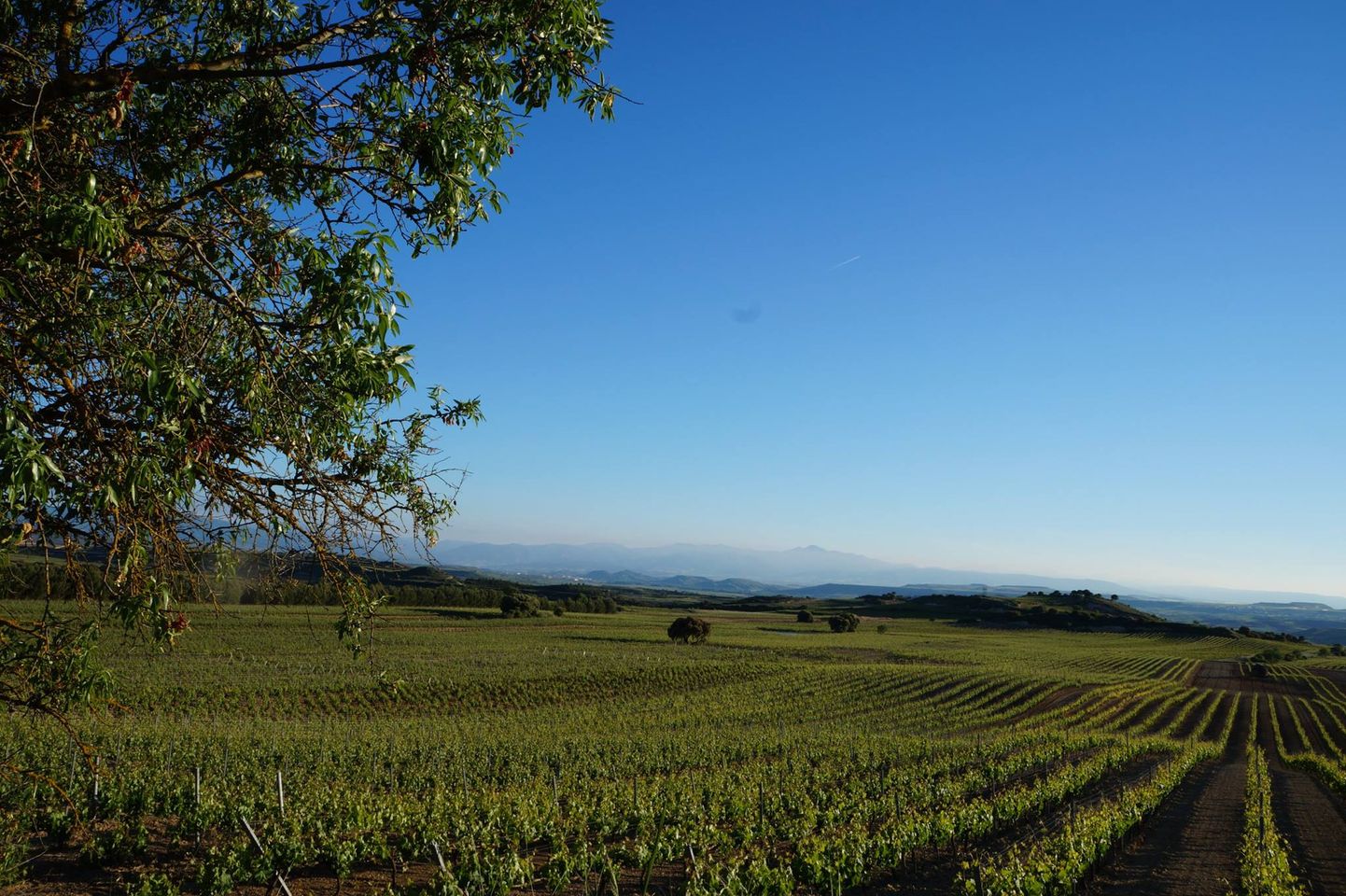
The Rioja Qualified Designation of Origin is located in the north of Spain, on both banks of the Ebro river. It is divided into three large zones: Rioja Alta, Alavesa and Oriental. Across its more than 65,000 hectares, its towns and vineyards develop their own personality, making Rioja a unique land.
Areas
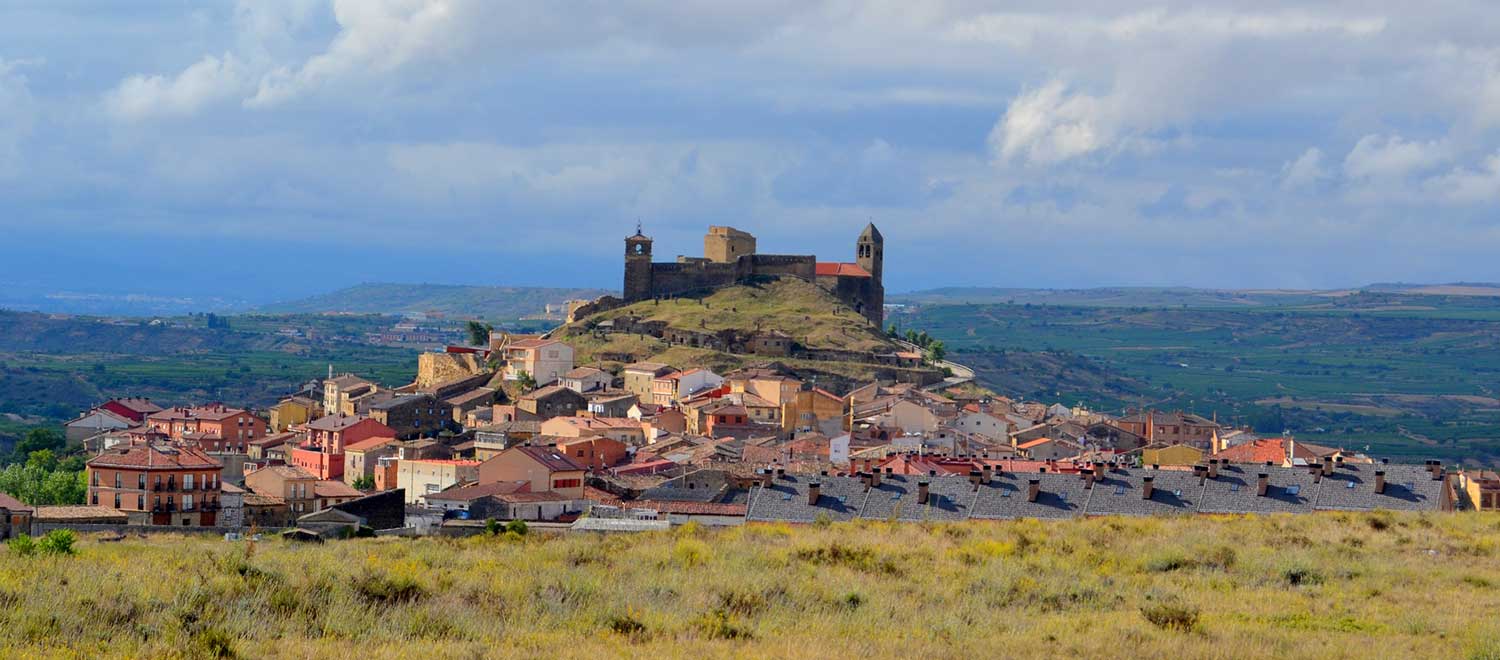
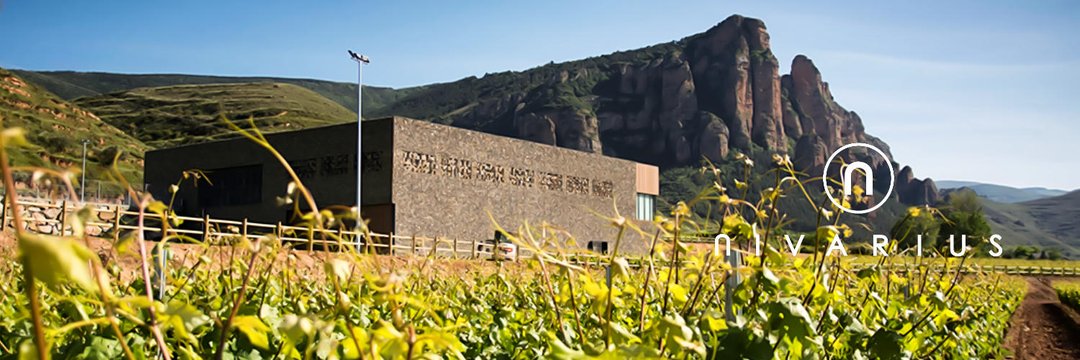
One hundred kilometres separate Haro, the westernmost town, from Alfaro, the easternmost, with the maximum width of the valley occupied by vineyards being about 40 kilometres. These, on successive stepped terraces, reach a maximum altitude of about 700 m. In total, 144 municipalities are part of the DOCa (118 in La Rioja, 18 in Álava and 8 in Navarre) because their lands are “suitable for producing grapes of the necessary quality”.
Microclimates
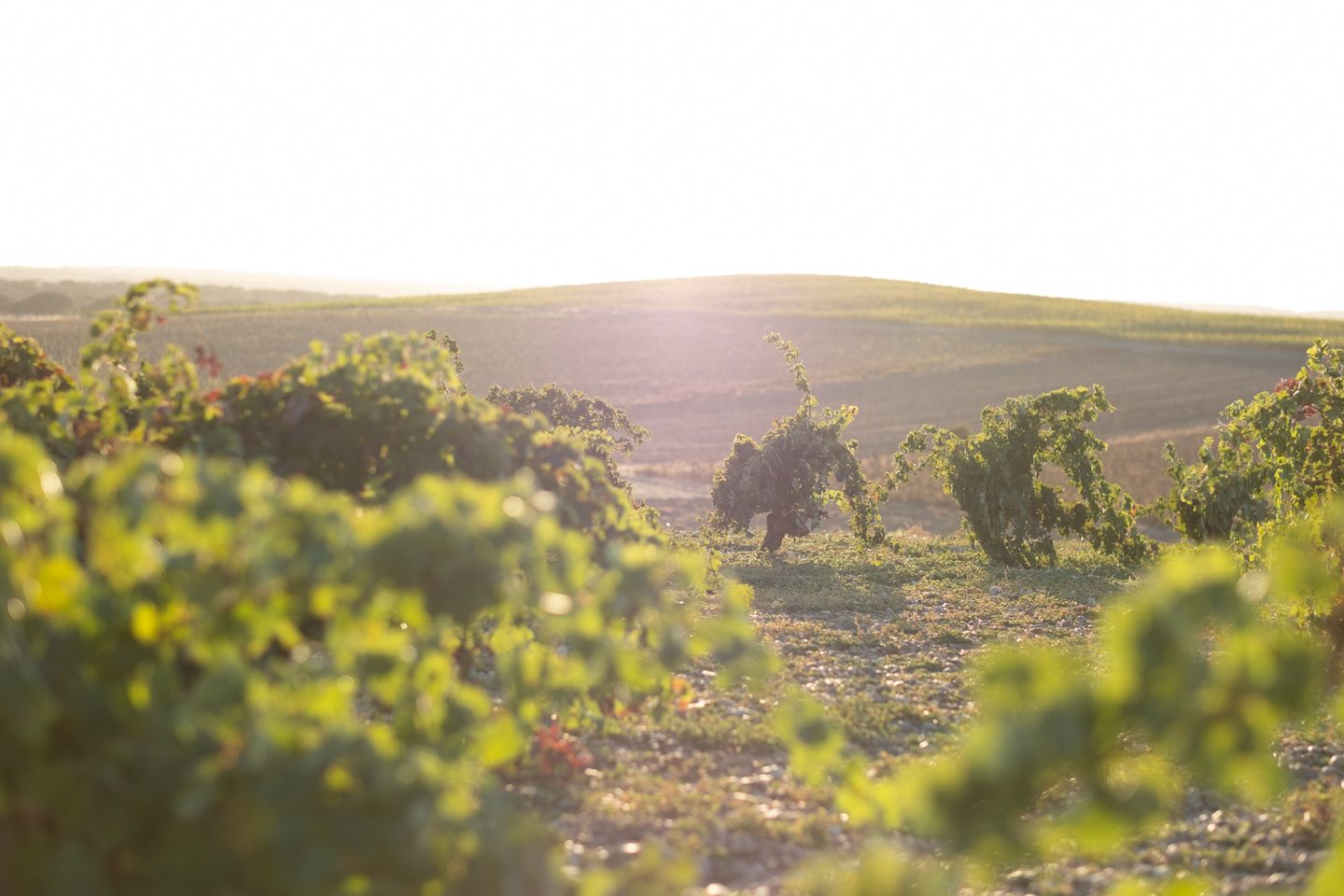
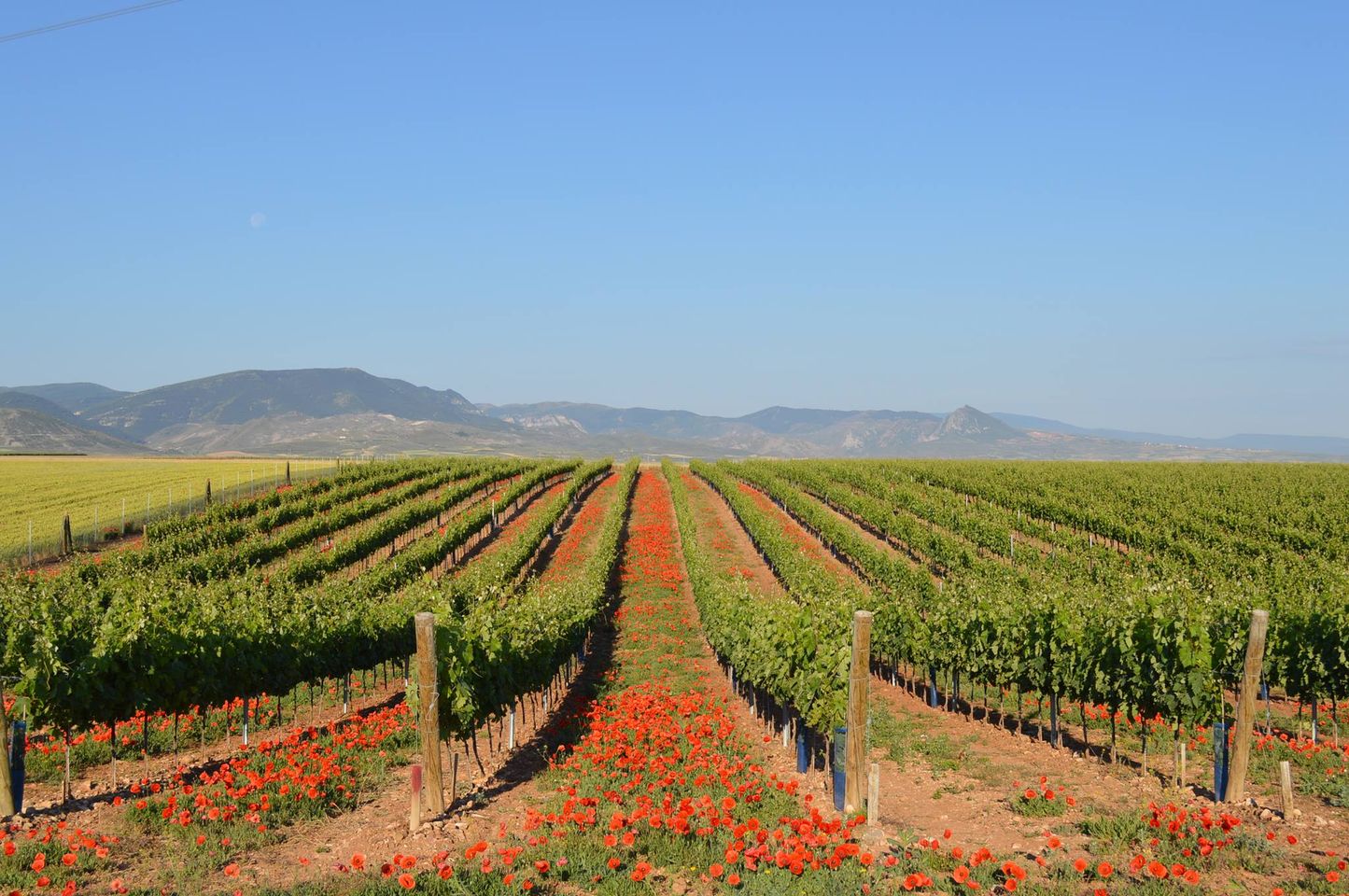
The whole area benefits from the confluence of two climates as opposite as the Atlantic and the Mediterranean, which provide mild temperatures and annual rainfall slightly above 400 l/m², conditions very suitable for the development of the vine.
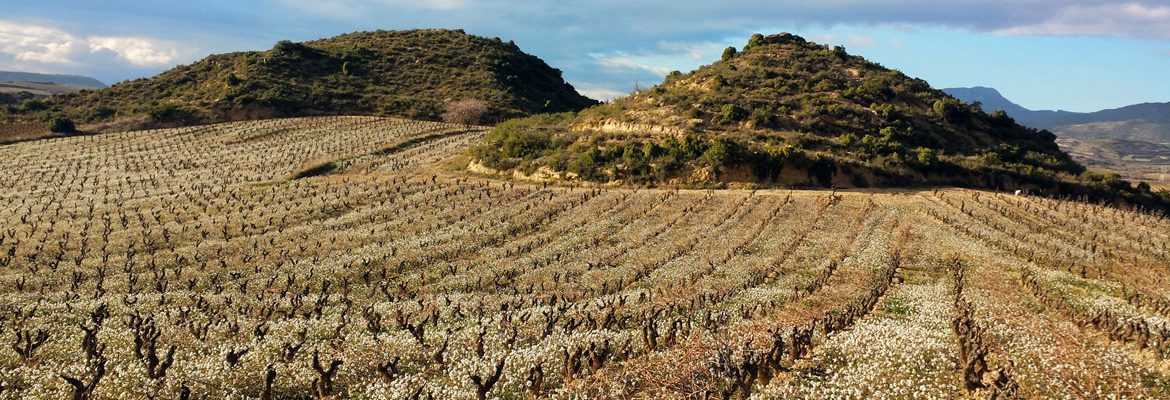
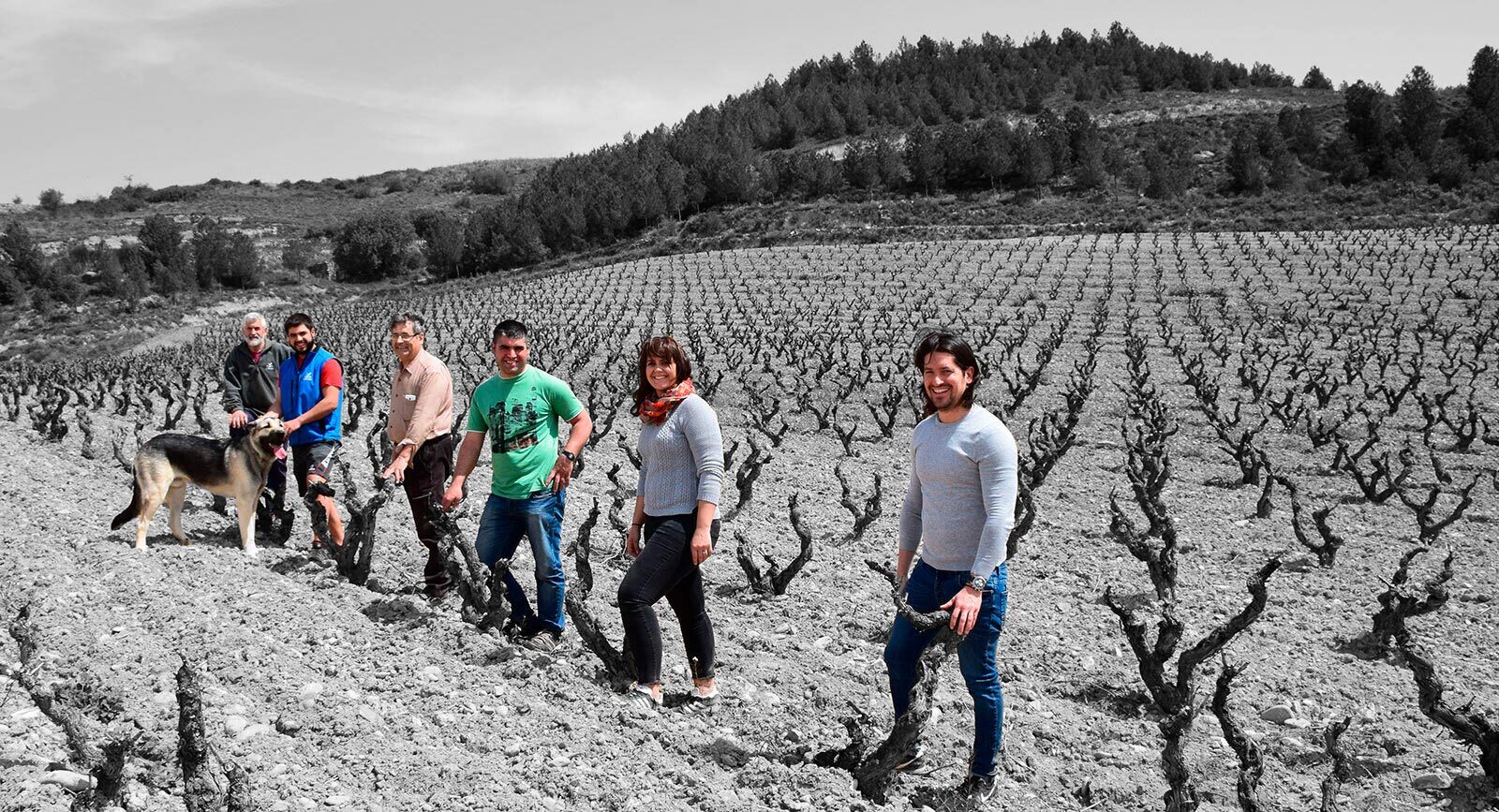
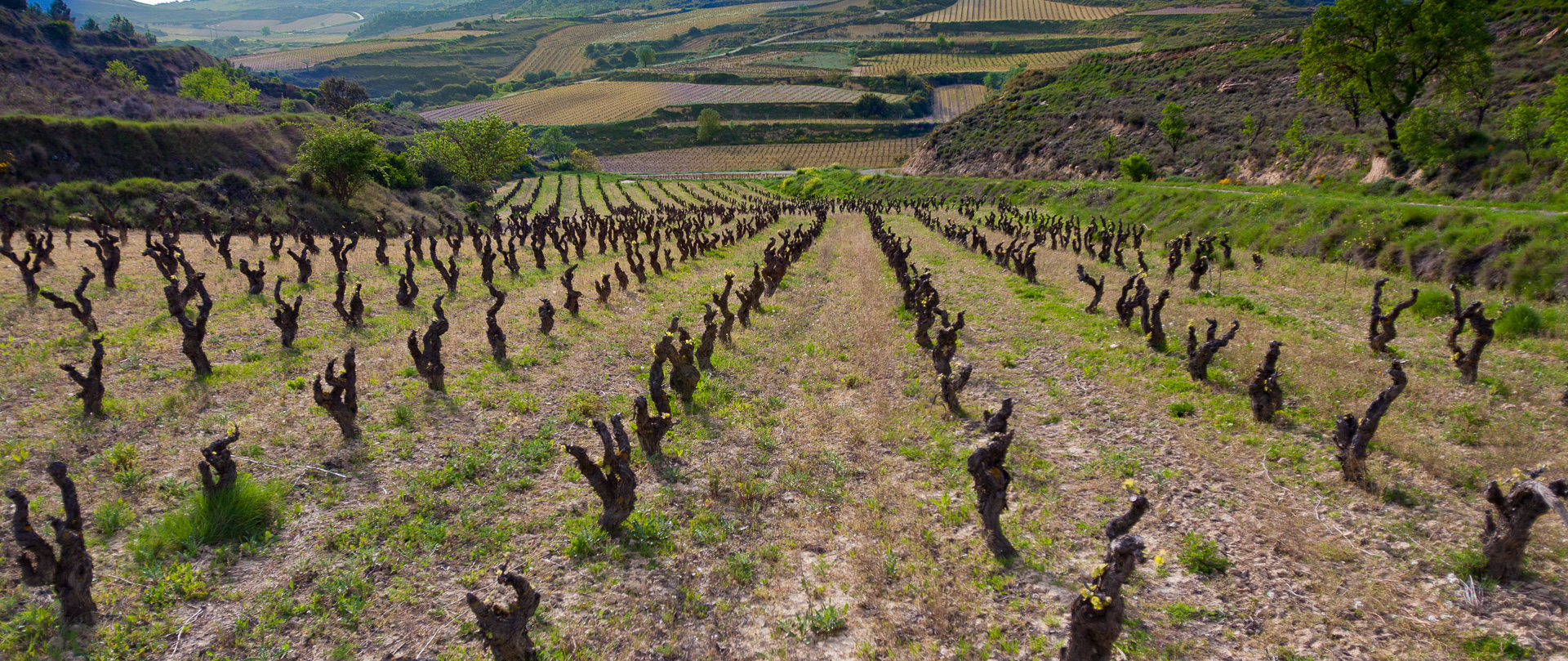
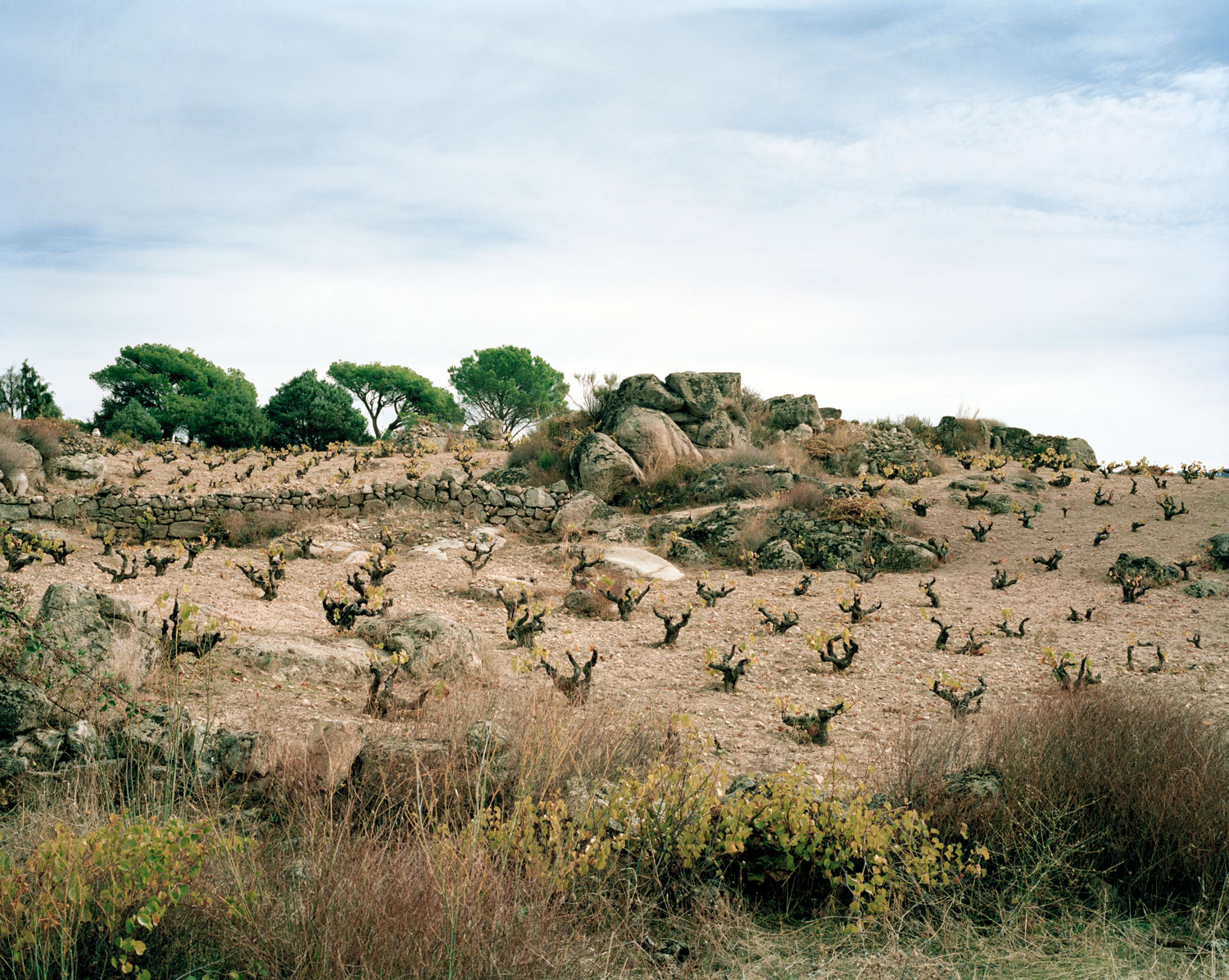
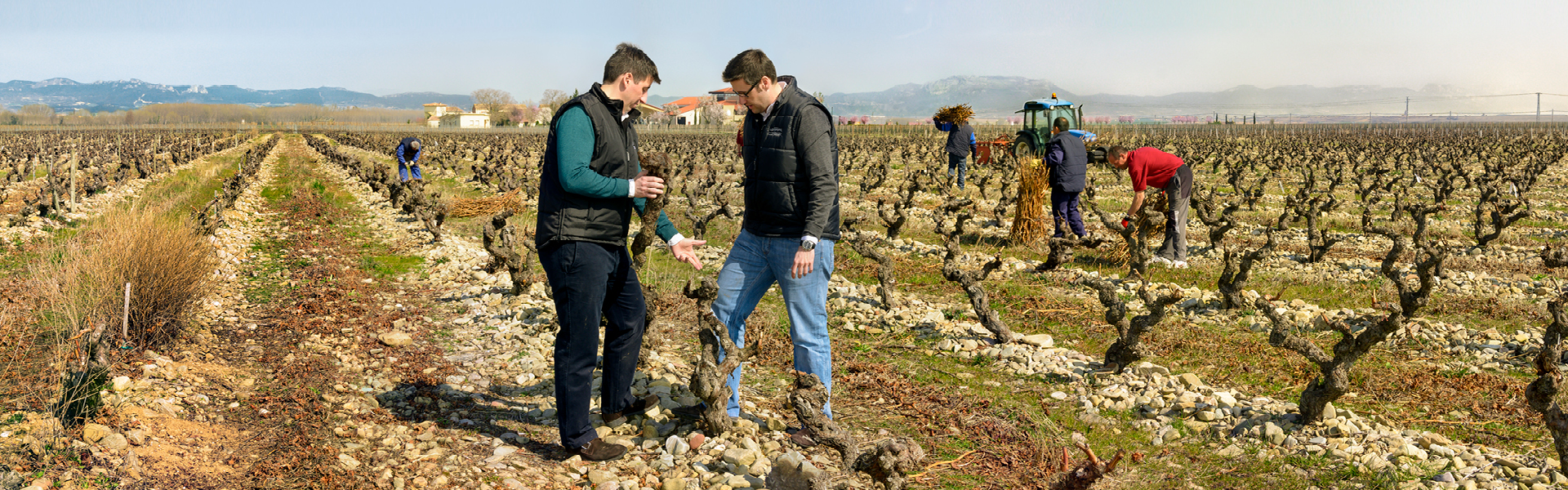
As a whole, the Designation possesses a diversity of soils (clay-calcareous, clay-ferrous and alluvial are the three dominant ones), as well as of microclimates (vineyard orientation, protection from winds, etc.), which give the wines unique peculiarities and allow, depending on the varieties and cultivation techniques applied, the production of a wide range of wines with distinct personalities within a common, perfectly recognisable identity.
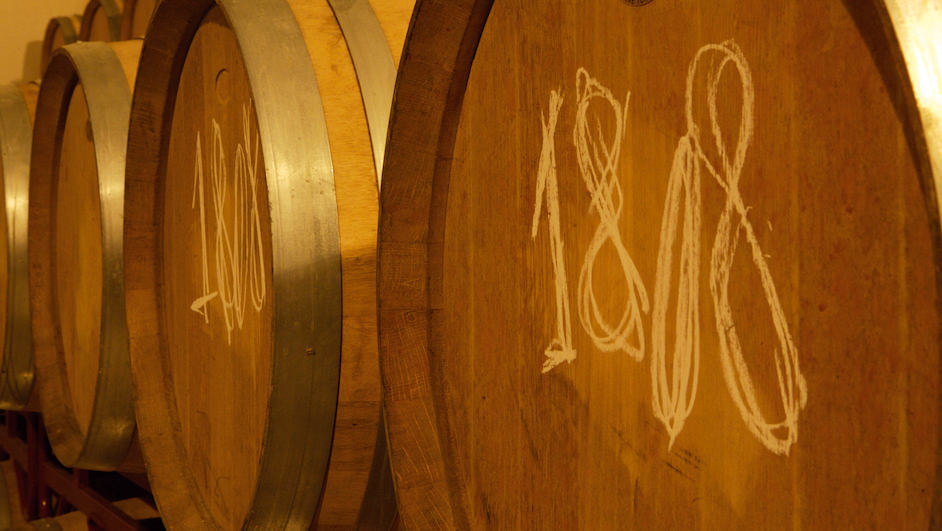
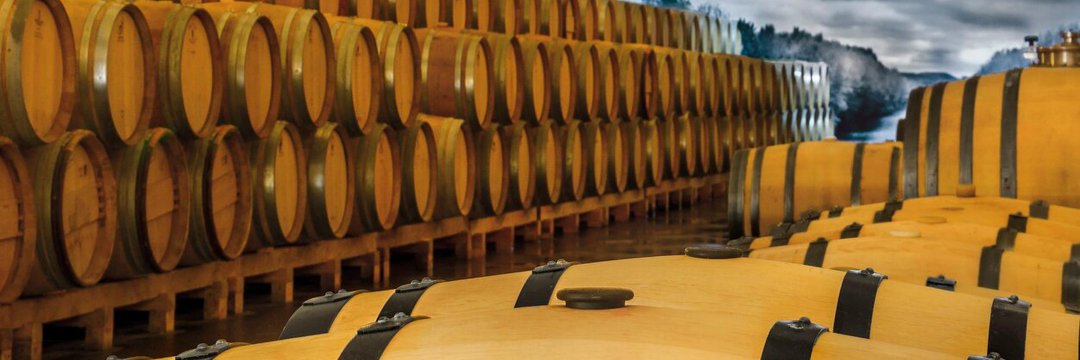
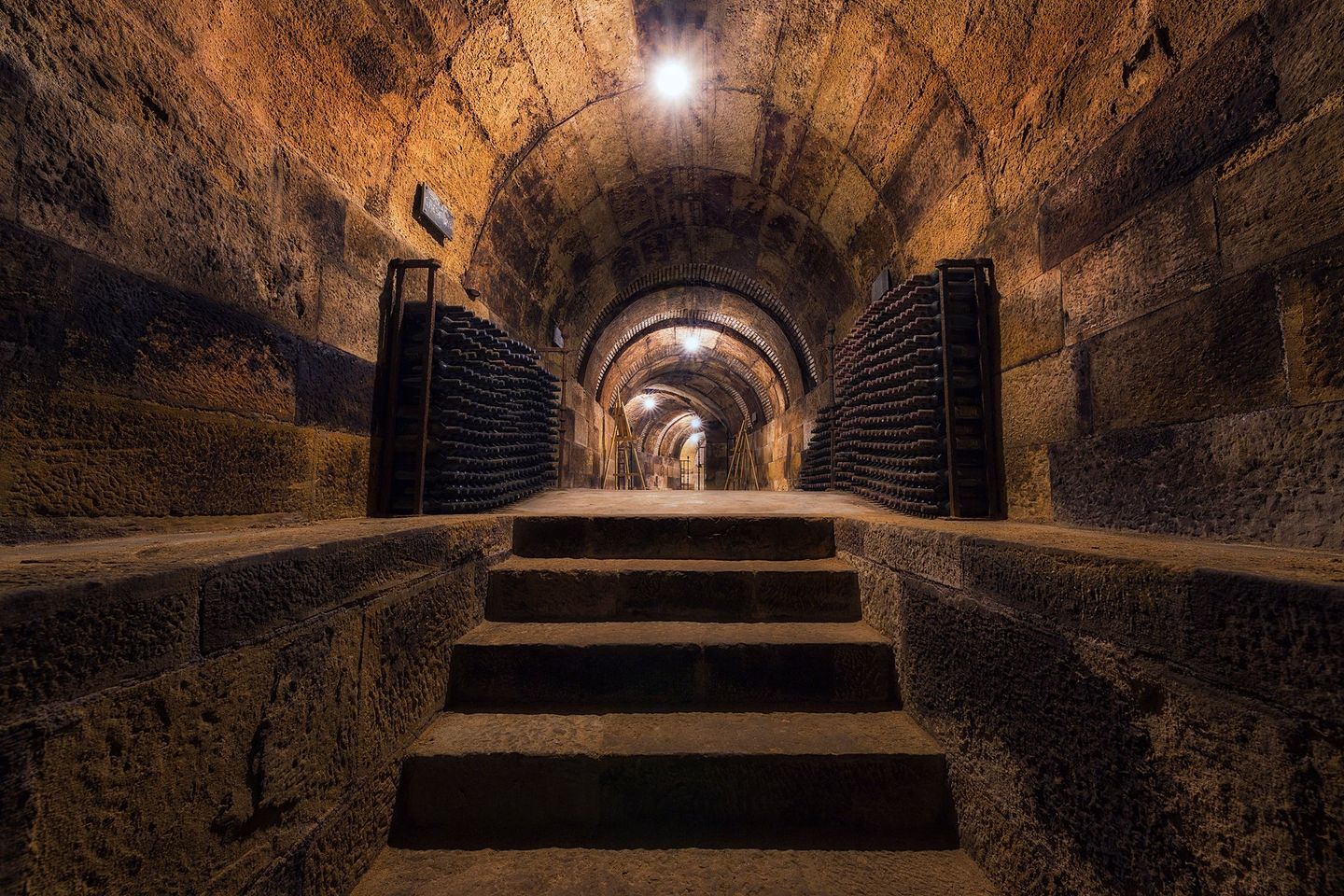
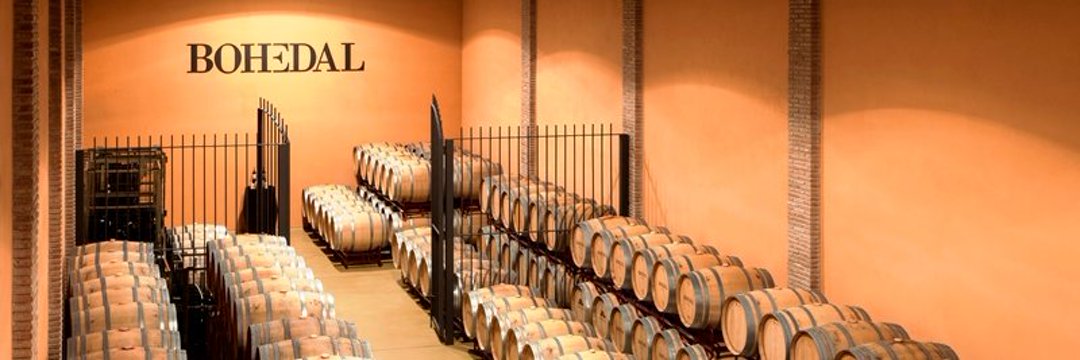
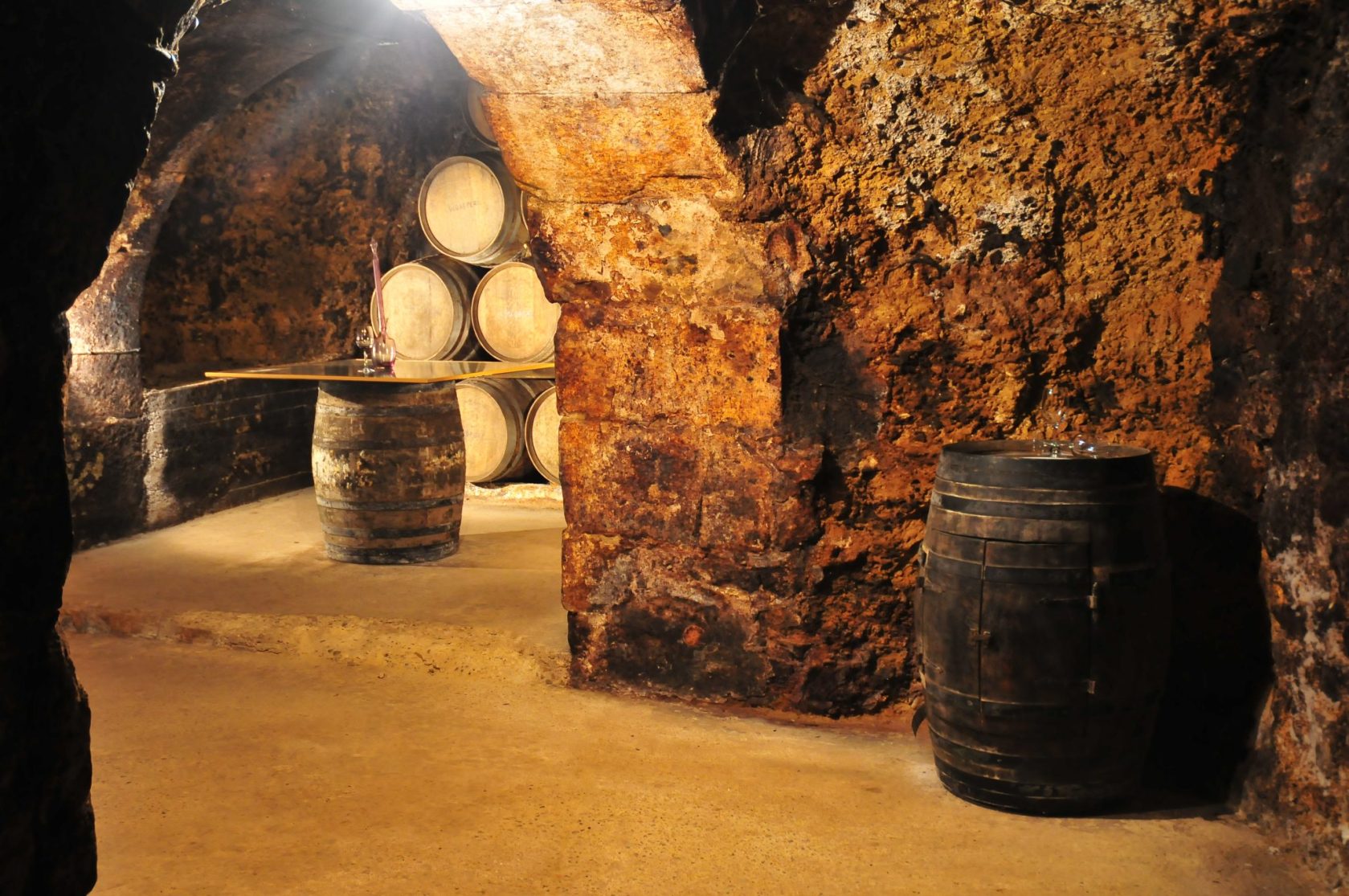
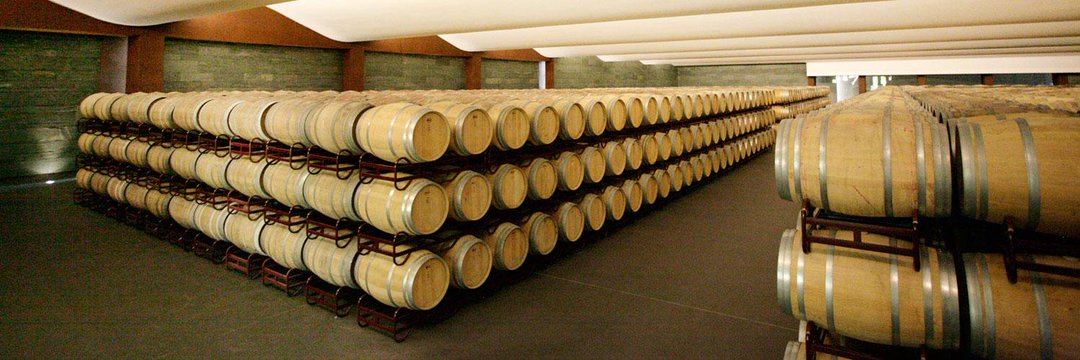
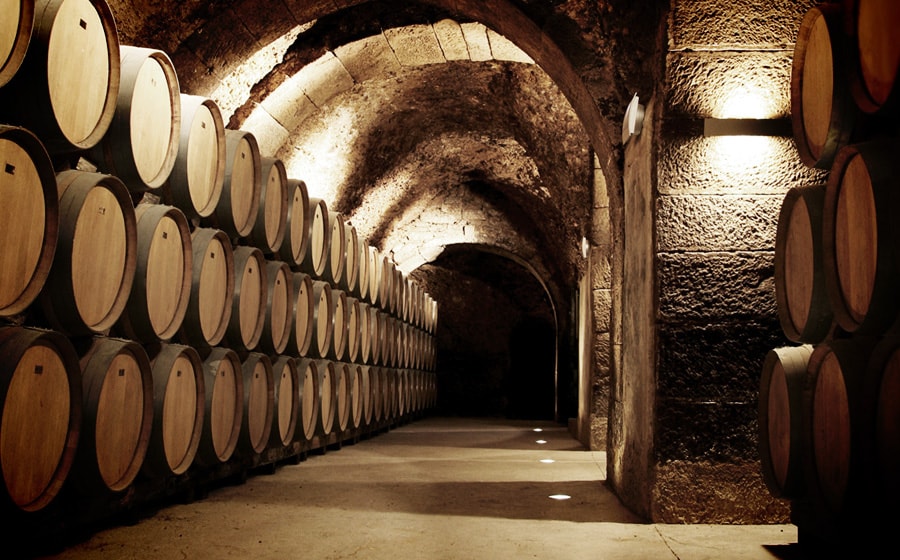
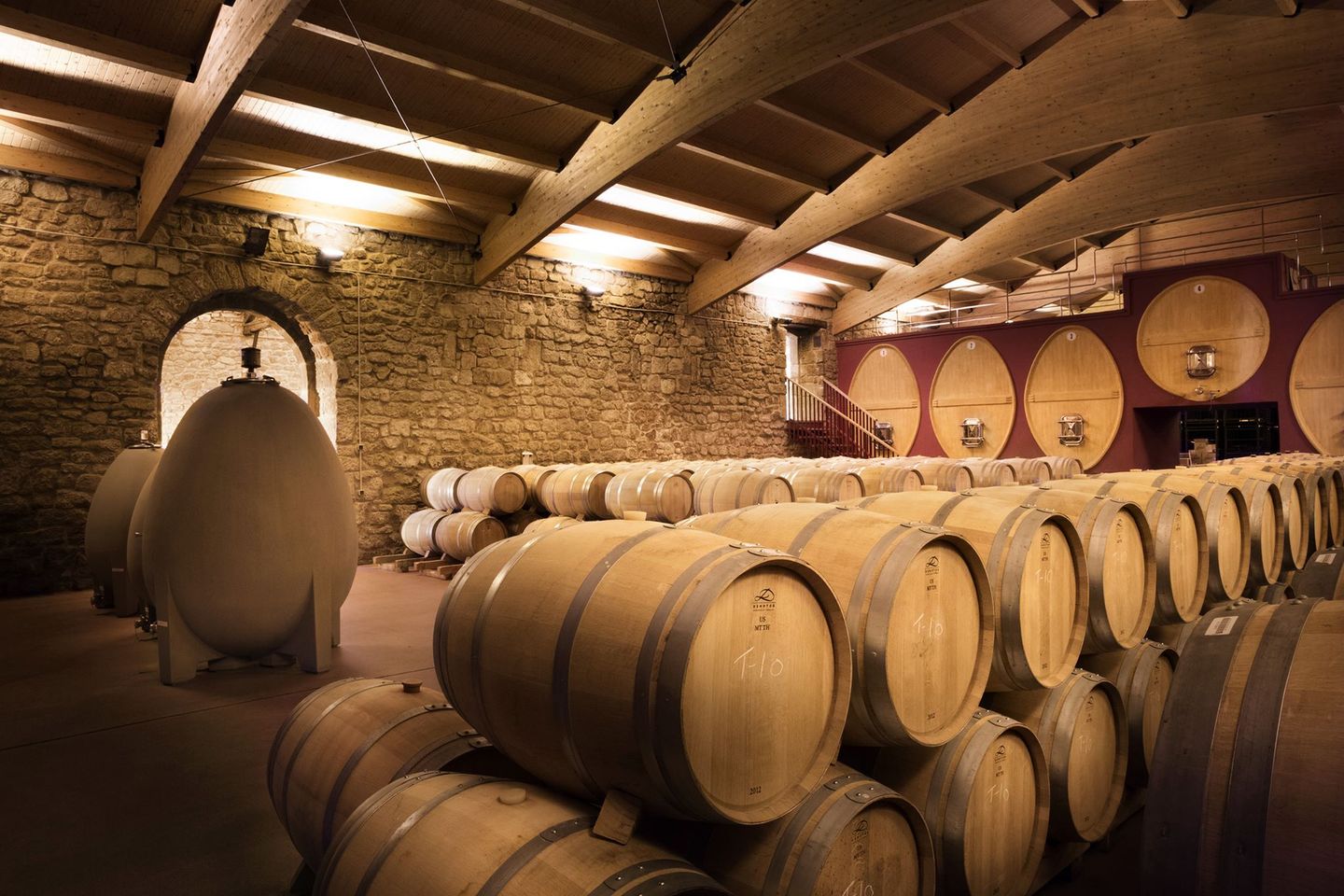
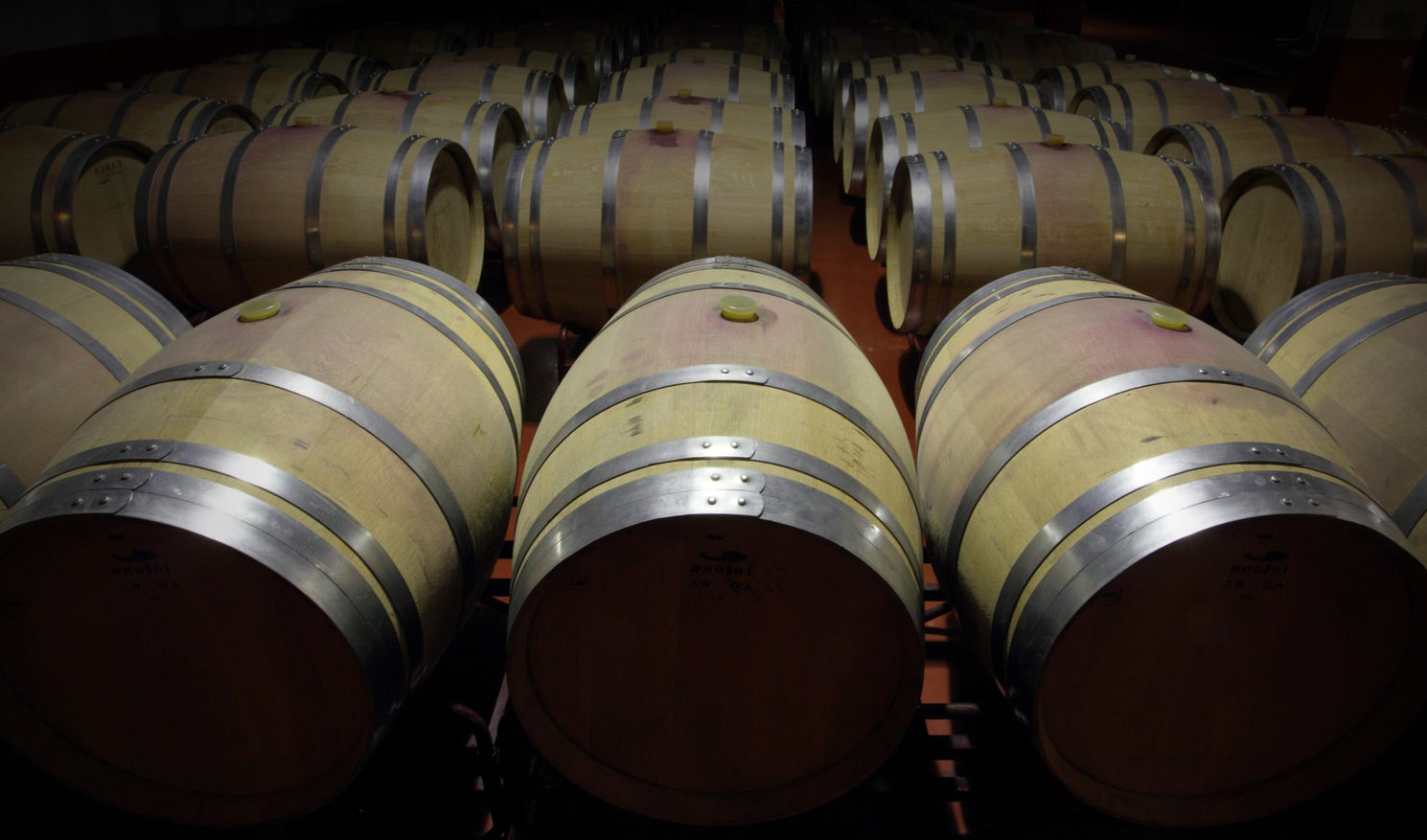
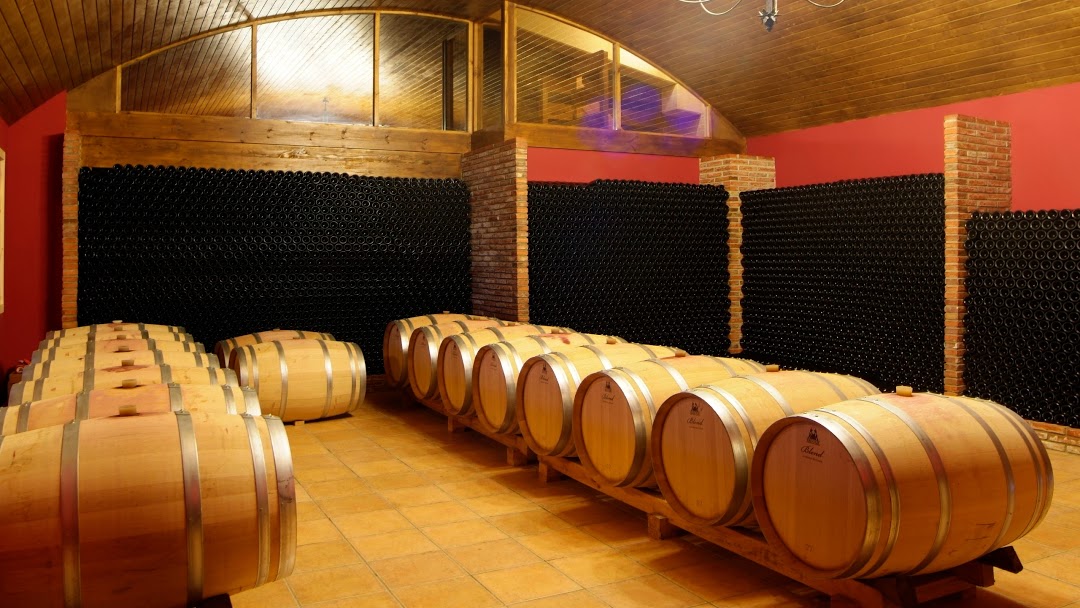
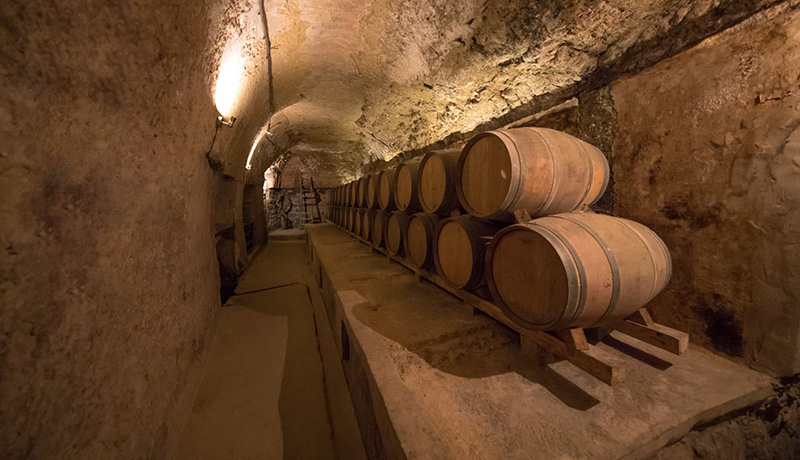
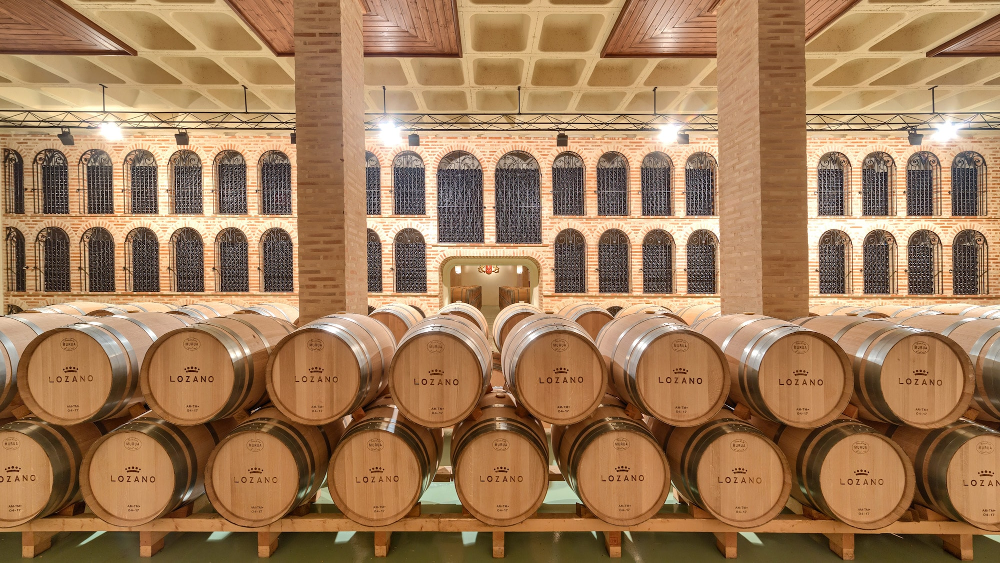
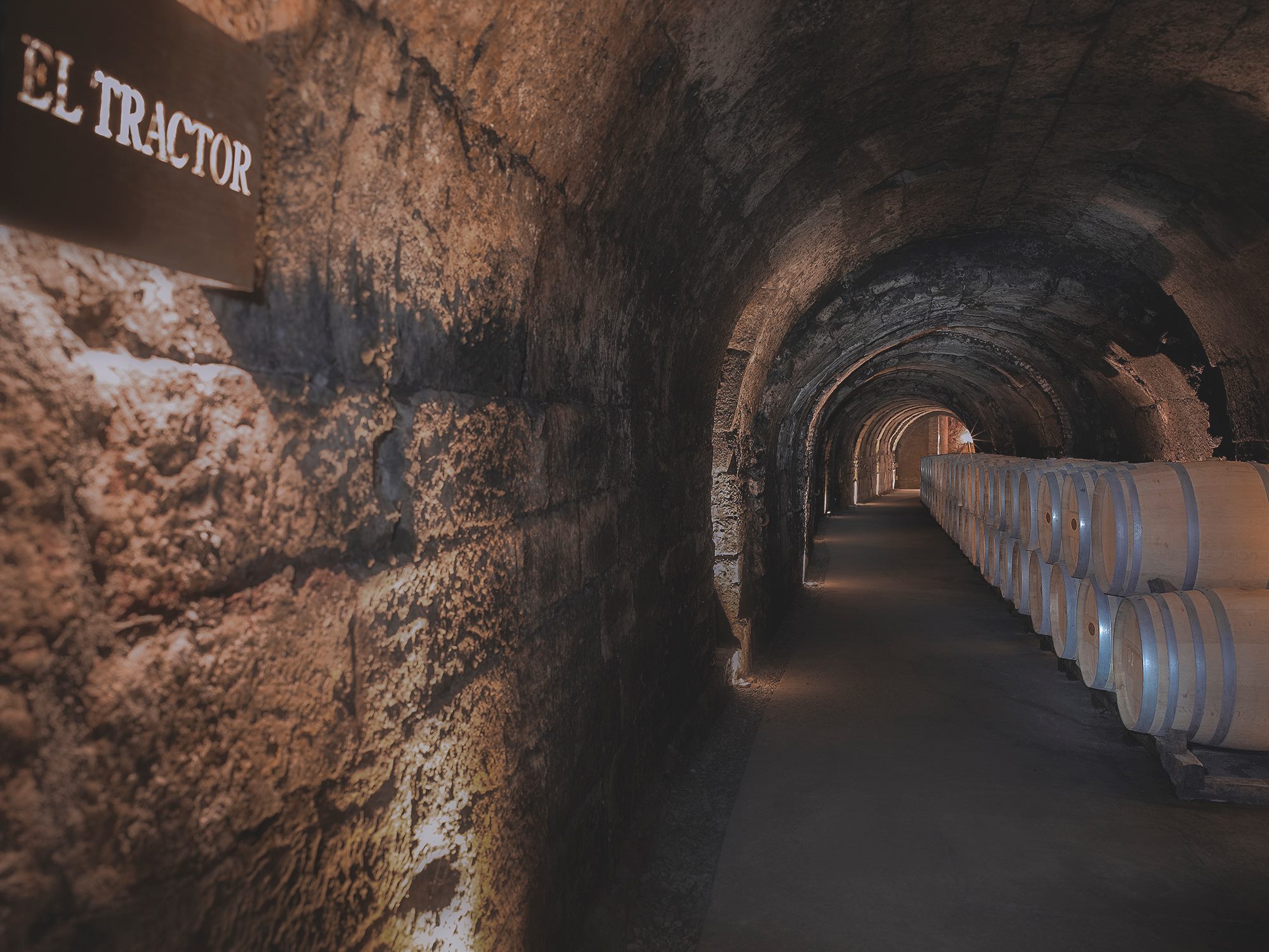
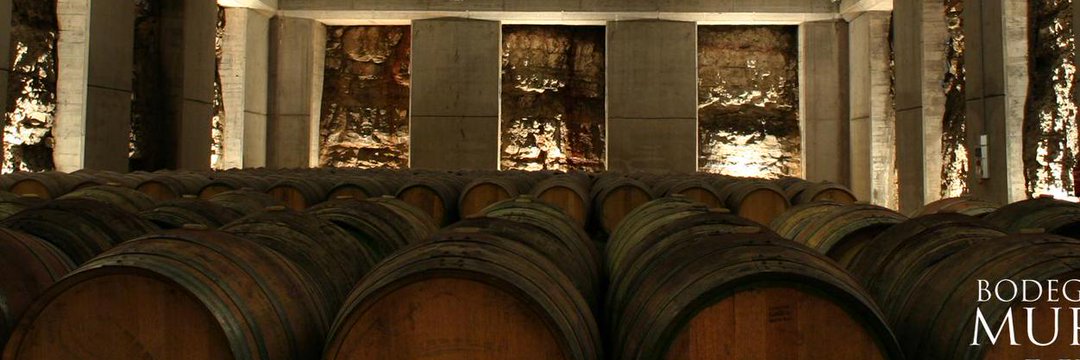
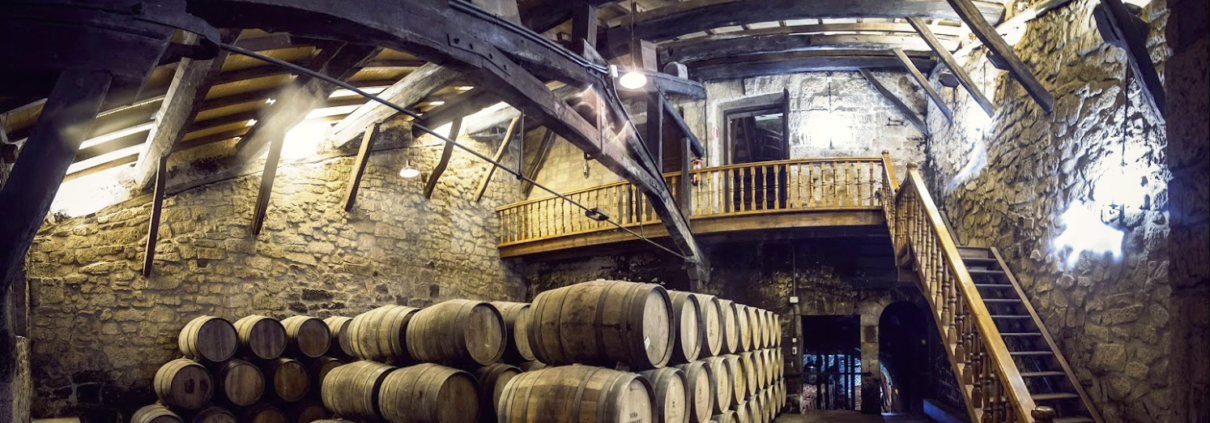
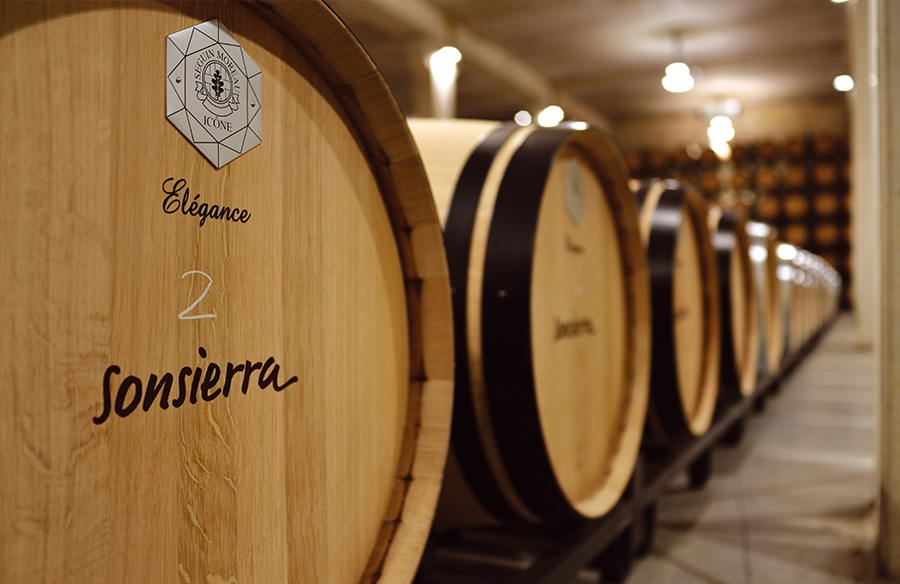
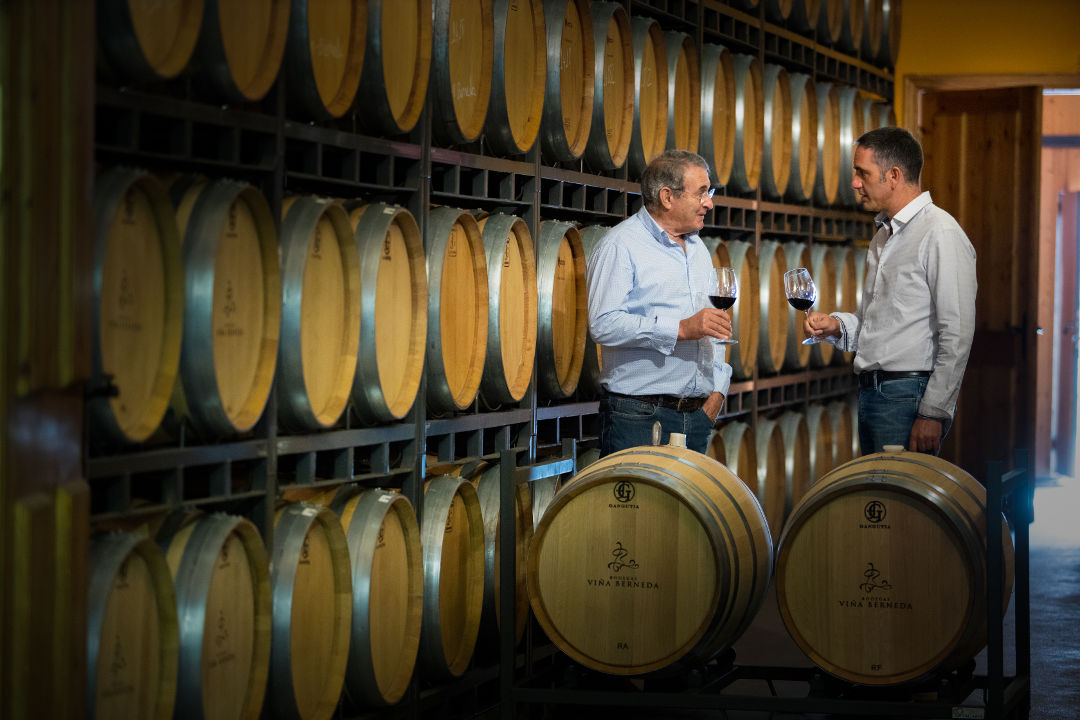
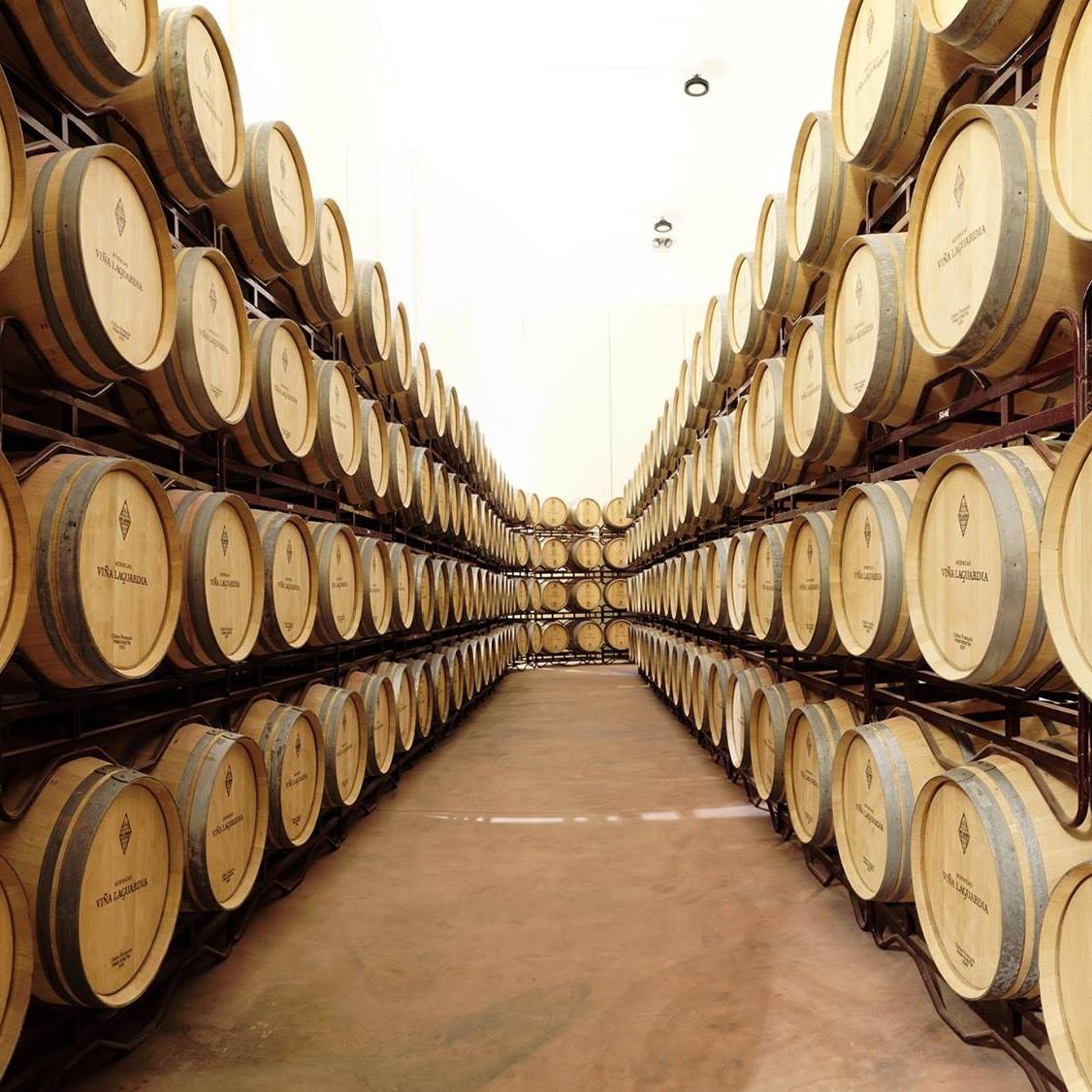
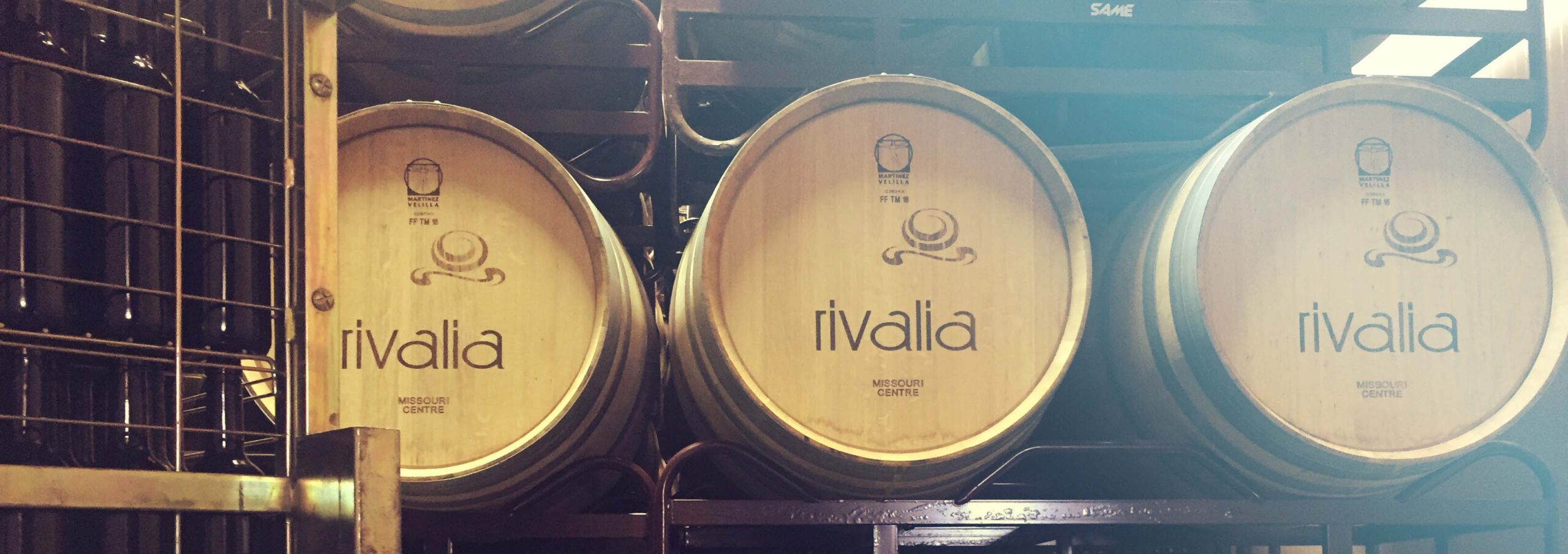
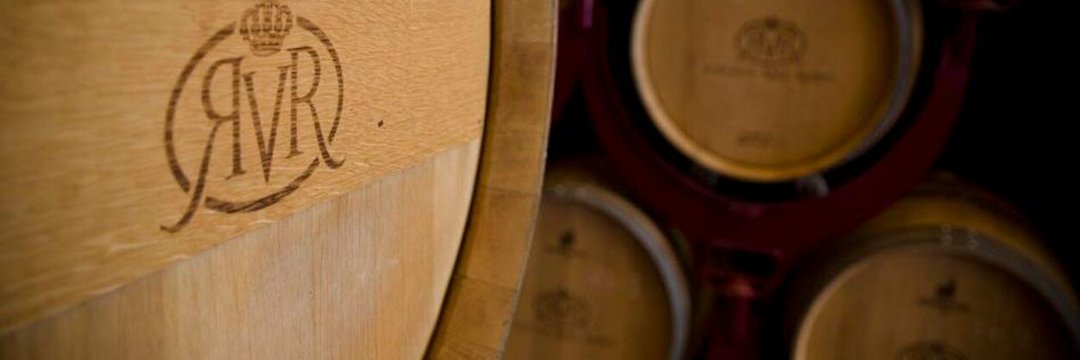
One of the distinguishing features of Rioja wines is their great aptitude for ageing, an exclusive quality of the great wines. Through a suitable ageing process, in which oak wood plays a decisive role, Rioja wine undergoes a favourable evolution that exalts its virtues and confers new aromatic and flavour characteristics upon it.
Rioja wines possess the elegance, originality and character of the great wines, something that can only be achieved when varieties, viticultural environment and winemaking procedures have been refined over time. Given the wine-growing diversity offered by the Designation, it has been a traditional practice of the wineries to blend grapes and wines of different varieties, estates and municipalities, seeking the complementarity that would exalt their respective virtues in the final product.
This is undoubtedly the best-known type of Rioja, although increasingly the wineries offer a rich range of styles, with wines of great concentration and fruit expression, which come from specific vineyard plots.
REDS, WHITES AND ROSÉS
There are 14 authorised varieties in Rioja.Among reds: tempranillo, garnacha tinta, graciano, mazuelo and maturana tinta. Among whites: viura, malvasía, garnacha blanca, tempranillo blanco, maturana blanca, turruntés, chardonnay, sauvignon blanc and verdejo.The tempranillo variety, considered native to Rioja, is the foundation of the identity of the red wines and one of the great noble varieties of the world. It occupies almost 80% of the cultivated area in Rioja and is oenologically very versatile, capable of producing very balanced wines with great ageing potential.Rioja is also a land of great and different whites, from young and fruity to long-ageing. The Viura variety occupies 70% of the total white grape area of the region; it is a more productive variety than the reds and offers fruity wines, with a floral aroma and a notable degree of acidity, ideal for making both young and aged wines.
Experiences to enjoy in D.O.C. Rioja
Discover this wine-growing region located in La Rioja, Álava and Navarre.