Wine tourism in D.O. BIERZO
Finally, and after centuries of history, effort and passion, the greatest recognition of the quality and distinctiveness of Bierzo wine came in 1989, with the attainment of the Bierzo Designation of Origin. The wines of Bierzo have written their own history slowly and surely, with tenacity and hope. Today we are living an explosive and wise present, where the consumer is demanding and rightly values our wines. And we await an exciting and singular future, where the wines of Bierzo maintain their personality and their excellence.
A unique region for unique wines
The wines of Bierzo have their own, unique personality. They are wines with terroir, which speak to us of a distinctive space, with singular characteristics that reveal themselves in the tasting and enjoyment of the wine. The different varieties produced under the Bierzo Designation of Origin allow the elaboration of white, red and rosé wines, all of excellent quality and with a story to tell.
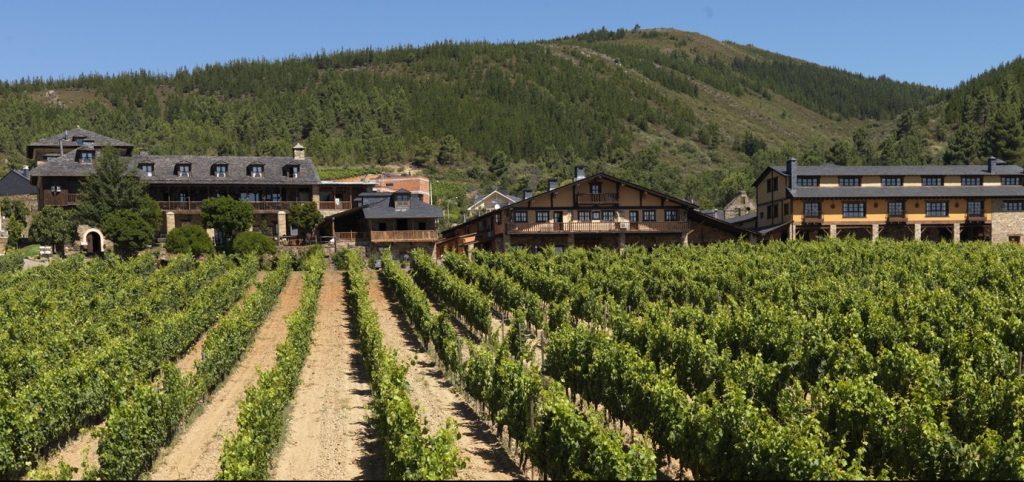
Bierzo is a relatively small region, with a surface area of 2,828 km2, much of it mountainous terrain unsuitable for cultivation. There are currently 2,853.54 ha of vineyard registered in the D.O., spread across 2,180 winegrowers, and work is being done to increase the percentage of cultivated land. More than 62% of Bierzo winegrowers are associated with cooperatives, which reflects a clear interest in marketing their fruit and a guarantee of grape quality control on the part of the cooperatives. In parallel and progressively, independent wineries have emerged that grow, produce and market high-quality brands. Bierzo has 75 wineries registered in the Designation of Origin that have managed to cross the borders of the national market.
The land and the climate
This diversity has made it an ideal land for the cultivation of different crops, being the Spanish region with the greatest number of quality labels: alongside the D.O. Bierzo wines, we find the Reineta Apple, the Botillo, the Pepper, the Conference Pear, the Chestnut, the Cherry and the Cecina.
Zones
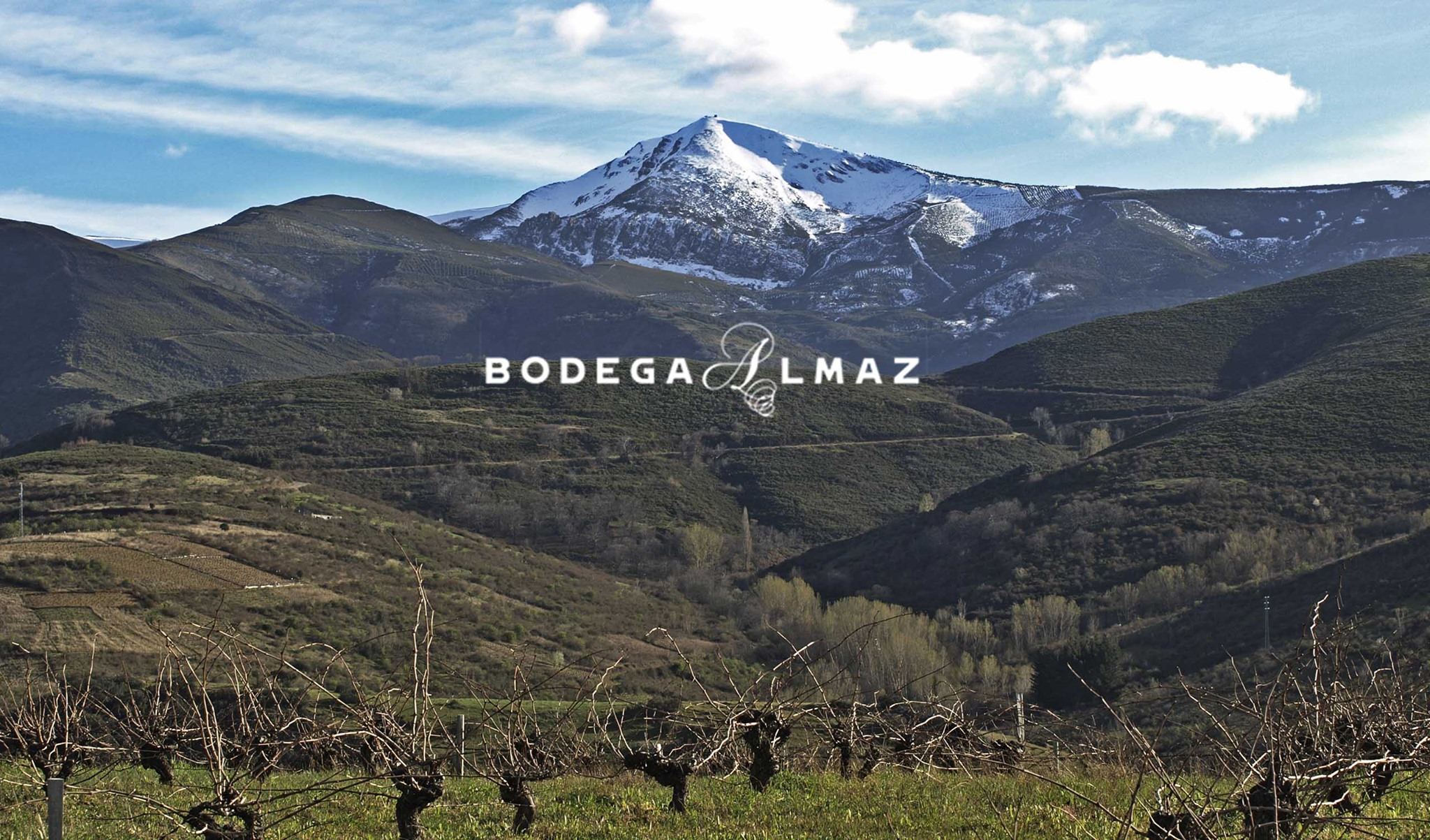
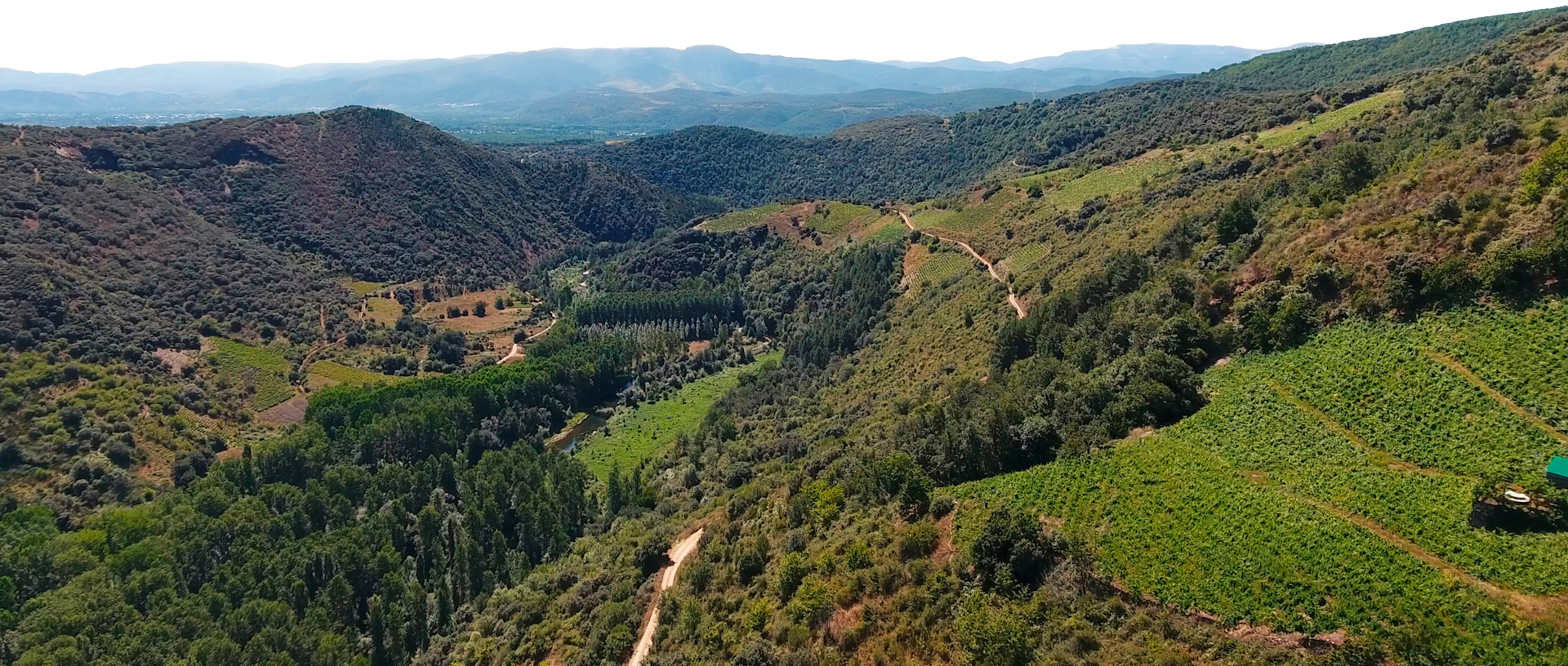
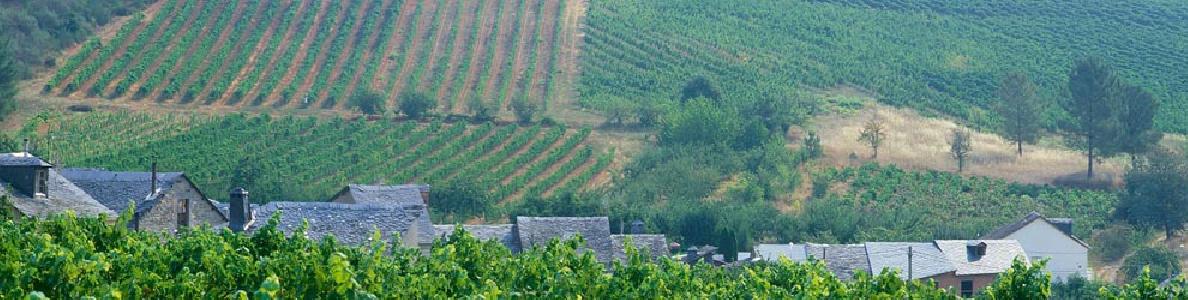
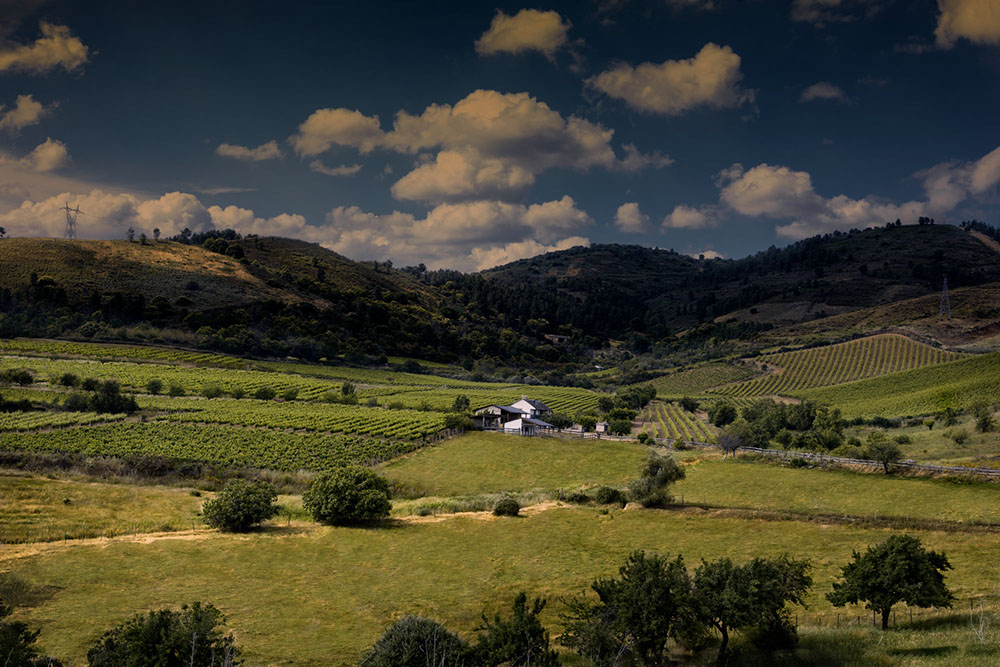
Bierzo is characterised by its great richness of contrasts between mountain and valley. This region is a great tectonic basin watered by different rivers, among which the rivers Sil, Boeza, Cúa, Burbia and Valcarce stand out; and surrounded by a mountainous crown that protects it and delimits it geographically. Clearly standing out in the relief are the Ancares and Gistredo ranges, the Aquilianos and the Sierra del Caurel. We find peaks that exceed 2,000 m in altitude, valleys and lands of medium altitude where terraces have formed naturally. All this makes possible a great richness of flora and fauna,
Microclimates
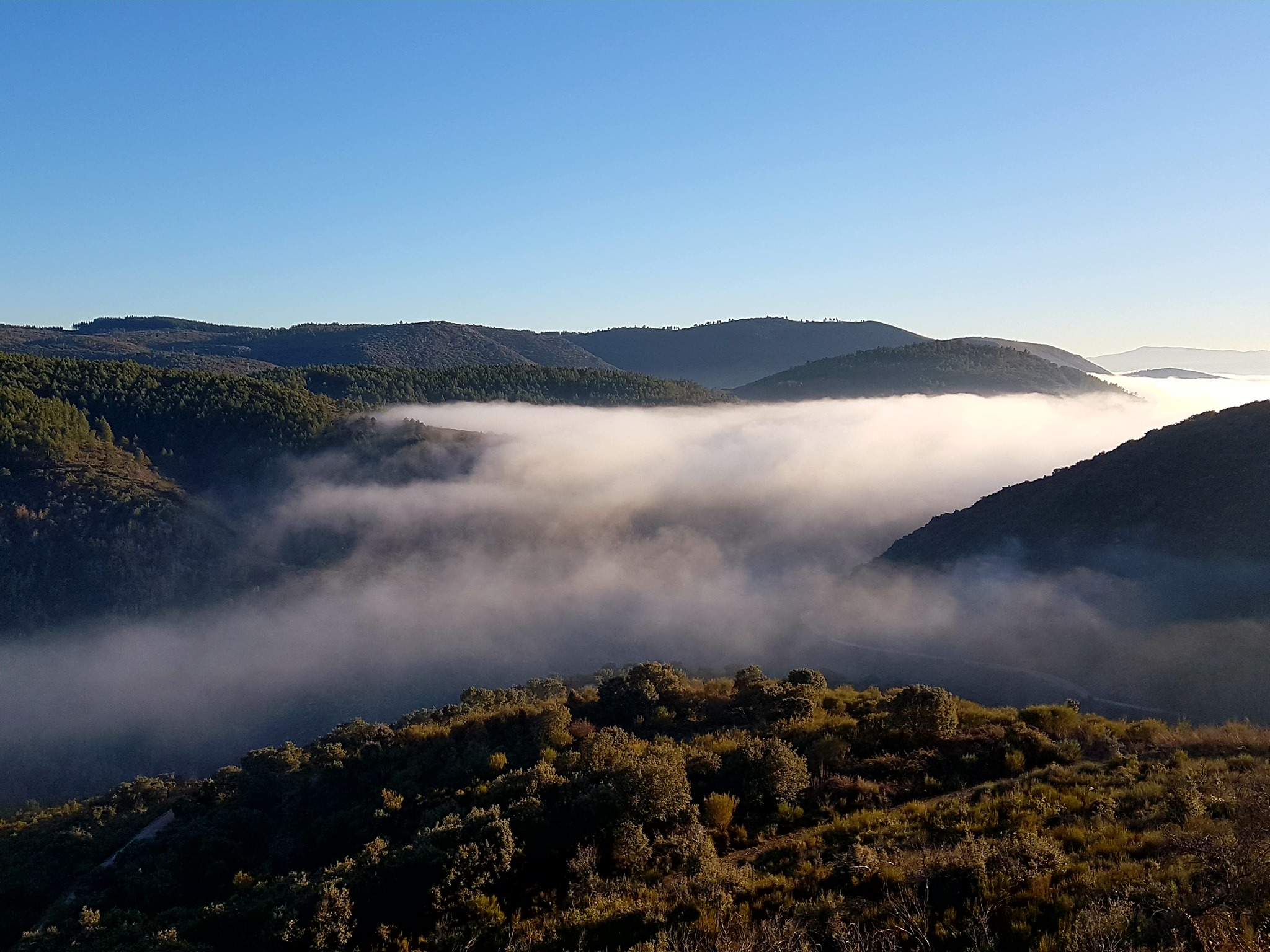
It is said of Bierzo that it has a very special microclimate, since it maintains a temperature without great fluctuations throughout the year. Its geographical situation and its geology shape its own, distinctive climate. Thus we have a transition climate between the Atlantic and the continental, with cool winters and mild summers. There are marked differences between the mountain climate and that of the basin, with milder temperatures in the latter, around an annual average of 12 ºC. Its average annual rainfall is 721 mm, higher than in other areas of the Iberian plateau owing to the mountainous presence that surrounds Bierzo. The rains are especially abundant during the months of September and May, reaching in some areas more than 1,000 mm. This semi-humid climate with benign temperatures favours the cultivation of the vine.
Bierzo is a fertile land, full of contrasts, where different varieties of high-quality grapes are produced, all of them adapted to the specific characteristics of soil and climate. The production of the protected wines must be carried out exclusively with grapes of the recognised varieties: the red varieties, Mencía and Garnacha Tintorera; and the white varieties Godello, Doña Blanca, Palomino and Malvasía.
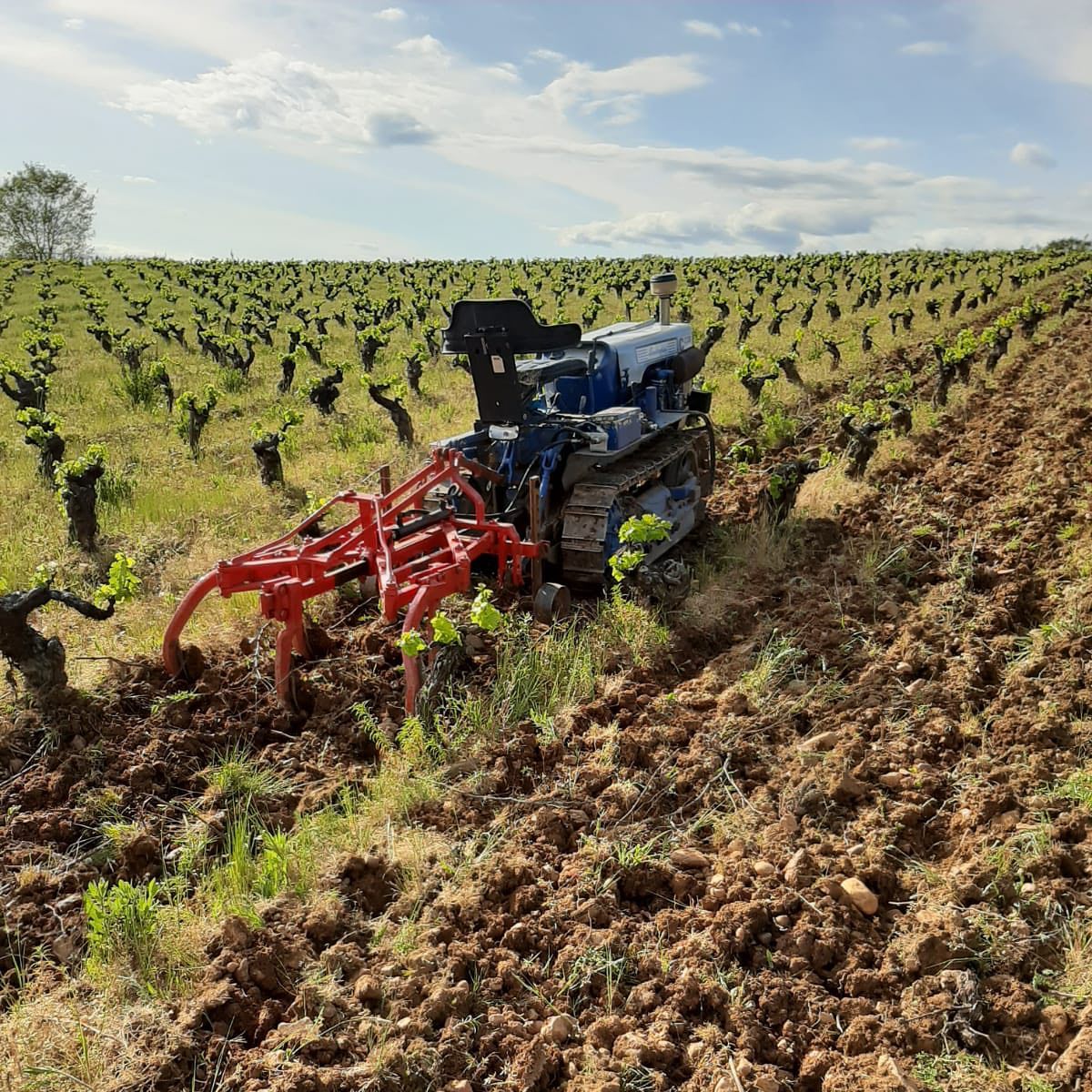
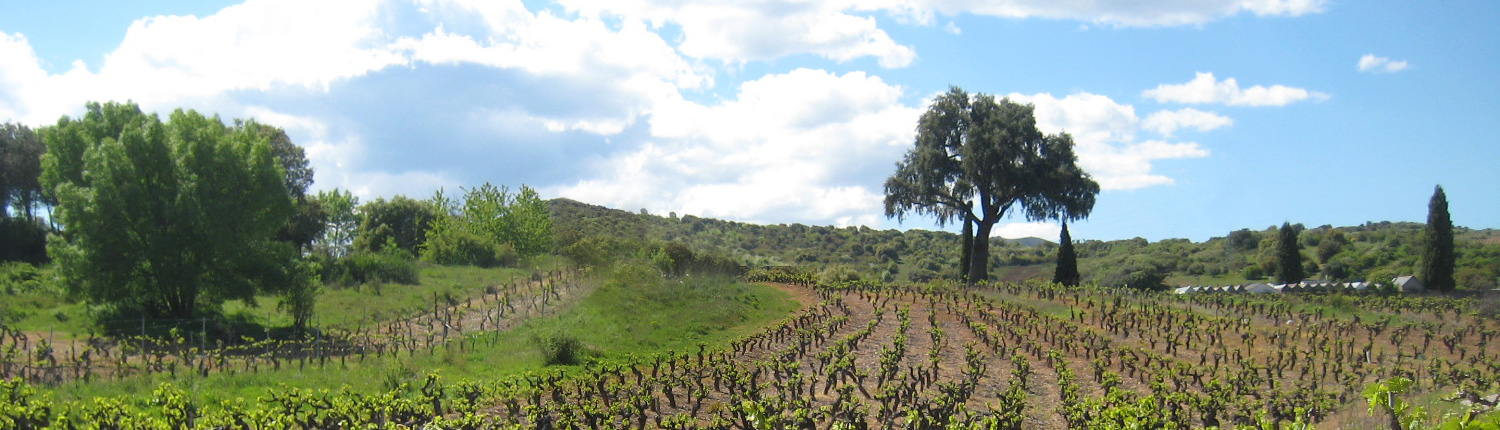
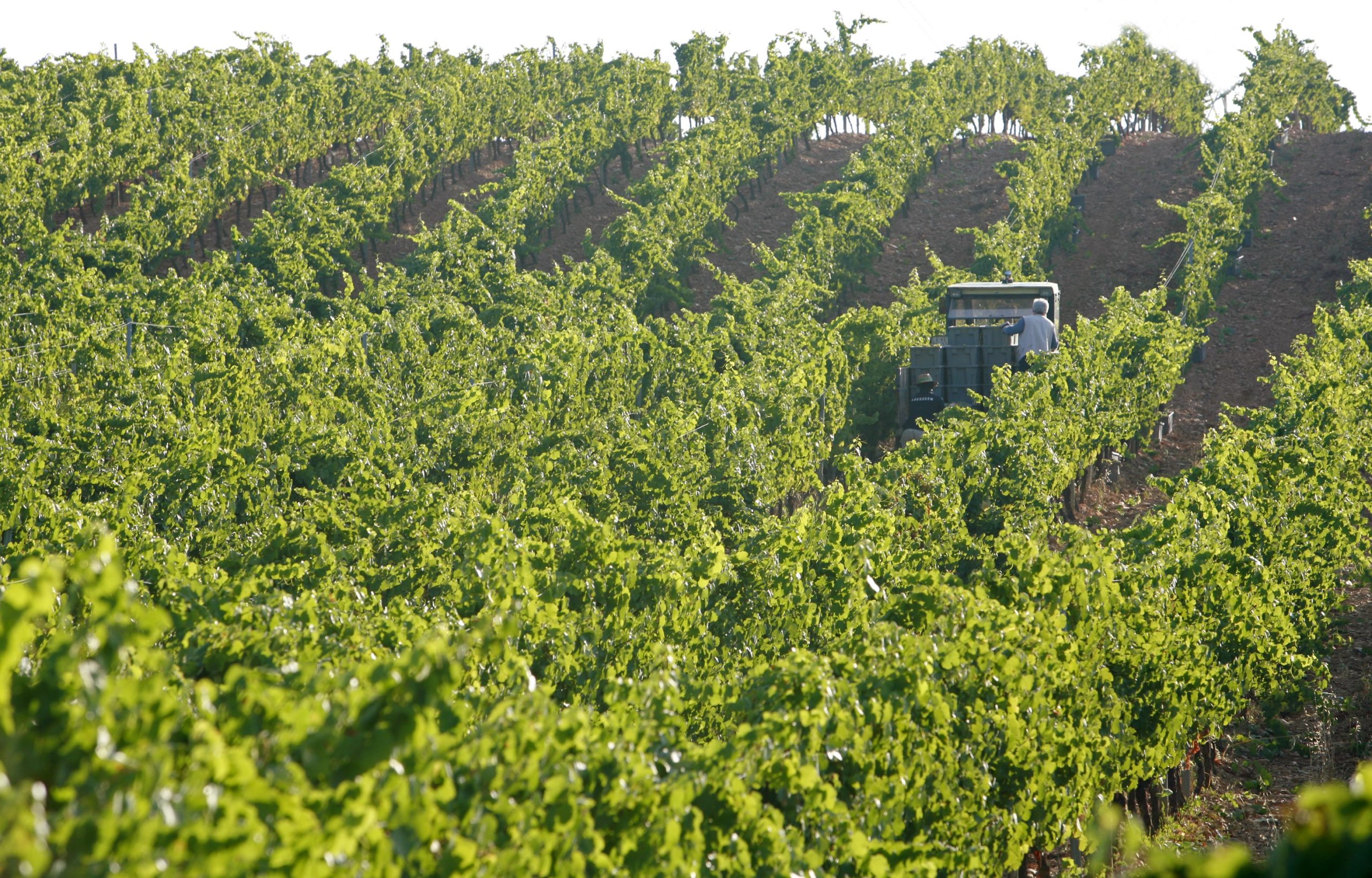
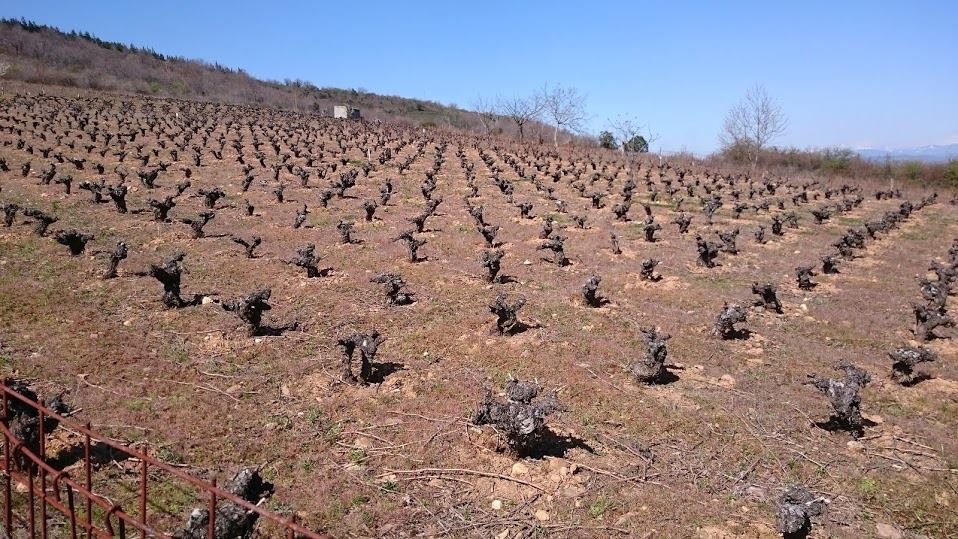
The cultivation of the various varieties registered in the D.O. Bierzo is mostly carried out in the traditional way, in goblet (vaso). This system requires a very direct relationship between man and the vineyard, since most of the work has to be done by hand. Goblet cultivation is a hallmark of long-lived vines, where the clusters are closer to the ground, thus favouring the arrival of the sap to the fruit. This system has been relegated in other regions to make way for a more massive and mechanised production. Nevertheless, in Bierzo it is maintained as the main growing system, in order to preserve the personality of the vine and putting quality before quantity.
MENCÍA, the star variety of Bierzo
Mencía is the main variety of the D.O. Bierzo. Indispensable for the production of reds and rosés, it produces excellent, soft and velvety wines of great quality.
Mencía excels in mountain areas and its ripening is closely related to the sun orientation and the altitude of the vineyards. It is frequently found on terraces and banks. It copes well with mineral slate and clay-silty soils. This variety is characterised by producing small, compact clusters, with medium-sized berries and thin skin. Its must is garnet-red, with a high and balanced sugar content, resulting in aromatic and fruity wines, of intense colour and with great capacity for ageing. It is also used for the production of rosé wines, equally aromatic and fruity but lighter and softer
Experiences to enjoy in D.O. Bierzo
Discover this wine-growing region located within the province of León