Wine Tourism in D.O. Ribera del Duero
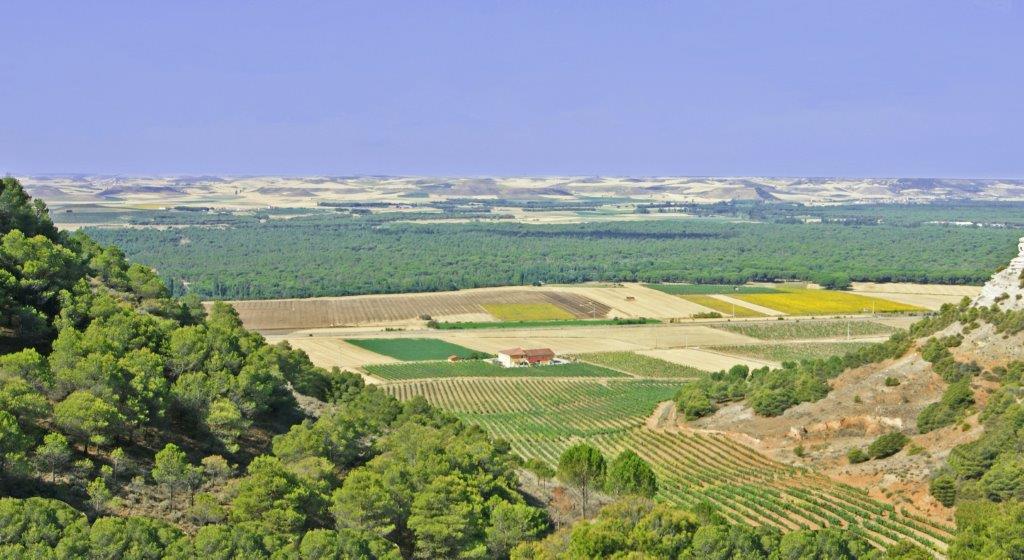
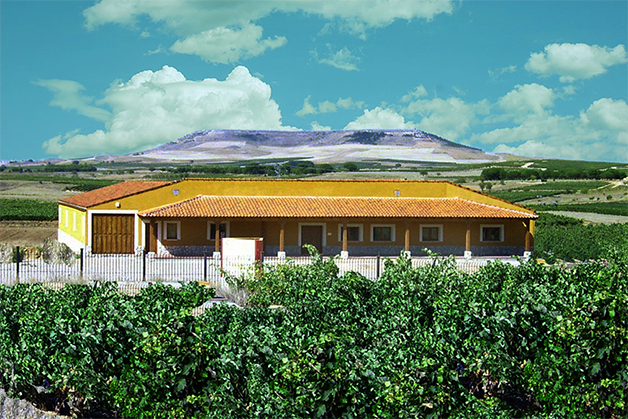
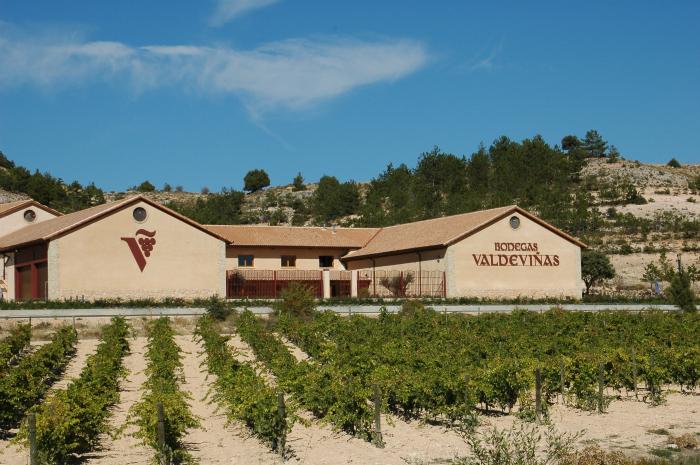
The Ribera del Duero Designation of Origin is located on the northern plateau; Burgos, Segovia, Soria and Valladolid accompany the Duero river on its journey, through a bond that unites more than 100 villages spread along a wine-growing strip of about 115 km.
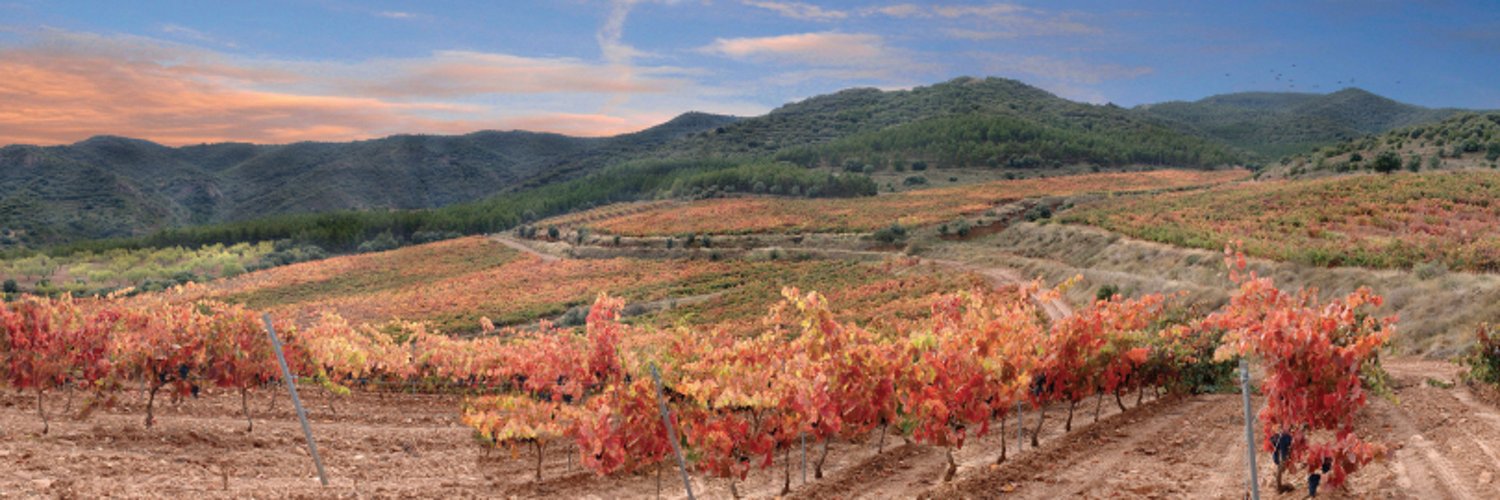
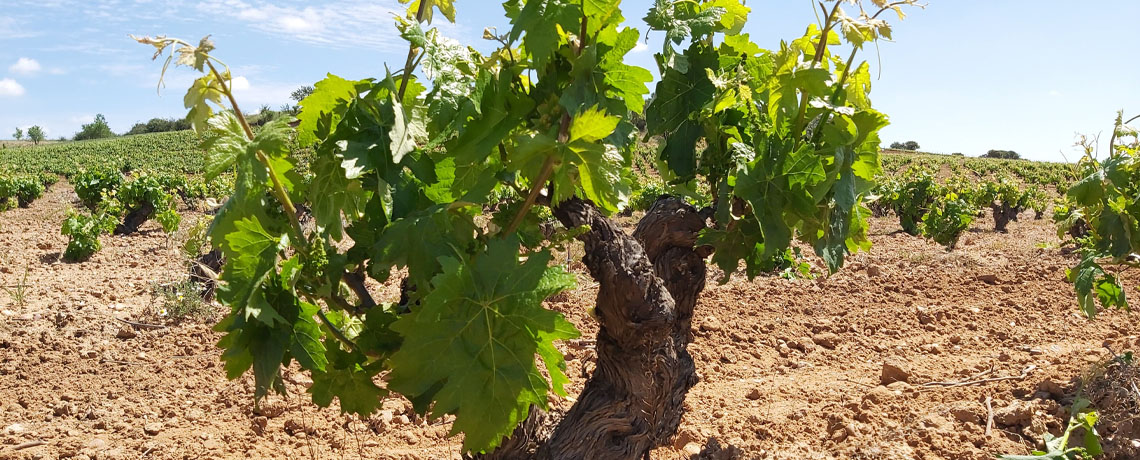
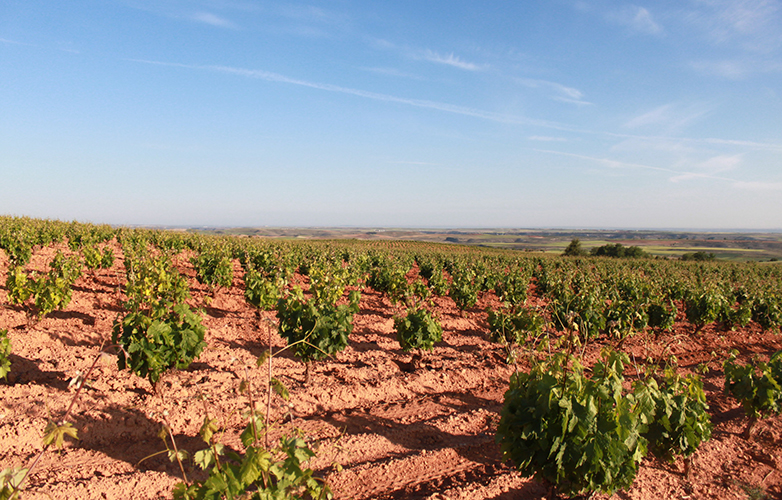
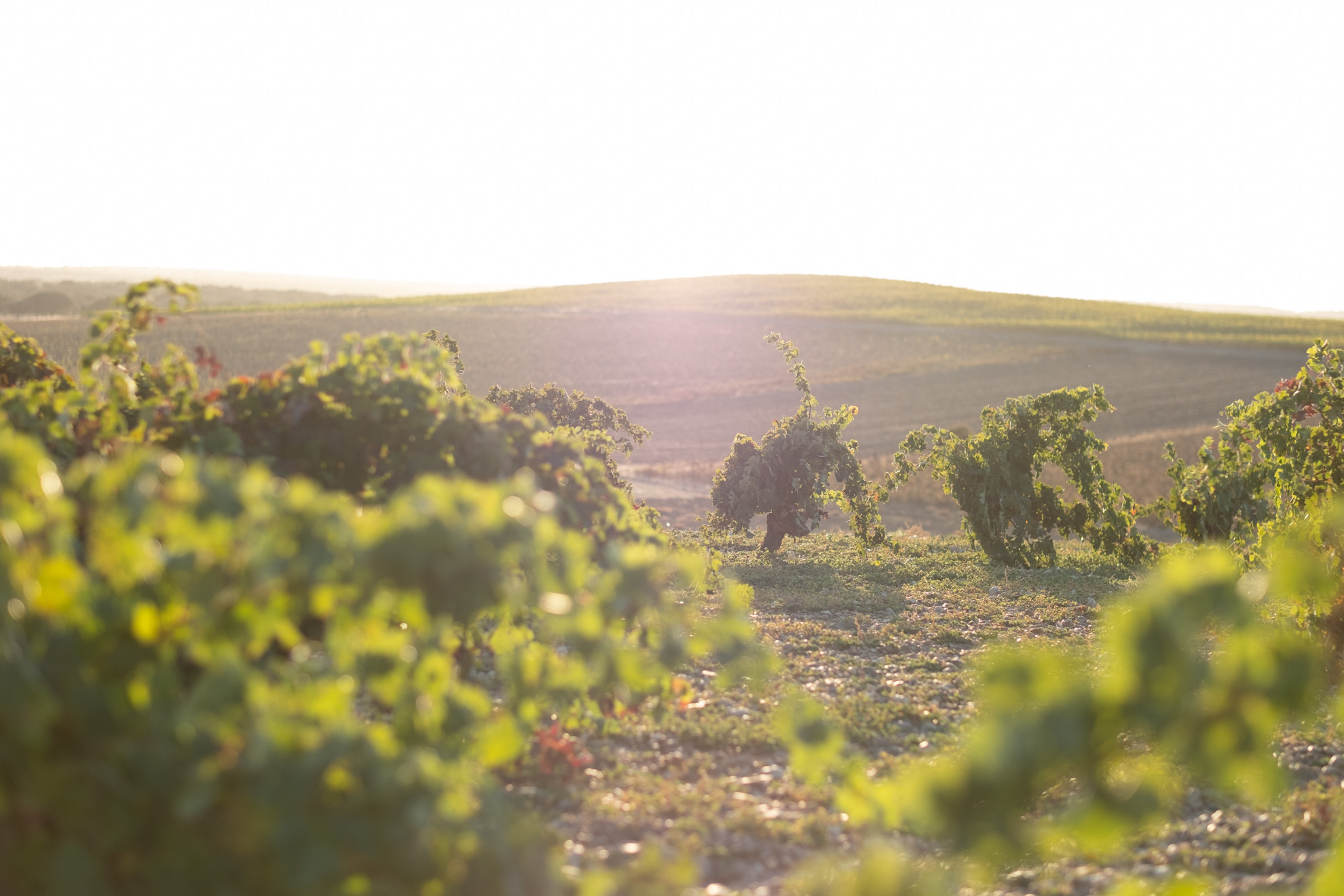
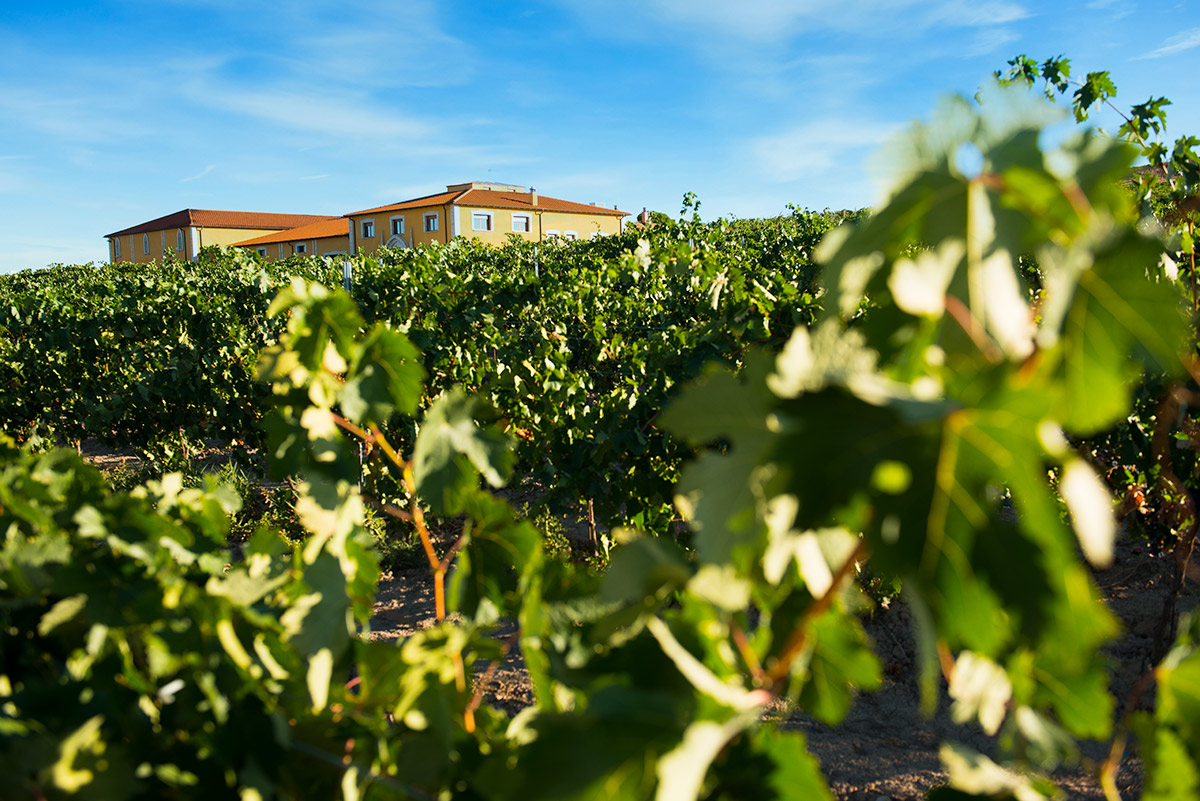
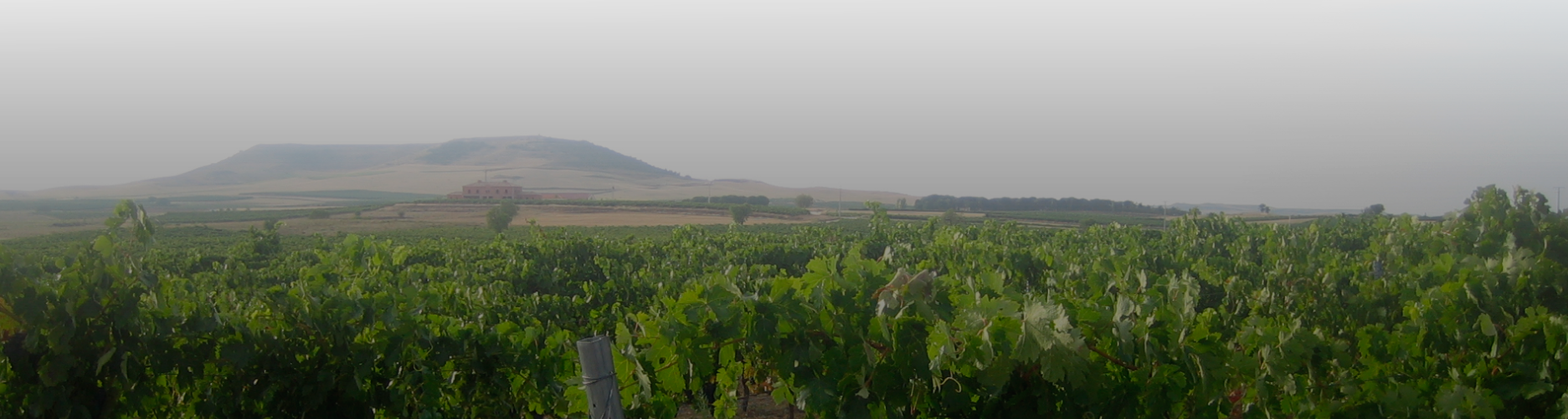
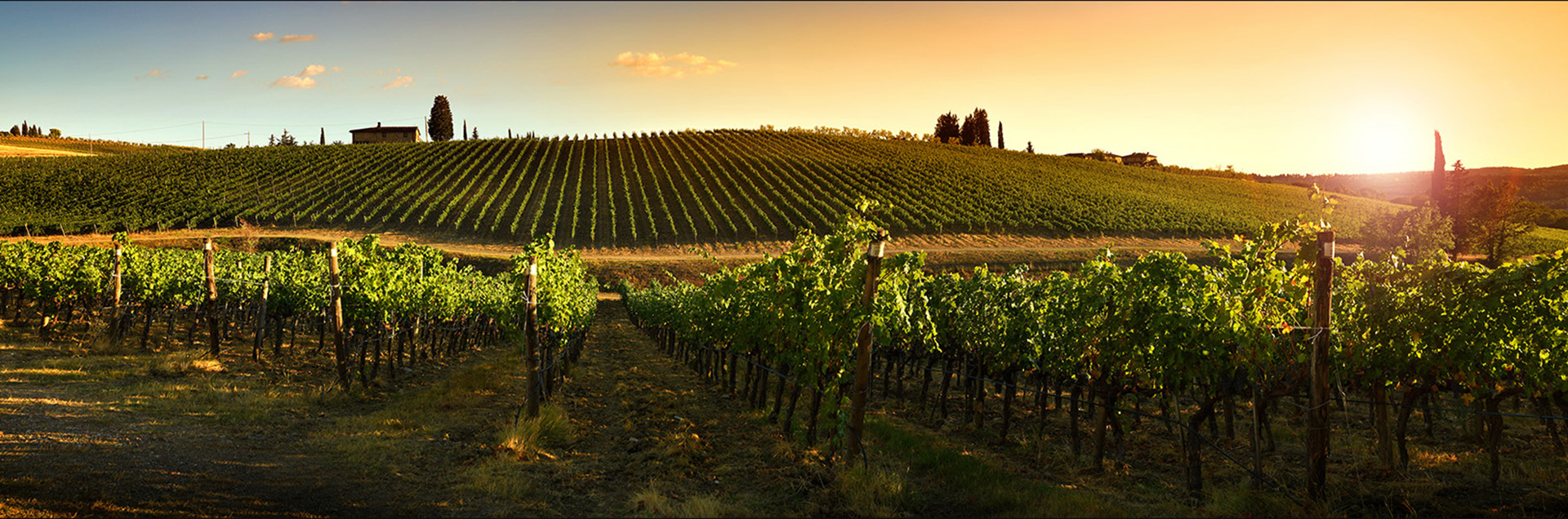
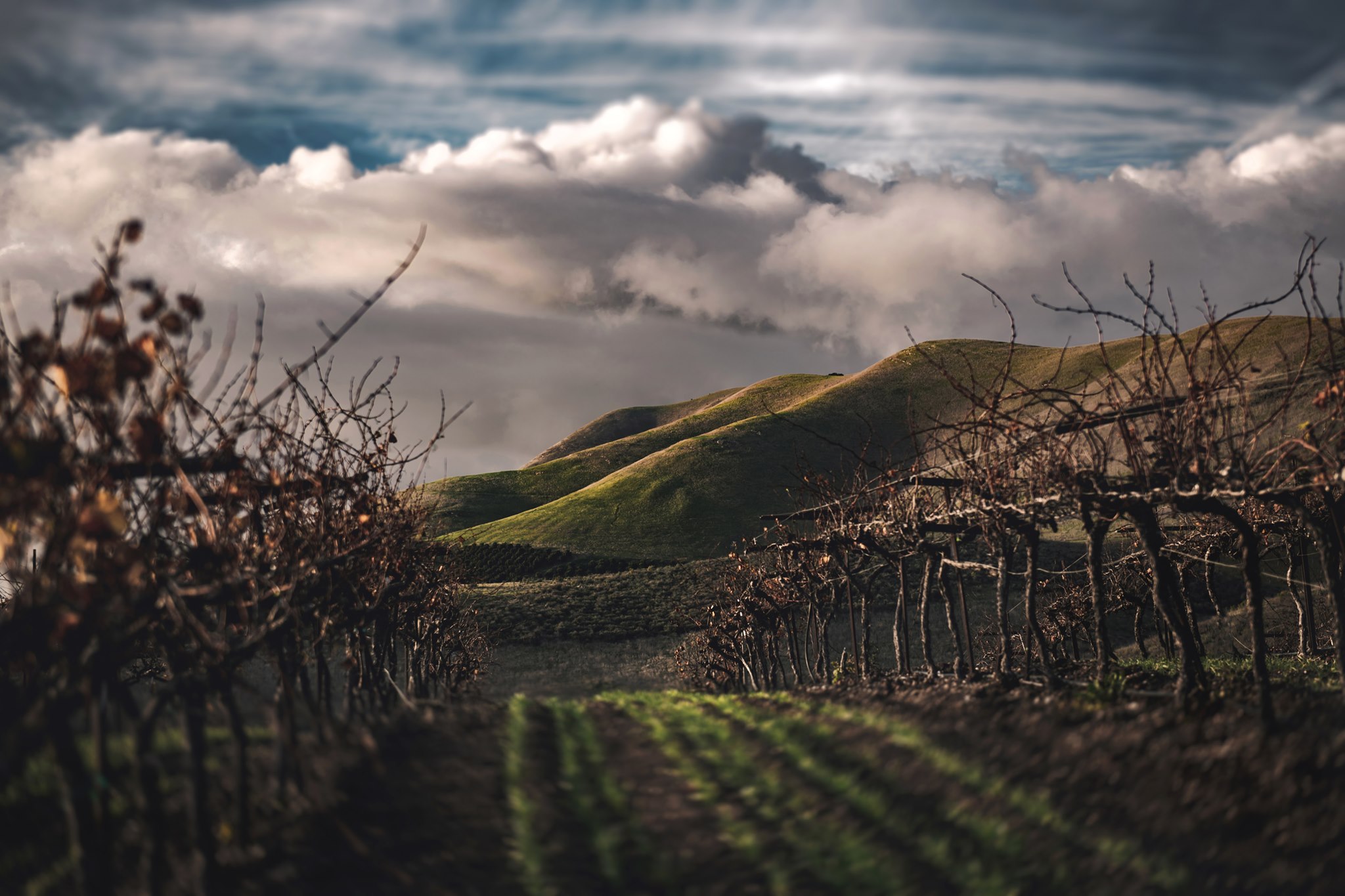
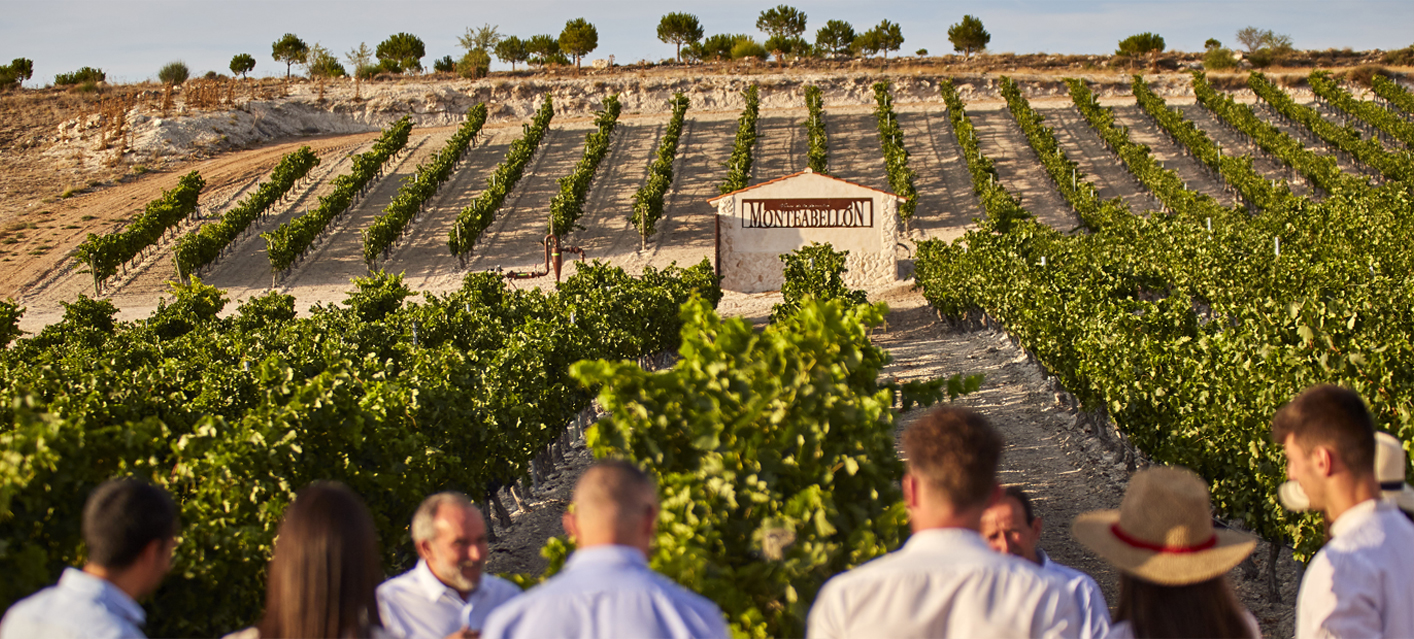
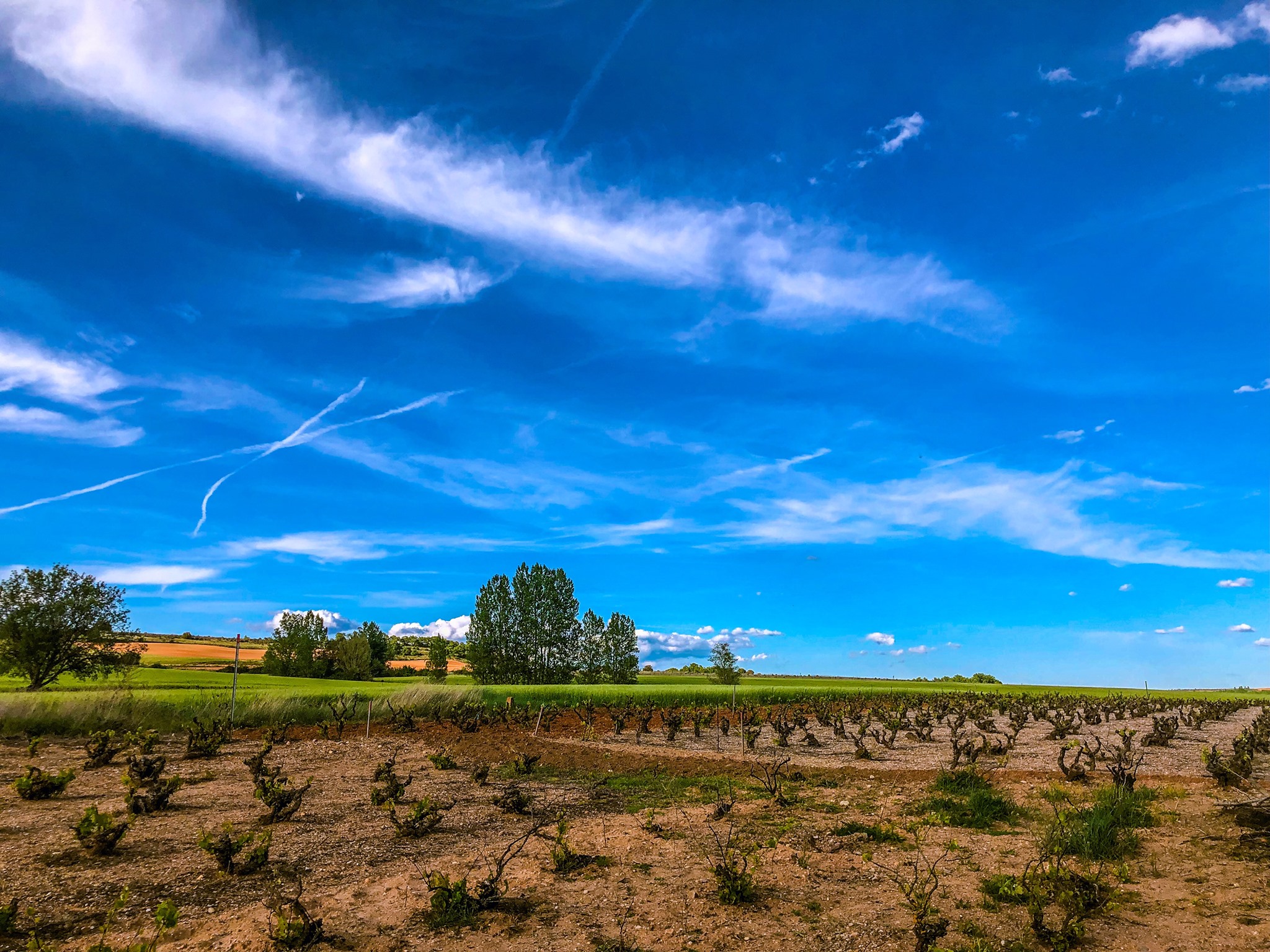
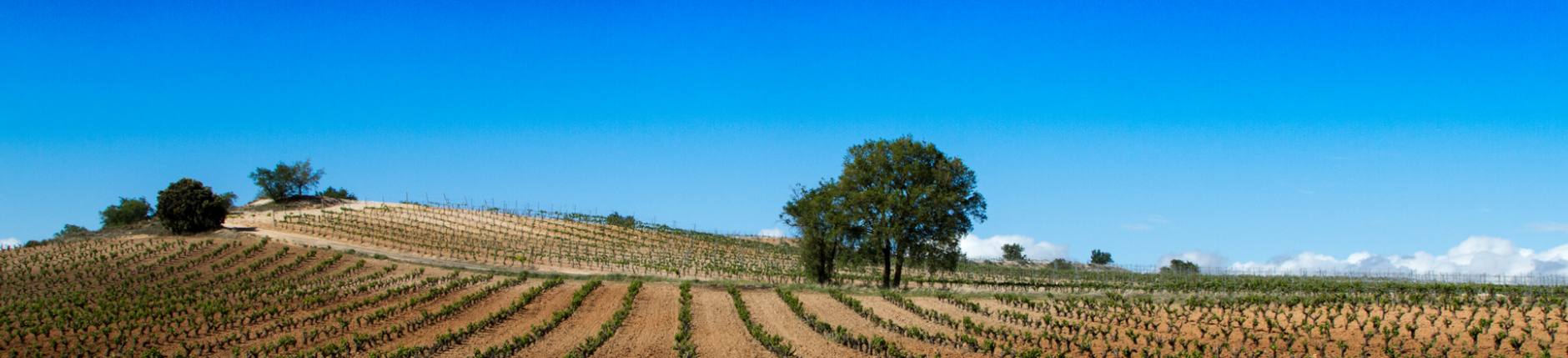
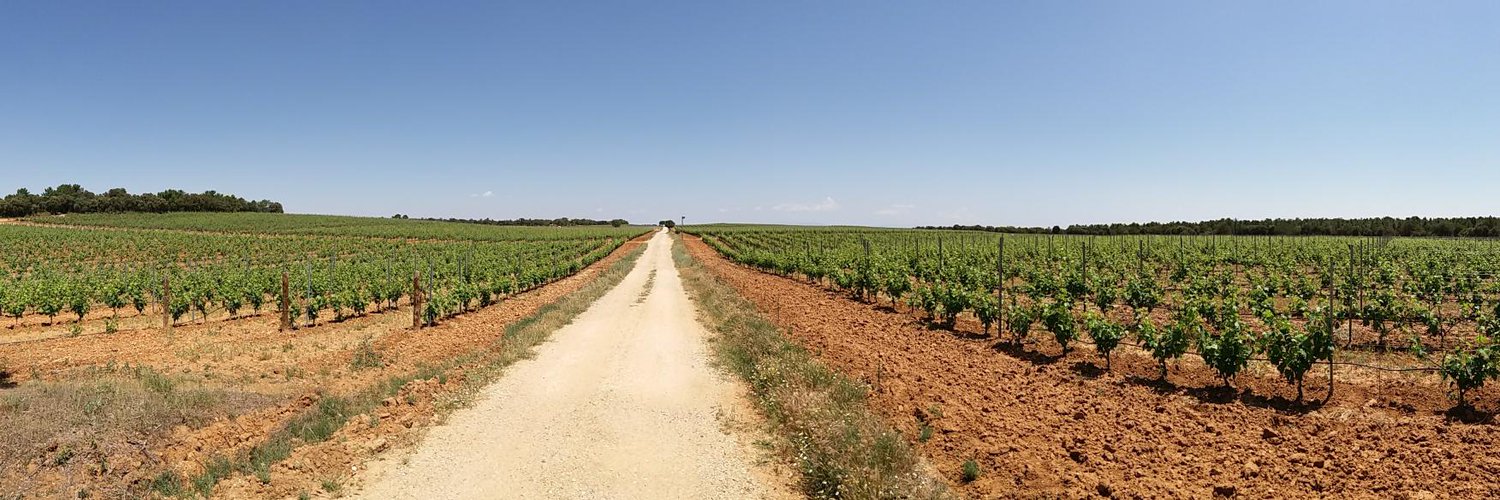
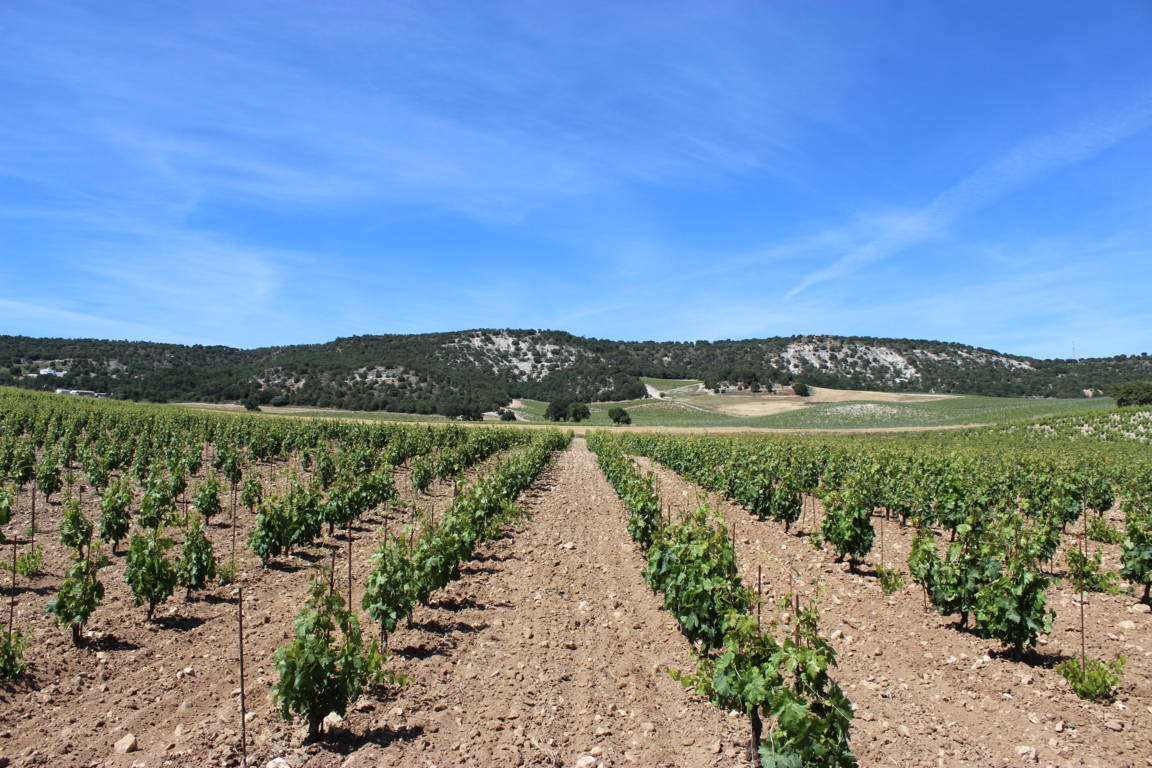
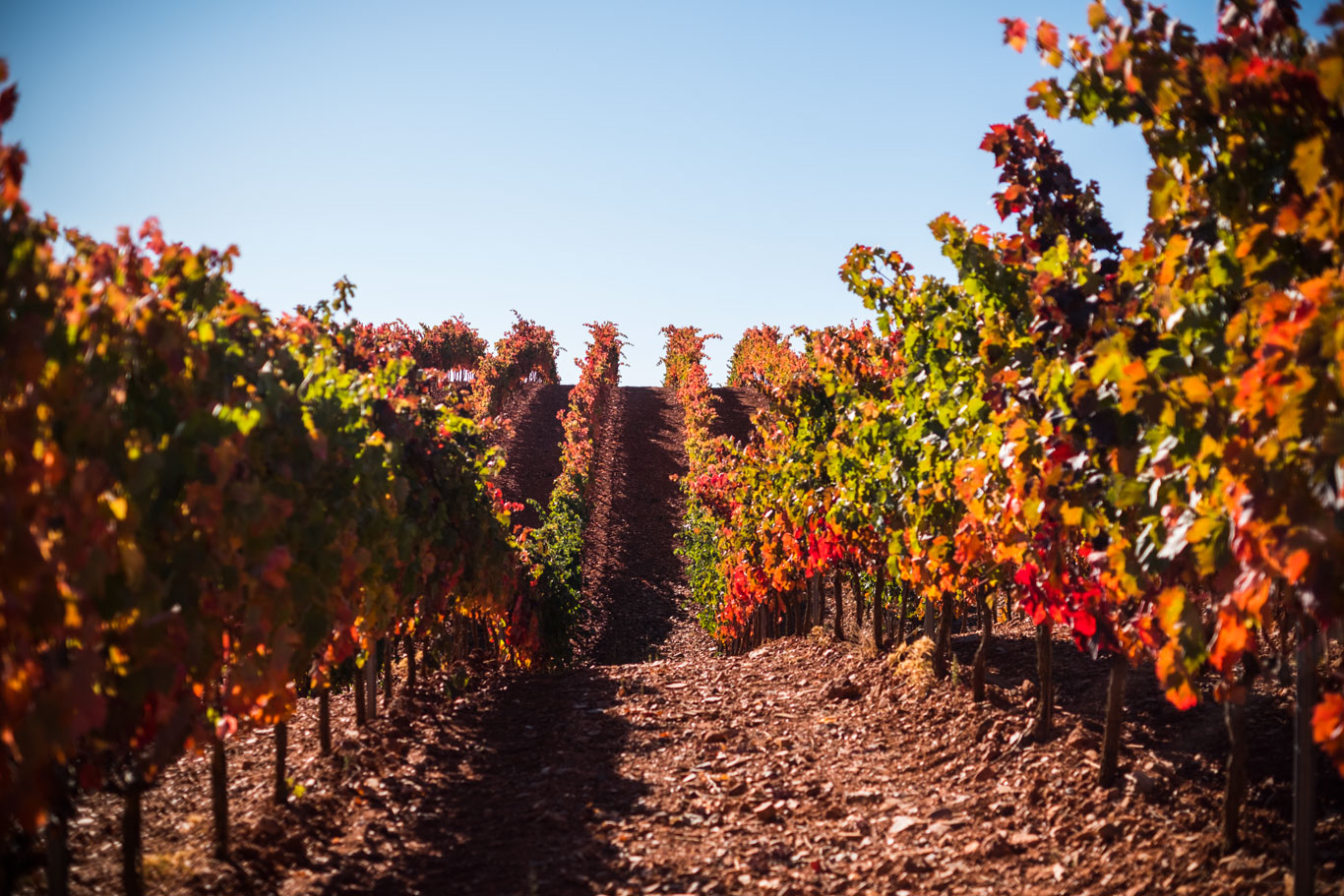
Time and the legacy of nature have endowed the entire area with an exceptional soil for growing vines. The variability of the weather marks unpredictable contrasts that alter the normal course of the vineyards, giving them a character and strength that make them unique.
A unique area for unique wines
The vine and wine have shaped the landscape of this land, the personality of its people, the heritage and the culture. An inseparable bond for understanding the Ribera del Duero as a land of wine.
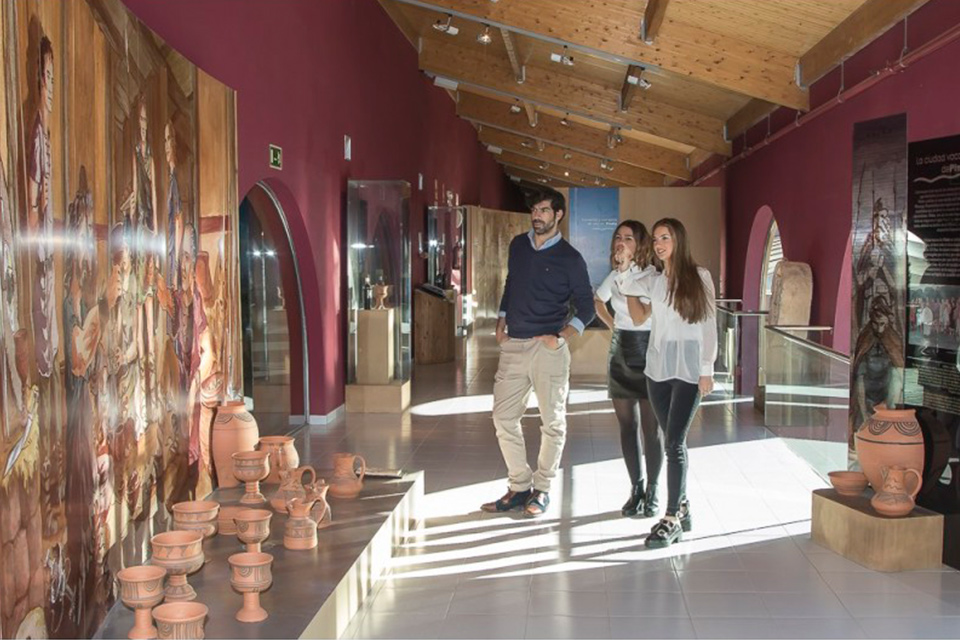
The first wine references in the area date back 2,000 years in history: although there are no conclusive references, several historians and geographers such as Ptolemy relate in their works the winegrowing activity of the Celtiberians and Vaccaei of the Duero basin, when the Roman troops were preparing to conquer it.
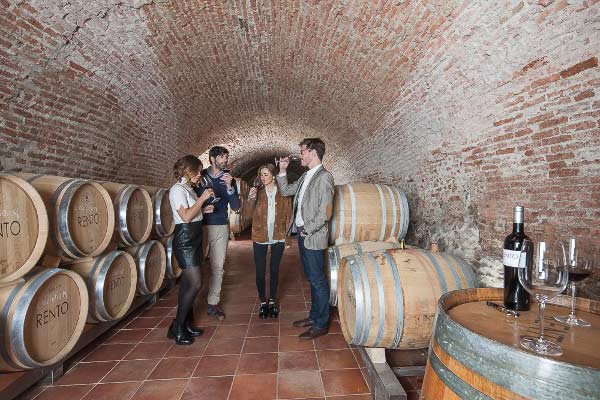
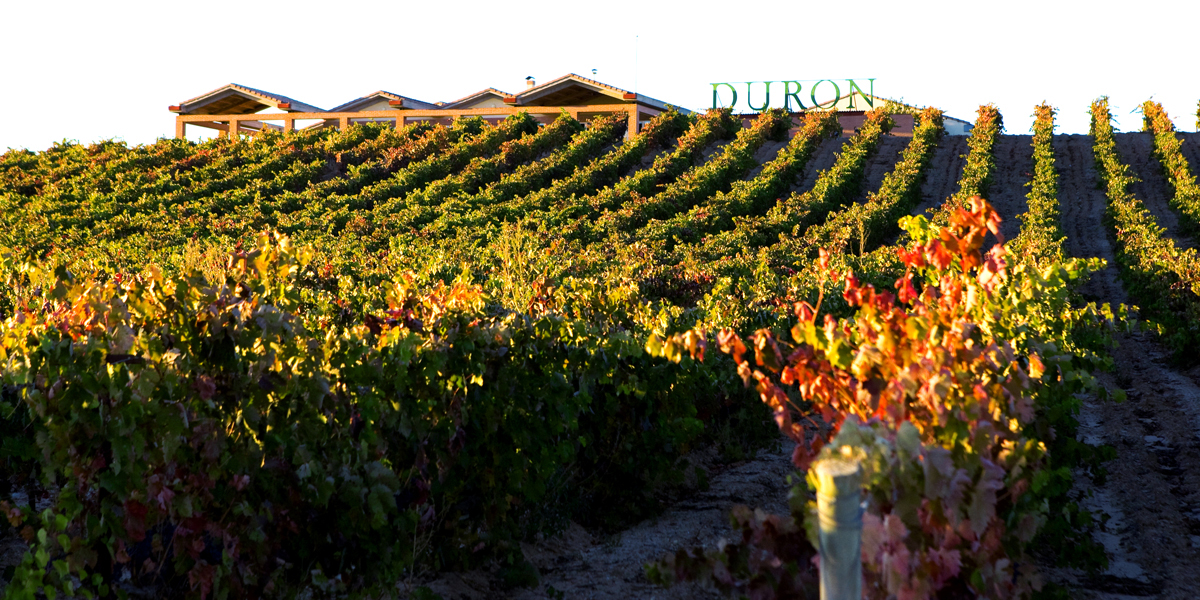
This is the oldest and most important Designation of Origin in the Community of Castilla y León. In 2008 its Regulatory Board turned 25 years old. Some 200 wineries with just over 270 companies belong to it, promoting the wine tourism of the area by offering the visitor, in addition to the winery visit, an incredible number of related activities.
The land and the climate
The Designation of Origin, as we know it today, arose following the initiative of a series of winegrowers and winemakers concerned with boosting the vineyards and the quality of the wines of the Ribera del Duero.
Zones
The Ribera del Duero is located in the great northern plateau of the Iberian Peninsula, formed by a large, ancient, eroded base partly covered by Tertiary sediments. The greatest volume of these sediments consists of more or less lenticular layers of silty or clayey sands, and there is a notable alternation of layers, both of limestone and marl and even of calcareous concretions.
The Climate
The climate is Mediterranean with a continental character. With a moderate-to-low average of rainfall per year, dry summers and long, harsh winters, with sharp thermal fluctuations throughout the seasons. It is precisely these fluctuations that help the grape develop a strong skin, capable of withstanding the inclemencies of the weather to protect the fruit until harvest.
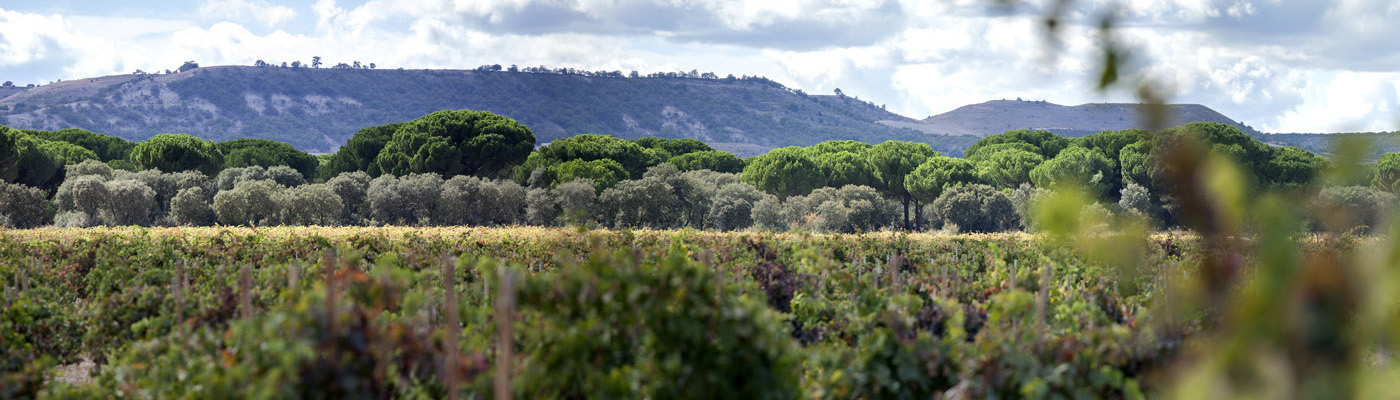
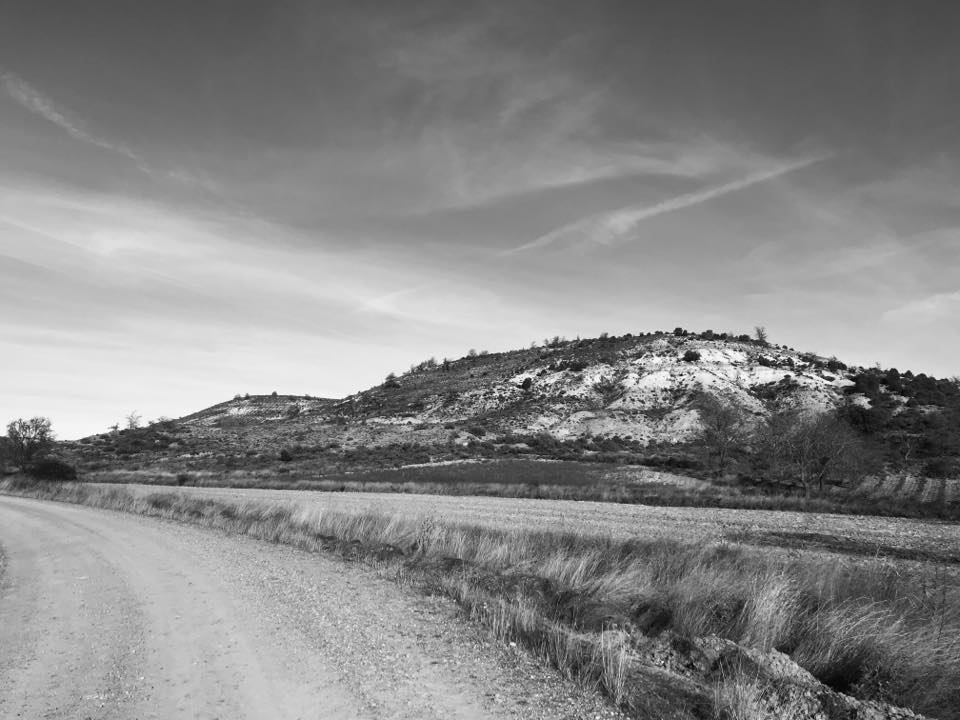
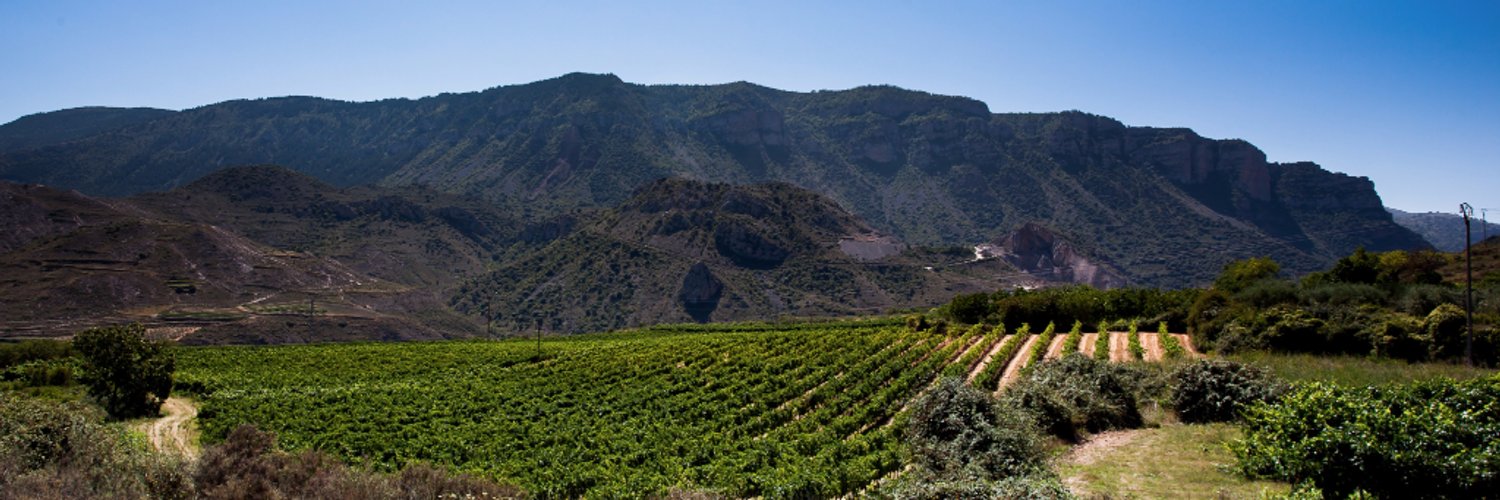
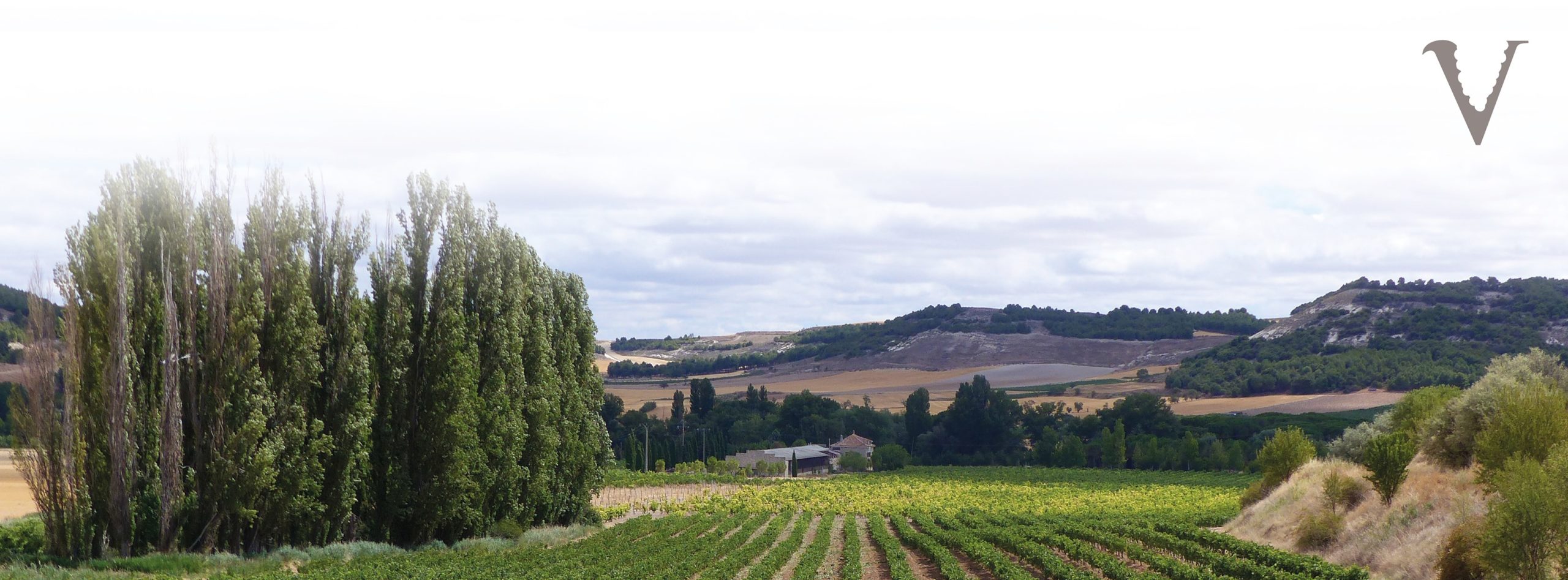
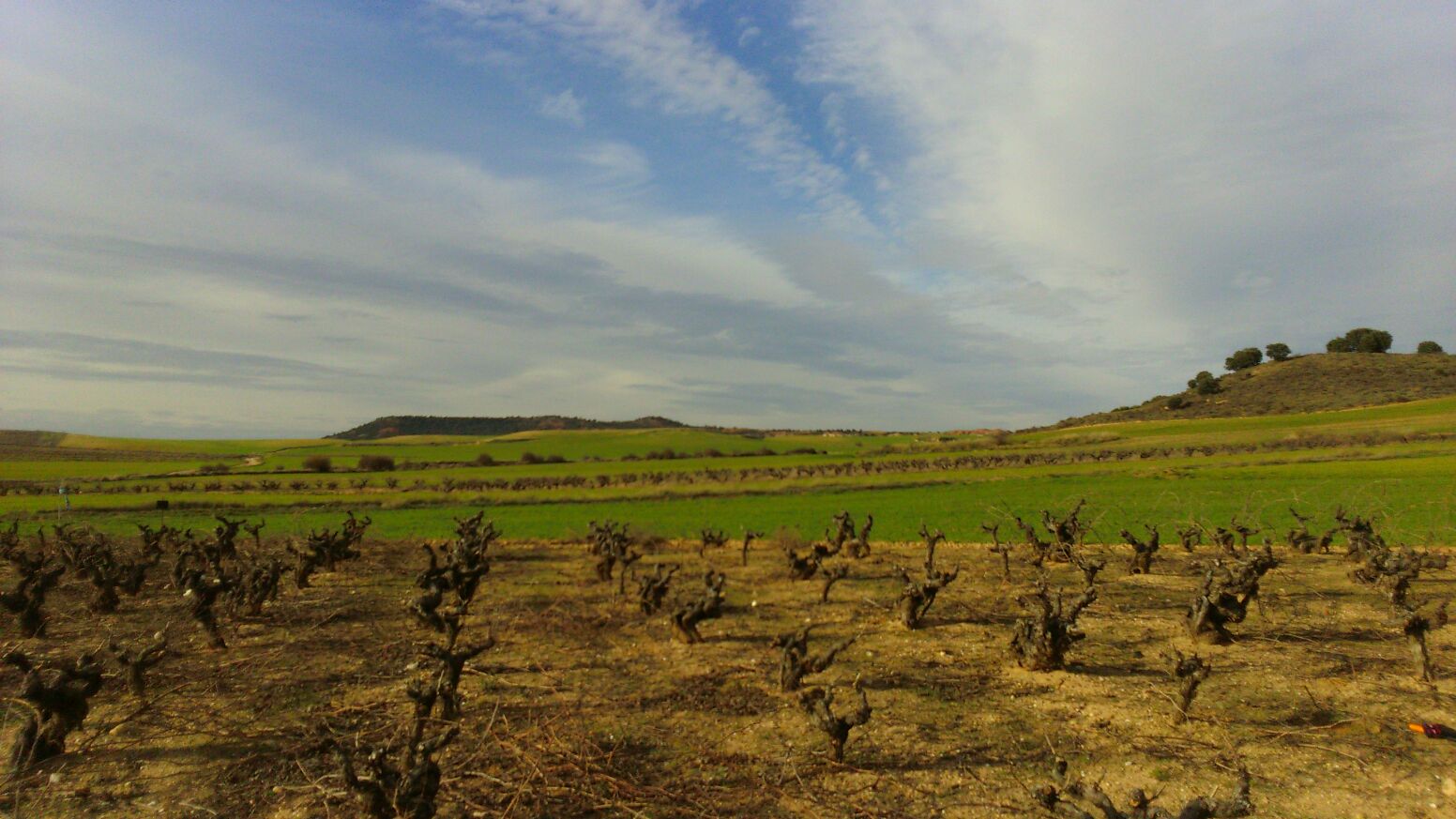
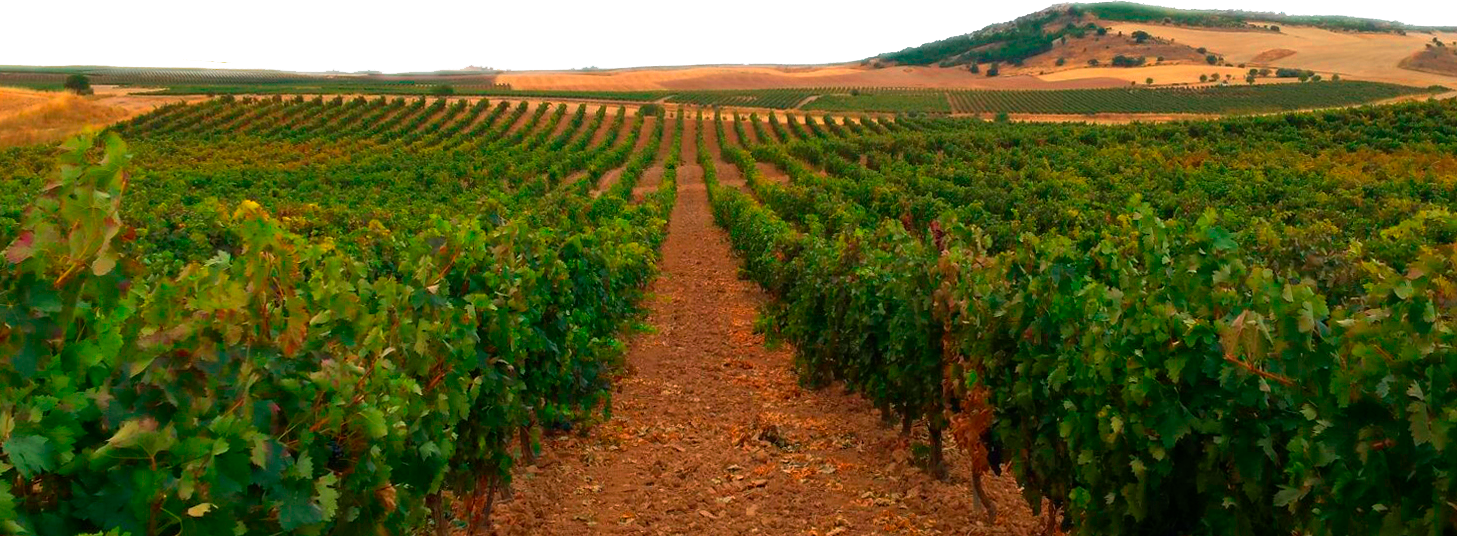
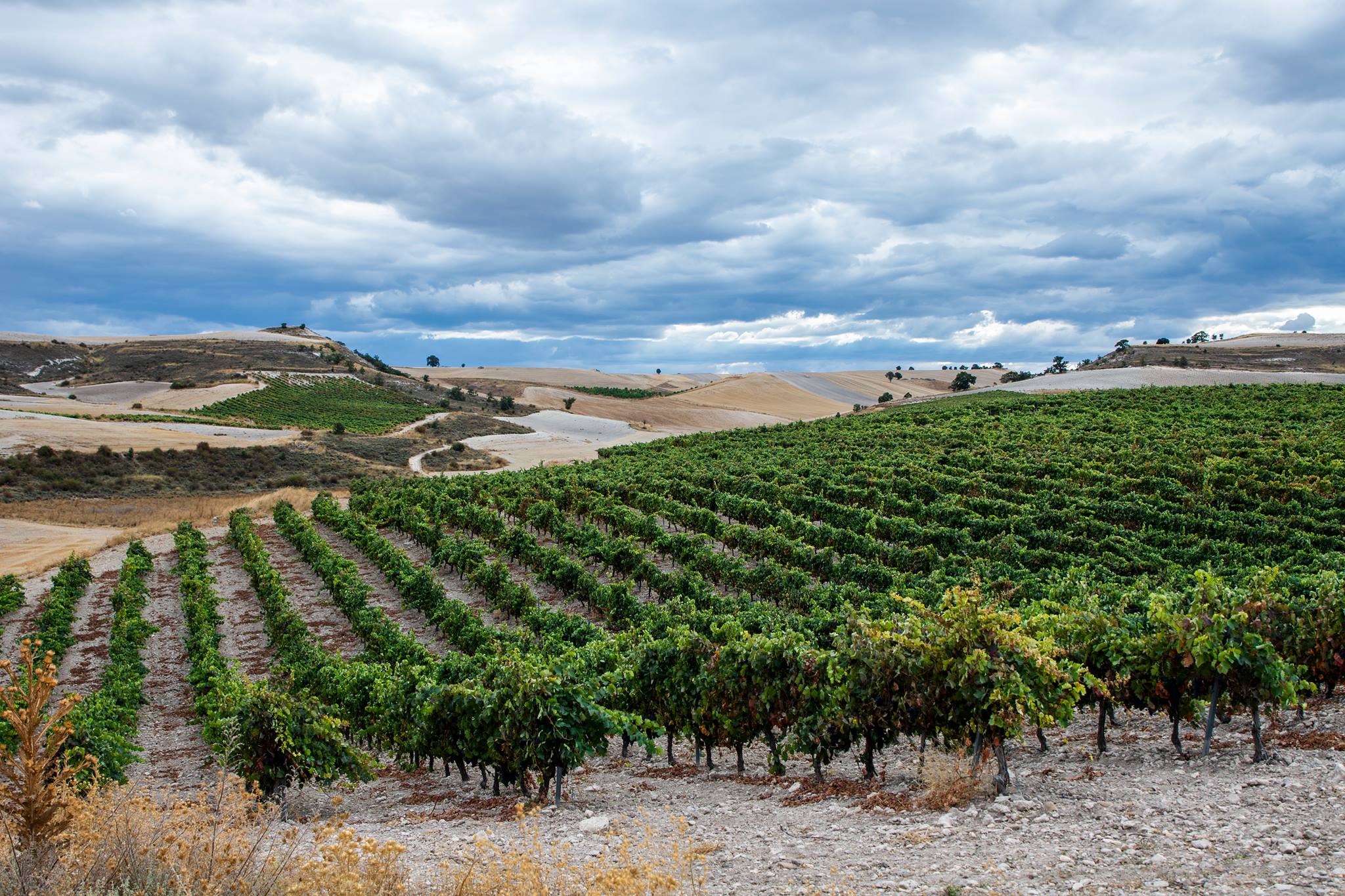
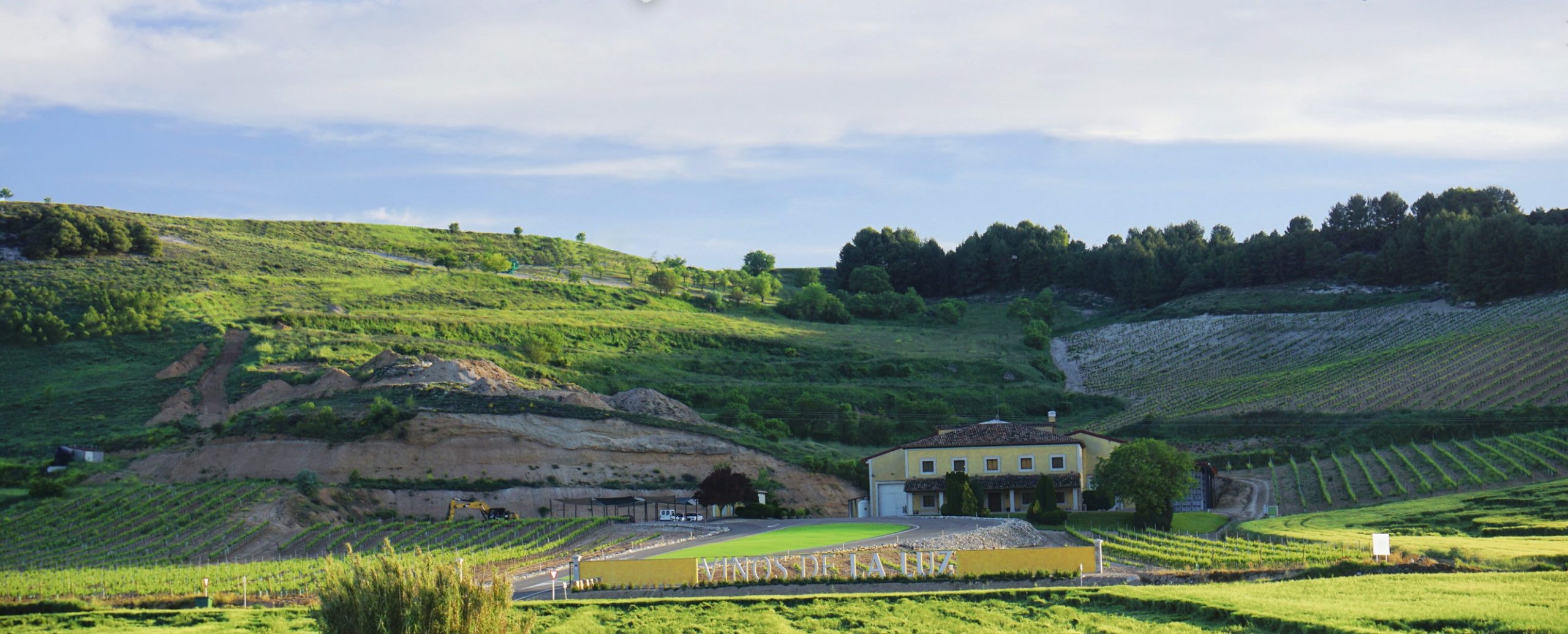
The soils contain sediments of silty or clayey sands, with alternating limestone and even calcareous layers. The riverside basin presents undulations in its landscape, small hills eroded by the influence of the river, with elevations ranging from 911 metres above sea level on the moorlands to the valleys running alongside the river.
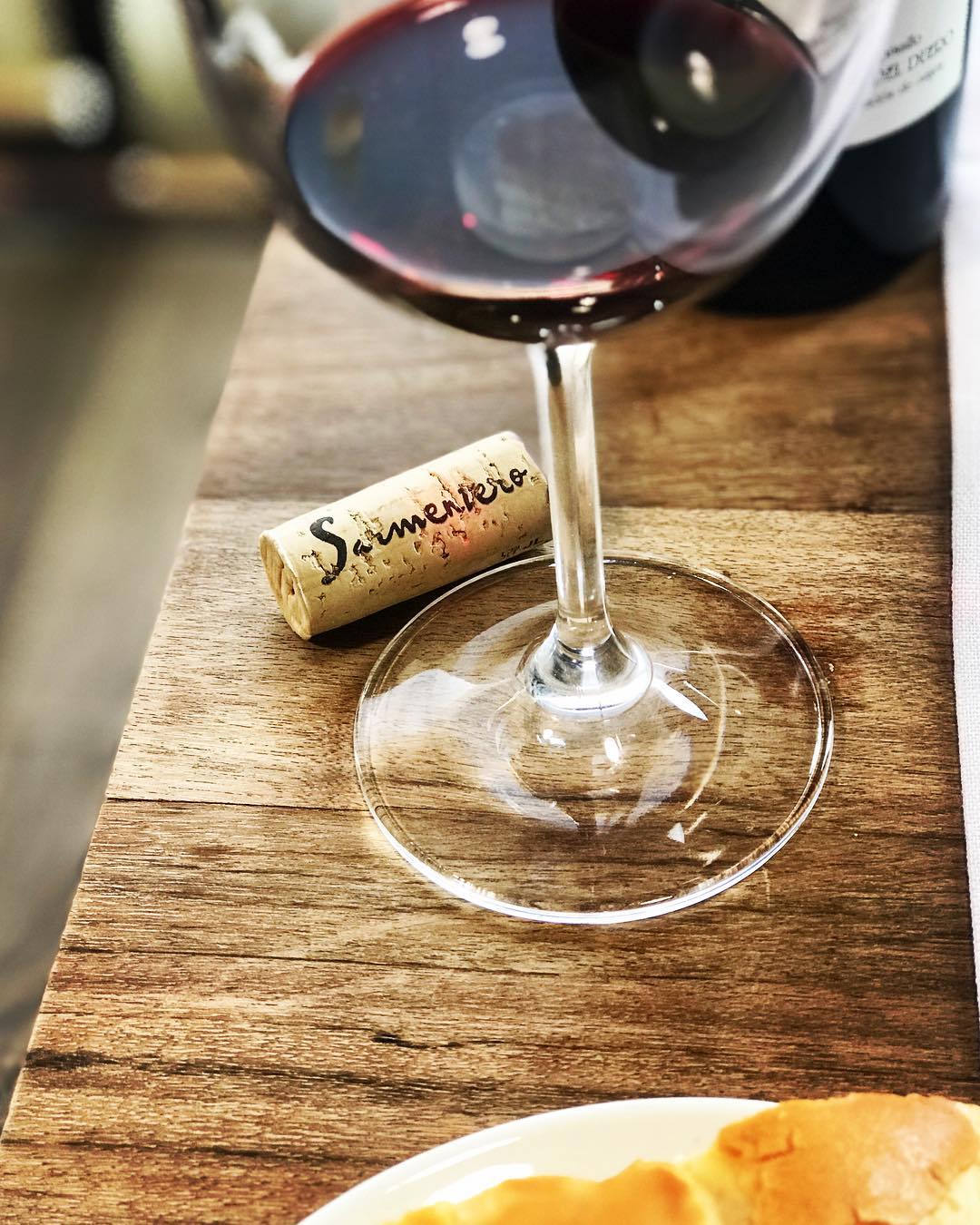
The types of wine protected by the Ribera del Duero Designation of Origin are reds and rosés, with a minimum alcohol content of 11.5 and 11º respectively. To use the D.O. mark, they undergo a qualification process by the Regulatory Board.
Red Wine
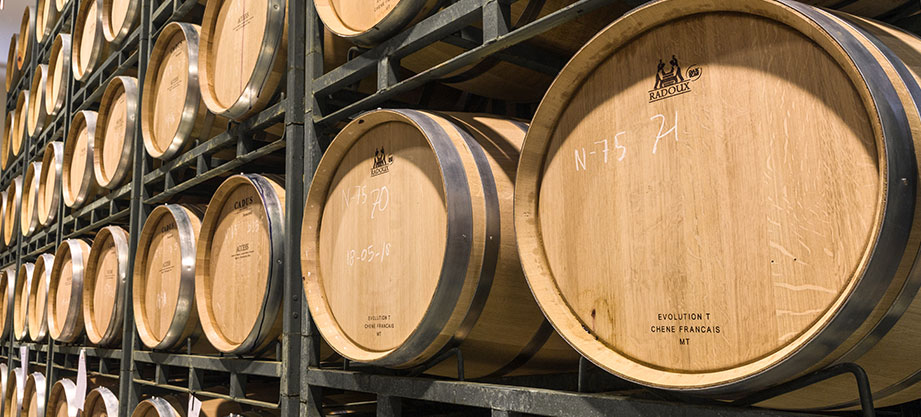
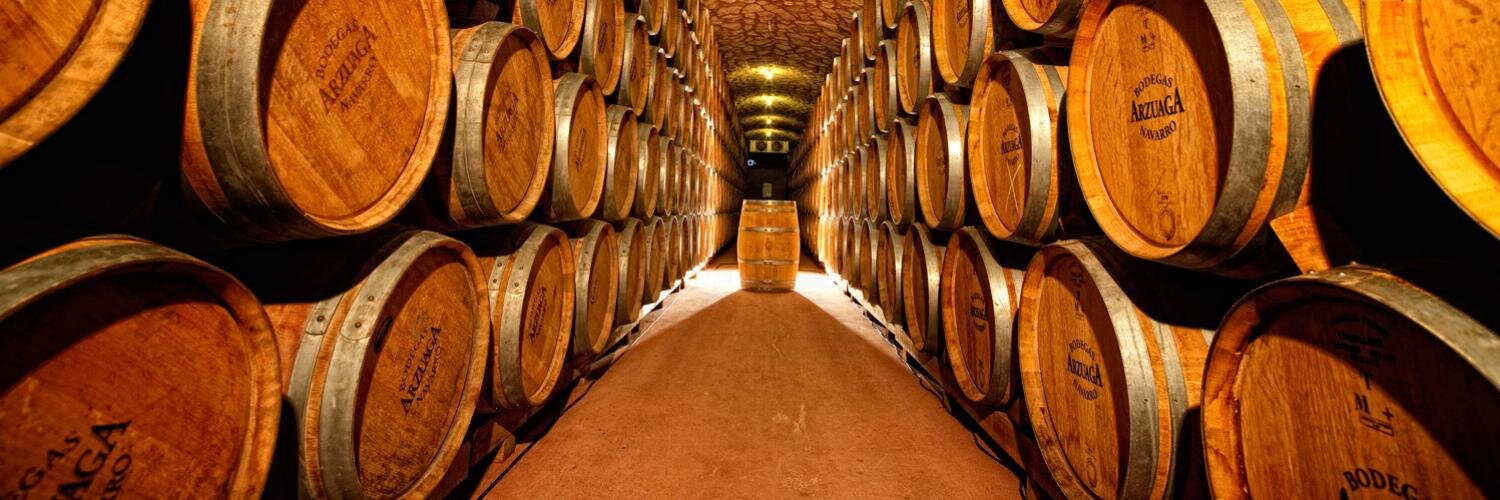
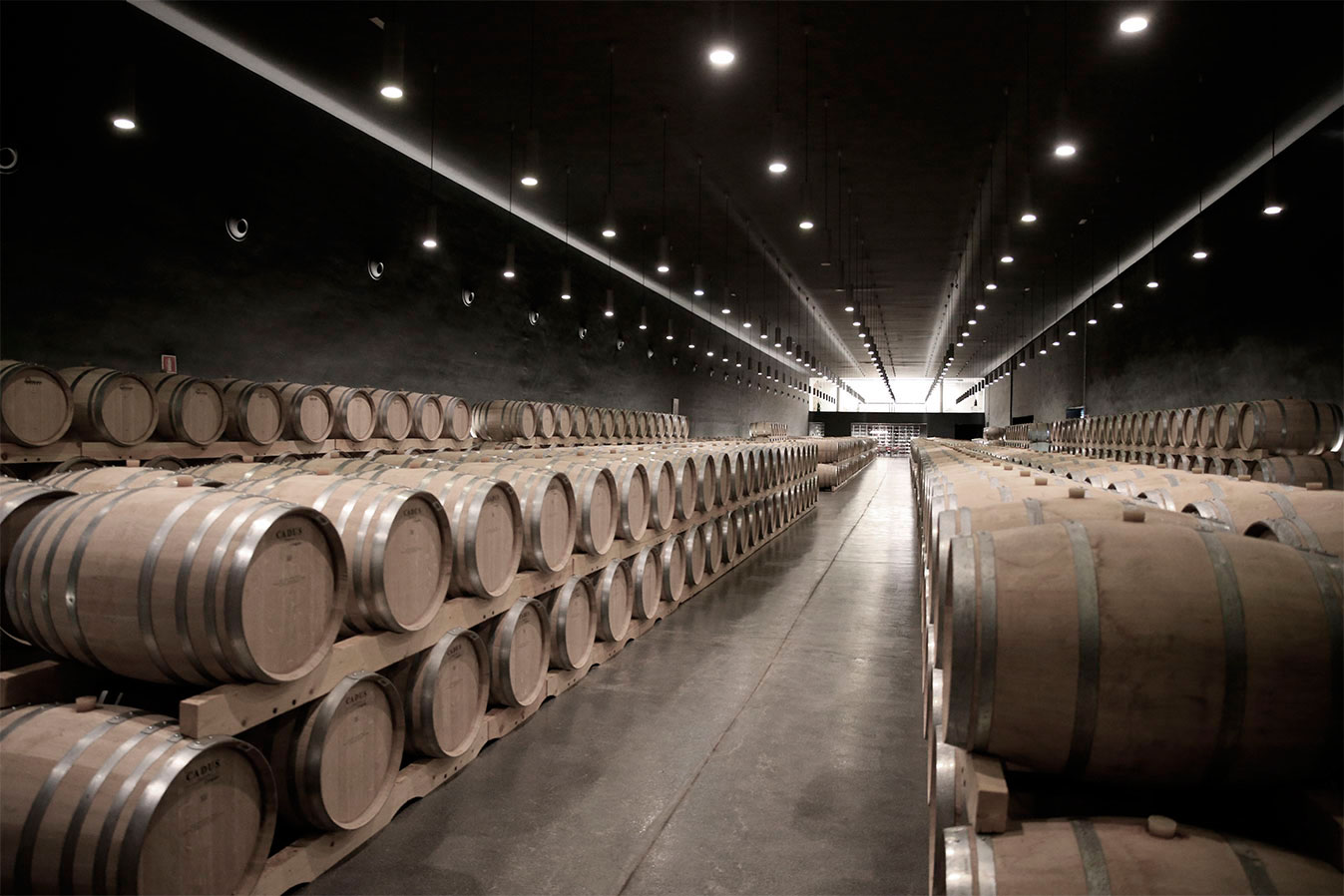
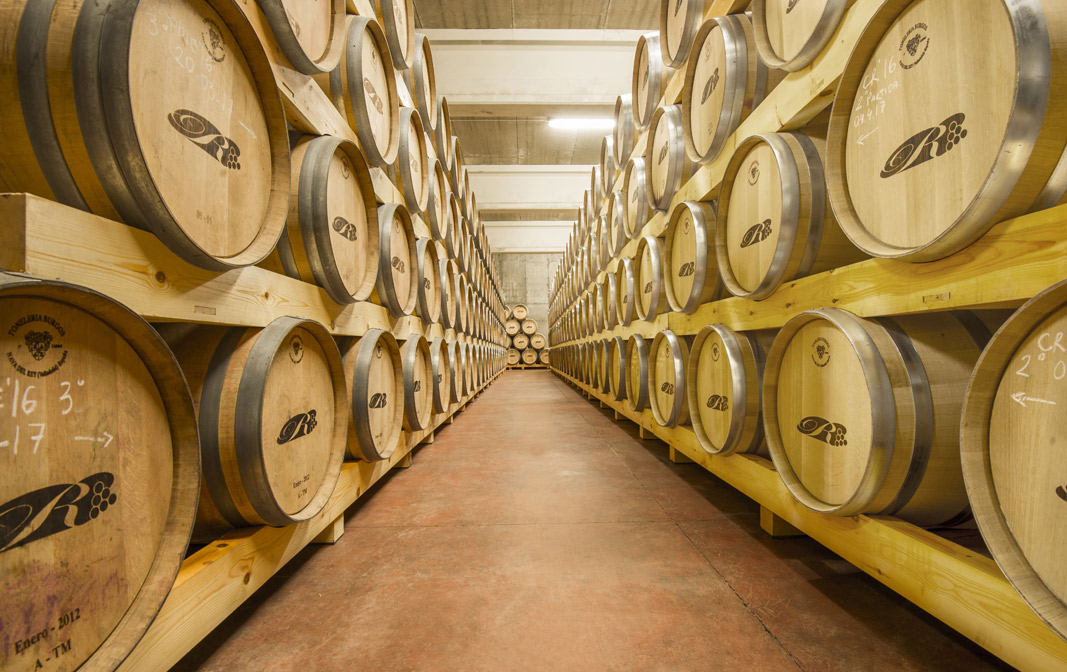
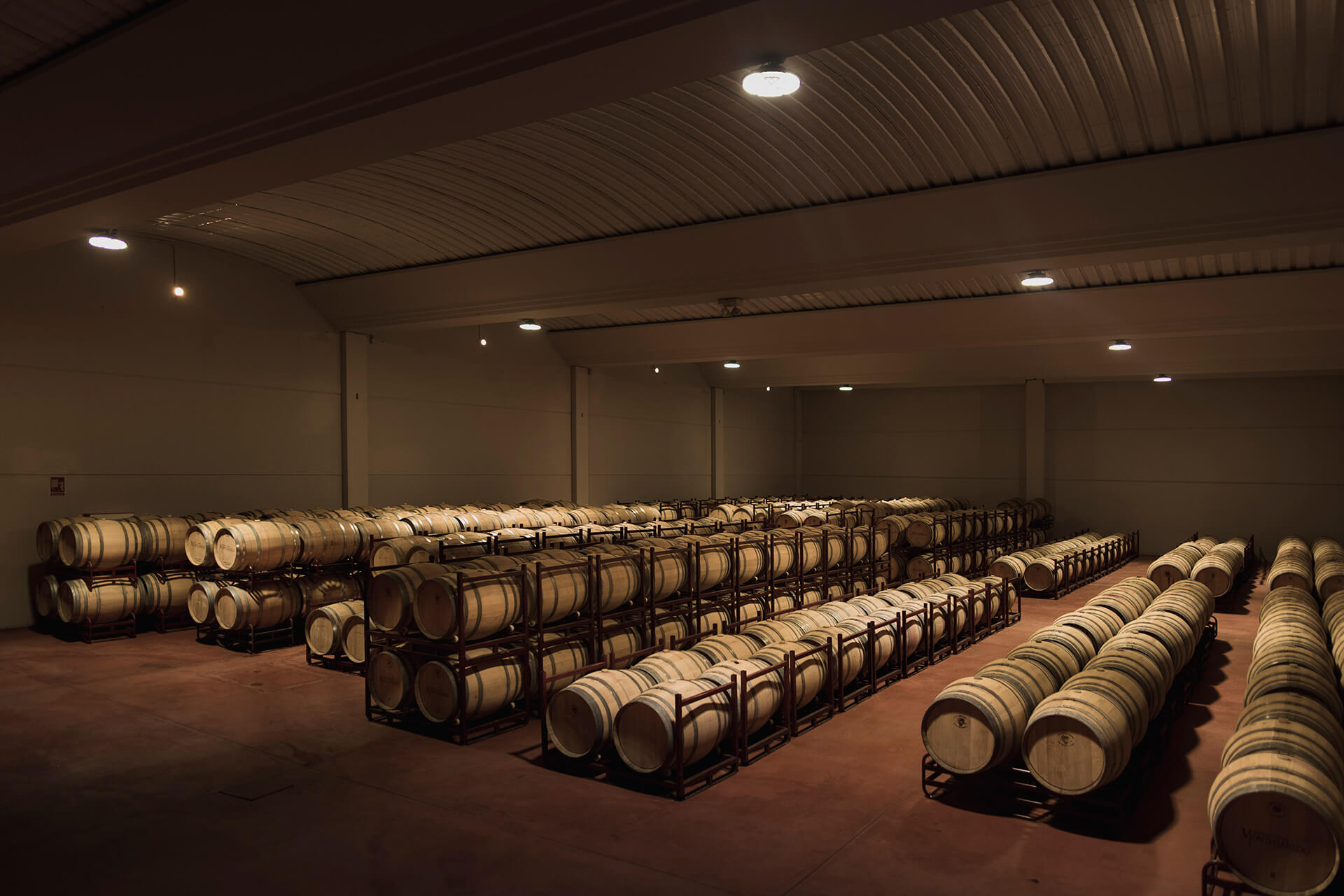
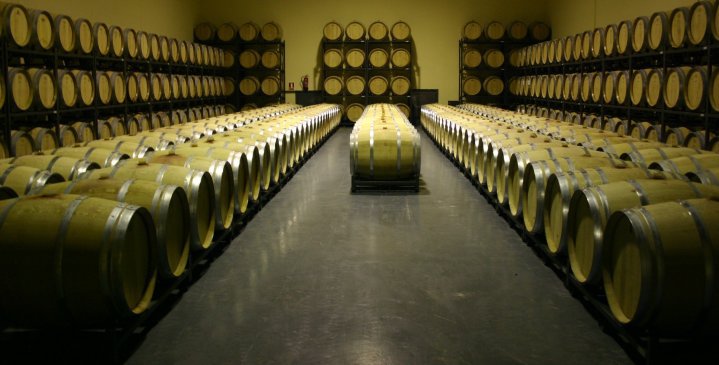
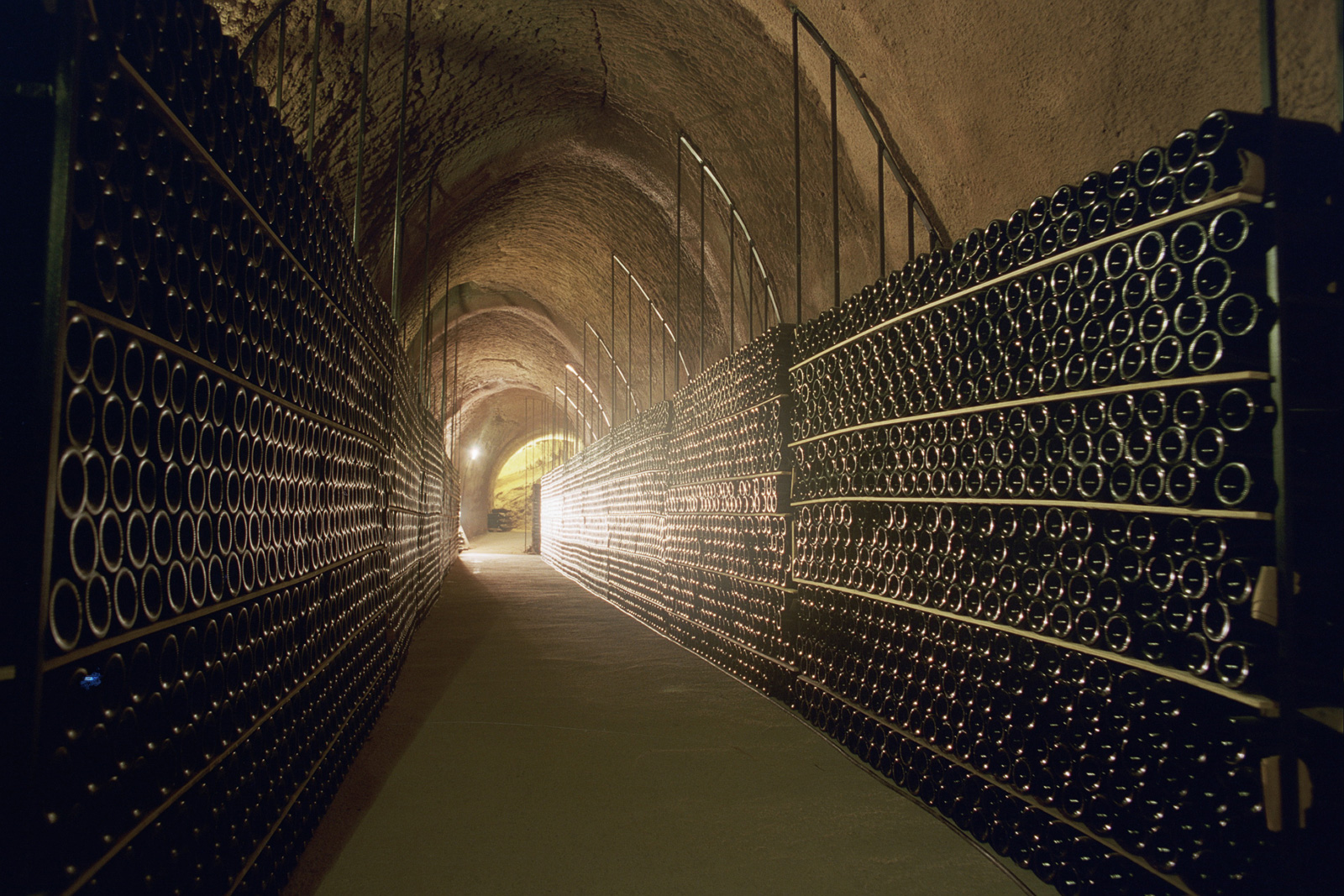
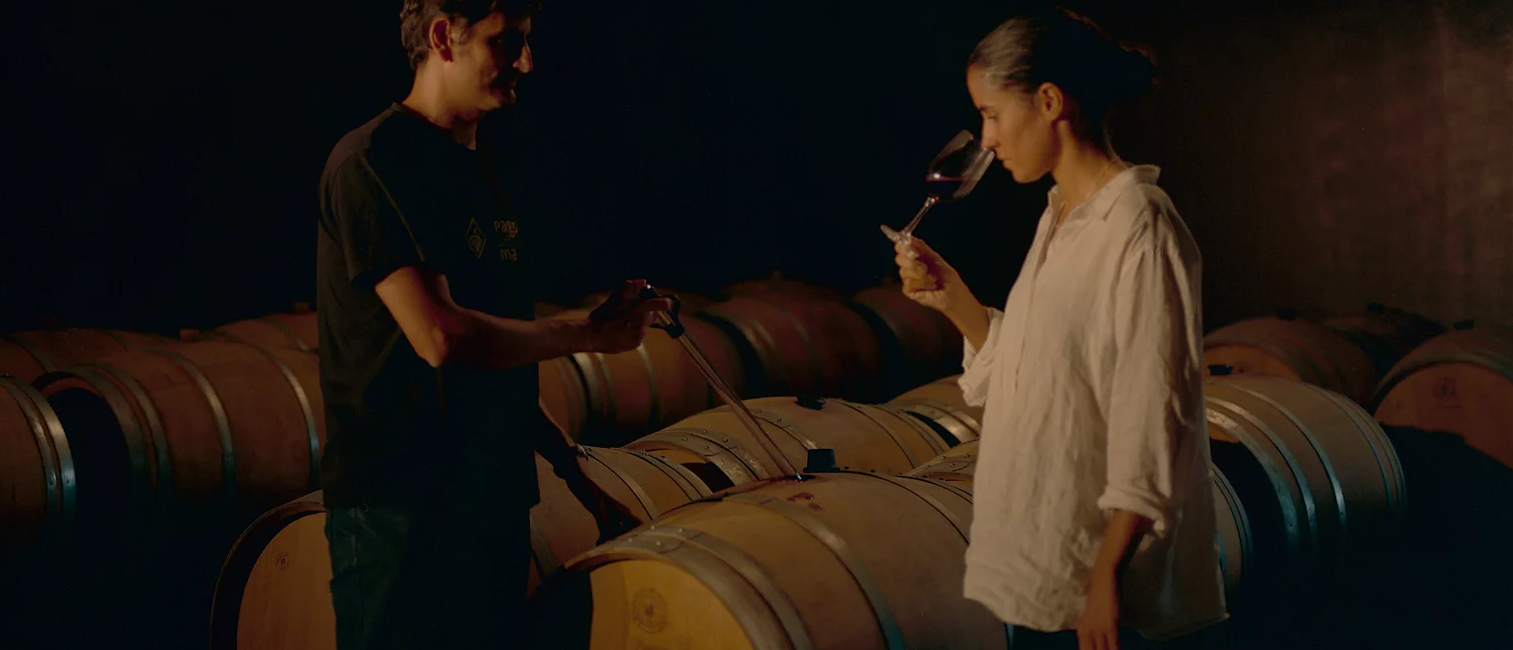
Made with a minimum of 75% Tempranillo variety; in any case, 95% of the grapes used must be Tempranillo, Cabernet Sauvignon, Merlot and Malbec. Garnacha and Albillo grapes are permitted, but in small quantities.Young Red. Without time in wood, with less than 12 months in barrel. It is marketed a few months after the harvest.Crianza Red. At least 12 months in oak barrel. It is marketed after 1 October of the second year, following the harvest.Reserva Red. 36 months of ageing between barrel and bottle, at least 12 of them in barrel, to be marketed after 1 December of the third year, following the harvest.Gran Reserva. Of exceptional quality thanks to at least 60 months of ageing, 24 of them in barrel and then 36 in bottle. It reaches the market after 1 December of the fifth year, following the harvest.
Rosé Wine
Made with a minimum of 50% of the aforementioned red grape varieties. It can be enjoyed a short time after the harvest
THE TEMPRANILLO GRAPE
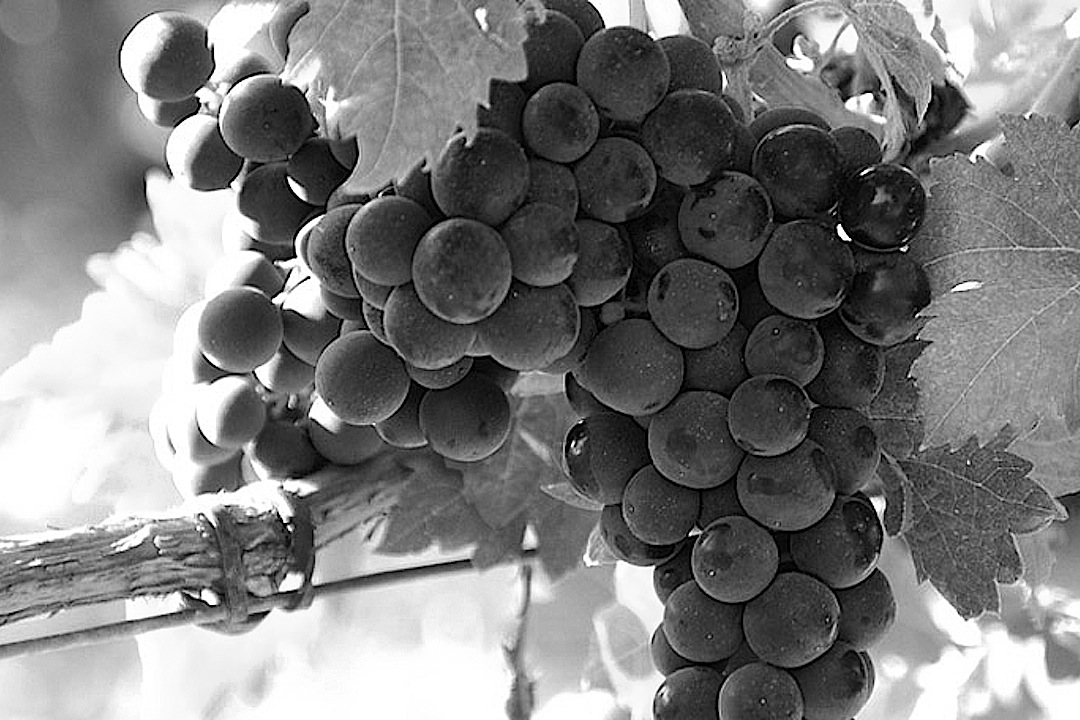
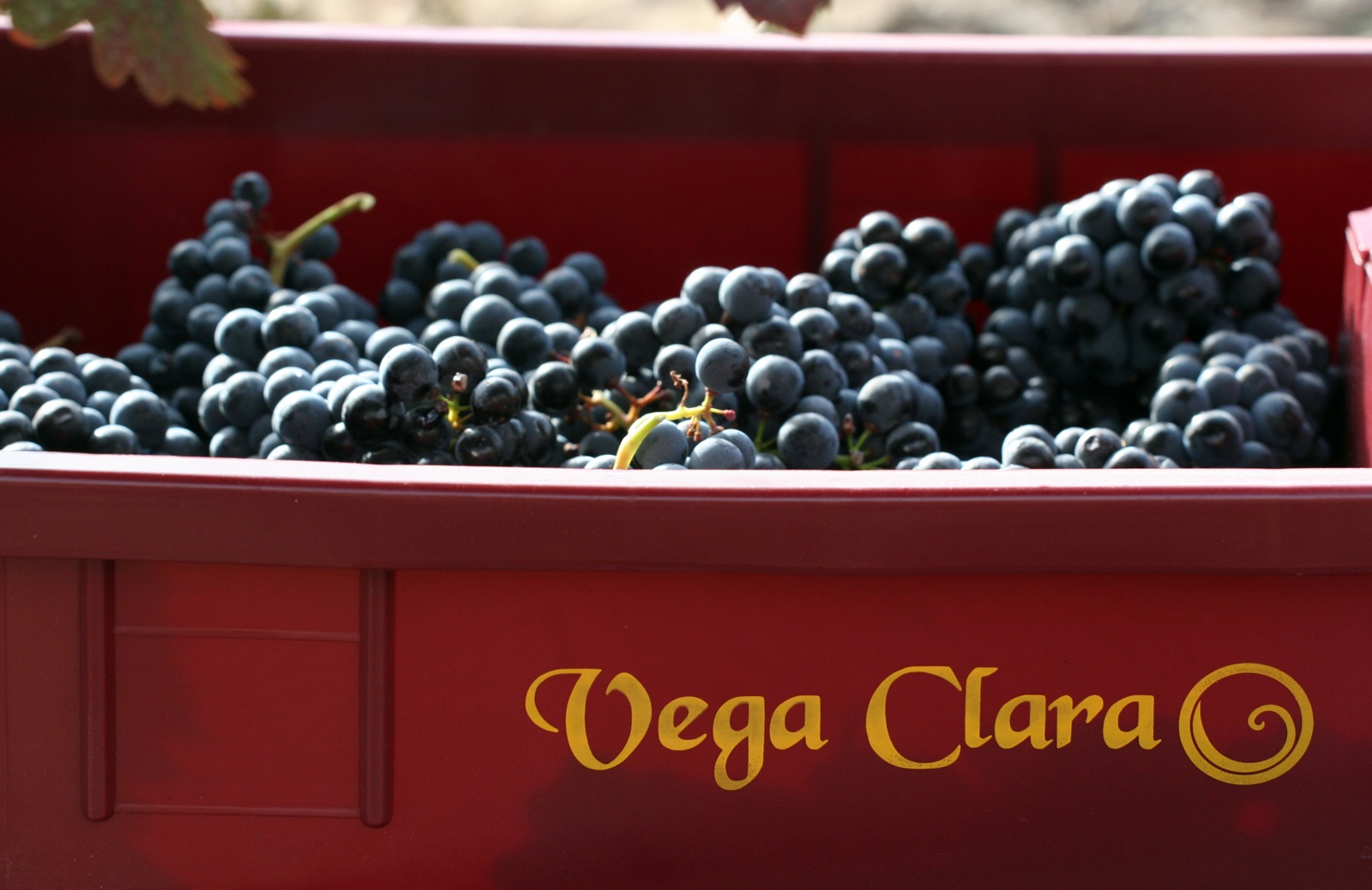
The Ribera wines have a common denominator: the Tempranillo grape. Under the name Tinta del País or Tinta Fina, a native fruit typical of the Ribera del Duero has become known, providing the colour, aroma and body that make our wines unrepeatable. Alongside Tempranillo, the Regulatory Board permits other varieties: reds such as Cabernet-Sauvignon, Merlot, Malbec and Garnacha Tinta, or the only authorised white, the Albillo or Blanca del País. They are six grape varieties for an exceptional and unmistakable flavour that marks the quality in each bottle.
In the Ribera there is a wine for every person and every occasion. The more than 900 brands that bear the Ribera del Duero seal are the image of 8,000 winegrowers and more than 270 wineries that devote themselves body and soul to growing the vine.
Experiences to enjoy in D.O. Ribera del Duero
Discover this wine-growing region that accompanies the Duero river on its journey through Burgos, Soria, Segovia and Valladolid