Wine tourism in D.O.P. Cariñena
The D.O.P. Cariñena extends across the Ebro valley, adding up to more than 12,249 hectares of vineyard and, in addition to Cariñena, it comprises, in alphabetical order, the following towns: Aguarón, Aladrén, Alfamén, Almonacid de la Sierra, Alpartir, Cosuenda, Encinacorba, Longares, Mezalocha, Muel, Paniza, Tosos and Villanueva de la Huerva.
At present there are 33 wineries certified by this designation of origin, in which 1,520 winegrowers gather, and in which, under its protection, white, rosé and red wines, ageing wines, liqueur wines and old wines are produced.
A unique region for unique wines
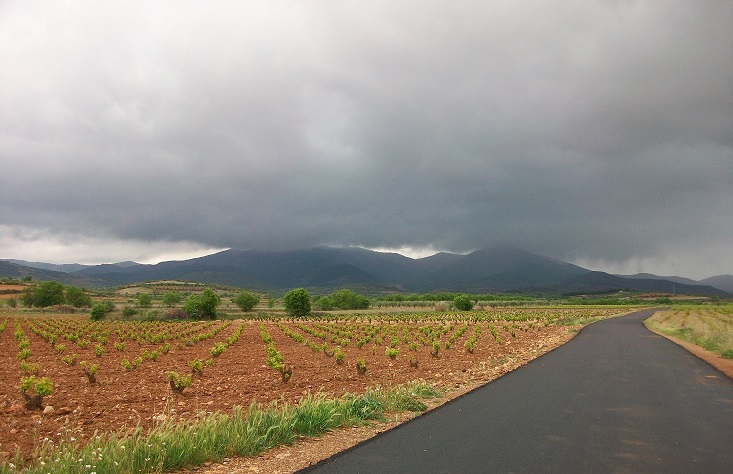
It is located in the south of the province of Zaragoza, in the heart of the Ebro depression. The three landscapes of the Campo de Cariñena region: the plain, the Huerva riverbank and the Sierra, are crossed by a total of sixteen trails. Each of them invites us to discover something different about this territory. As they walk them, the hiker will see the monuments that reflect the long and complex history of this land.
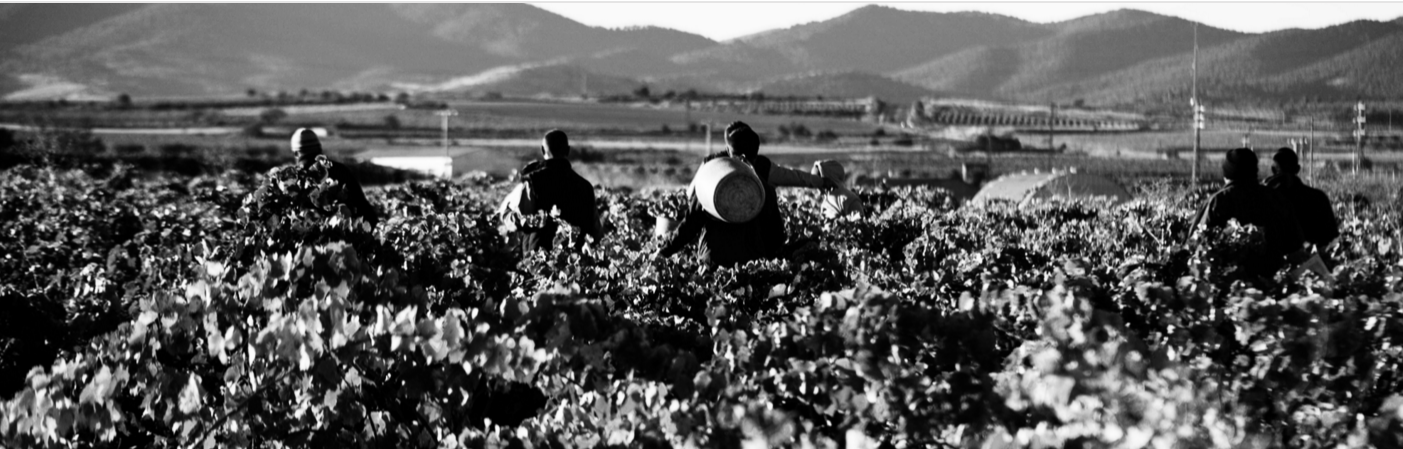
Cariñena, located in the heart of the Ebro Valley, has an area of 14,388 hectares of vineyard spread among the towns of Aguarón, Aladrén, Alfamén, Almonacid de la Sierra, Alpartir, Cariñena, Cosuenda, Encinacorba, Longares, Mezalocha, Muel, Paniza, Tosos and Villanueva de Huerva. Close to 1,540 winegrowers deal directly with the vines, which undoubtedly constitute the main economic support of the region.
The land and the climate
Cariñena occupies an exceptional geographical situation, since it is found on the very axis of communications of the Ebro Valley with the Levante, as well as on the north-south route that structures the Aragonese territory. This situation makes it a true alternative link between the Basque Country and the Valencian Community.
Zones
The soil, the climate, the altitude (between 400 and 800 metres) and the orography combine in different ways to give the territory a great aptitude for wine-growing activity. This combination also favours the existence of different microclimates, so that the wines of the Protected Designation of Origin Cariñena ultimately make up a wide range of possibilities.
Microclimates
As a territory of the peninsular interior, the climate of the area is defined as medium-temperate with a notable tendency to become continental, so that the winters are cold and the summers very hot. That continentality, the winds that frequently blow throughout the region and the torrential character of many of its watercourses hamper rainfall and give rise to a semi-arid landscape. A characteristic of the wind of the area, called the “cierzo”, is that it contributes to the dryness of the climate.
- White wines of carbonic maceration: Vatting of the whole grapes, unbroken, remaining in a CO2-rich environment while the intracellular fermentation takes place. Afterwards, either destemmed, crushed and macerated, or directly pressed, continuing the alcoholic fermentation at a controlled temperature not exceeding 25°C, until reaching a density (20/20) not exceeding 1.080.
- Red wines of carbonic maceration: Vatting of the whole grapes, unbroken, remaining in a CO2-rich environment while the intracellular fermentation takes place. Afterwards, either destemmed, crushed and macerated, or directly pressed, continuing the alcoholic fermentation at a controlled temperature not exceeding 25°C, until reaching a density (20/20) not exceeding 1.060.
- Off-dry, semi-sweet and sweet wines: They will be made with the same production systems as the dry wines, being able to interrupt their fermentation, containing residual sugars, or else, starting from dry wines, by means of sweetening with rectified concentrated musts. This practice will be recorded in the Register Book of Oenological Practices.
- Liqueur wines.
- Naturally sweet wine.
- Semi-sparkling wines.
- Sparkling wines.
The wine of the stones
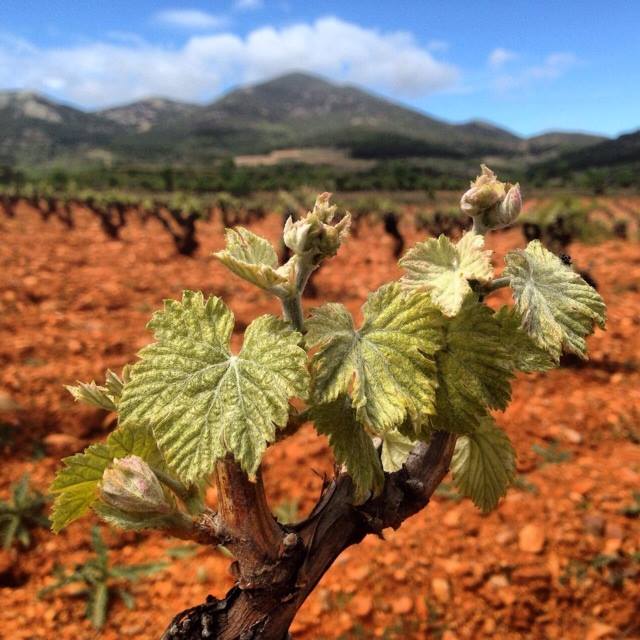
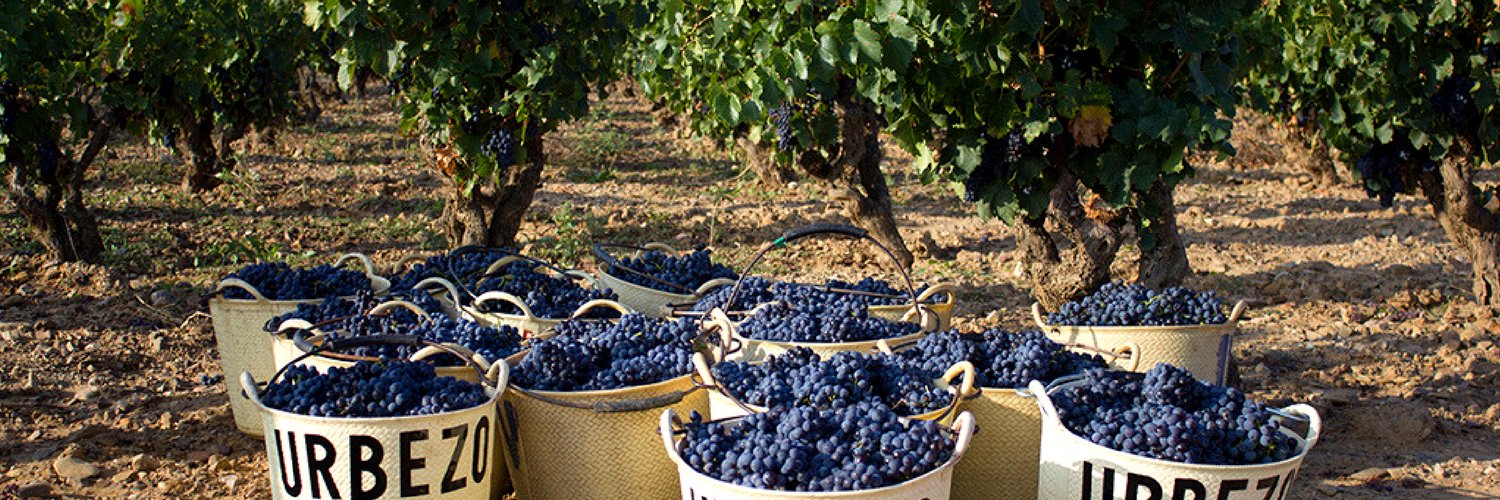
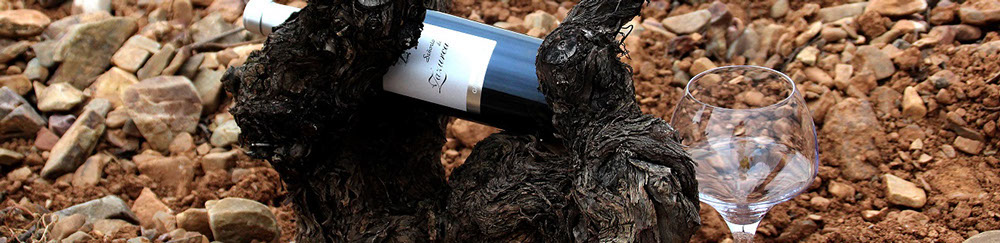
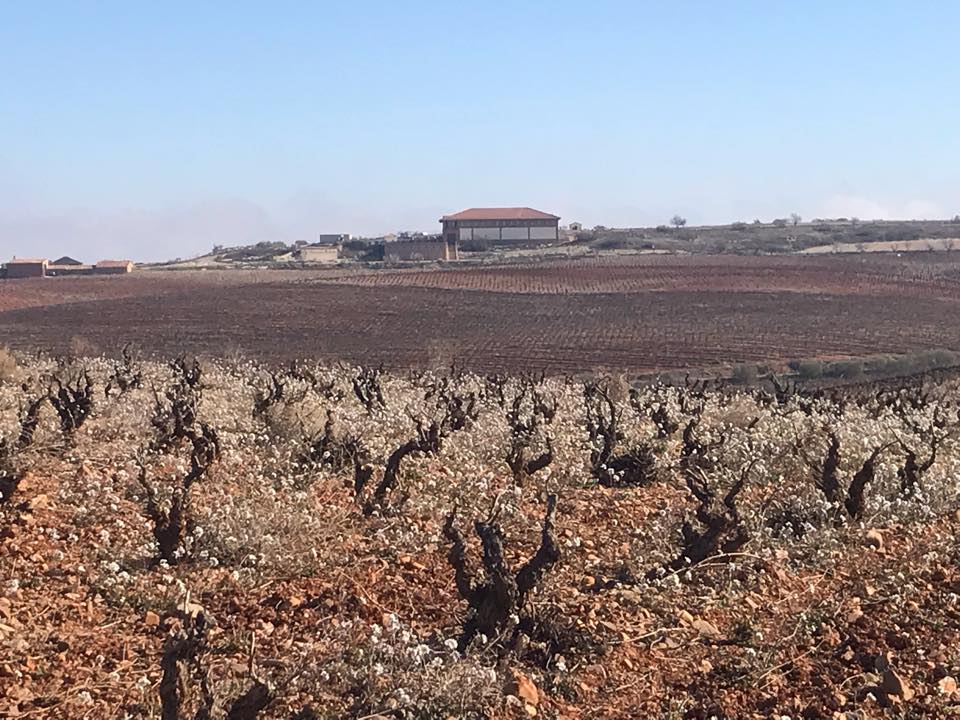
The Wine of the Stones is born in a rugged setting, in a territory dedicated to viticulture since remote times. In Cariñena the terrains and the altitudes intermingle, giving the landscape a great variety of smells and colours. However, the stones are absent from no scene. The stones or “cascajos”, as the winegrowers of the area call them, are responsible for forcing the vines to survive in almost extreme conditions. And the grapes grown in Cariñena are smaller, yes, but also more concentrated and intense, and much more aromatic than the rest of the grapes grown in other lands. Herein lies the best-kept secret of the Protected Designation of Origin Cariñena: its stones, its fields, its surroundings and the dedication of a territory that lives by and for the land.
Experiences to enjoy in D.O.P. Cariñena
Discover this wine-growing region located in the south of the province of Zaragoza.