Wine tourism in D.O.P. Islas Canarias
The Protected Designation of Origin Islas Canarias protects different family wineries that represent the wine-growing culture of the archipelago. Each of them is a testimony to centuries of tradition and artisan cultivation practices that give rise to unique wines characteristic of the different Canarian terroirs.
A unique region for unique wines
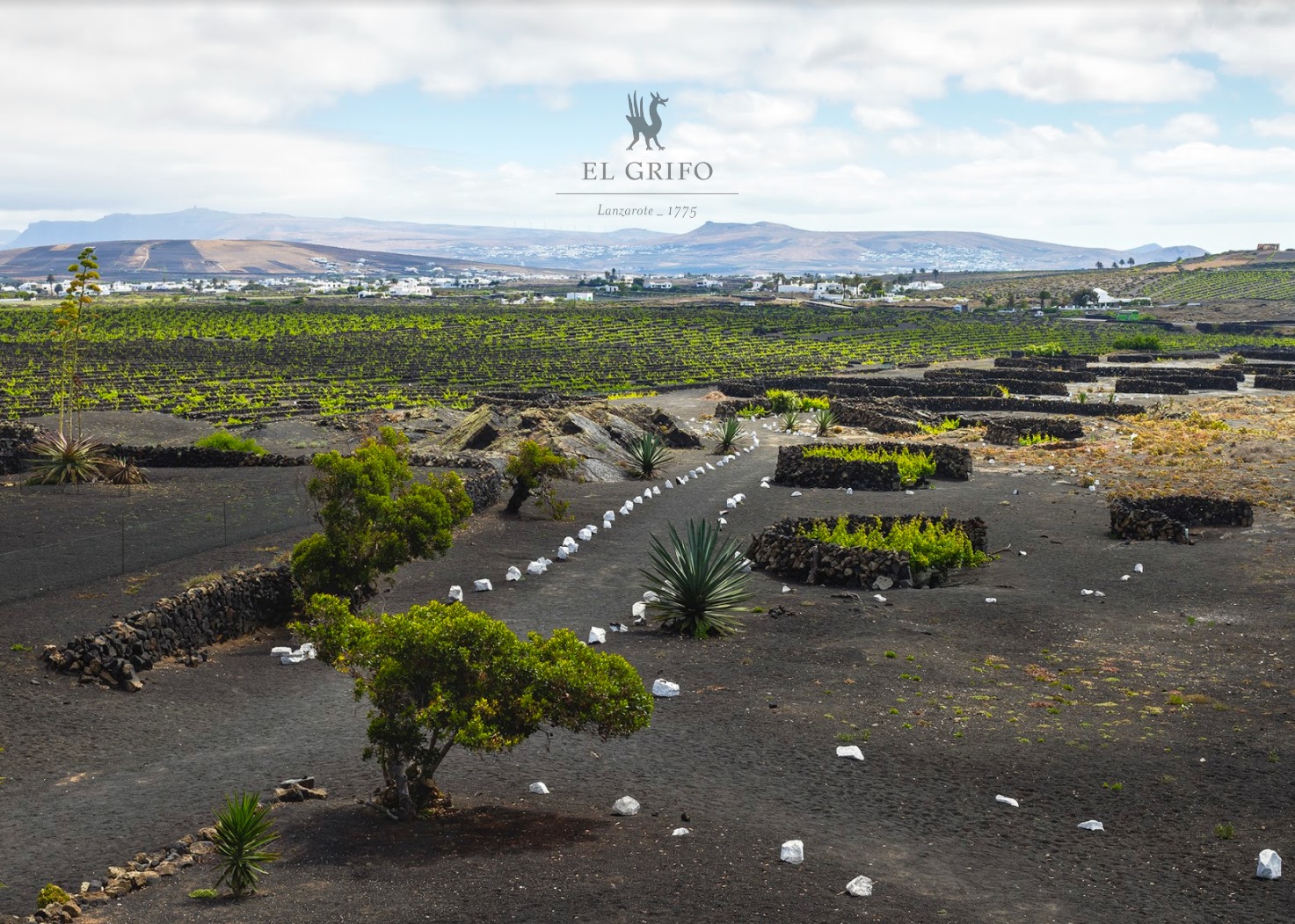
Thanks to the Canary Wines, the Canary Islands became the commercial epicentre of wine in the 16th and 17th centuries until the Methuen Treaty of 1703, between Portugal and England, halted their leadership.By the end of the 19th century, the phylloxera plague would give another opportunity to these islands where the activity of this insect was never recorded. Thus, the volcanic soils of the Canary Islands became a natural reservoir of varieties extinct in the world and which today shine once again.500 years after the birth of this heroic viticulture, the Protected Designation of Origin Islas Canarias strives for the recovery of its precious viticultural heritage.
The land and the climate
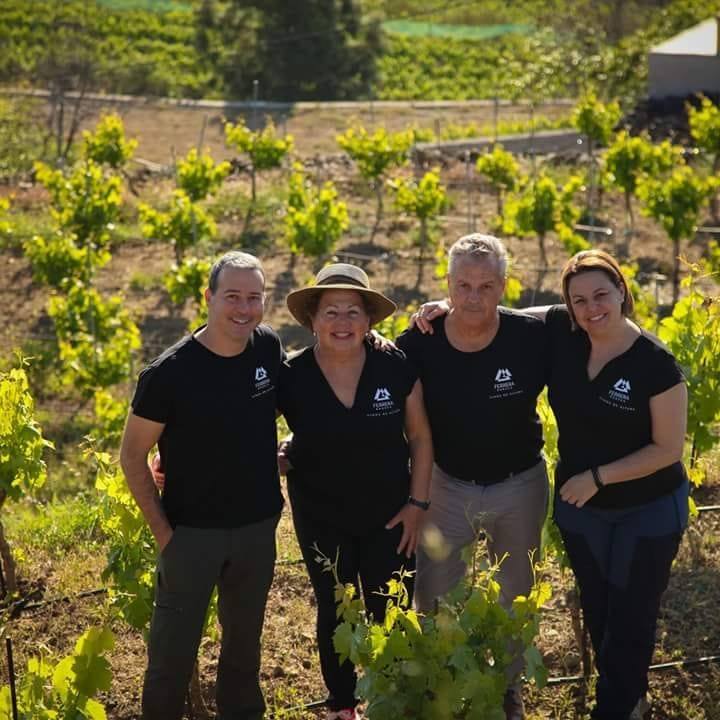
The Protected Designation of Origin Islas Canarias (PDO Islas Canarias) currently has 28 wineries under its protection, with more than 200 winegrowers, and a vineyard area of 300 hectares. Part of it are 19 wineries from Tenerife, 6 from Gran Canaria, 2 from La Palma and 1 from El Hierro, and contact is being maintained so that winegrowers from the rest of the islands join.
The PDO Islas Canarias is the fruit of the determined and firm commitment of the Association of Winegrowers and Wineries of the Canary Islands (AVIBO) to the future of the sector. An integrating initiative born with the idea of consolidating the regional market in order to be able to face international commercialisation. A common brand that allows a wine as singular as the Canarian one to be projected in foreign markets.
The PDO Islas Canarias is an integrating project that does not compete with anyone, but rather clearly improves the economic and commercial possibilities of the sector as a whole. The greatest beneficiaries are the winegrowers integrated into the PDO itself, who find the possibility of selling their grapes throughout the Archipelago, stabilising their sales levels in an artificially segmented market. The winemakers also contribute to stabilising the sector and its development. The PDO Islas Canarias makes it possible, above all, to consolidate the regional market and to tackle international commercialisation with solidity. It is the ‘common brand’ for projecting Canarian wine towards foreign markets. The PDO is of voluntary membership and can coexist simultaneously with the existing Designations of Origin.