Wine tourism in D.O. Arribes
The DO Arribes is a relatively young designation, since it was not until 2007 that it was granted the long-awaited title. The Designation of Origin comprises two areas located between Zamora and Salamanca with a great wine-growing tradition on the banks of the Duero. It has a vineyard area of under 500 hectares spread across twelve wineries which produce, in principle, for the local and regional market, although their wines are increasingly making their way into the national and international market.
A unique region for unique wines
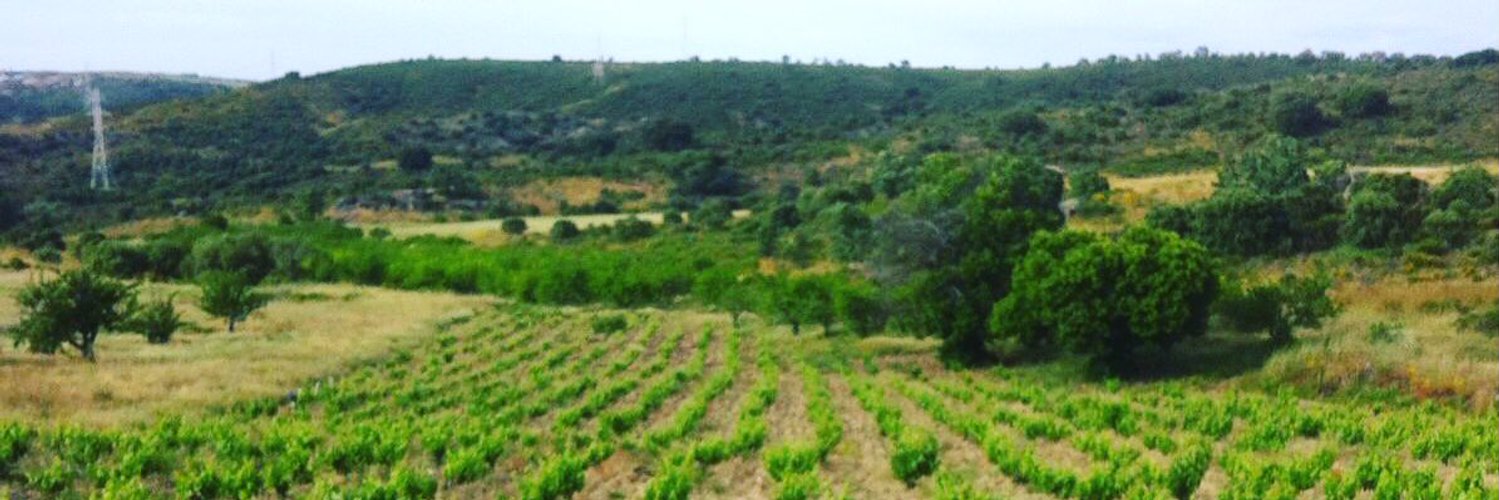
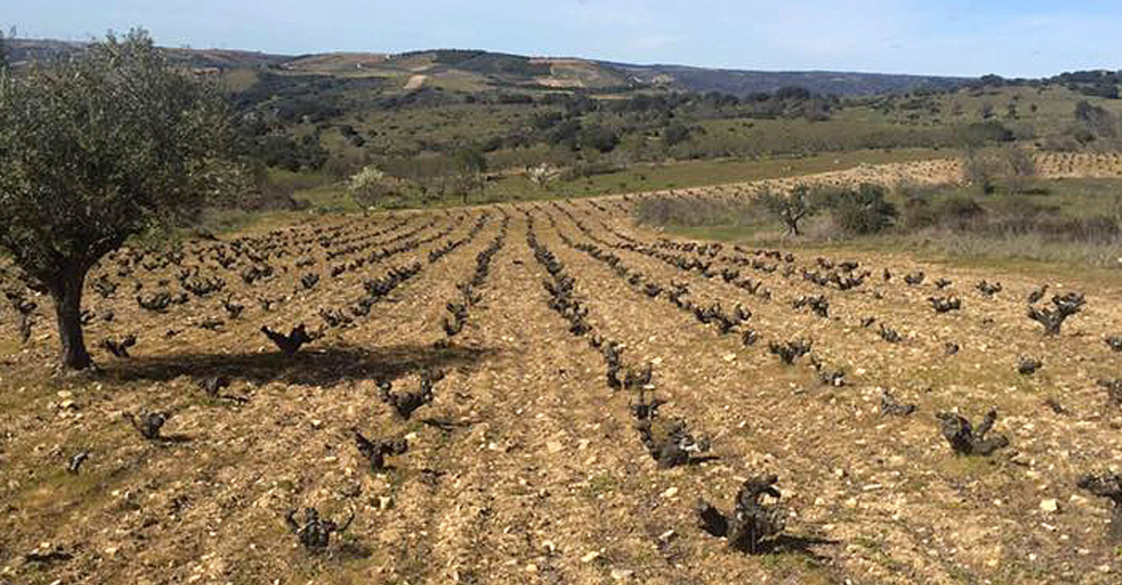
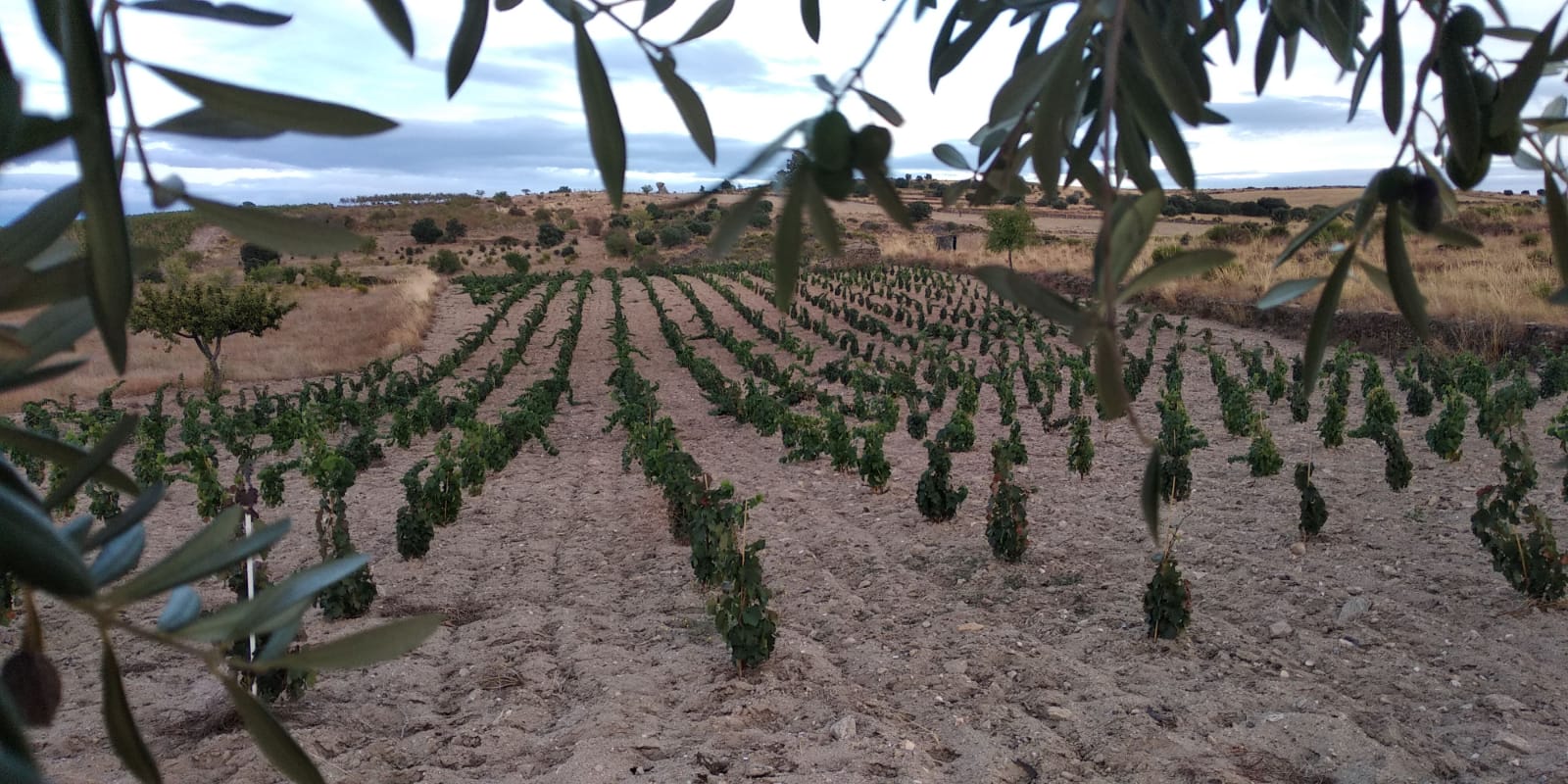
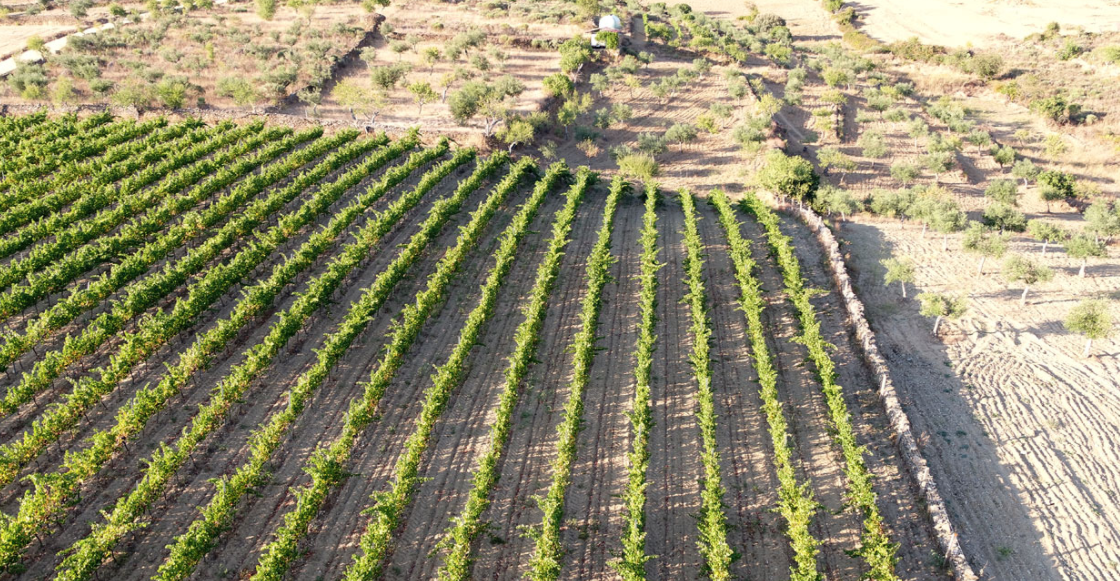
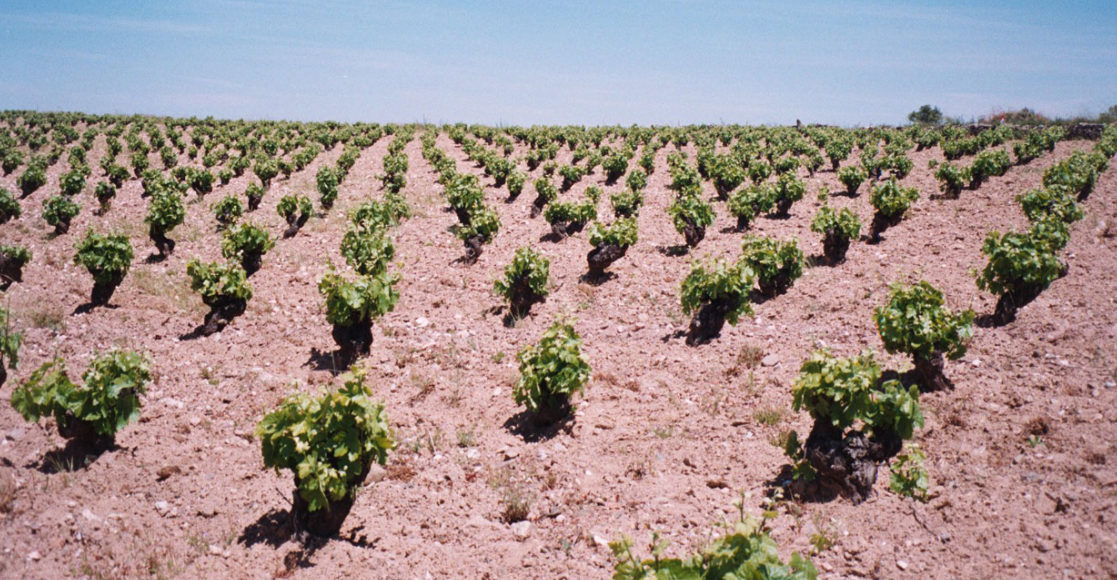
It presents a very rugged relief, marked by the strong incision of the river Duero and its tributaries into the Zamora-Salamanca batholith.The vineyard is situated within this geographical framework at different altitudes and exposures, from 810 m above sea level in Fermoselle down to little more than 120 m above sea level in La Fregeneda.At the same time, the type of geological materials and soils is fairly complex, although it can be said that mainly silty-sandy textured soils abound, shallow and with abundant stoniness.One can also find deeper soils with better agricultural suitability in specific areas, normally linked to slaty substrates.
The land and the climate
Arribes is a Spanish wine designation of origin that legally protects the production of grapes and the elaboration, ageing and marketing of wines in the area where the river Duero joins the provinces of Salamanca and Zamora, both in the autonomous community of Castile and León.
Zones
As for the soils, those of the DO Arribes are the product of the decomposition of granitic rocks, presenting shallow areas of barely half a metre made up of laminar granite that retains and regulates humidity perfectly. Owing to the pronounced, almost vertical slopes, it has been necessary to build terraces in order to hold within them soils of a silty-sandy structure, low in lime but with an acidic pH. The content of organic matter and trace elements is also low.
Microclimates
The Arribes Designation of Origin has a very distinctive microclimate. The annual rainfall index stands above 700 mm. The relief brings about great thermal differences, with cold, long winters as well as short, hot summers, the former being shorter than the summers. We will hardly encounter any frosts. The vineyard truly finds unbeatable conditions to develop its vegetative cycle perfectly.
In Arribes we can find red, rosé and white wines ranging from young wines to Crianza, Reserva and Gran Reserva wines.
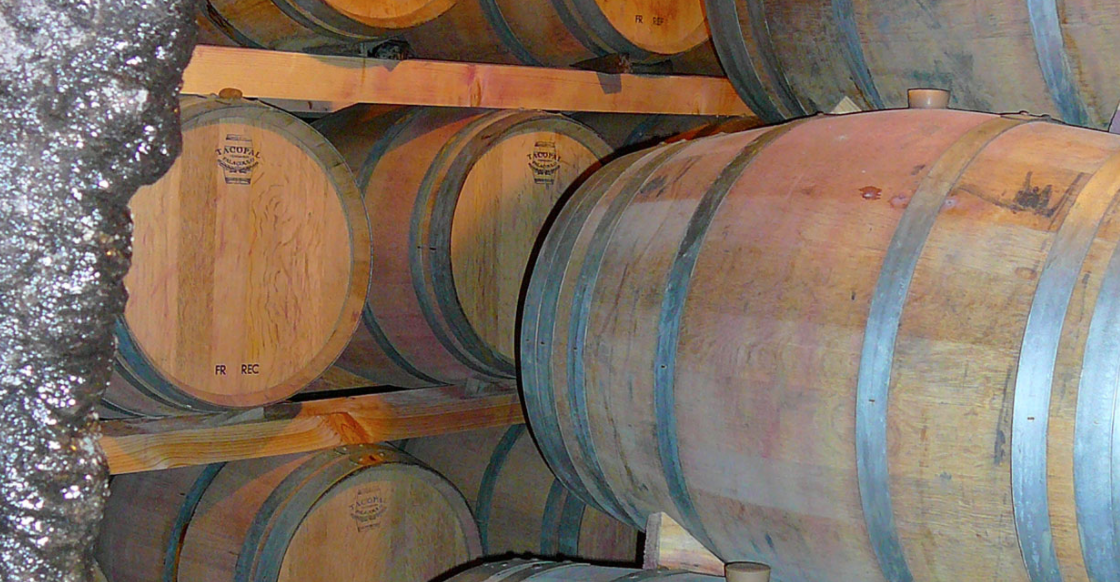
Crianza wines are aged for a period of no less than two years, counted from 1 November of the harvest year, of which at least six months are spent in oak barrels with a maximum capacity of 330 litres. Reserva wines have an ageing of three calendar years, of which at least 1 year is in oak barrels and 2 years in bottle. Finally, Gran Reserva wines are aged for five years, of which they must remain 24 months in barrel and 36 months in bottle.
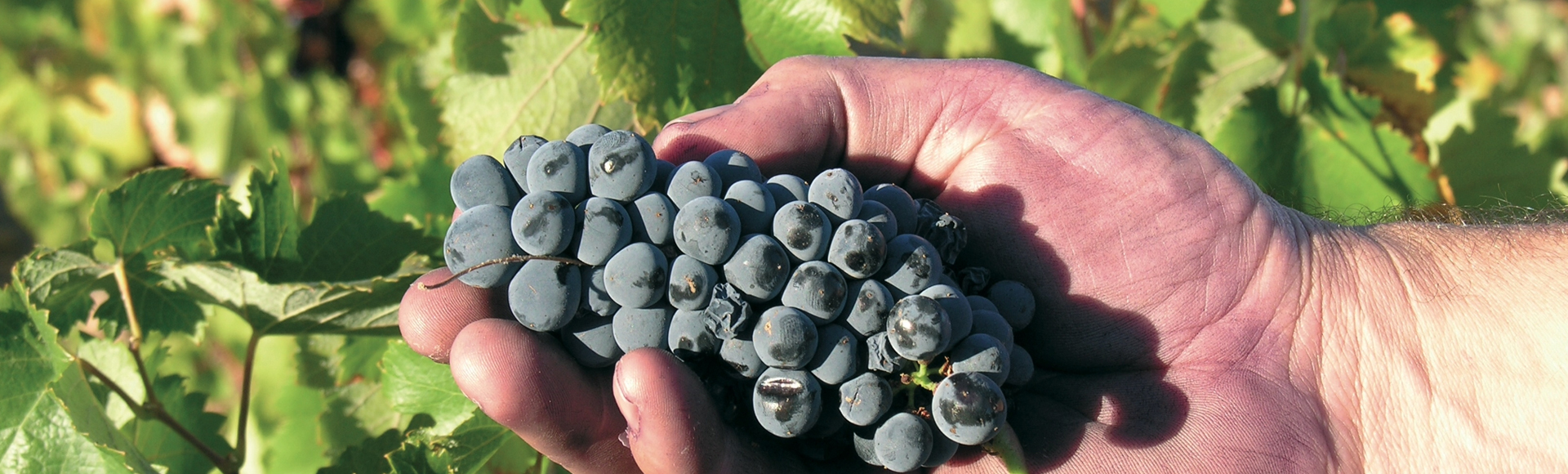
All of them are made with the grape varieties Bruñal, Juan García (Malvasía Negra), Rufete, Tempranillo, Garnacha and Mencía among the reds, and Malvasía, Verdejo and Albillo among the whites.
Experiences to enjoy in D.O. Arribes
Discover this wine-growing region located between Zamora and Salamanca.