Wine tourism in D.O. Manzanilla - Sanlúcar de Barrameda
If there is something that distinguishes the Manzanilla it is, without a doubt, its origin. Sun, sea, marshland and westerly winds bathe a picturesque town on the shores of the Atlantic, at the southernmost tip of the Iberian Peninsula, called Sanlúcar de Barrameda.
Set in a privileged natural environment, between the mouth of the Guadalquivir and the marshes of the Doñana Natural Park, this small coastal town is the cradle of world-famous cultural and gastronomic expressions. Among them the Manzanilla stands out as an indisputable emblem of Andalusian identity.
A unique area for unique wines
Since very remote times Sanlúcar de Barrameda attracted visitors, traders and sailors coming from different places; an openness to other worlds that forged the distinctive character of this open and extroverted city.
That is why Sanlúcar is savoured rather than visited, not only in its wine production and its popular gastronomy, but in its festivals and celebrations, its trading history, its natural environment and its traditions full of authenticity.
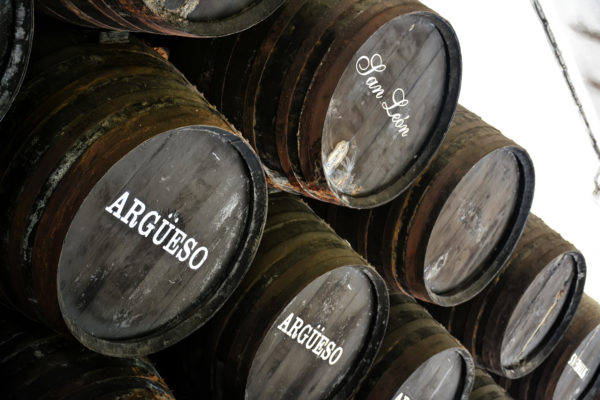
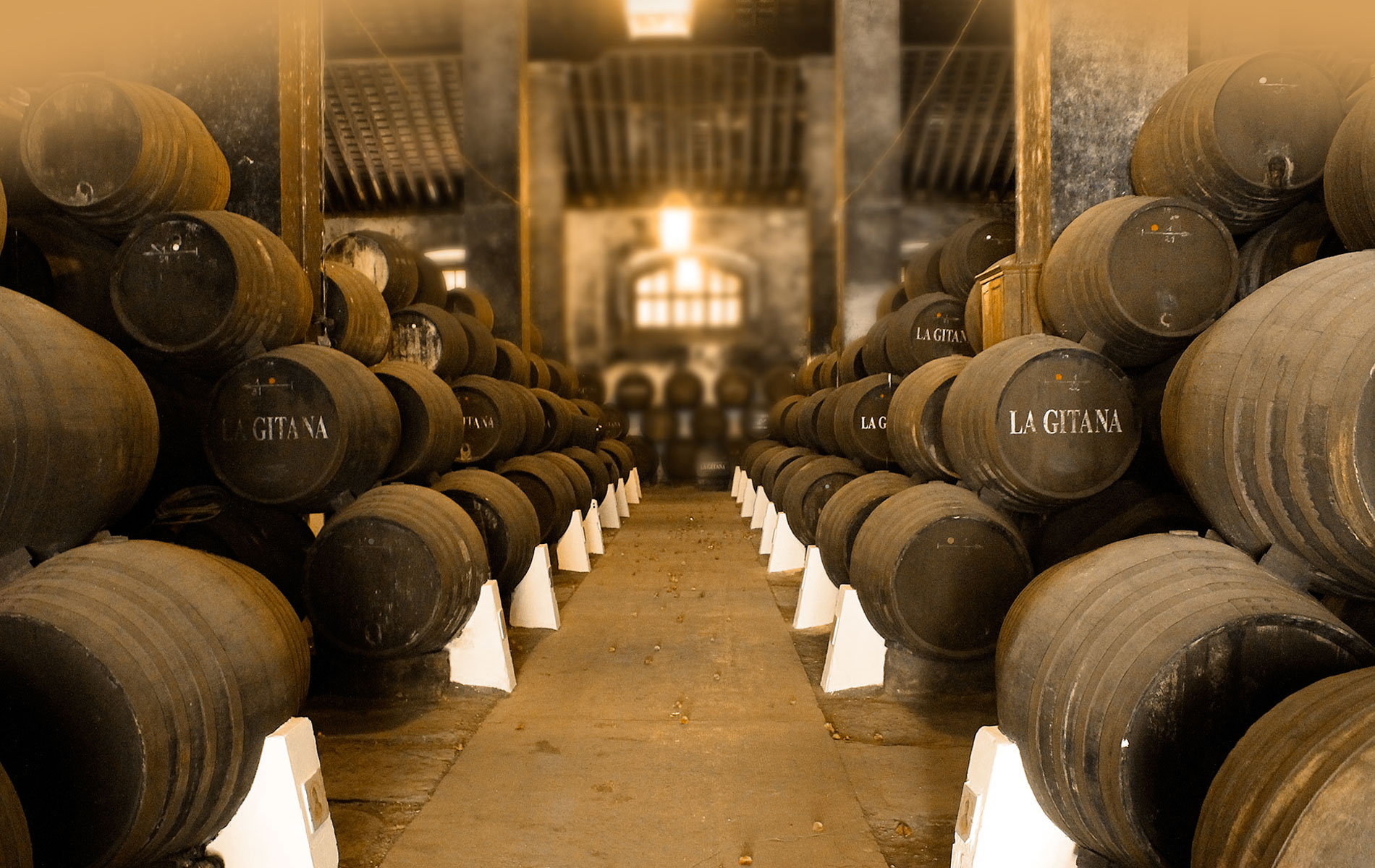
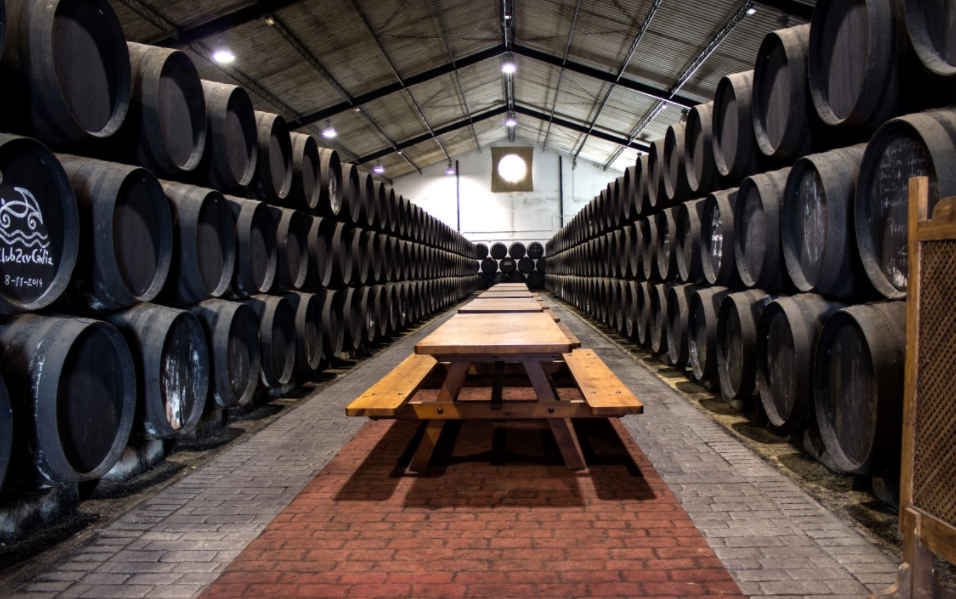
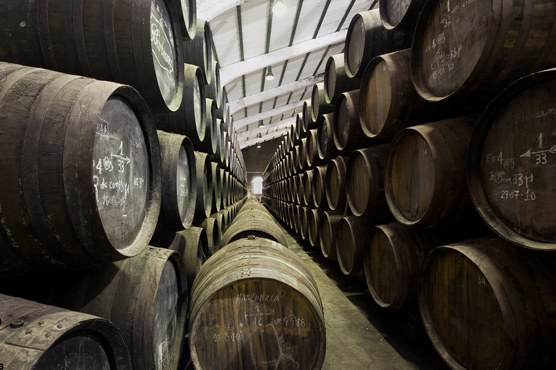
Considered the Queen of the Sea, the Manzanilla of Sanlúcar can only be produced in the wineries of this coastal town, on the shores of the sea. It is precisely this proximity to the influence of the ocean that distinguishes it and makes it so exceptional. A very special wine, produced from traditional methods inherited generation after generation of Sanlúcar winemakers. A unique process from which one of the great jewels of universal oenology is obtained.
The Manzanilla was incorporated into the Jerez-Xérès-Sherry Designation of Origin in 1933 as one of its types of wine. It was not until 1964 that the Regulation of the Manzanilla Designation of Origin was published, where the identity of the Manzanilla is recognised, as well as its link with Sanlúcar de Barrameda.
The land and the climate
It is precisely this singular environment and its exceptional geographical and climatic conditions that make the Manzanilla of Sanlúcar a unique wine in the world, with its own personality in which character and subtlety, power and finesse, complexity and elegance converge…
Zones
Rainfall is relatively high, with an average of about 600 litres per square metre of rain per year, recorded especially in autumn and winter. Except in notable years, this amount of water is sufficient for the good development of the vines, since it is also complemented by the important nocturnal dews contributed by the neighbouring Atlantic Ocean.
It should be noted that the climatology is not the same throughout the Marco de Jerez, with more or less marked differences between the various sub-zones, terms or pagos that compose it, especially with regard to their continentality.
Microclimates
The climate of the Jerez area is warm, as a consequence of its low latitude, since it is one of the most southerly wine regions of Europe (the city of Jerez is located at 36º North latitude). The area has dry summers and high temperatures, which causes a high evapotranspiration, although the proximity of the Atlantic Ocean softens and moistens the environment, especially during the nights.
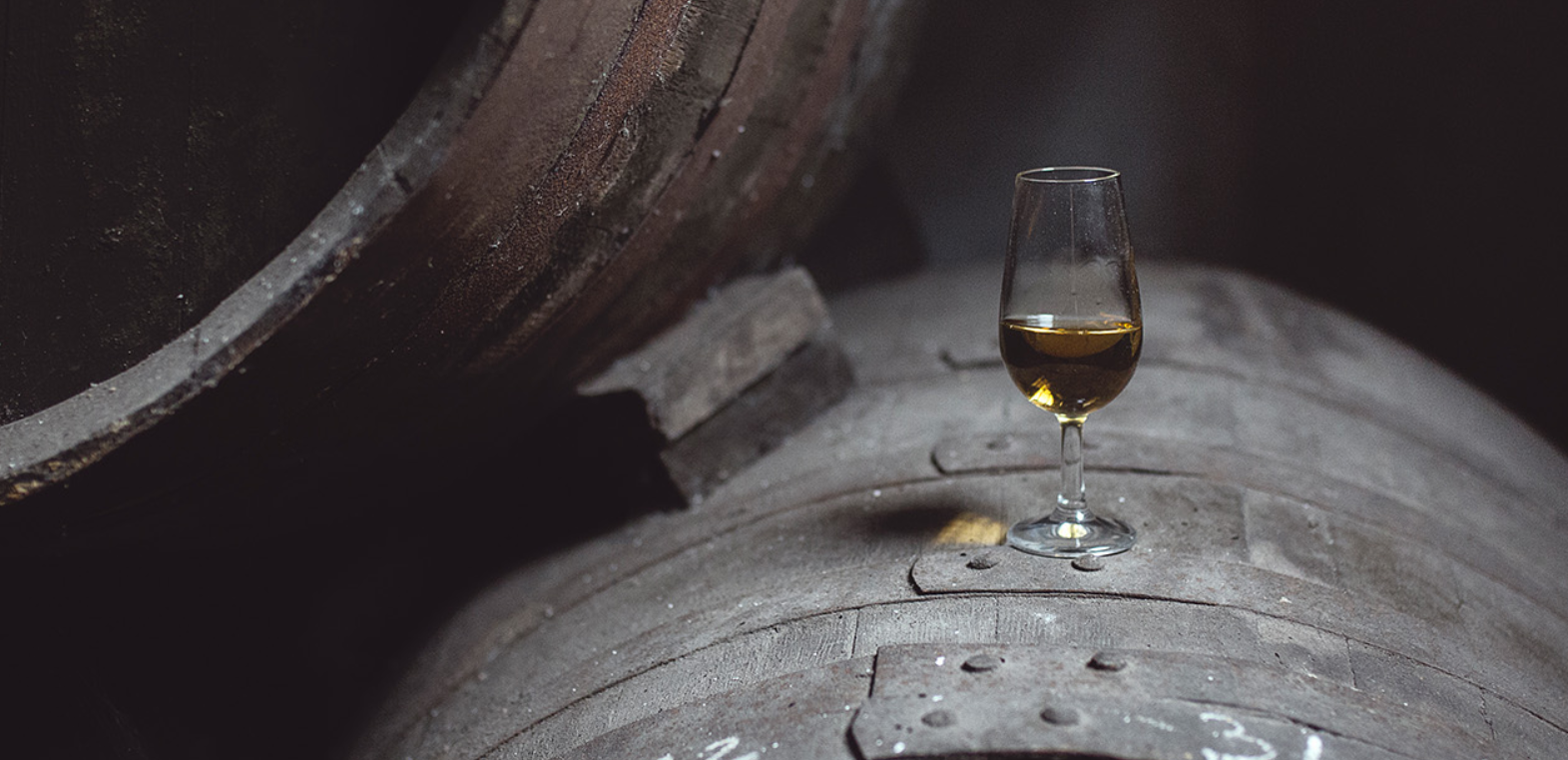
ManzanillaIt is a white wine, made with palomino grape and aged under a veil of flor for a minimum period of 2 years exclusively in wineries of Sanlúcar de Barrameda.
Manzanilla pasadaThis variety is subjected to an exceptionally prolonged ageing period, in which the flor weakens slightly, causing a small level of oxidation and greater complexity.
Manzanilla en ramaThis new addition corresponds to a Manzanilla drawn directly from the butt and bottled almost unfiltered (only very slightly to remove the largest particles of yeast and wood).
The grape: palomino fino
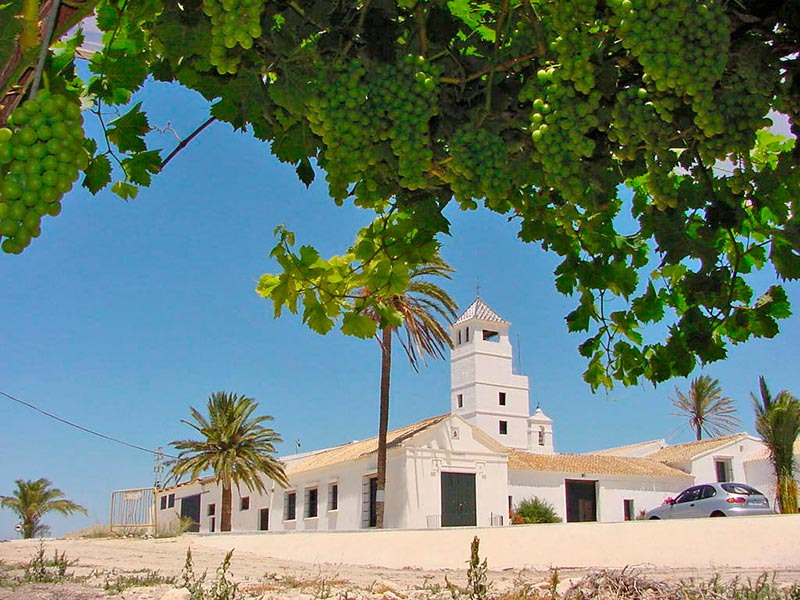
The Manzanilla is made with the grape par excellence of this wine-growing region: the Palomino Fino. This variety, of juicy berries, of little-coloured, sweet and tasty juice, reaches excellent ripeness in this region thanks to the exceptional climatology of the area and to its cultivation in fields of albariza soil. The «Palomino fino» sub-variety -the most common in the Zone- buds in the last two weeks of March and ripens at the beginning of September.
Yields are of the order of 80 hectolitres per hectare, normally reaching around 11-12 degrees Baumé, with weak acidity. The excellent quality of its grape and its good behaviour in the field make it indisputable for the winemaker and the wine grower.
Experiences to enjoy in D.O. Manzanilla - Sanlúcar de Barrameda
Discover this wine-growing region located exclusively in the town of Sanlúcar de Barrameda in the province of Cádiz.