Wine Tourism in D.O. Ribera del Guadiana
The wines of Extremadura obtained their seal of identity and quality in 1999, when on 16 April of that year the Order of the Ministry of Agriculture, Fisheries and Food (MAPA) ratified the Regulations of the Regulatory Board.
The six Extremaduran wine-growing subzones (Tierra de Barros, Matanegra, Ribera Alta, Ribera Baja, Montánchez and Cañamero) are protected under a single DO, not imposing a criterion of homogeneity but simply requiring that the natural elements present allow an adequate level of quality to be achieved in the products, thus including this sum of dispersed areas, although connected to one another by winegrowing ties (varieties, cultivation methods), oenological ties (methods of production, ageing…) or by reason of the product's name in the market.
A unique area for unique wines and cavas
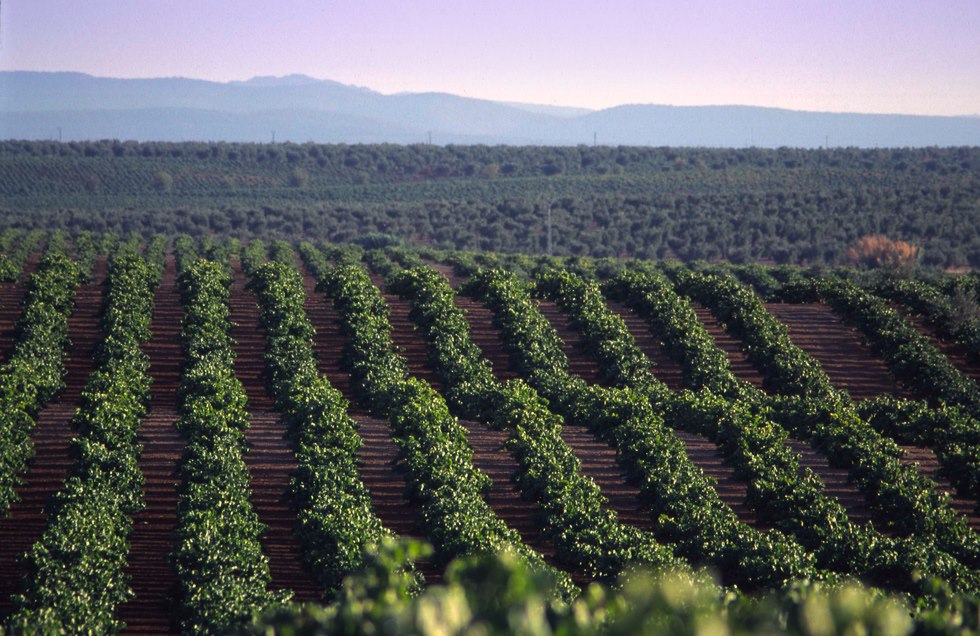
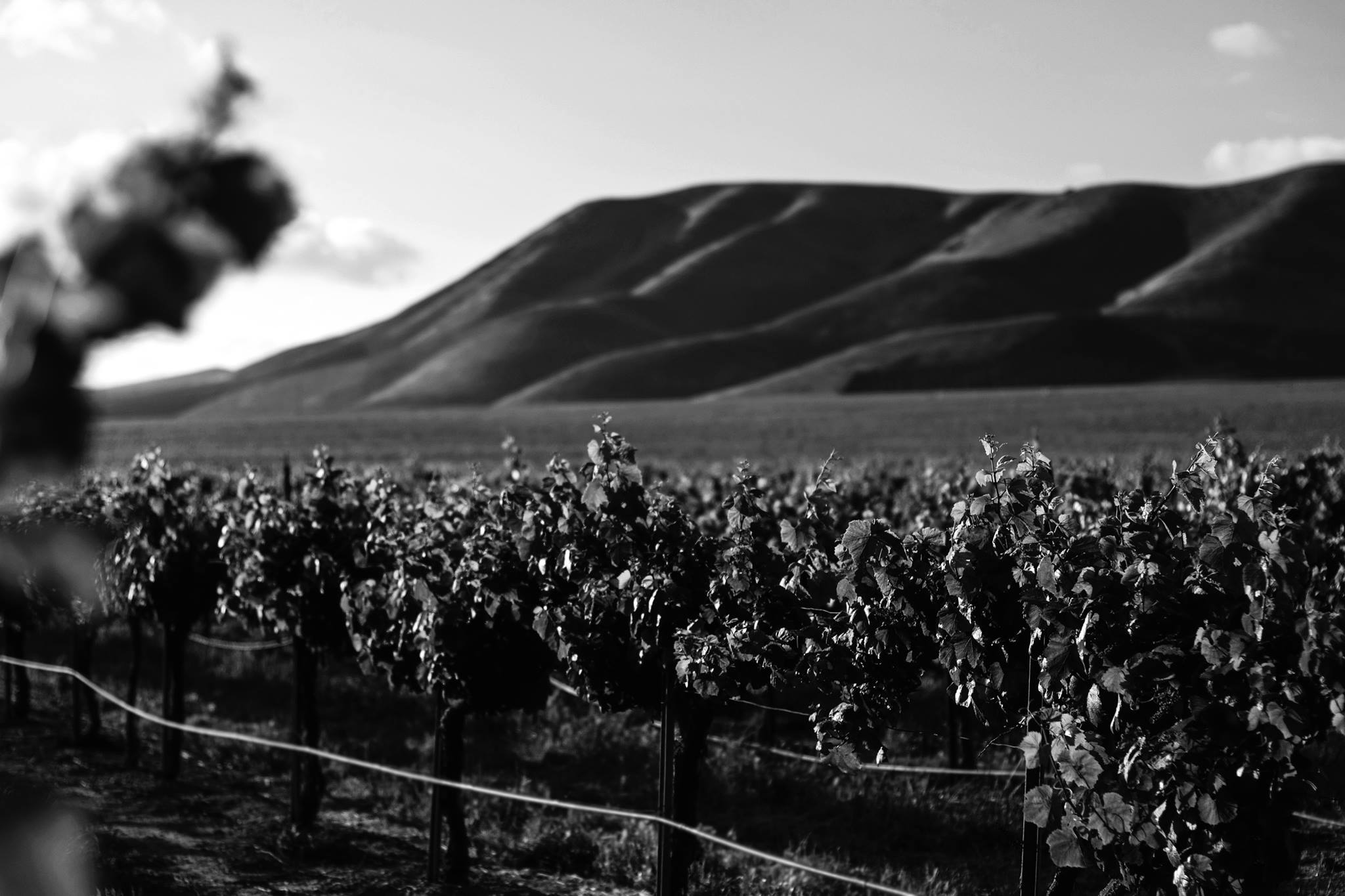
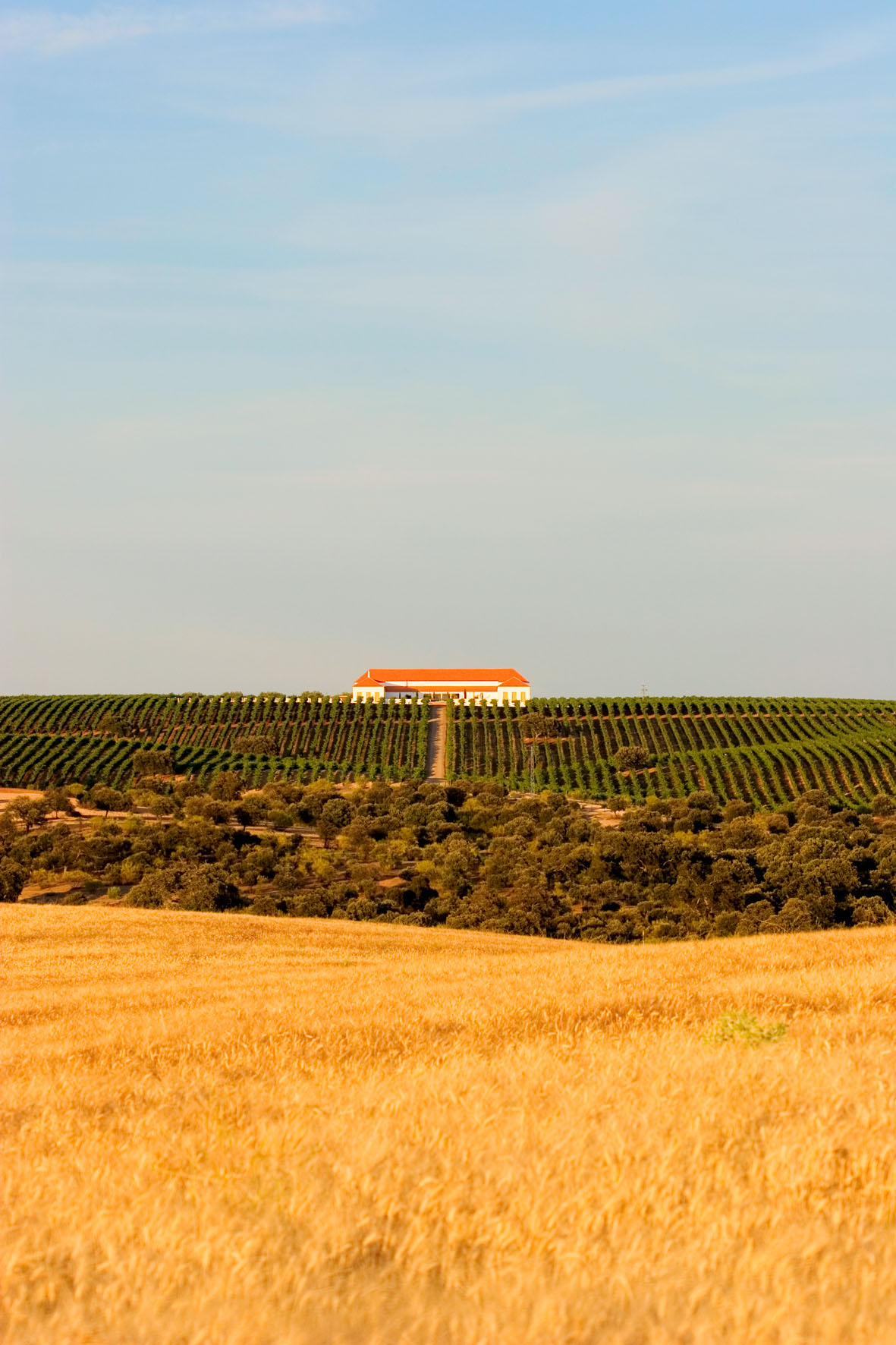
The Ribera del Guadiana covers a vast territory deeply rooted in winegrowing that stands out for its landscape diversity and natural richness. The excellent quality of its wines and cavas is the result of the knowledge, good work, experience and attachment to the land of its winegrowers and winemakers, in a generous land with a favourable climate.
A territory with more than 30 grape varieties, among which Tempranillo and Macabeo and the native Pardina and Cayetana stand out, makes it possible to produce excellent young wines, crianzas and reservas, using different techniques from the most traditional to the most innovative processes.
The sparkle of the cava is provided by Almendralejo, called the City of Cava because this municipality is a land of vineyards and production of Cava D.O.P.
The land and the climate
The D.O.P. Ribera del Guadiana, created in 1999 under a single Designation of Origin, Ribera del Guadiana protects six subzones: Tierra de Barros, Matanegra, Ribera Alta, Ribera Baja, Montánchez and Cañamero, the first four corresponding to the province of Badajoz and the last two to that of Cáceres, in the Autonomous Community of Extremadura.
Zones
Cañamero is the first and is located in the Sierra de Guadalupe, with the crops on hillsides at an altitude between 600 and 850 m, with a mild climate without significant thermal changes and rainfall close to 800 mm.
Montánchez, where the crops are on acidic brown soils at an altitude of 600 m
The Ribera Alta, which occupies the flattest part with few areas exceeding 400 m on sandy soils, continuing with a Mediterranean climate with a certain Atlantic influence.
The Ribera Baja on the banks of the Guadiana with silty-clay soils and altitudes of 280 m in a climate similar to that of the Ribera Alta and Tierra de Barros, with practically flat relief in Badajoz, with fertile soils rich in nutrients. Here the climate is dry with high temperatures in summer due to the easterly wind.
Microclimates
The climate is continental, with very hot summers and not very cold winters. Rainfall ranges between 500 and 600 mm per year.
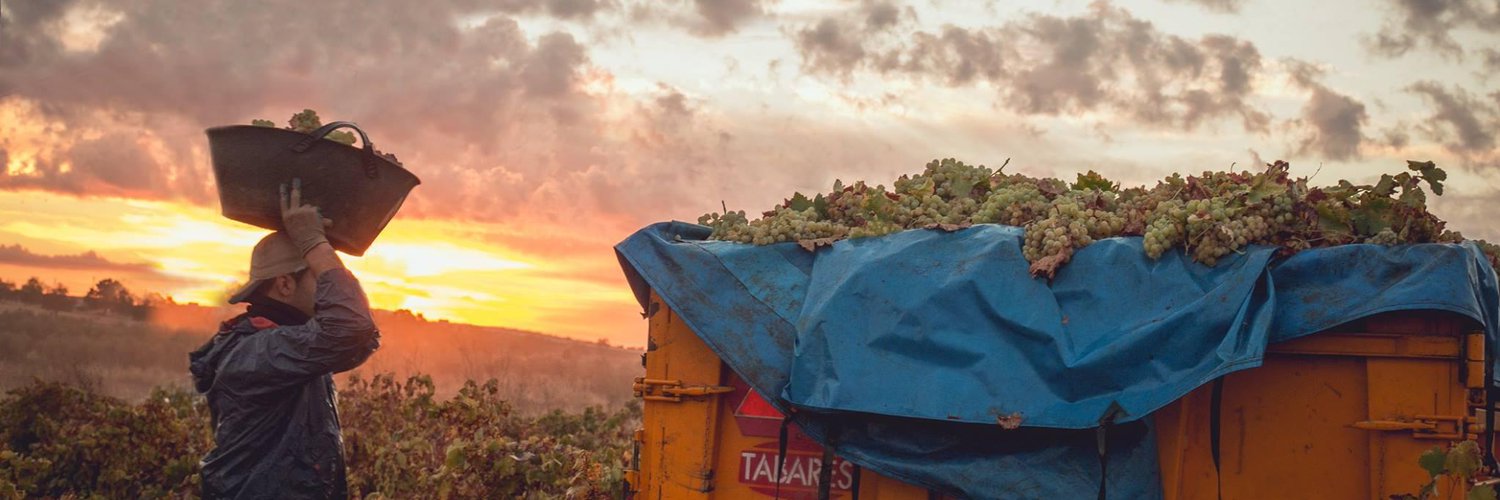
The grape varieties we find in the nearly 130,000 hectares of the Ribera del Guadiana Designation of Origin are, in some areas, mostly white, many of them native: Alarije, Borba, Pardina, Chelva, Malvar, Cayetana Blanca and Pedro Ximénez.
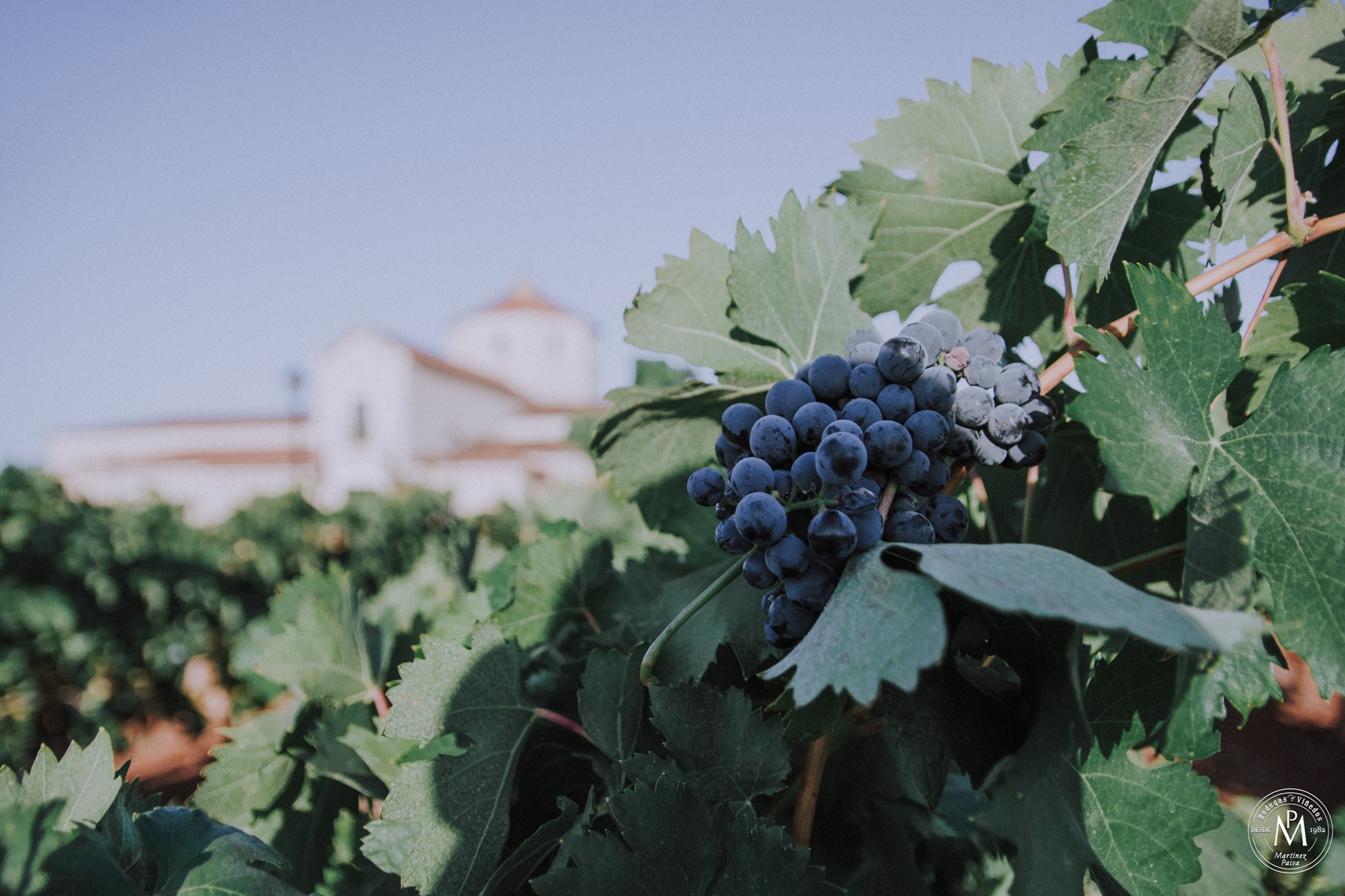
For the reds, we highlight the Tempranillo, Garnacha, Graciano and Cabernet Sauvignon grapes, and some Montúa and Macabeo.
The red varieties play a crucial role in terms of quality wine production.
In the designation, according to their ageing, the different quality levels of the wines are divided into Young Wine, Crianza Wine and Reserva Wine.
Experiences to enjoy in D.O. Ribera del Guadiana
Discover this wine-growing region located in Extremadura