Wine tourism in D.O. CIGALES
The Cigales Designation of Origin is located in the Autonomous Community of Castilla y León, between the province of Palencia and the province of Valladolid. The Pisuerga river flows through this designation of origin and bathes the Cigales area. It is said that the first steps of the D.O. Cigales as a wine-growing area date back to the 10th century, when the first vineyards already appeared in the comarca.
A unique area for unique wines
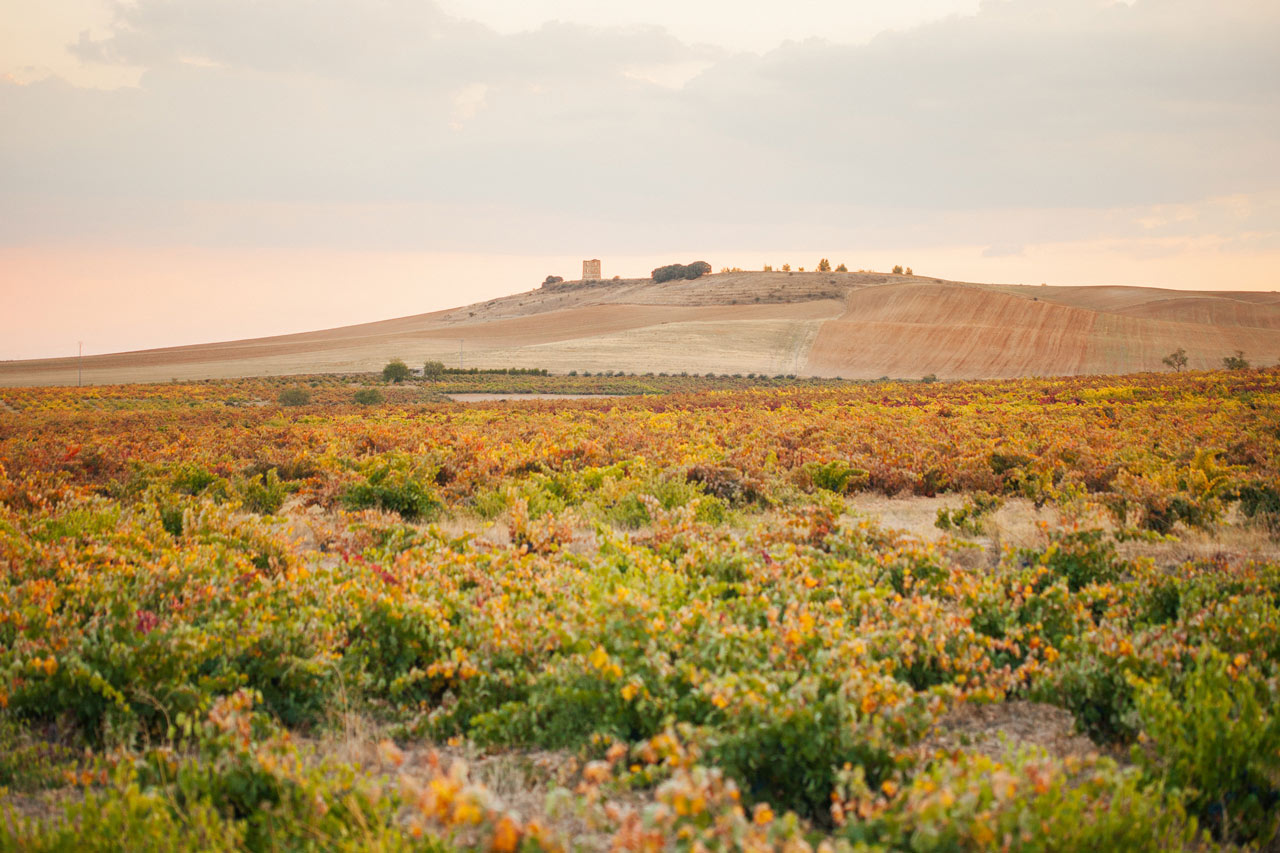
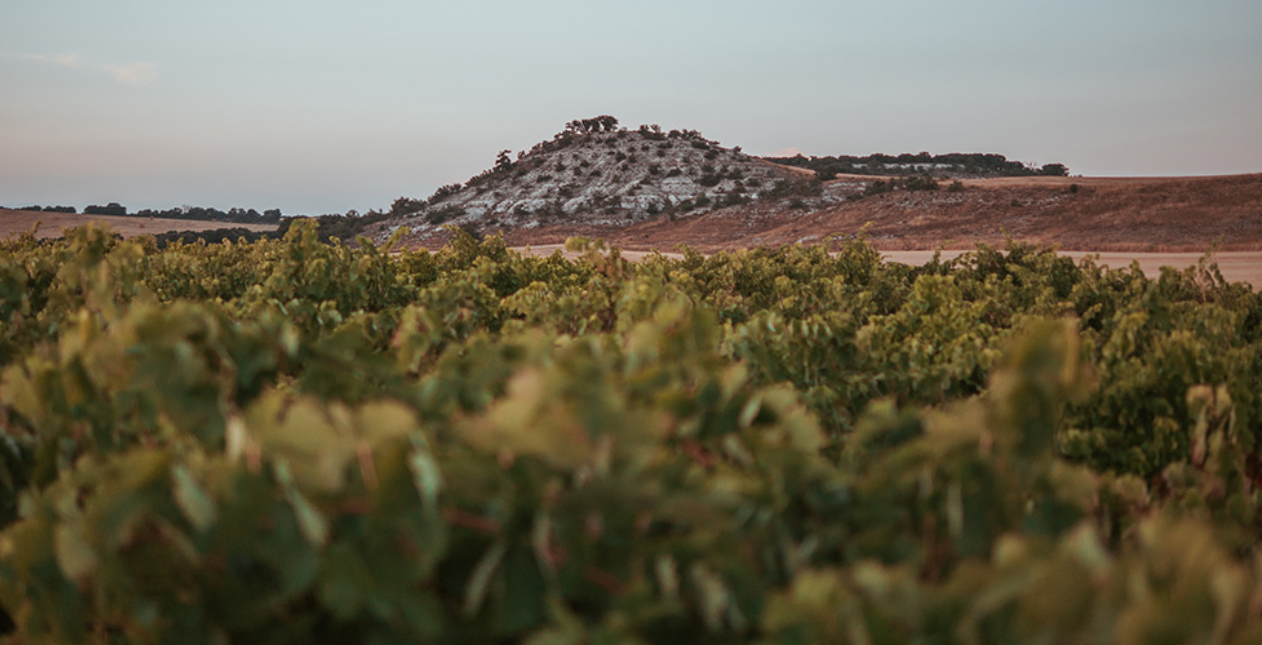
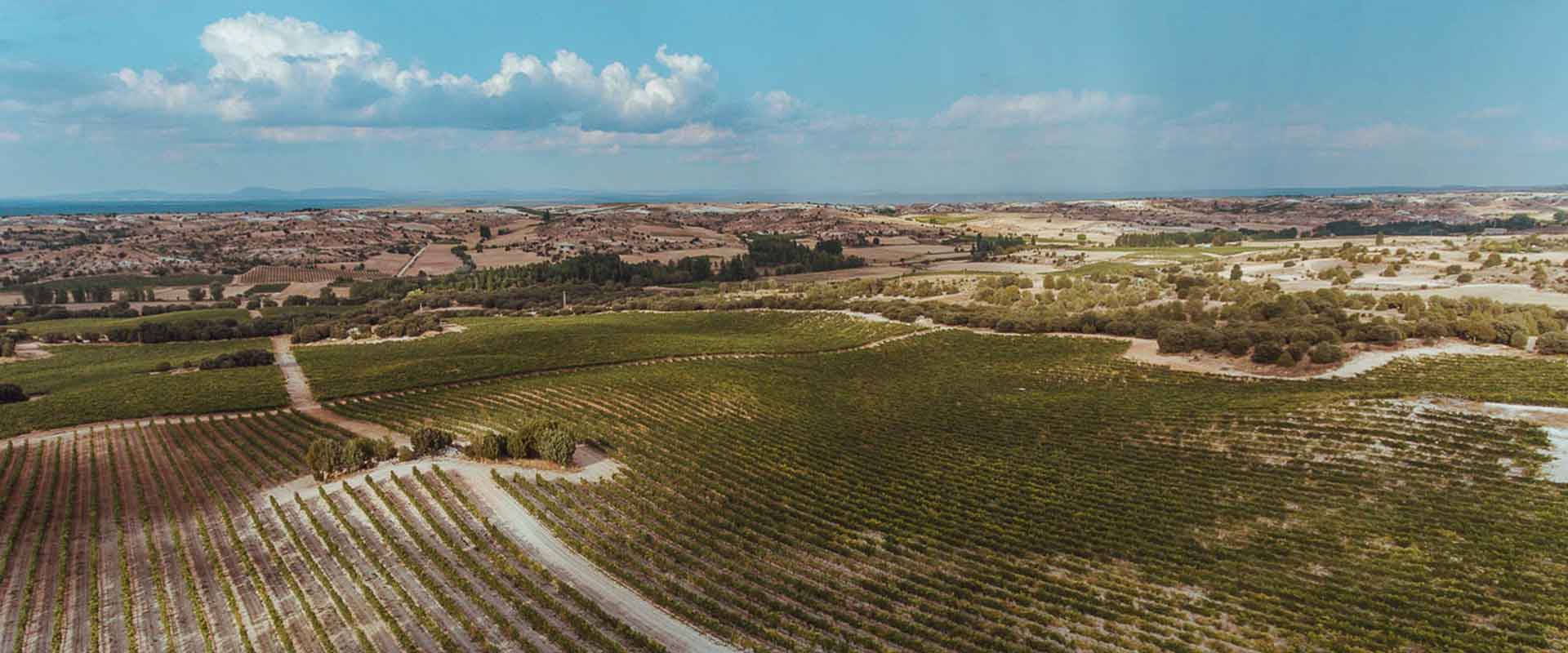
In the D.O. Cigales there are a total of 35 wineries and a total of 2,300 ha of vineyards throughout the designation of origin; these vineyards are located at an altitude of 750 metres. The soils of the D.O. Cigales are formed by tertiary and quaternary sediments; sands, limestones and gypsiferous marls that rest on clays and marls.
The Cigales Designation of Origin obtained this qualification in 1991; today the vineyards extend across the northern zone of the Duero Depression over an area of 574 km² on both sides of the Pisuerga River. The municipalities we can find in the D.O. Cigales are: Fuensaldaña, Mucientes, Cabezón, Cigales, San Martín de Valveni, Corcos, Trigueros, Quintanilla de Trigueros, Valoria la Buena, Cubillas de Santa Marta and Dueñas.
The land and the climate
The comarca of Cigales protected by the Designation of Origin extends across the northern sector of the Duero Depression, over an area of 574 km2, on both banks of the Pisuerga river.The vineyards are located at an average altitude of 750 metres and range from part of the municipal district of Valladolid (Pago “El Berrocal”) to the Palencia town of Dueñas, also including Cabezón de Pisuerga, Cigales, Corcos del Valle, Cubillas de Santa Marta, Fuensaldaña, Mucientes, Quintanilla de Trigueros, San Martín de Valvení, Trigueros del Valle and Valoria la Buena.
Areas
The lands and soils of this D.O. Cigales, from a geomorphological point of view, the territory corresponds to the Miocene, its formation being of tertiary and quaternary sediments, where we find sands, clays, marls, gypsiferous marls, and which vary in their limestone content – for example, in Santovenia the levels are at 1% and in Valoria they are at 35%. All the lands are poor in phosphorus and lacking in organic matter; the pH is around 8.1.
Microclimates
Regarding the climate, in the D.O. Cigales it is of a Continental type, where the Atlantic character has an influence that produces temperature changes throughout the day. Here in Cigales the winters are long and are characterised by strong frosts and abundant morning mists, where winds predominate during the winter seasons; the summers are very hot and dry.
The most harvested variety is the Tempranillo grape, since it occupies 70% of the vineyards of the D.O. Cigales, but among its authorised red grape varieties we find Garnacha, Cabernet Sauvignon, Syrah, Merlot and Tempranillo.
Among the authorised white grape varieties we find Verdejo, Albillo and Sauvignon Blanc.
The Cigales Designation of Origin is very renowned for its rosé wines, being its main emblem. Since 1985 the vineyards have been reconverted for the production of rosé wines, but with the current varieties, Merlot, Tempranillo, Cabernet Sauvignon and Syrah, they are achieving great young wines, crianza wines and reserva wines, the first Reserva wine of the D.O. Cigales having come out in 1994. White, sparkling and sweet wines are also made in the D.O. Cigales.
Tempranillo
It is one of the main varieties in this Designation, occupying 70% of the wine-growing area. Producer of excellent rosés thanks to its aromatic potential, colour, richness in extract and contribution of a violet hue to the wines.
Experiences to enjoy in D.O. Cigales
Discover this wine-growing region between the province of Palencia and the province of Valladolid