Wine tourism in D.O. León
The León Designation of Origin achieved its change of name on 2 April 2019 following the publication of Commission Implementing Regulation (EU) 2019/550, by which the old name of “Tierra de León” was changed to the current “León”. After a long legal journey of almost 5 years, the Designation of Origin achieved this milestone through which it sought a better positioning of the “León” brand and a closer identification with the city and province of León.
A unique area for unique wines
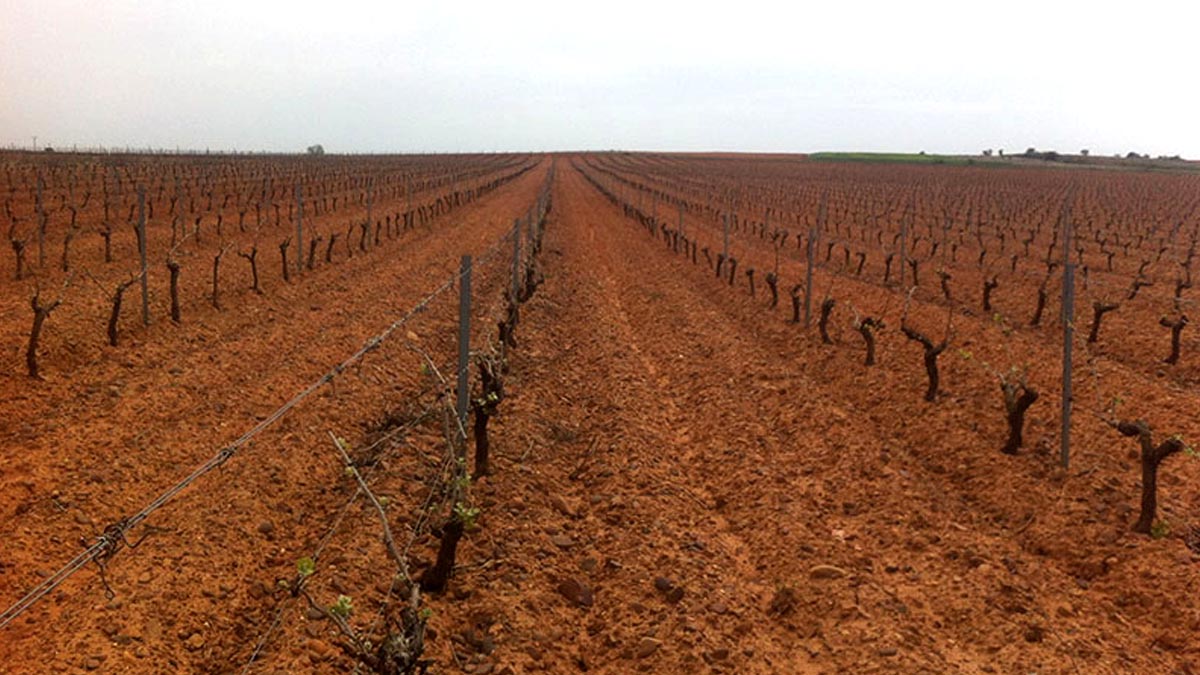
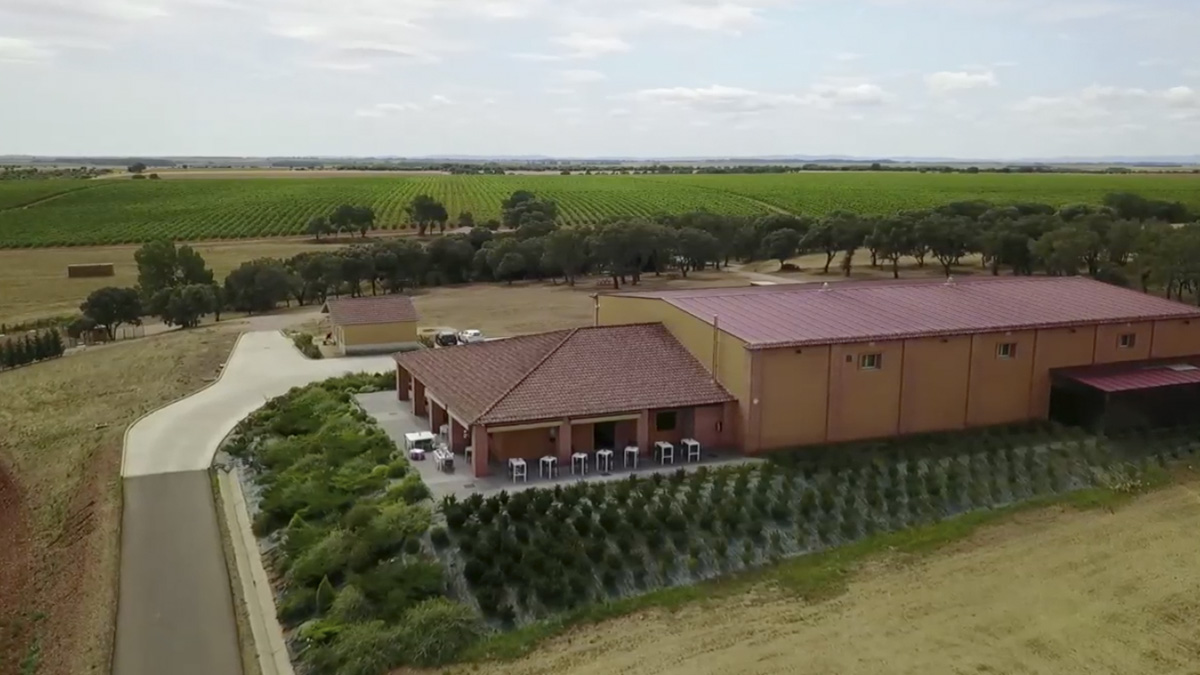
The León Designation of Origin is made up of 41 wineries and 328 wine growers. The surface area of the production zone of the Tierra de León Designation of Origin rises to 3,317 km2, with the registered surface being 1,369 hectares. These are soils suitable for vine cultivation since they are all located below 900 m in altitude, settled on alluvial terraces. The extreme temperatures between day and night are a conditioning and favourable factor for the accumulation of the grape's polyphenols and the enhancement of aromas.
The land and the climate
The production zone is located in the south of the province of León, incorporating part of the province of Valladolid and bordering the provinces of Zamora and Palencia. The surface area of the production zone rises to 3,317 km2.
The production zone of the wines protected by D.O. León encompasses the lands located in the municipal areas that, through a study, have been considered suitable for grape production.
Zones
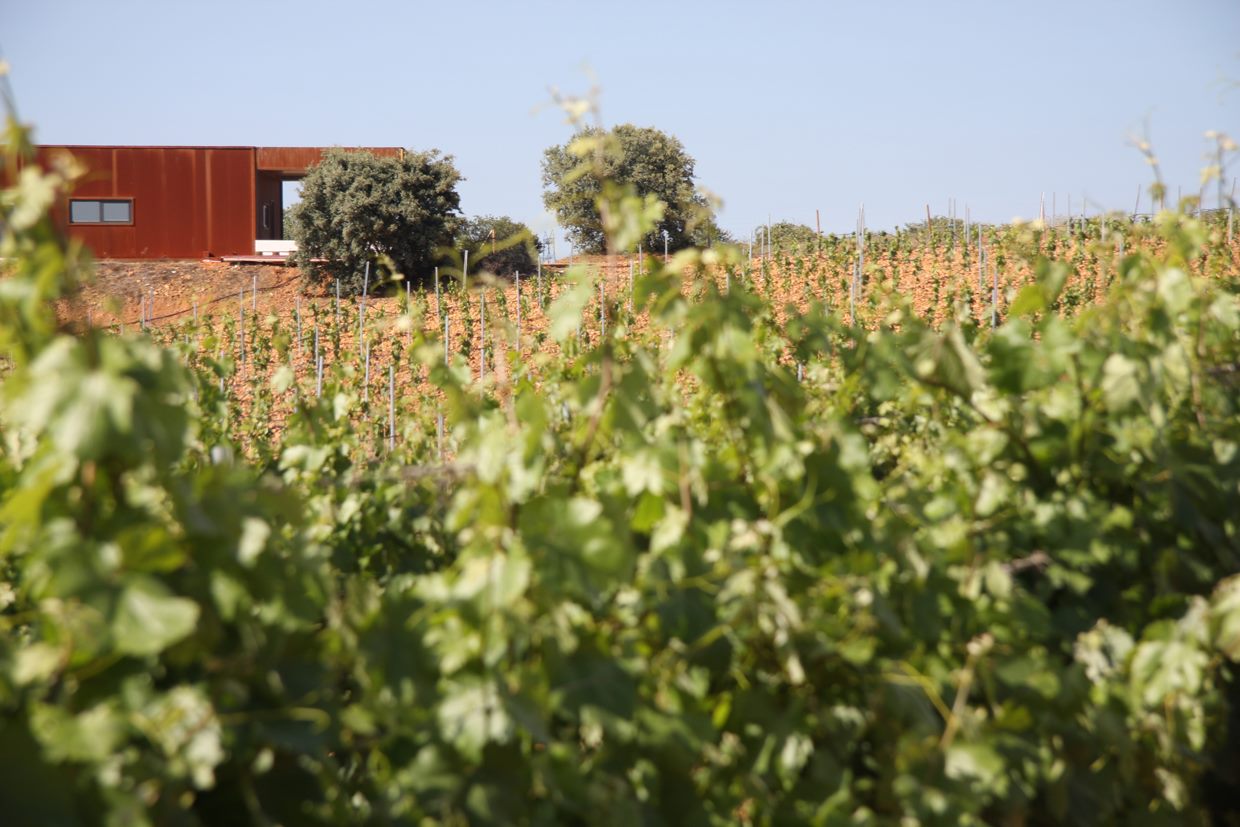
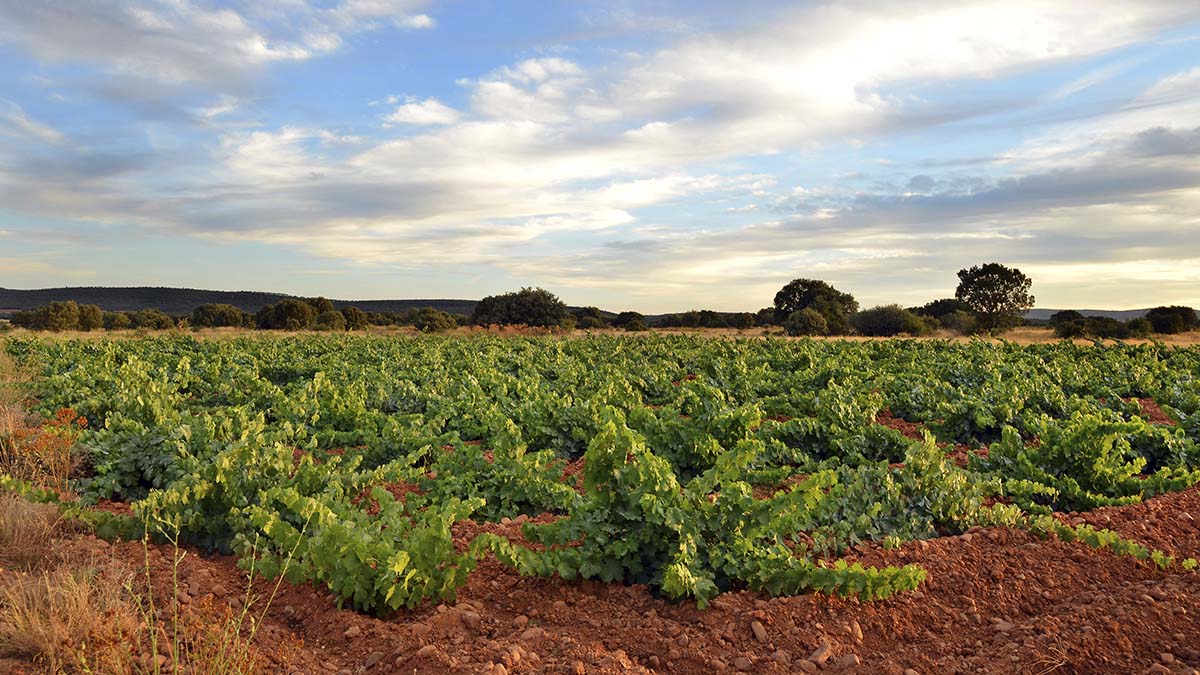
Both the brown soils over stony deposits and the calcareous ones over soft materials possess characteristics that make them the most suitable for the cultivation of quality vineyards, and proof of this is that the great designations of origin of Castilla y León are settled for the most part on this type of soil.
They are soils with excellent internal drainage conditions, with an acceptable water-retention capacity, ease of aeration and root penetrability, low mineral salt content, depth, adequate limestone content and poverty in organic matter.
Microclimates
Although the influence of the Atlantic and of the North should soften its temperatures and make rainfall abundant, the high altitude of the plateau where it lies and the edge of the mountainous relief of the Cantabrian range modify the climatic characteristics, giving rise to a strong continentality. L
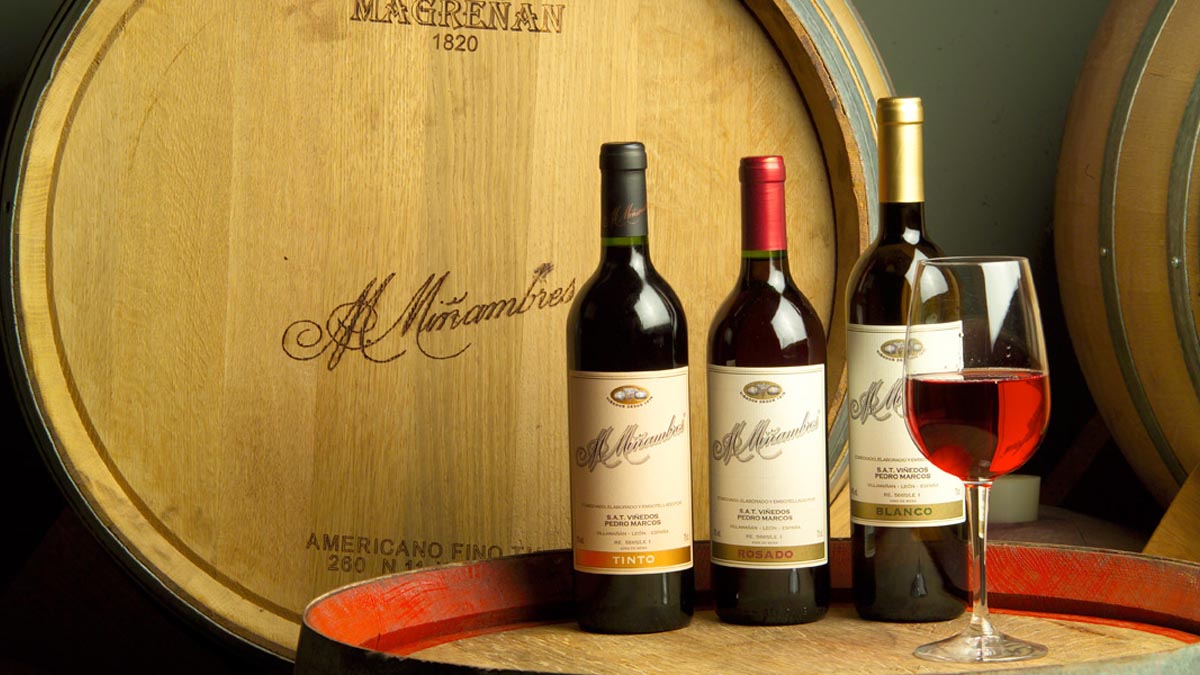
The types of wines protected by D.O. León are the following:
White, made from a minimum of 50% grapes of the Main white varieties: Albarín, Verdejo and Godello. The remaining 50% corresponds to the Complementary white varieties.
Rosé, made from a minimum of 60% grapes of the Main varieties «Prieto Picudo and/or Mencía». The remaining 40% corresponds to the complementary red and/or white varieties. Its minimum acquired alcoholic strength will be 11°.
Red, made from a minimum of 60% grapes of the variety «Prieto Picudo and/or Mencía». The remaining 40% may be distributed among the permitted red grapes.
Experiences to enjoy in D.O. León
Discover this wine-growing region located between the provinces of León and Valladolid.