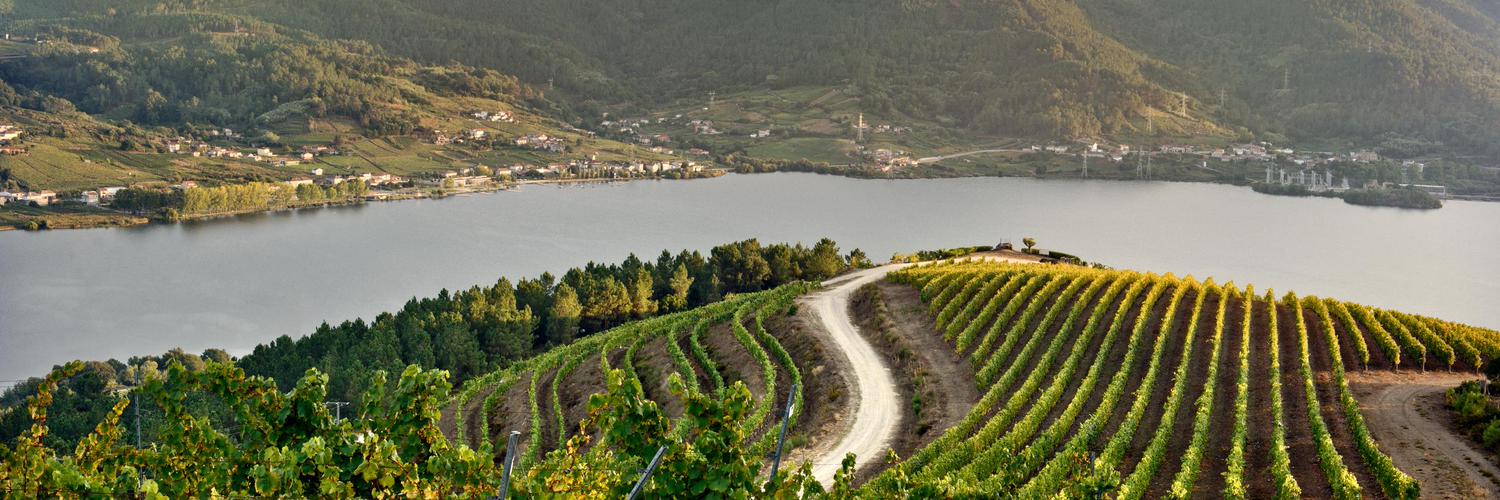
Wine tourism in D.O. Valdeorras
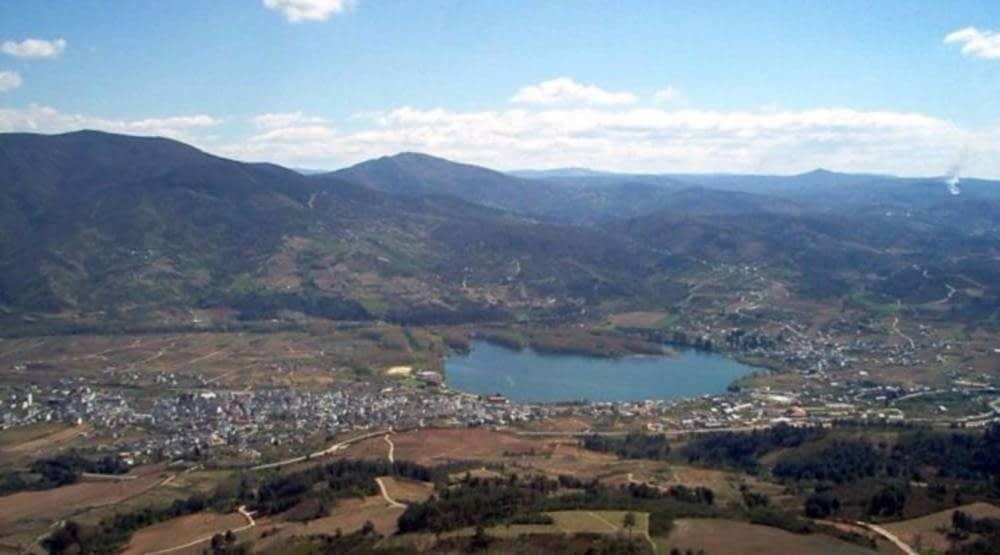
Valdeorras, the easternmost comarca of the province of Ourense, is located in the part of Galicia close to the province of León, in north-western Spain.
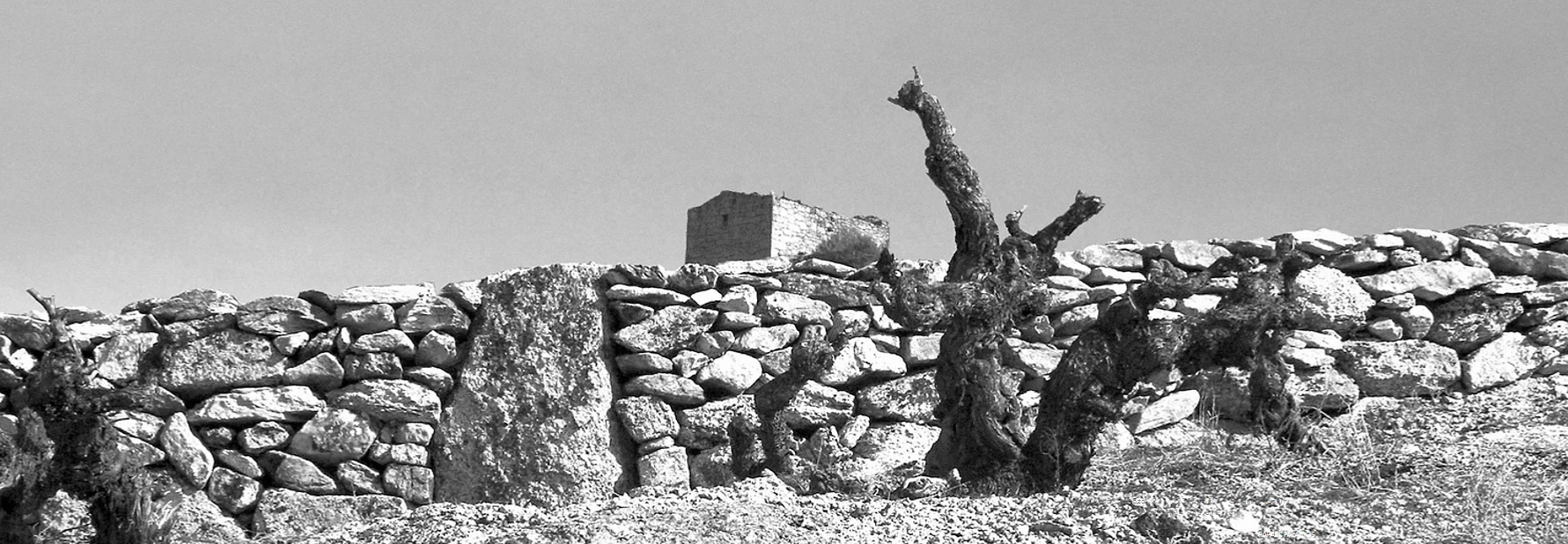
The geological history of the comarca meant that a large part of its soil is composed of slate, quartzite and schist. Over the last 2,500 million years, Valdeorras underwent numerous climatic changes and glacial periods that left many marks on the mountainous areas, forming a unique natural landscape, with the creation of river terraces and a sharp entrenchment of the watercourses.
A unique region for unique wines
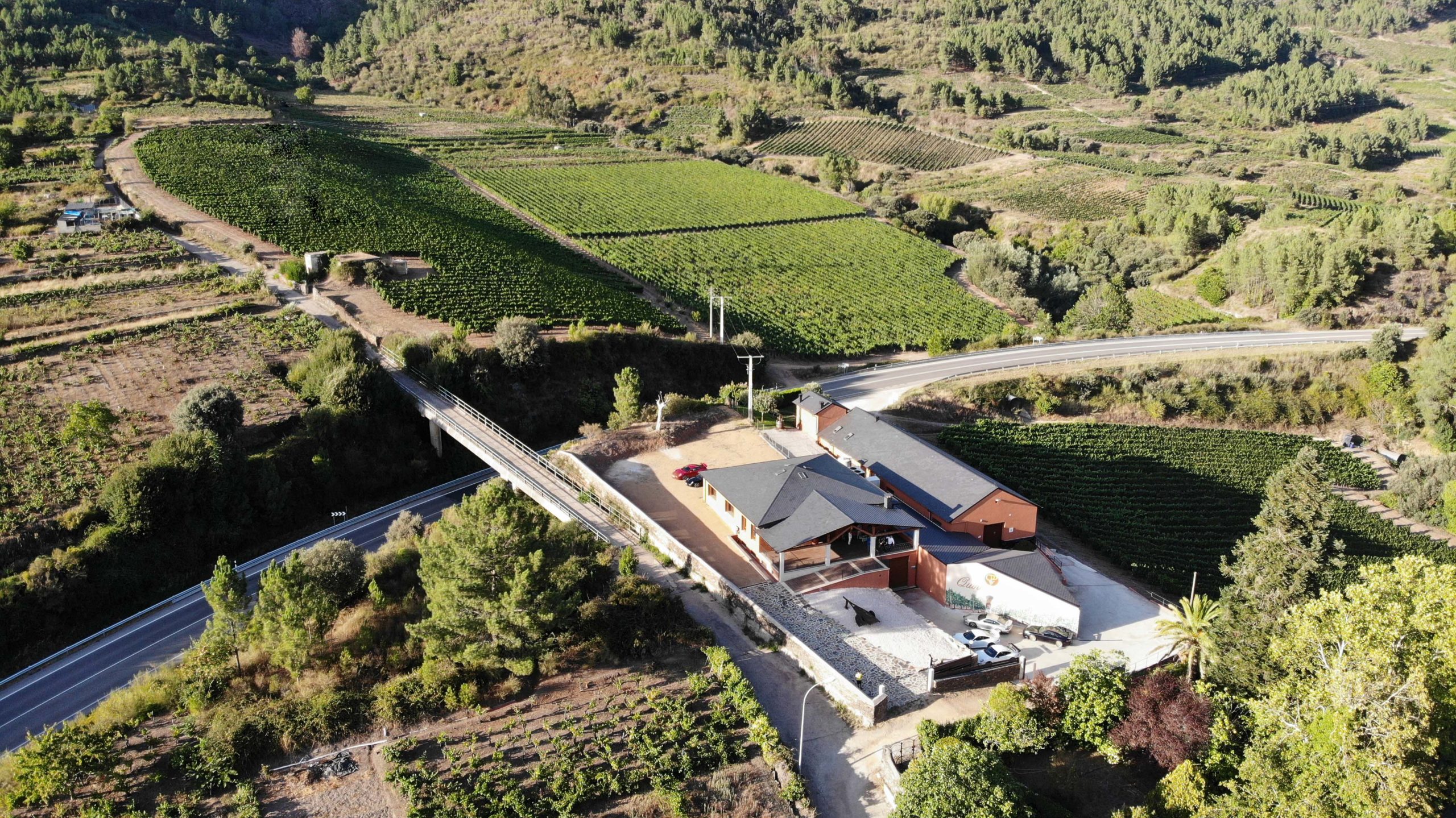
Today, winemaking work and the complex world around it are organised through the Regulatory Council, the body that governs the destiny of the Denomination of Origin, covering the vineyard areas of the municipalities of A Rúa, Carballeda de Valdeorras, Larouco, O Barco, O Bolo, Petín, Rubiá and Vilamartín.
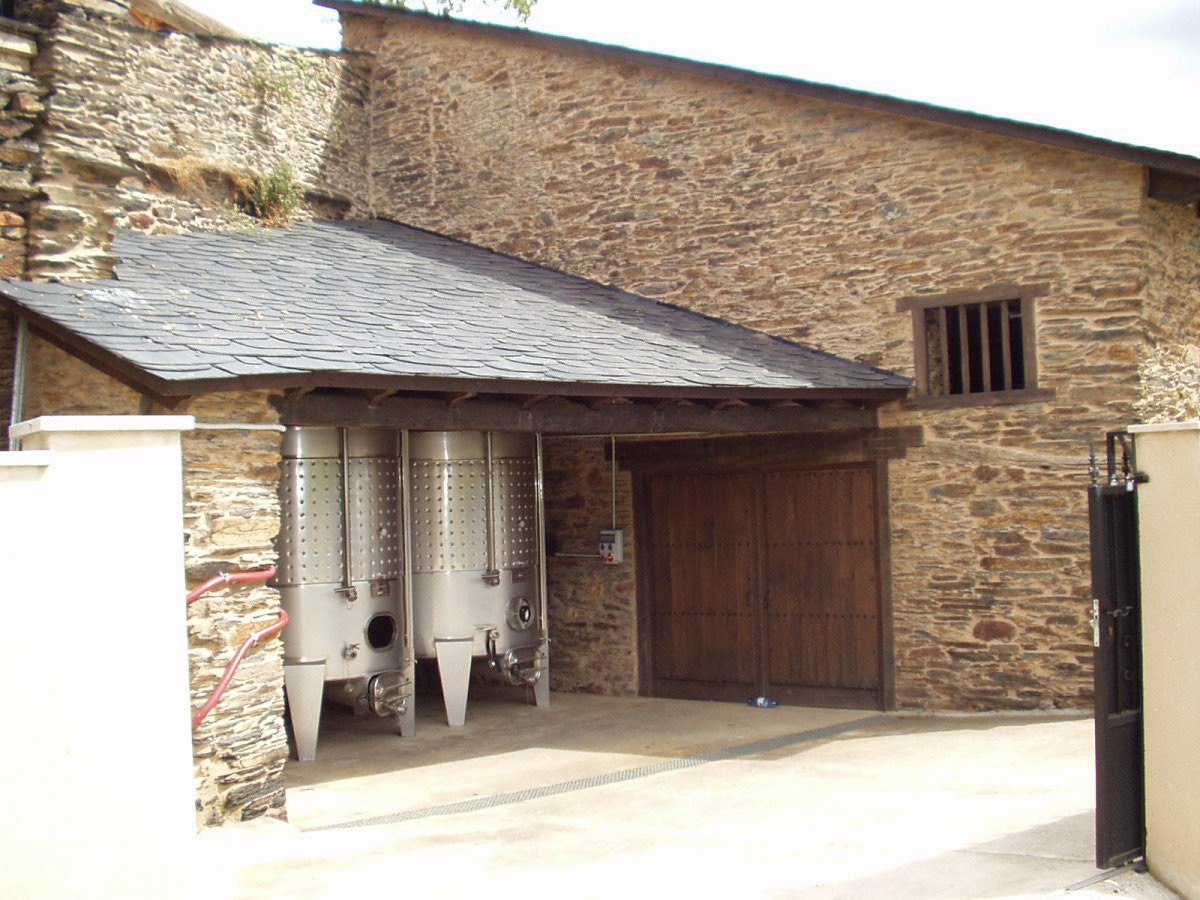
After years of research efforts, the introduction of new technologies and the modernisation of the production process, Valdeorras has achieved that its wines are among the best in Spain and are exported to the five continents.
The land and the climate
The production areas occupy a large part of the basins of the Sil, Xares and Bibei rivers.
Areas
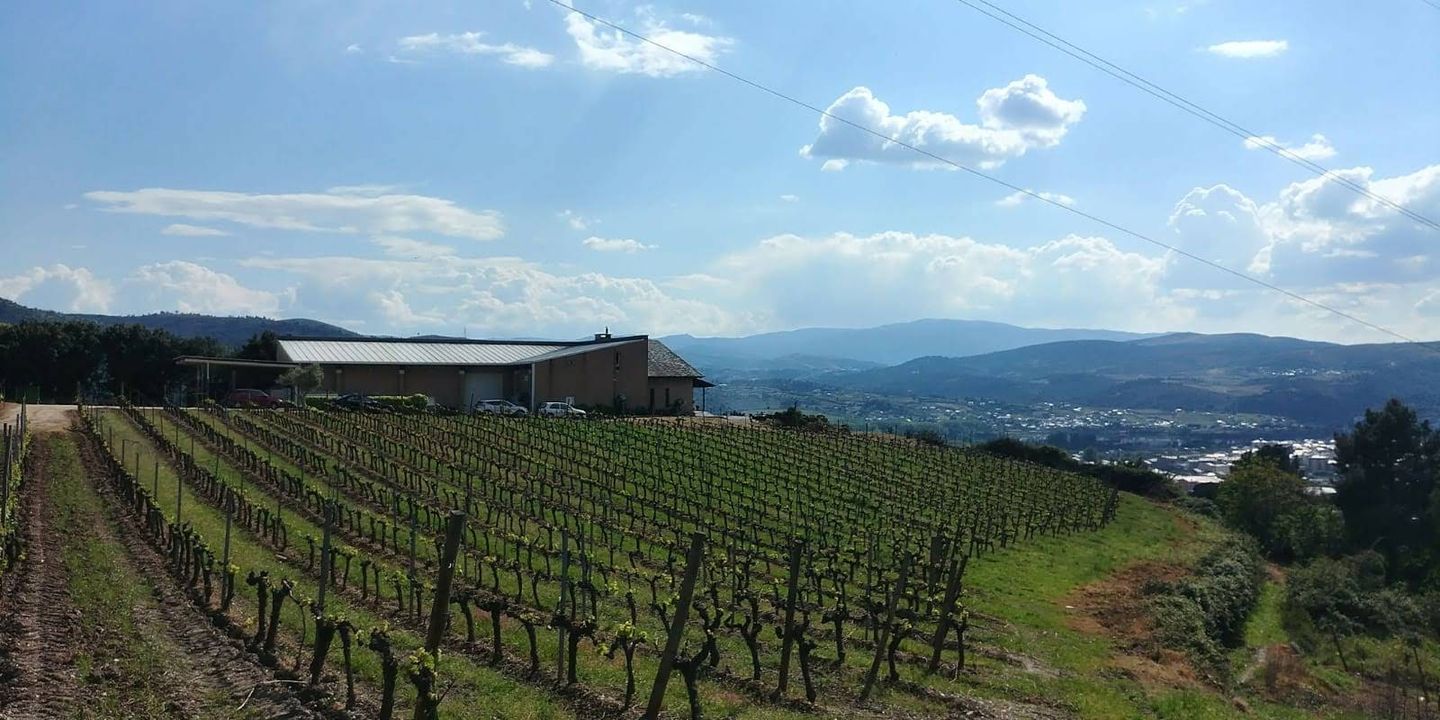
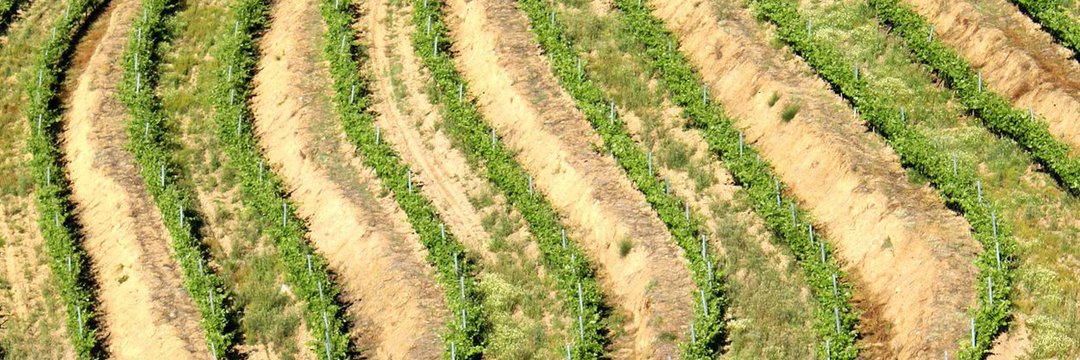
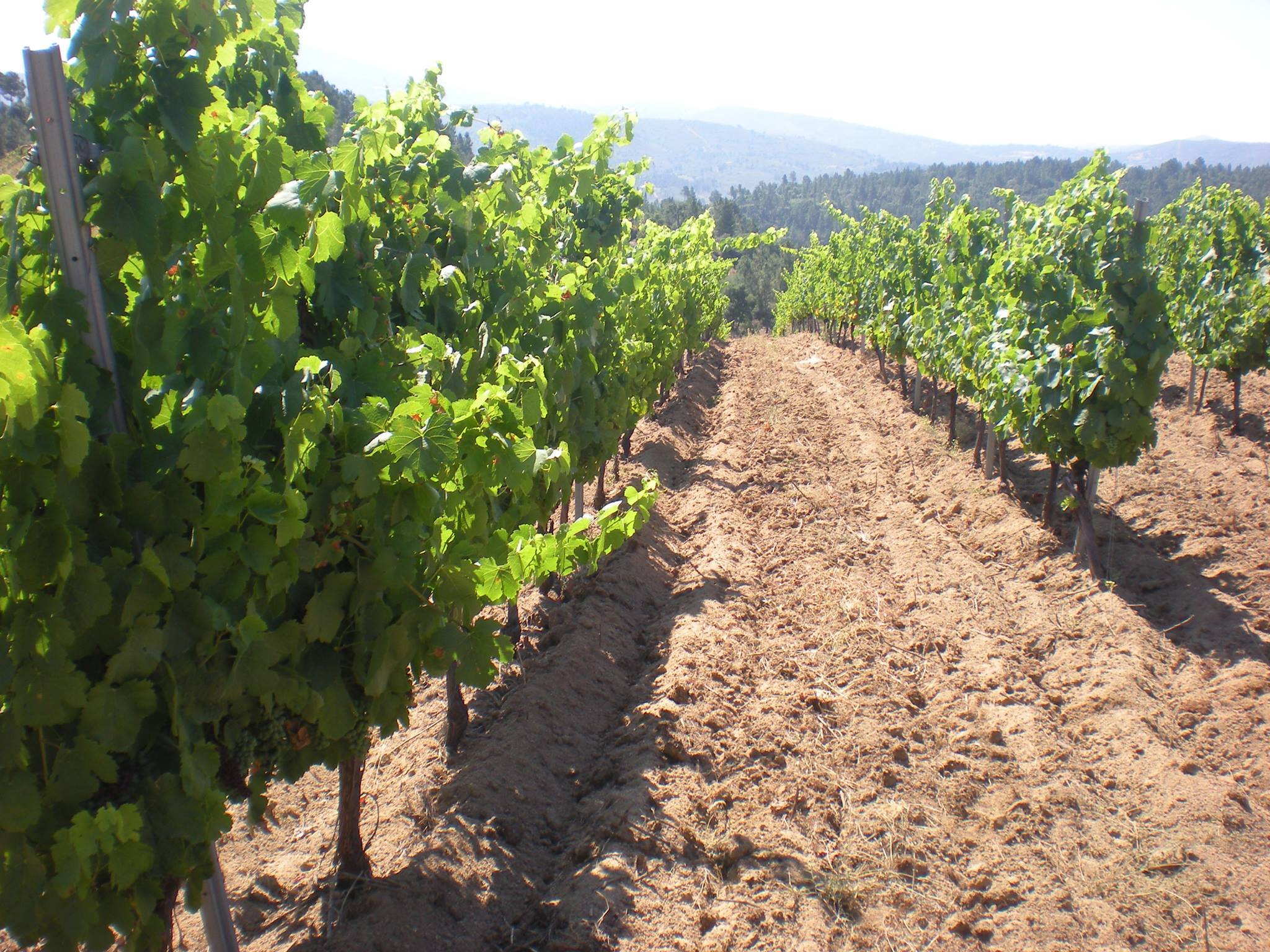
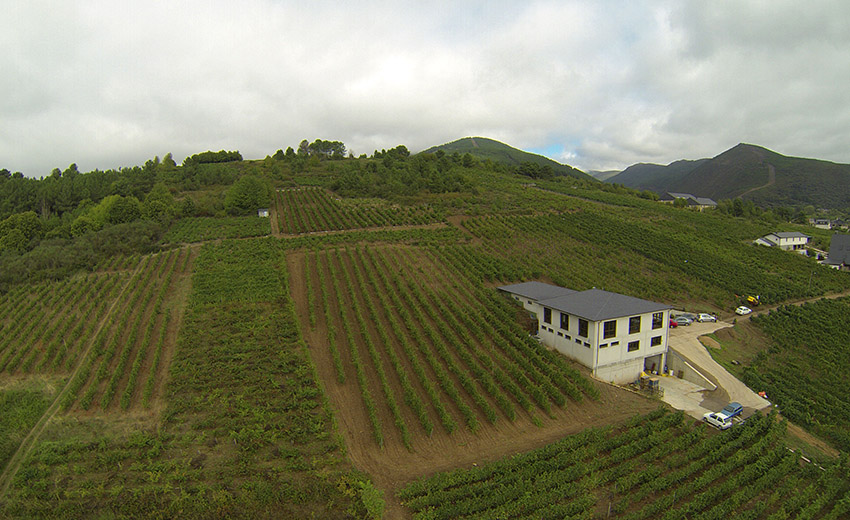
The Denomination of Origin Valdeorras presents a great diversity of soils for the registered vineyard area it holds, 1,300 hectares. The Sil river crosses the comarca from east to west, giving rise to a valley of markedly asymmetric character.
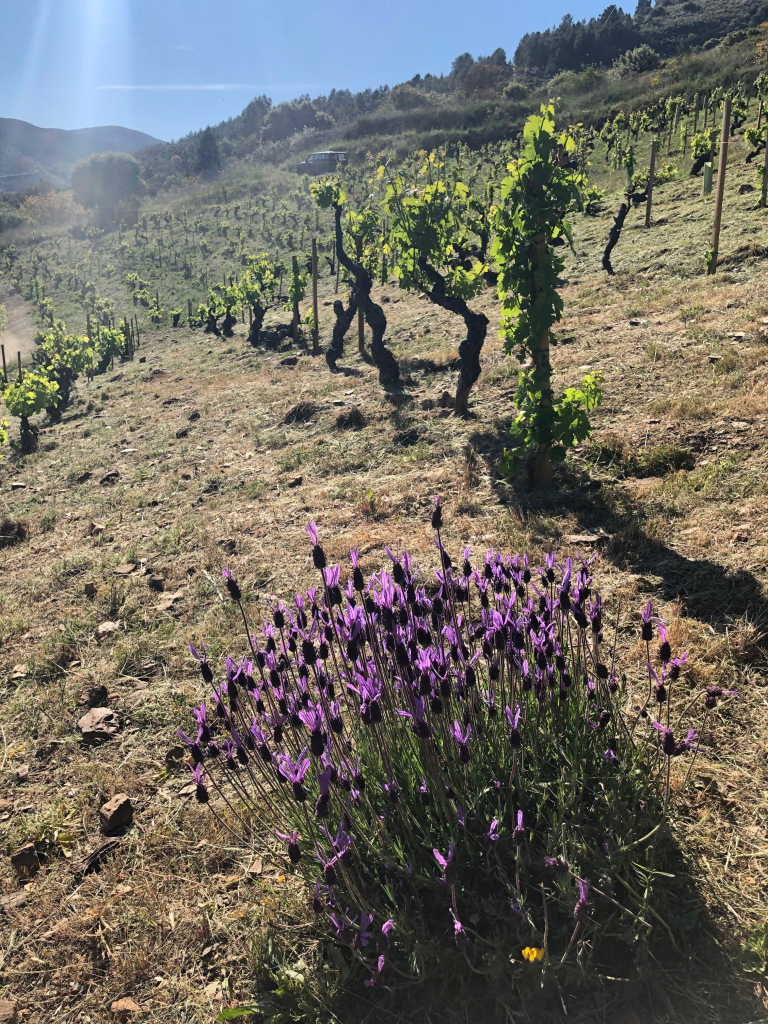
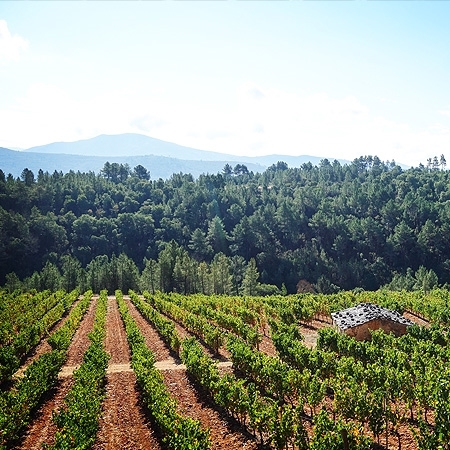
The soils are varied, from the slaty ones, shallow, through the granitic ones, richer in sand, to those resting on sediments and terraces, where rounded pebbles abound.
Microclimates
The climate is drier than in the rest of Galicia, mixing the Atlantic influence with continental traits. The average temperature is around 11ºC and the rainfall index ranges between 850 and 1,000 mm per year.
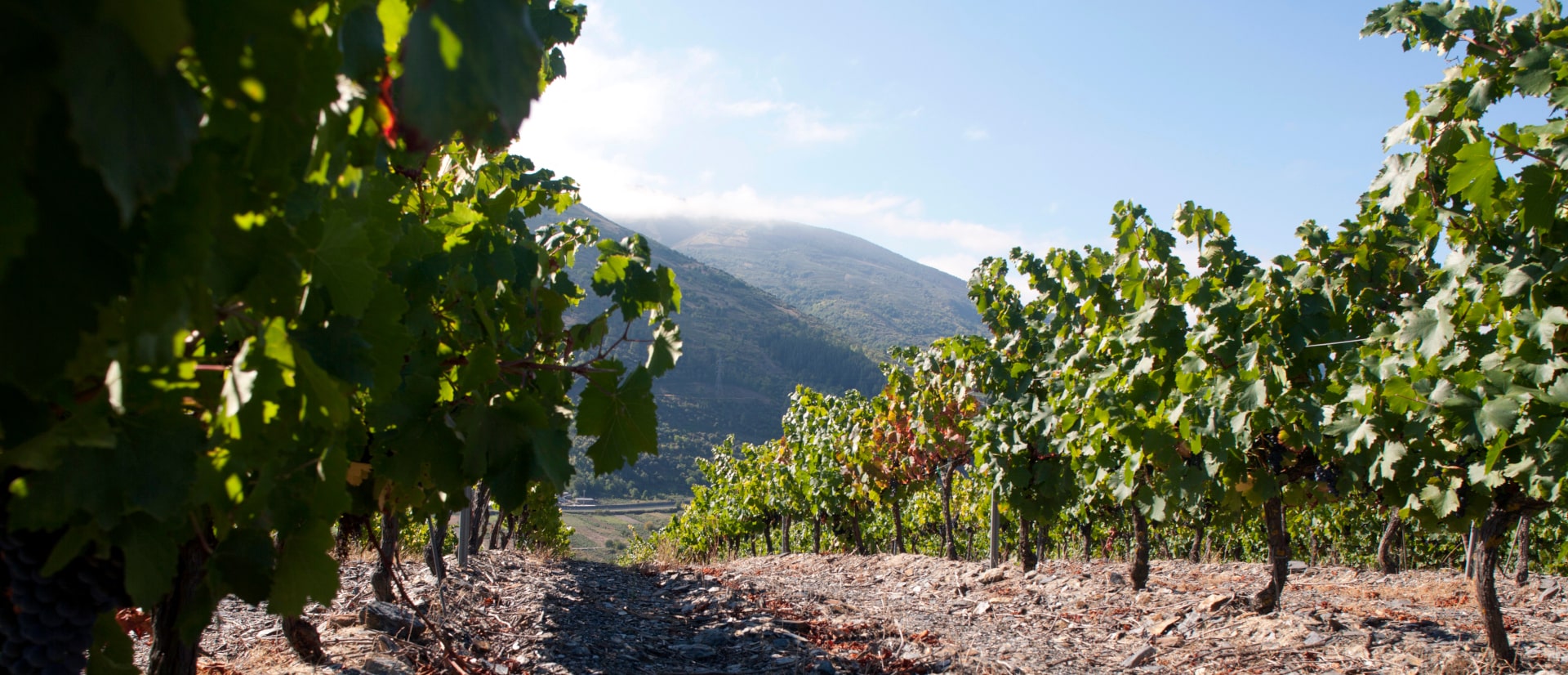
Ideal climate for top-quality dry wines, with an optimum above 450 m in altitude, Valdeorras being privileged as the whole comarca sits between 300 m and 700 m in altitude, thus lying entirely in Zone I of Winkler.
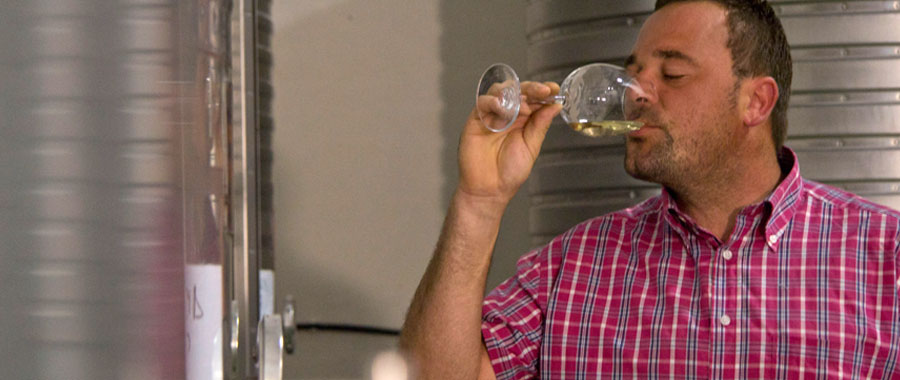
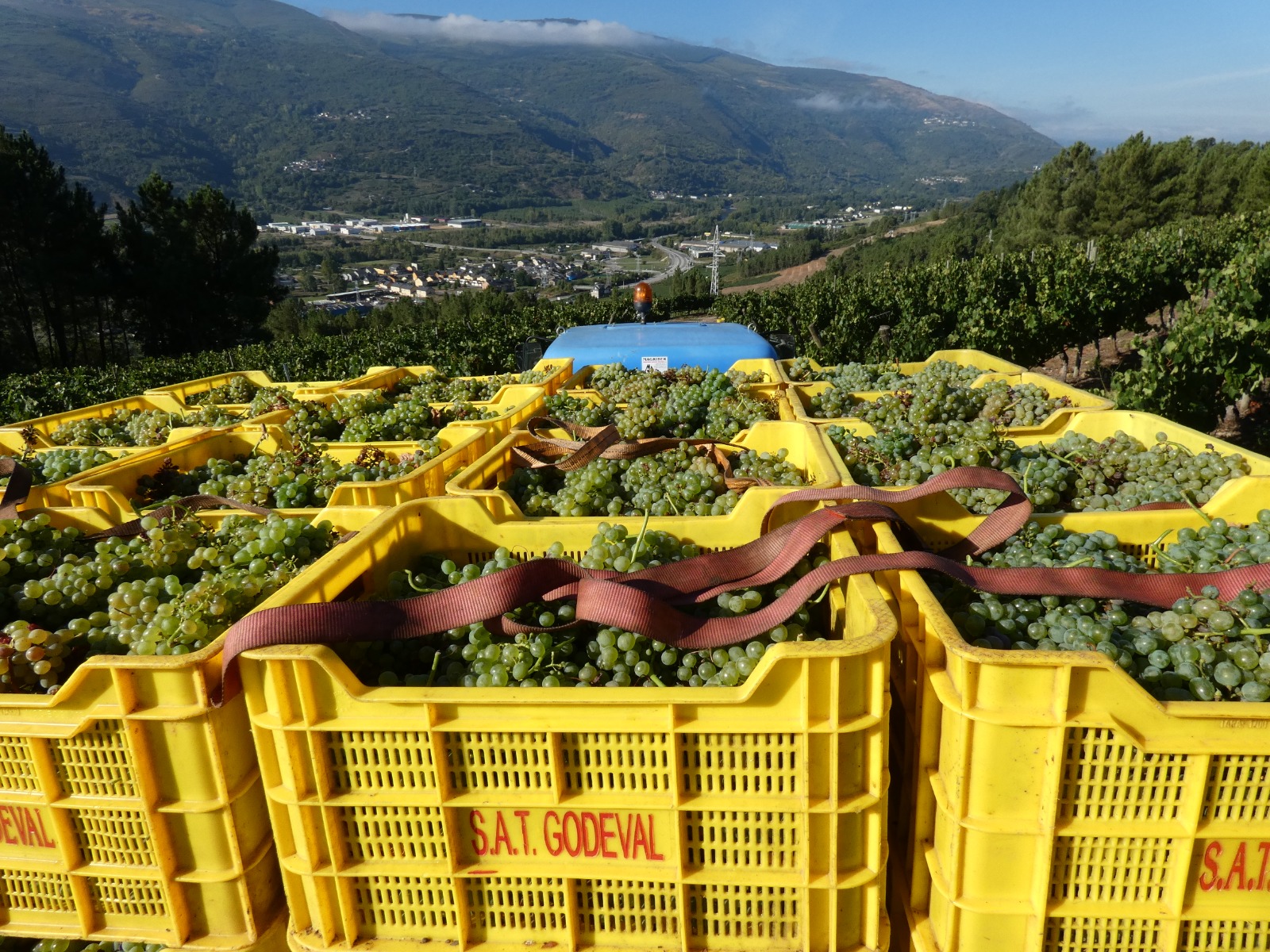
In this diversity of terrains, two single-varietal wines stand out above all. The most emblematic, the Godello white, has a fine fruity aroma, a yellow, golden or straw colour, and good structure on the palate, with an average alcohol content of 12.5º. Among reds, those made with Mencía stand out, of intense purple colour and elegant fruity aroma, light and flavourful, with a good alcohol-acidity balance, appetising and with an intense, lingering aftertaste.
The authorised grape varieties are: For the whites, preferably Godello, and also Dona Branca and Palomino or Jerez. For the reds, preferably Mencía and Sousón, although also Brancellao, Merenzao or María Ardoña, Negreda, Garnacha Tintorera, Alicante, Tempranillo and Grao Negro.
Experiences to enjoy in D.O. Valdeorras
Discover this winegrowing region that occupies a large part of the basins of the Sil, Xares and Bibei rivers.