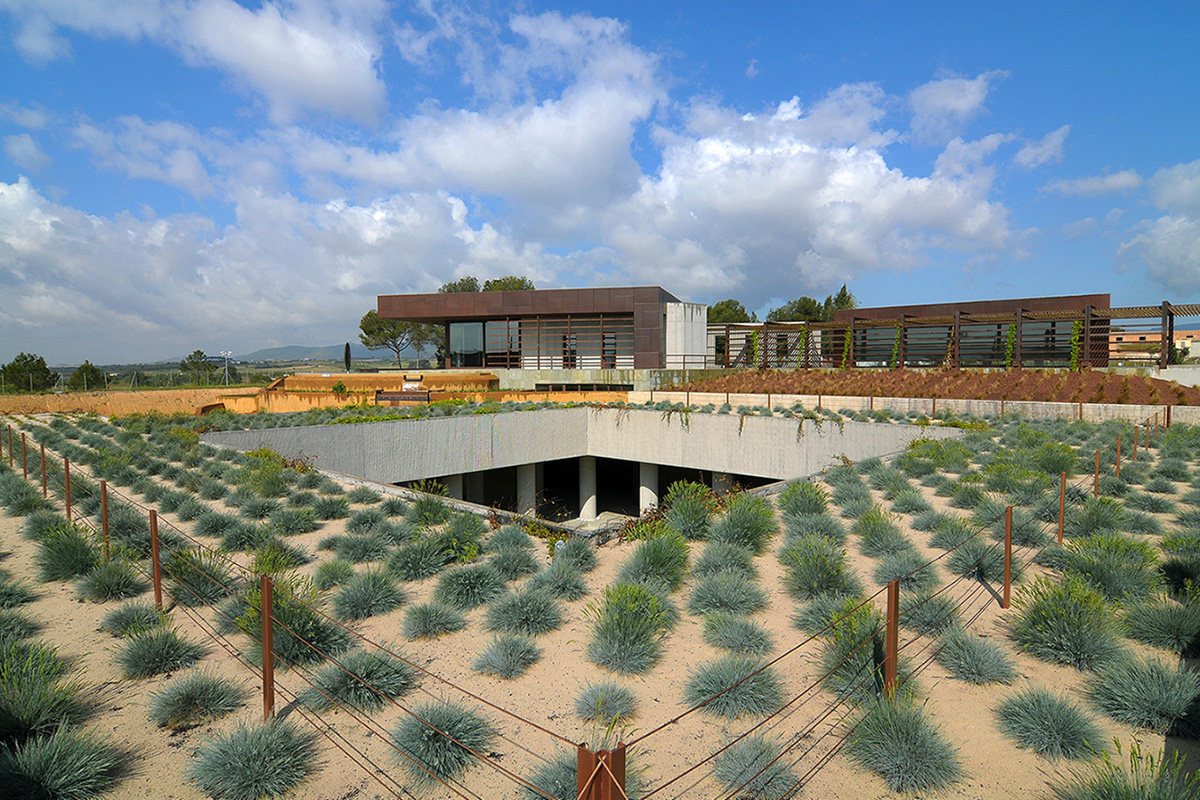
Wine tourism in D.O. Costers del Segre
The Costers del Segre Designation of Origin is a mosaic formed by seven territories spread along the entire basin of the river Segre and the Lleida Pyrenees, with the aim of bringing together and giving its own identity to the wine-growing of the province of Lleida.
A unique area for unique wines
Its inland character, far from the sea, meant that for centuries the area was removed from the trade routes, yielding wines with their own characteristic features.
Innovations in grape varieties and production methods. It was the first place in Catalonia where the cabernet sauvignon, merlot and chardonnay varieties were introduced, alongside the native varieties, and where Californian vinification techniques were adopted.
The land and the climate
Another feature is the great ingenuity and imagination of the winegrowers and winemakers of the Lleida lands. Costers del Segre is a region with a modernity and innovation applied to viticulture that is unique and sustainable.
Zones
The DO has its own well-defined characteristics that set it apart from the others, such as our privileged position of soils with a calcareous composition and a markedly Mediterranean climate, which presents strong seasonal and daily temperature swings, facts that make it ideal for growing the vine.
Microclimates
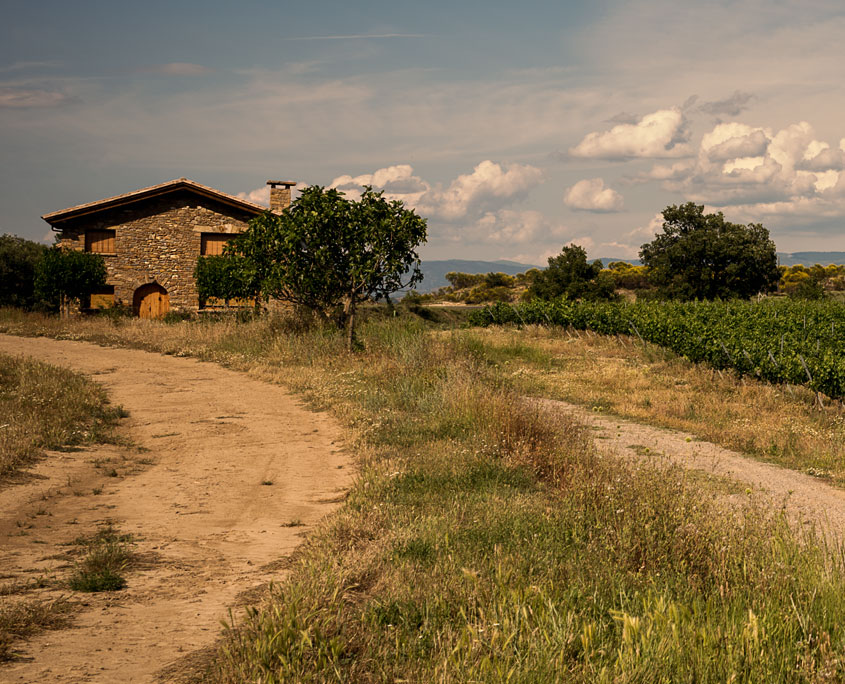
The area of the denomination is diverse, with inverted geological and climatic characteristics. The unifying link is the middle basin of the river Segre, between the Pyrenees and the Ebro, and the inland, dry climate, far from maritime influence and marked by high sunshine, scarce rainfall and the persistent humidity of winter fogs. The vines are located between 200 and 1,100 m in altitude. The soil is calcareous, partially covered with sand, with great uniformity throughout the denomination. The Artesa and Pallars sub-zones are the northernmost, with the highest-altitude vines and Pyrenean influence. Raimat, at the eastern end, has a gentle relief and a continental climate. The Segrià sub-zone is characteristic of dry-farmed lands. Garrigues and Valls del Riucorb are arid lands.
The arrival of phylloxera in Catalonia was in the year 1879, although in the province of Lleida it did not arrive until 1895 (in 1893 the first traces of the insect began to be found). In 1893 it is said to have affected the district of la Seu d'Urgell, but it was in 1895 that in Agramunt, Balaguer, Castell del Remei and, progressively across the whole western territory, the vineyard came to be affected. In 1896 the upper part of the Segarra were already victims of phylloxera. In the Conca de Tremp it arrived in June 1900 and had rapid and devastating effects. By 1901 it had already spread considerably.
After phylloxera, vine growing declined greatly. Thus, in 1909 the area planted with American vine (resistant to phylloxera) reached 15,161 hectares in the province of Lleida, of which 13,343 were replanting of phylloxera-affected lands and 1,818 were lands not previously devoted to the vine. The 102,920 non-reconstituted hectares were mostly given over to olive cultivation.
In the western area, the varieties destroyed by phylloxera were: Pinot, Samsó, Sumoll and Grenache. The varieties grafted onto American rootstock were: Monastrell, Macabeo, Trepat, Grenache and Sumoll. It was at this time that the French varieties were also imported, such as Cabernet Sauvignon.
WINE VARIETIES
CRIANZA
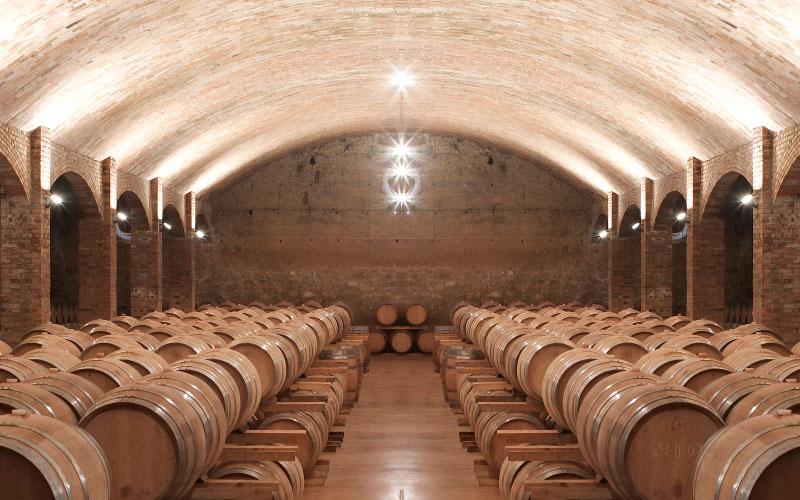
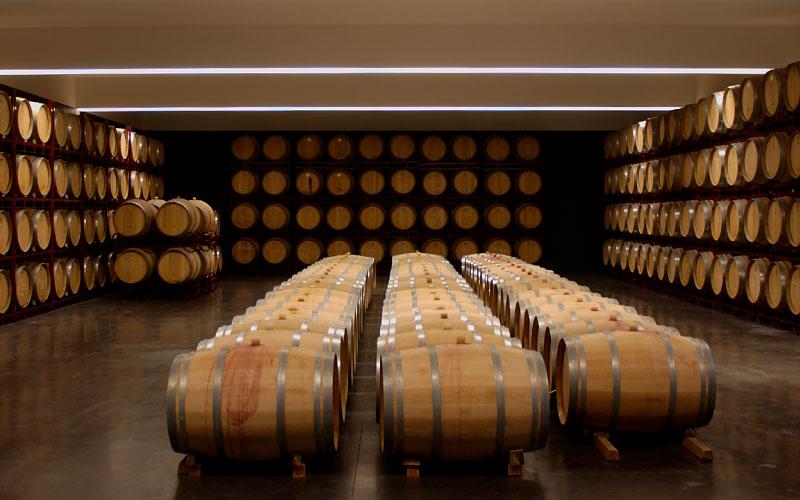
In order to use the term crianza, the ageing process shall be twenty-four months. For red wines this process shall have a minimum stay in oak wood butt of six months.For white and rosé wines the duration of this process shall not be less than eighteen months as a minimum, with a minimum stay in oak wood butt of six months.
RESERVA
In order to state the term reserva, the ageing process shall be as follows: For red wines the duration of this process shall not be less than thirty-six months, with a minimum stay in oak wood butt of twelve months and an ageing in bottle of twenty-four months.
For white and rosé wines the duration of this process shall not be less than twenty-four months, as a minimum, with a minimum stay in oak wood butt of six months and an ageing in bottle of eighteen months.
GRAN RESERVA
For the use of the term gran reserva, the ageing process shall be as follows:For red wines a stay in oak wood butt of twenty-four months, as a minimum, and an ageing in bottle of thirty-six months, as a minimum, shall be required.For white and rosé wines the duration of this process shall be, as a minimum, forty-eight months, with an ageing in oak wood, as a minimum, of six months and an ageing in bottle of forty-two months.
Experiences to enjoy in D.O. Costers del Segre
Discover this wine-growing region located along the basin of the river Segre and the Lleida Pyrenees