Wine tourism in D.O. Navarra
One of the main features that define the D.O. Navarra is the great diversity of landscapes and climates found in the more than 100 kilometres that separate the north of the area, located in the vicinity of Pamplona, from the south, set on the banks of the Ebro.
A unique region for unique wines
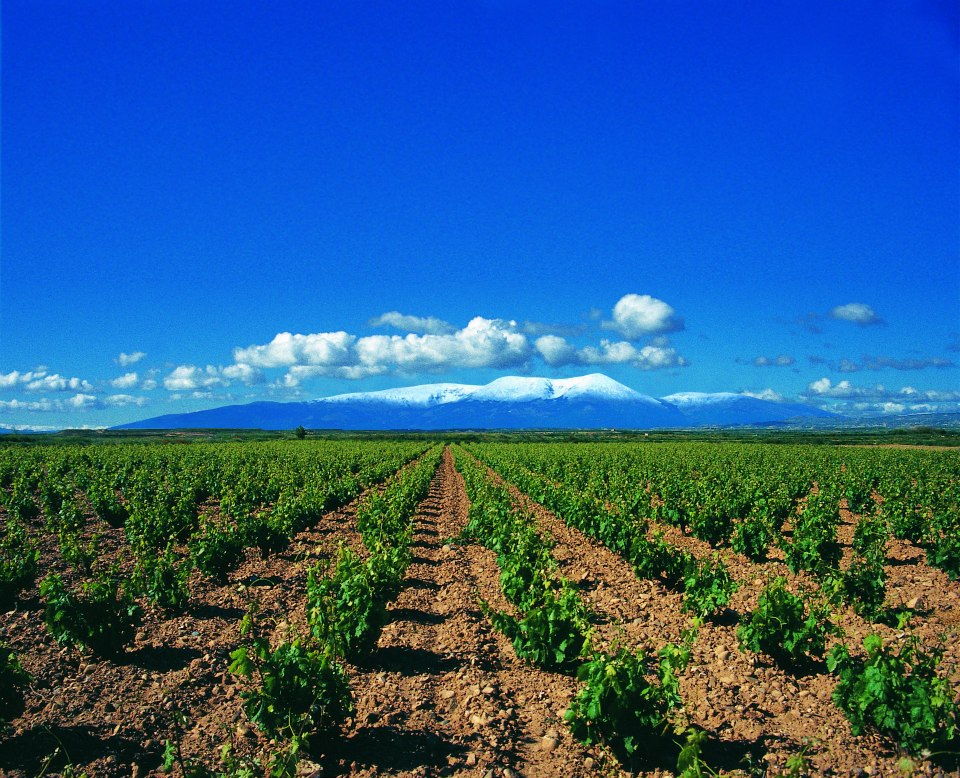
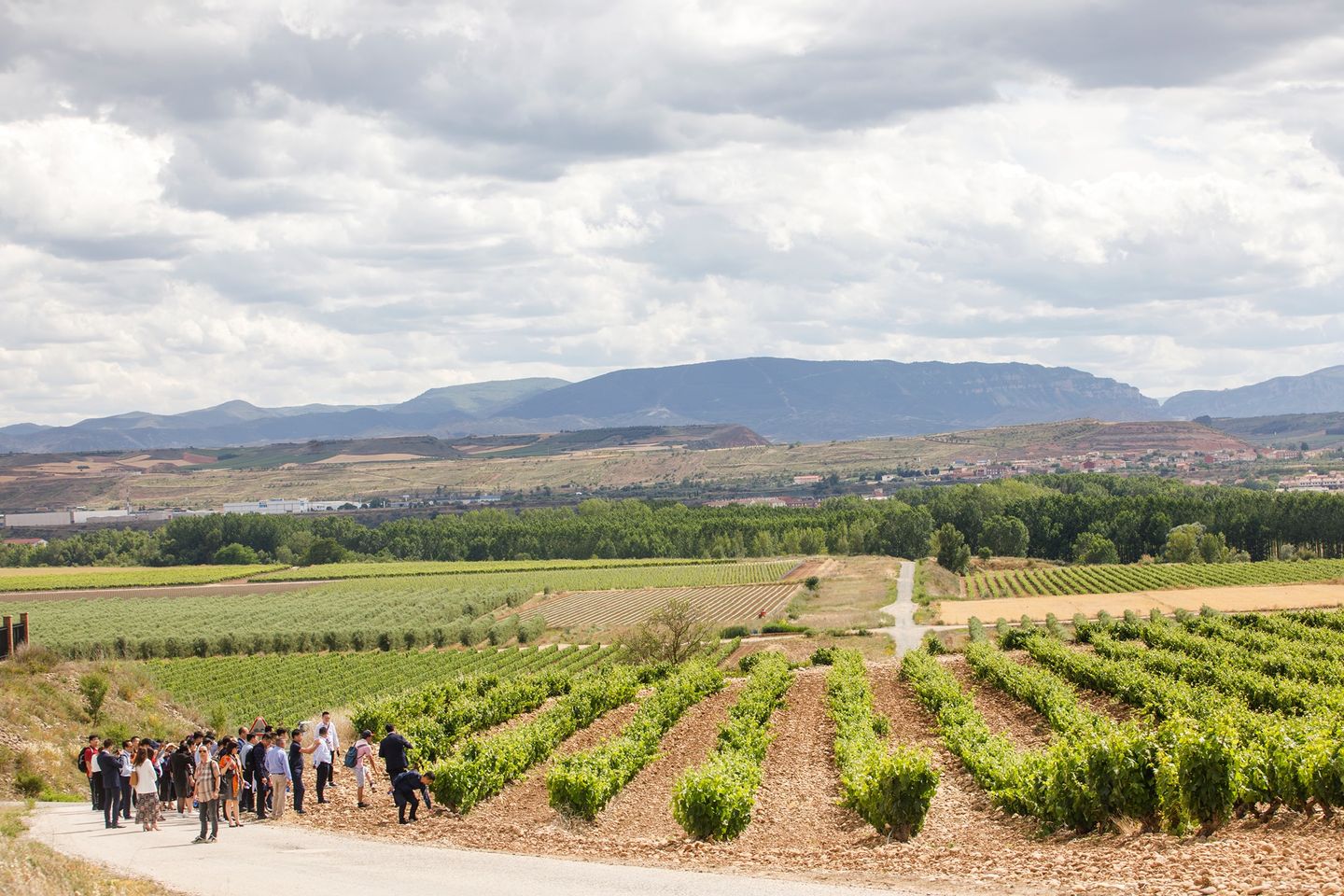
Indeed, in Navarra there occurs an exceptional situation, practically unique on the Iberian Peninsula: the confluence of the Atlantic, continental and Mediterranean climates. The proximity of the Cantabrian Sea, the influence of the Pyrenees and the mildness of the Ebro valley allow this varied climatology.
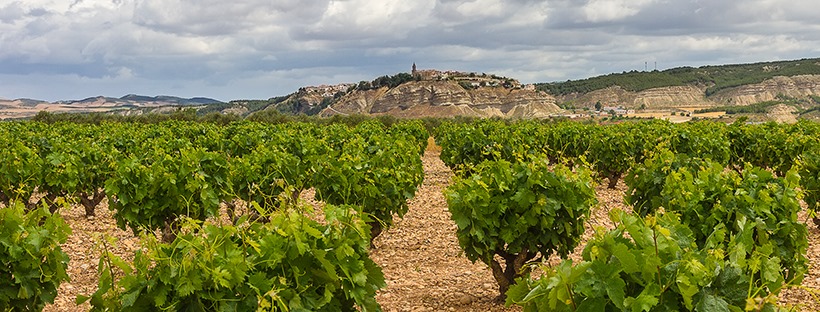
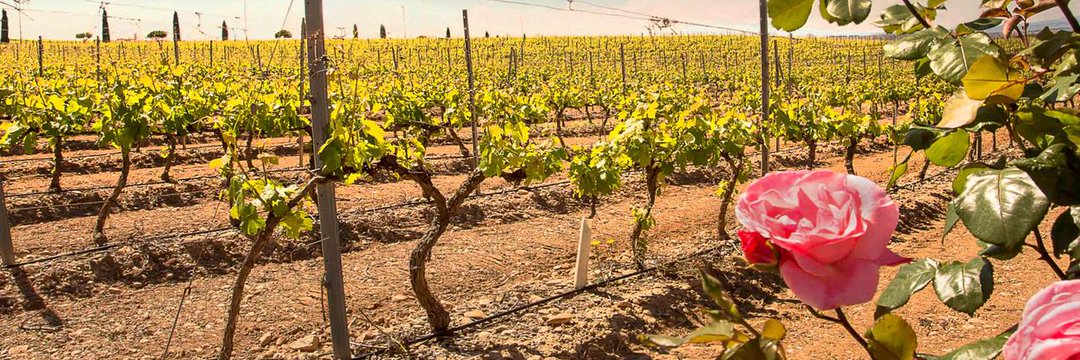
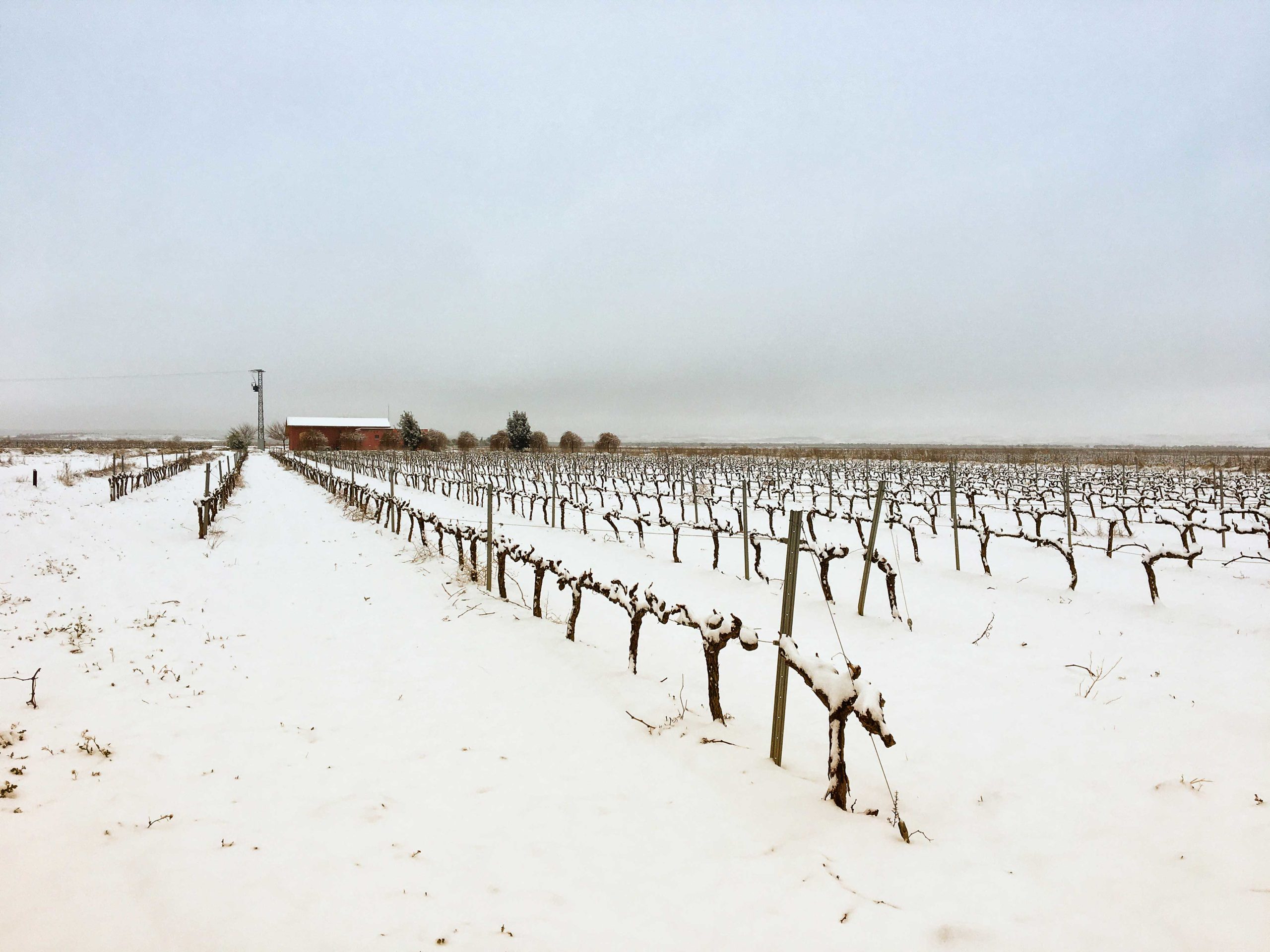
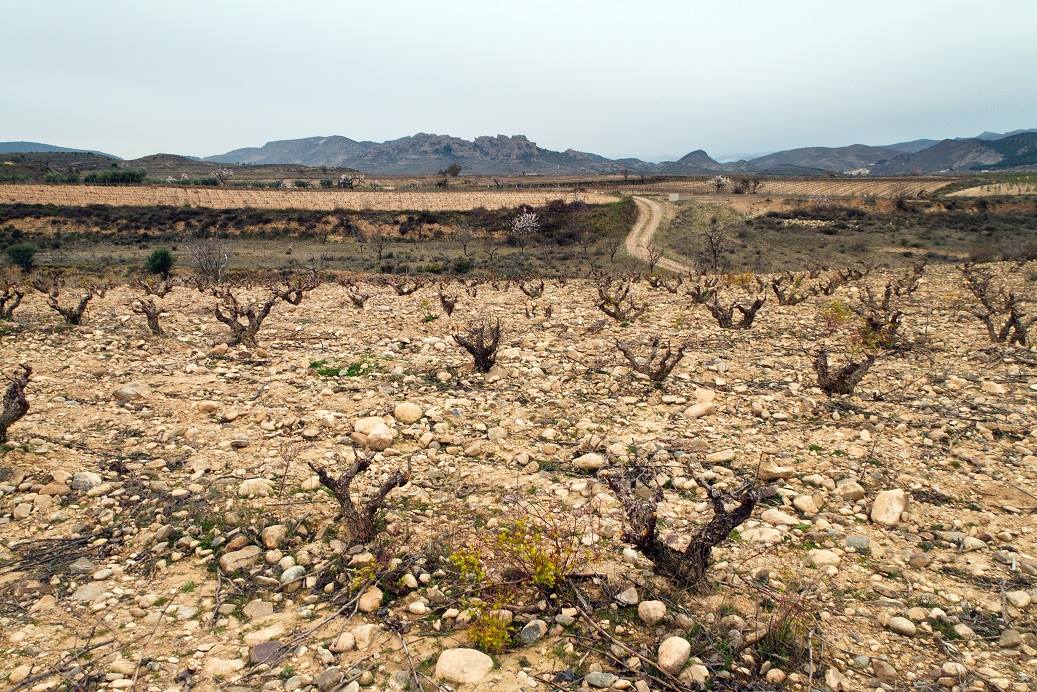
A circumstance that deeply marks the Navarrese landscape, where the more than 10,200 hectares of the Designation of Origin settle in all kinds of ecosystems and cultivation situations: hillsides, riverbanks, plateaus, plains, and which define 5 differentiated production areas: Baja Montaña, Valdizarbe, Tierra Estella, Ribera Alta and Ribera Baja.
The land and the climate
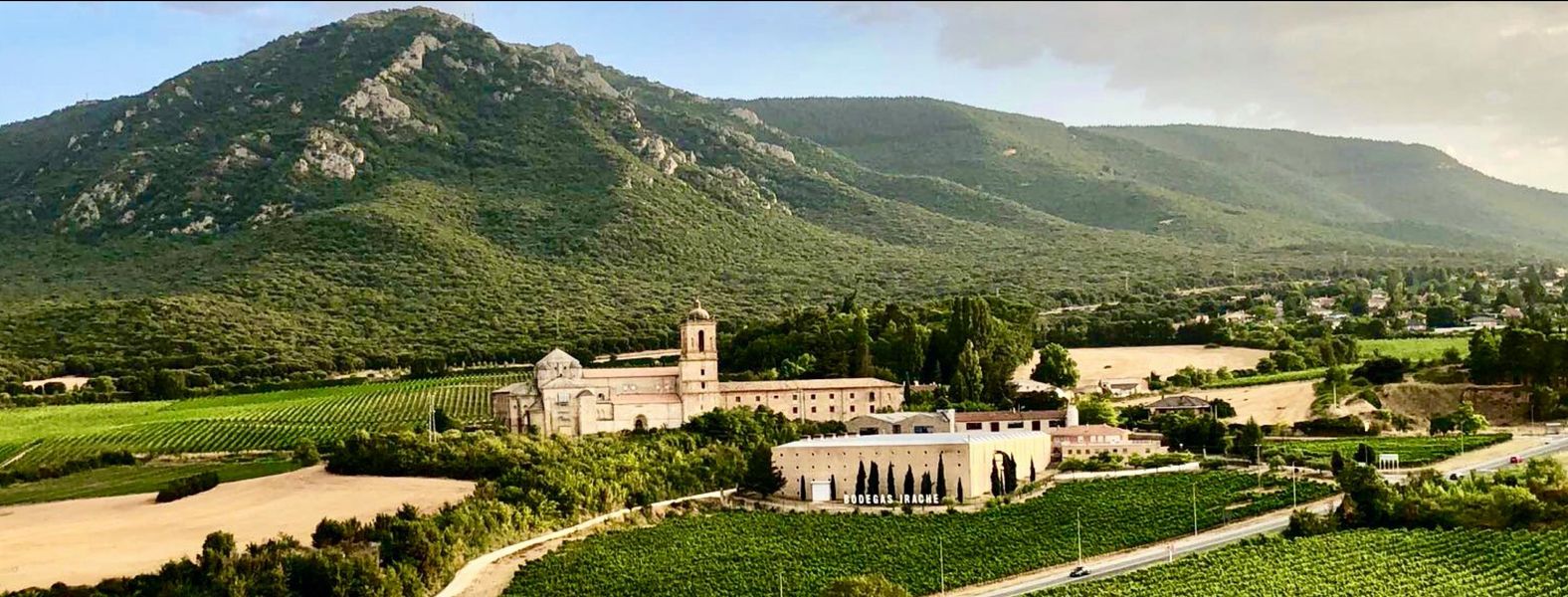
The municipal districts and councils of the D.O. Navarra are: Aibar, Cáseda, Eslava, Ezprogui, Gallipienzo, Javier, Leache, Lerga, Liédena, Lumbier, Sada, Sangüesa, San Martín de Unx, Ujué and the Councils of Arboniés and Domeño of the Romanzado Valley and those of Rípodas, San Vicente and Tabar of the Urraul Bajo Valley.
Zones
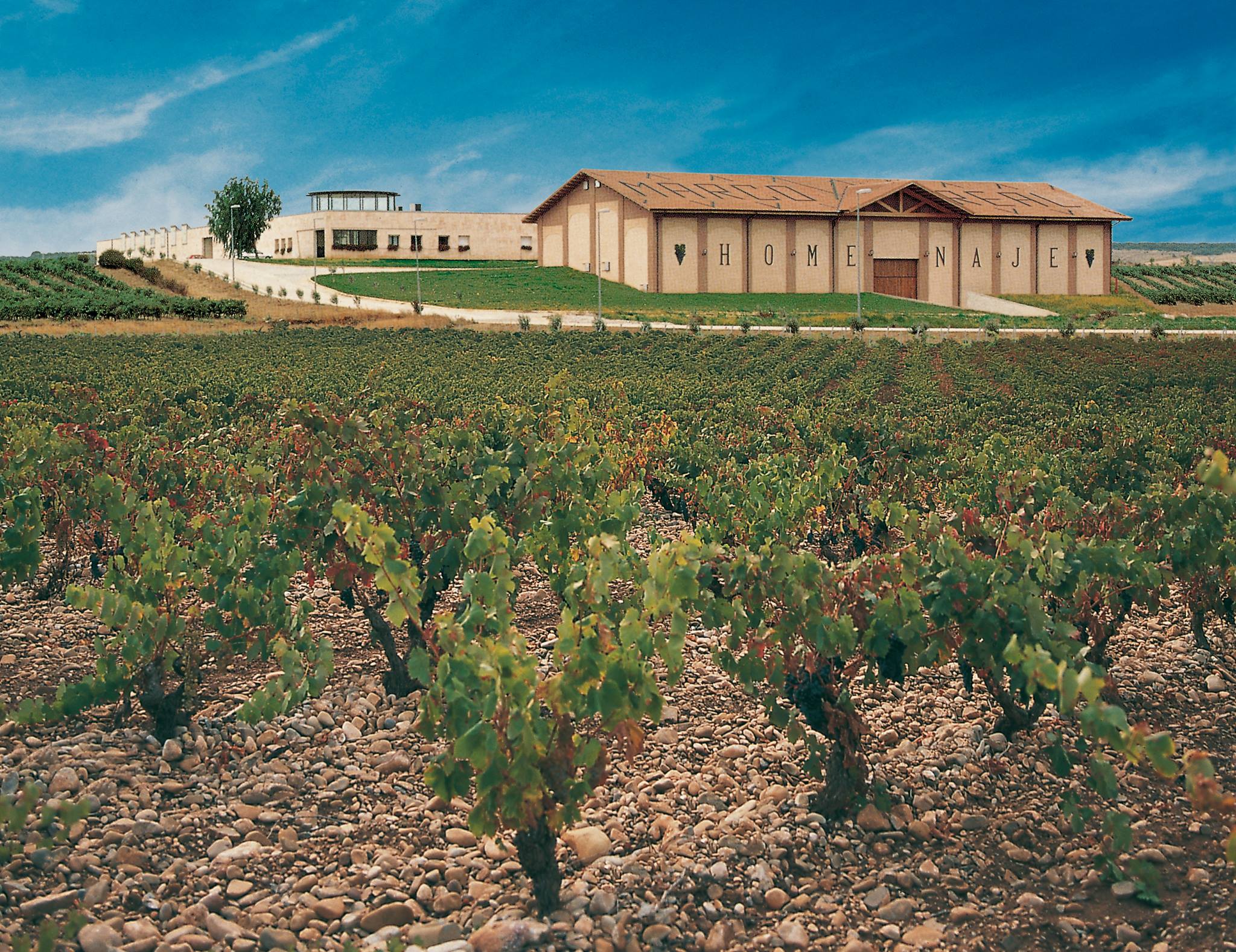
It encompasses soils developed on several types of relief and different materials. Thus, occupying hillsides, in the northernmost part are found soils of variable thickness, without stoniness, and heavy textures over the grey marls of the marine Eocene in the Lumbier basin. In the rest of the hillsides appear soils of variable thickness and stoniness, fine loamy or silty textures over alternations of marls and sandstones of the continental Tertiary of the Ebro valley. Finally, in the valley floors and remains of alluvial terraces of the Irati and Aragón rivers, that is, flat terrains frequently with abundant rounded gravel, the vine occupies deep soils, of loamy textures and excellent drainage.
Microclimates
Climatically it is situated between the sub-humid zone to the north and the upper dry zone to the south, with the average annual precipitation varying between 760 and 470 mm. Given the existing differences in altitude, the vegetative periods favourable for the vineyard range between the 205 days of Lerga and the 234 of San Martín de Unx. It is the zone with the greatest Pyrenean influence.
In the last two decades Navarrese wine began an evolution that has completely transformed it and has not stopped bearing fruit.
First, in the eighties foreign varieties were introduced such as the white chardonnay, and the reds cabernet sauvignon and merlot, which would begin to coexist with the traditional viura, tempranillo and grenache (the majority variety and great protagonist of the area). Varieties very well adapted to the region which, without sidelining the ever-living potential of the traditional grapes, have gone in search of a new expression.
Then, in the nineties, with the entry onto the scene of a handful of restless winemakers willing to turn the situation around, from a stance of demand and experimentation and with quality as the objective. Household names who land bringing new airs and a revolutionary oenological concept, while establishing themselves as worthy successors of the best of the wine tradition of the area. A phenomenon that does not cease and that today translates into the incorporation of new wineries with projects based on terroir and originality.
Experiences to enjoy in D.O. Navarra
Discover this wine-growing region located in Navarra.