Wine tourism in D.O. TORO
In the 1970s the first steps were taken to create what would in time become the Toro Denomination of Origin, culminating in 1987. Today the Regulatory Council of the Toro Denomination of Origin guarantees the quality of 63 wineries.
The evolution it has undergone over recent decades has made them protagonists of the ferment stirred up by wine critics both nationally and internationally.
A unique area for unique wines
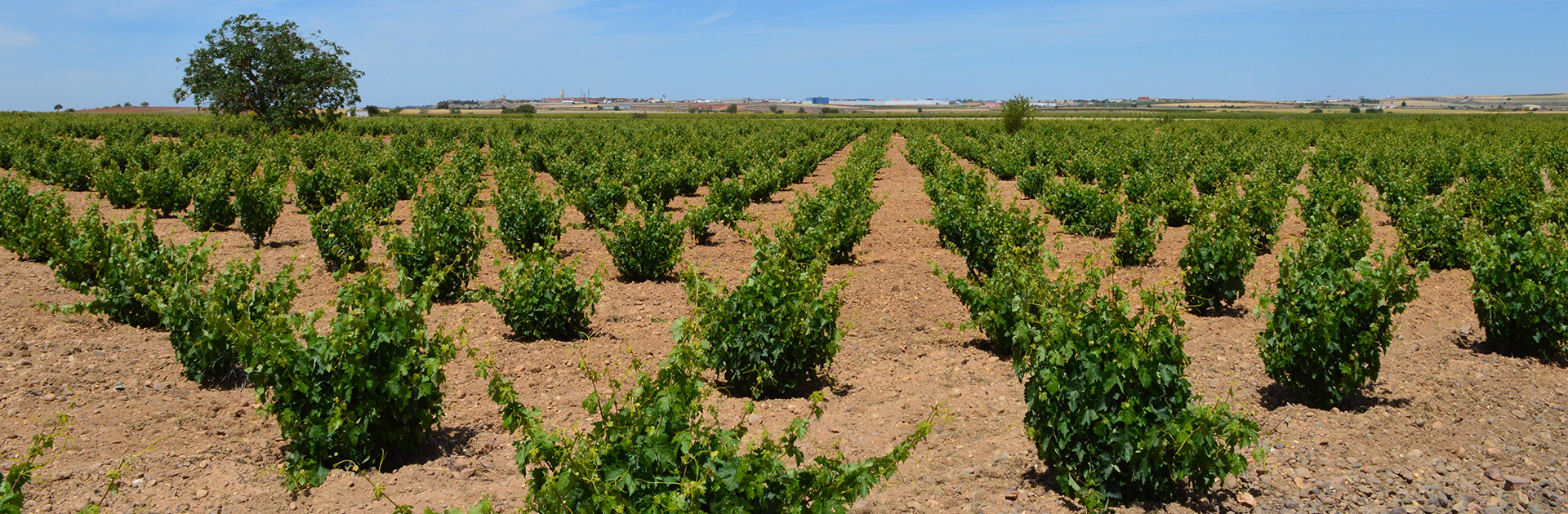
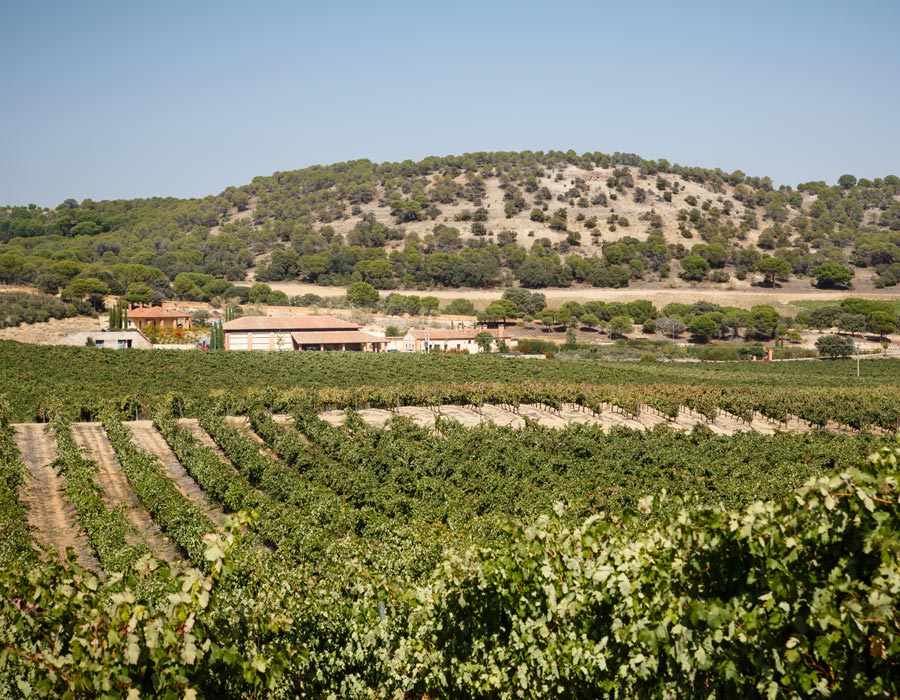
The province of Zamora is located at the western end of the Castilla y León region. The production area of the wines protected by the D.O. Toro is located in the south-east of the province of Zamora and the south-west of the province of Valladolid. It comprises part of the natural counties of Tierra del Vino, Valle del Guareña and Tierra de Toro and borders the moorlands of Tierra del Pan and Tierra de Campos.
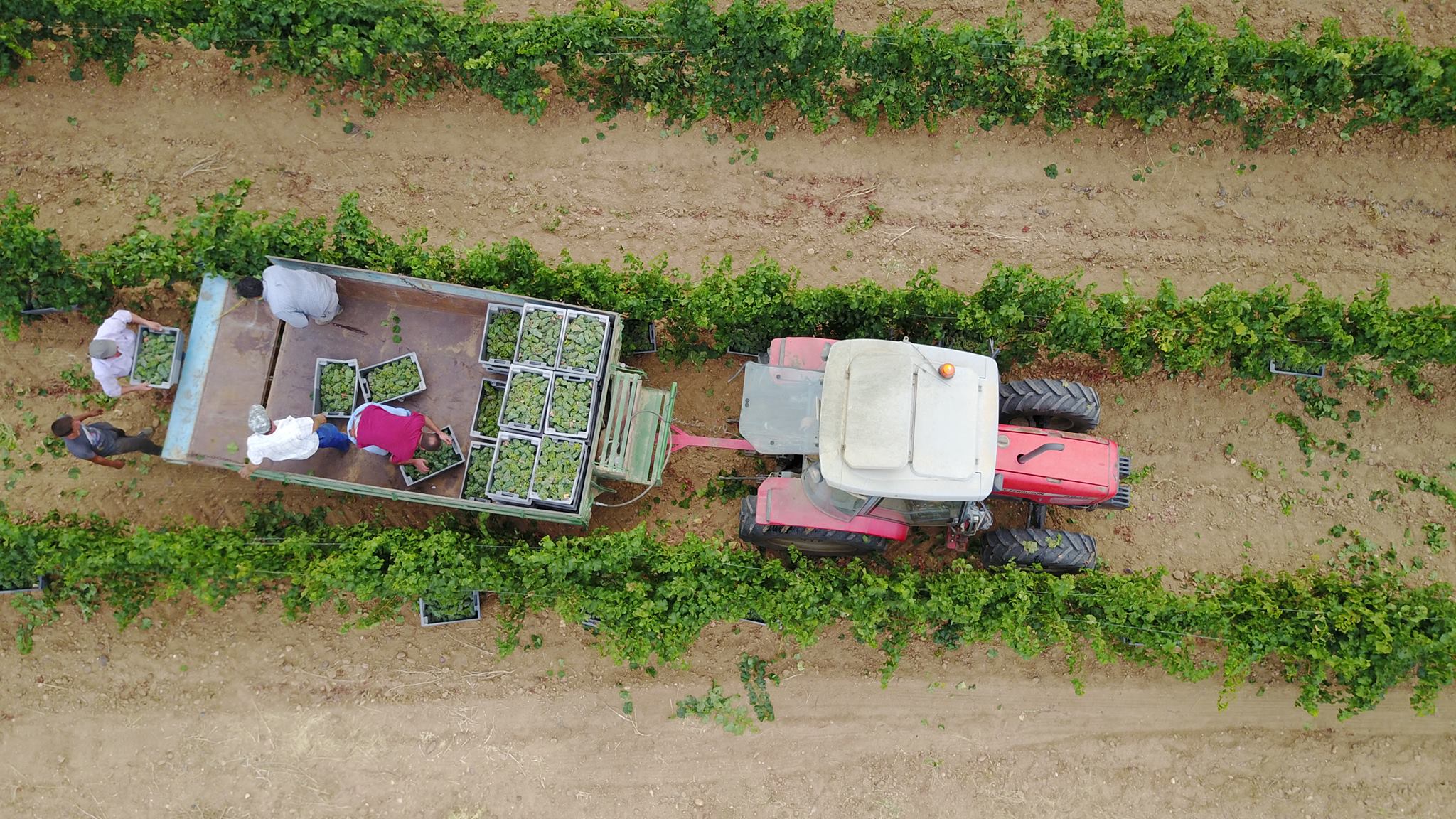
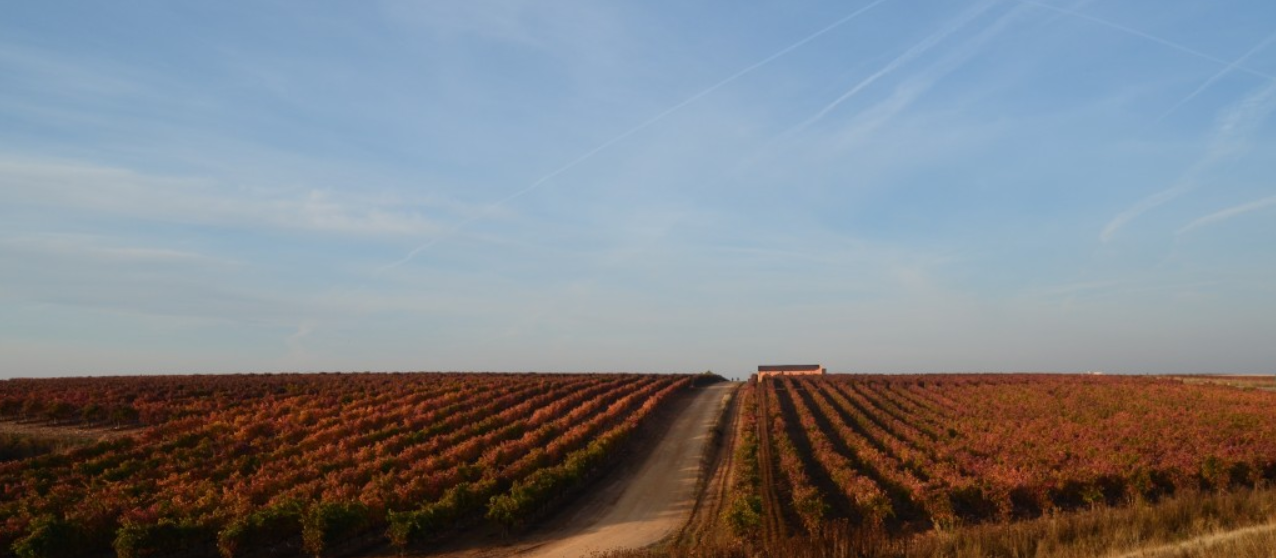
The total extent of the area covered by the D.O. Toro spans 62,000 hectares of land; the area devoted to vineyard is 8,000 hectares, of which 5,376 are registered with the Regulatory Council, belonging to 1,019 registered winegrowers.
The land and the climate
The production area of the wines protected by the D.O. Toro is located in the south-east of the province of Zamora and the south-west of the province of Valladolid. It comprises part of the natural counties of Tierra del Vino, Valle del Guareña and Tierra de Toro and borders the moorlands of Tierra del Pan and Tierra de Campos.
Zones
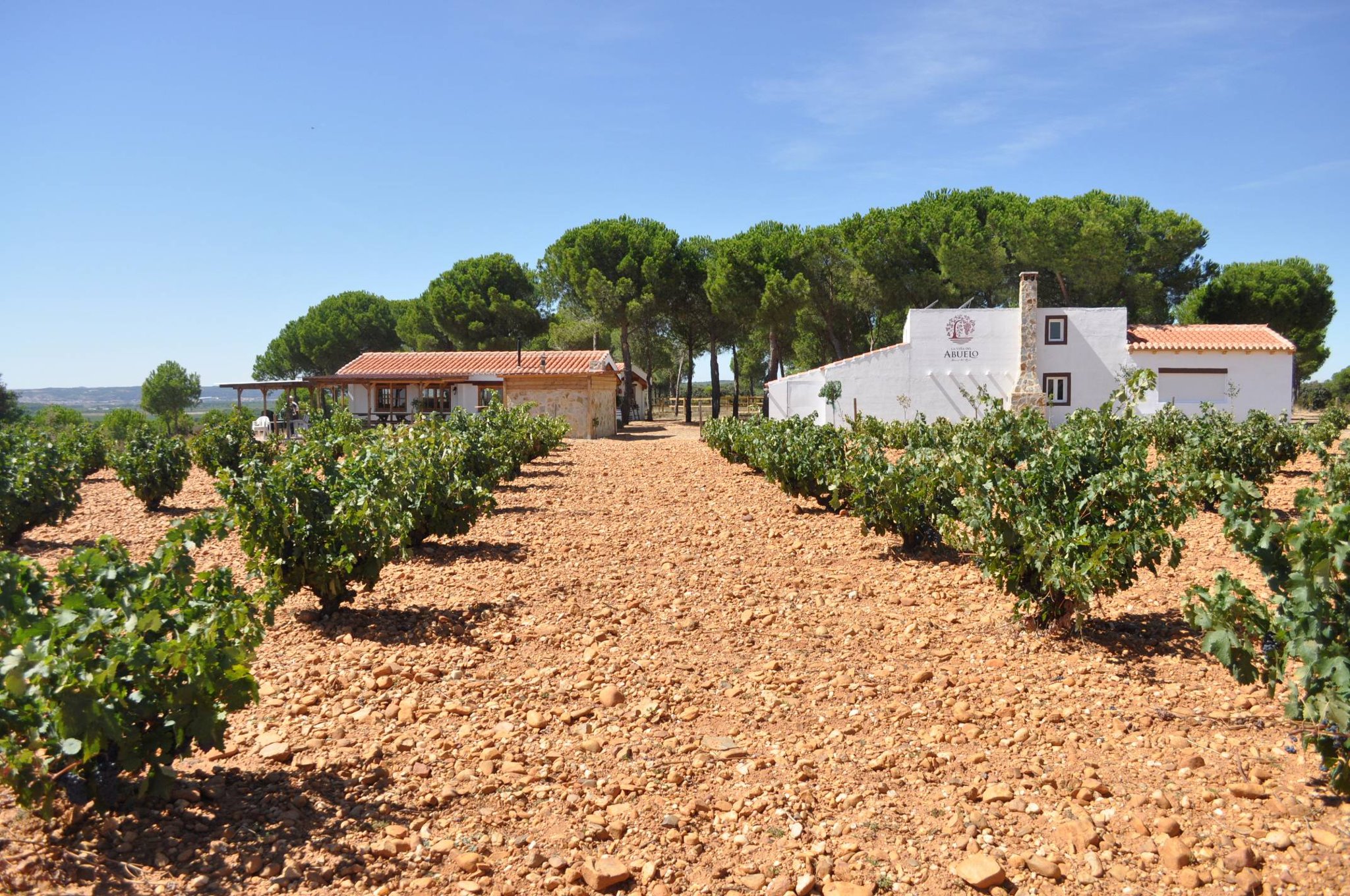
The soil is formed of sediments of sandstones, clays and Pliocene calcareous puddingstones, which on the surface give rise to brown calcareous soils over unconsolidated material. They alternate from silty materials to coarse- and fine-grained sandstones with levels of limestones and detrital marls formed during the Miocene.
The altitude of the vineyards is between 620 m and 750 m, these soils belonging to the Tertiary Era.
Microclimates
The area of this Denomination is characterised by a continental and extreme climate with Atlantic influences, of an arid nature.
All these climatic conditions —extreme cold in winter, a great number of hours of sun, etc.— give exceptional quality to the grape, which is essential for making good wines.
The commitment to quality entails compliance with strict current regulations, dictated by the Regulations governing the Toro Denomination of Origin. These regulations cover the entire process with specific rules ranging from the establishment of the vineyard and its cultivation practices to the marketing of the bottled product; detailing in each case rules on the qualification of the protected product, labelling, harvesting, production and dispatch of the product, etc., which as a whole guarantee the origin and certification of the product.
The red wines are made mainly with the Tinta de Toro variety, always seeking the degree of ripeness necessary to obtain wines where the balance of their components results in the remarkable quality of the wines.
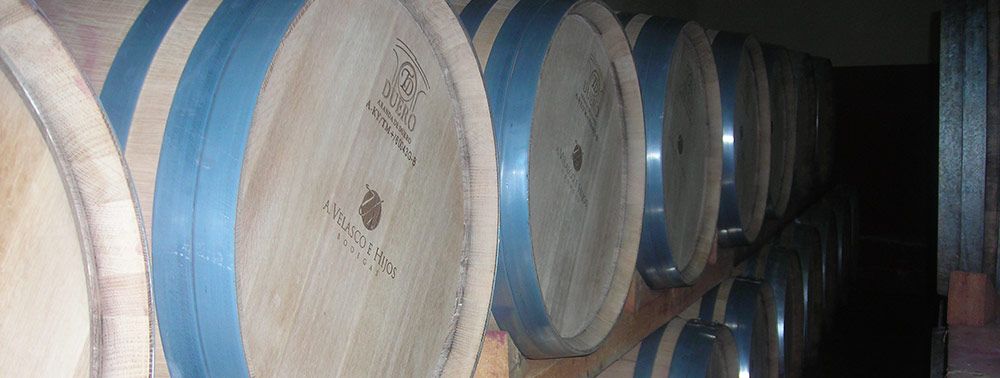
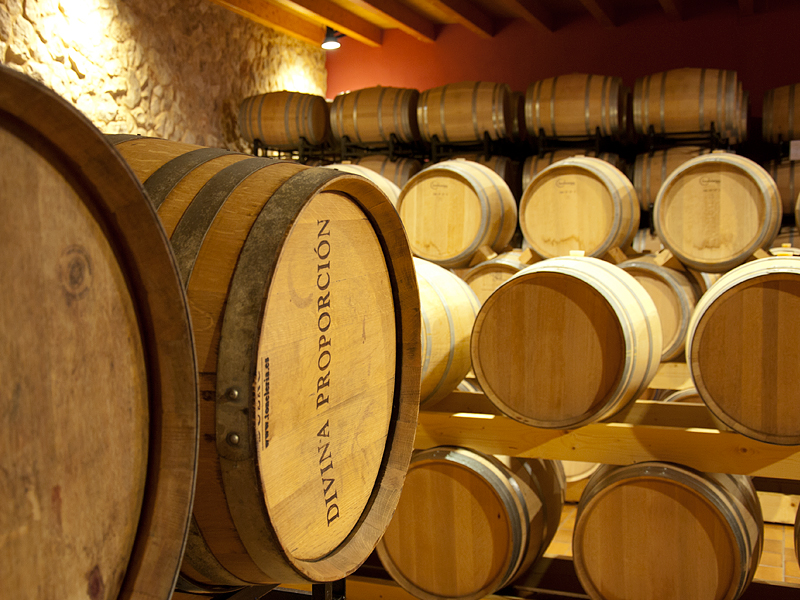
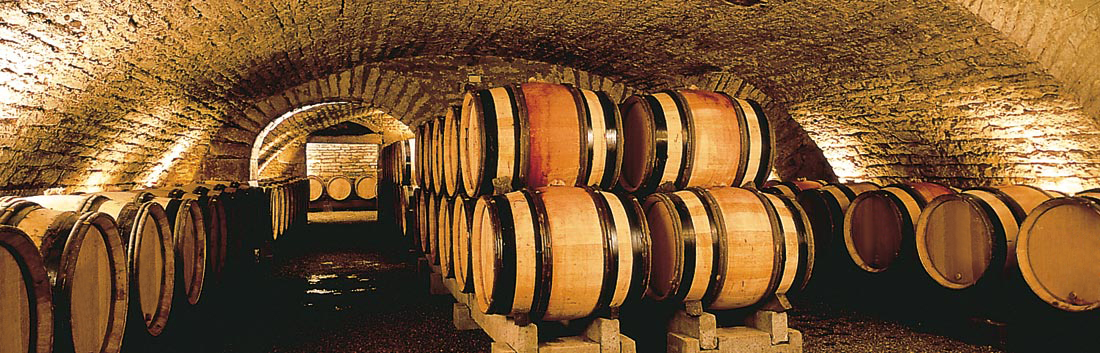
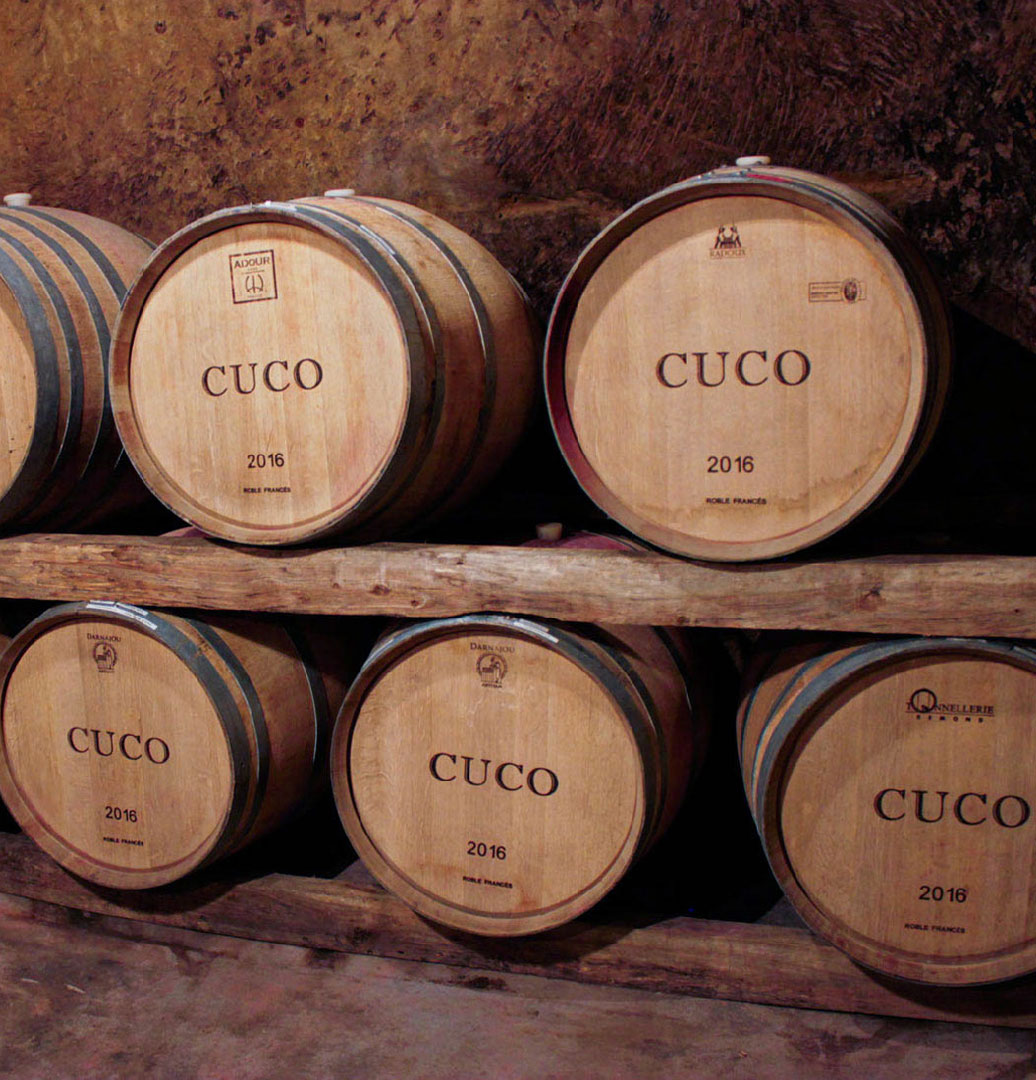
The destemmed grape is vatted in tanks where it will ferment in the presence of the skins for a time that will depend on the type of wine to be obtained. Thus the young wines will have shorter vattings and the wines destined for ageing in Bordeaux oak barrels will have longer macerations, an extraction that the barrel will tame over time, enhancing their longevity.
TINTA DE TORO
The autochthonous variety par excellence, of whose origins there is scarcely any information. It is considered that it was the Romans (210 BC) who were the true promoters of viticulture in the Duero basin, invading the previously Vaccaean territory and totally destroying the city under the orders of the Carthaginian general Hannibal.
On 11 January 1505 the 83 laws were proclaimed in Toro, this being the seat of the Cortes; a city that centuries later would consolidate itself as the provincial capital. Numerous documents throughout these years order, regulate and recognise the cultivation of the vine and its economic importance in the city. Toro wine travelled to the new world, christening its discovery, owing to characteristics that made it last and keep during such long voyages.
After the phylloxera invasion in Spain in 1870, vine cultivation underwent a great reconversion, and it is in Toro where the Tinta de Toro variety anchors its roots in loose, well-drained sandy soils, the propagation of the vineyard on its own rootstock being preserved to our days. At this date Toro had its own Oenological Station located in the city, providing technical services to the winegrowing demands of the time. On 26 May 1933 Toro was granted the Denomination of Origin for the first time. (Published in the Gaceta on 4 June 1933)
In 1990 the Junta de Castilla y León became involved in a plan of clonal and sanitary selection of the vine, rescuing and propagating the autochthonous varieties of the Community, among them the Tinta de Toro, which at this time enjoys the certification seal as an autochthonous variety, with its own name, with well-defined agronomic and ampelographic characteristics. Its trade is dispatched with a blue label and its corresponding clone number.
Experiences to enjoy in D.O. Toro
Discover this wine-growing region between Zamora and Valladolid.