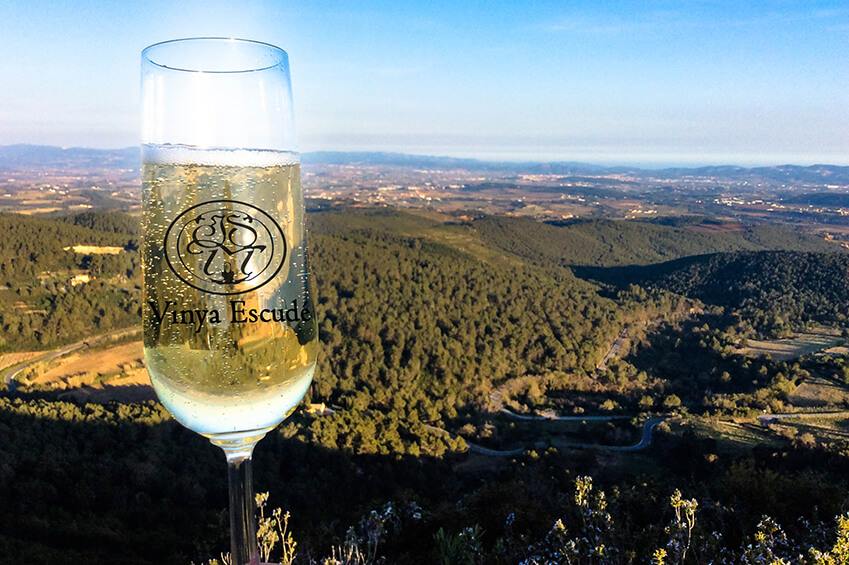
Wine tourism in D.O. Cava
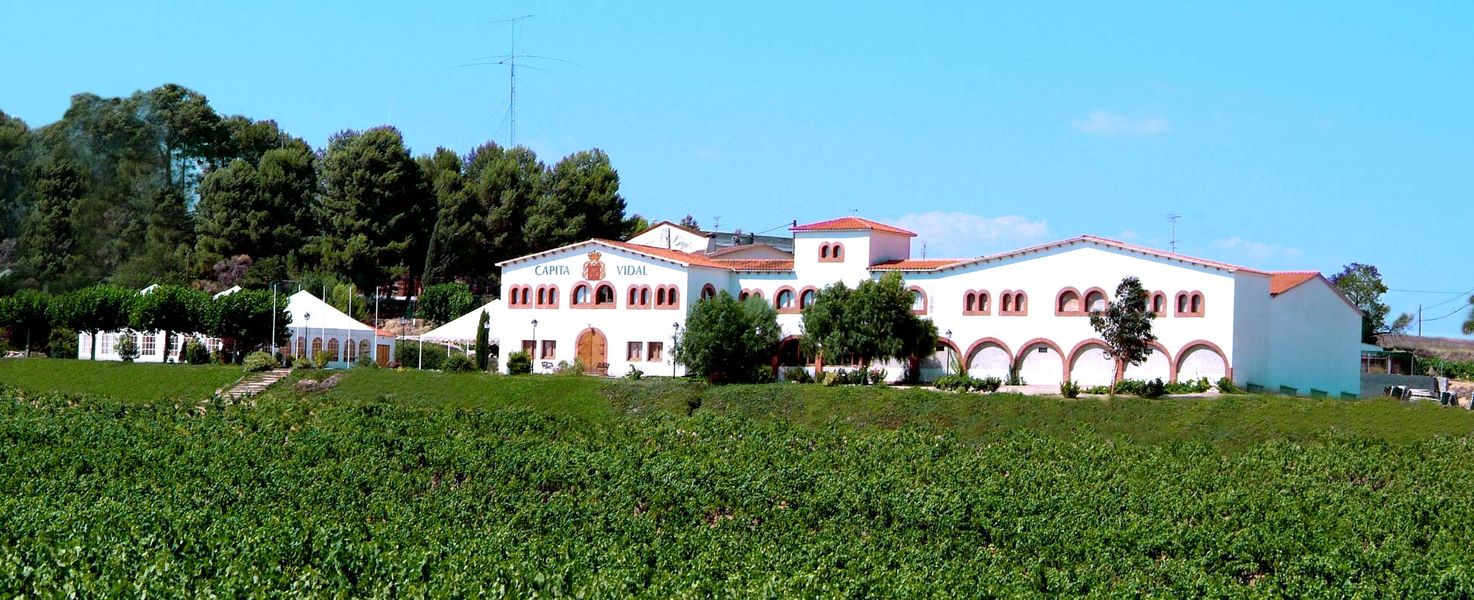
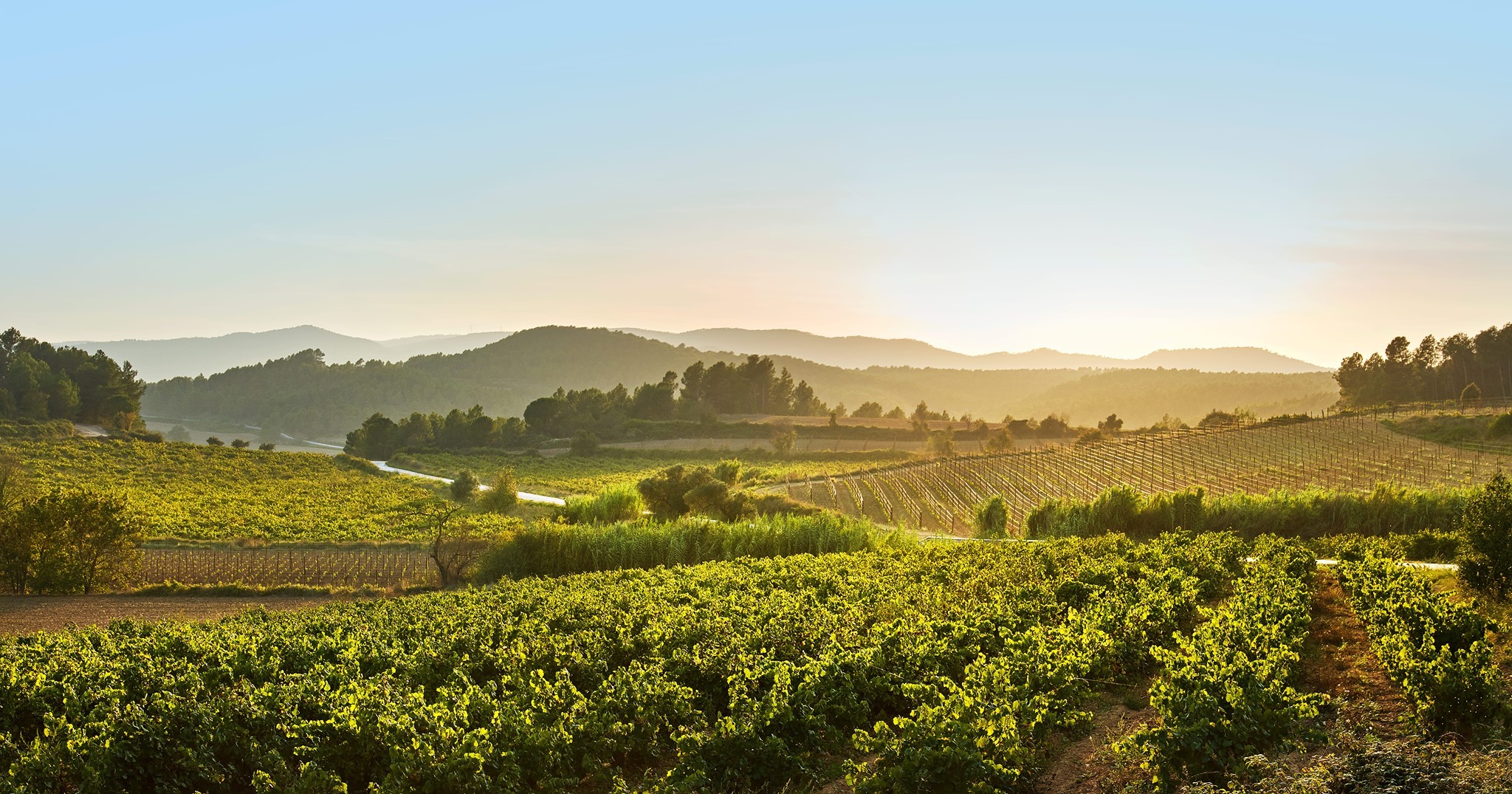
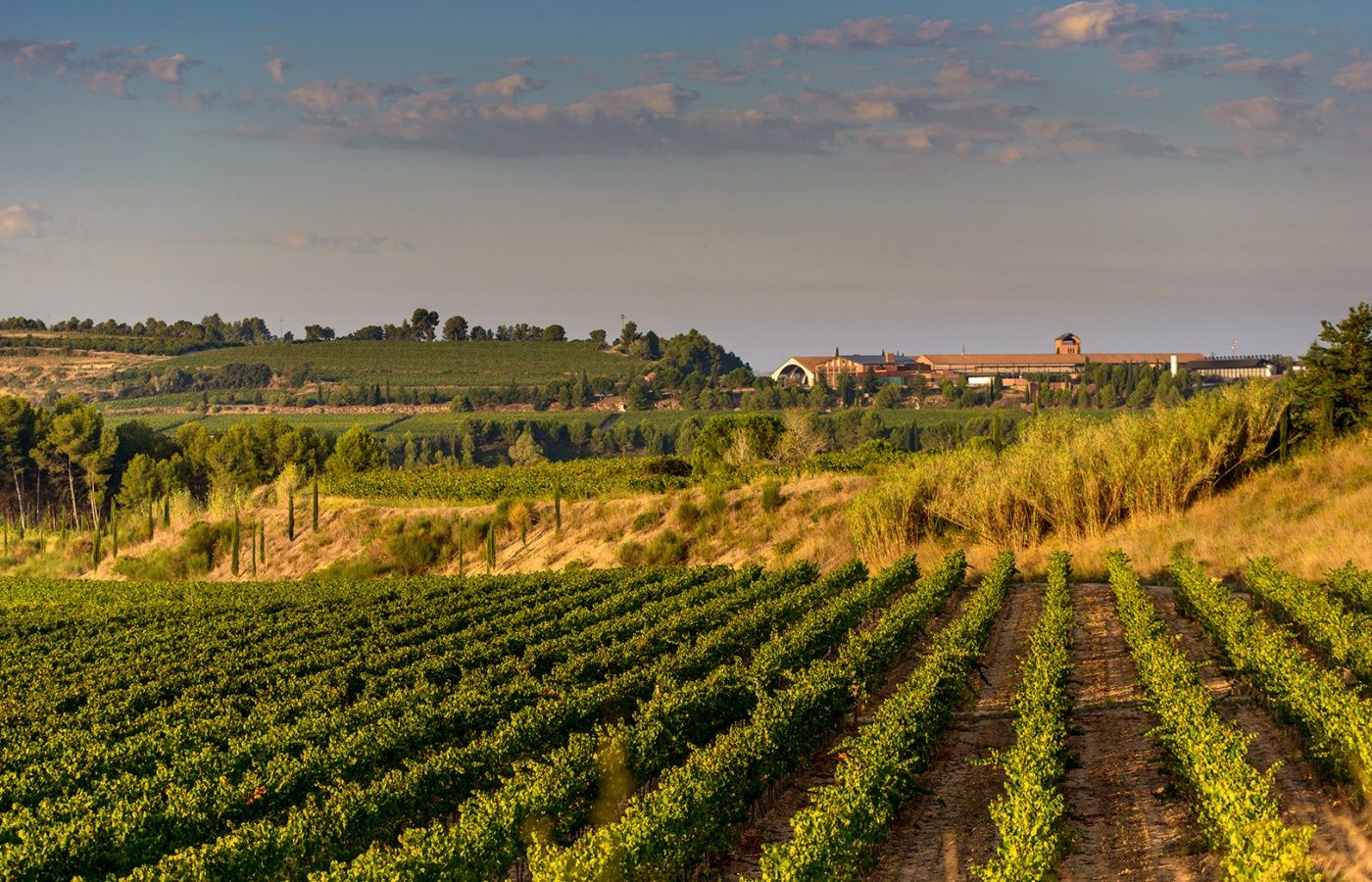
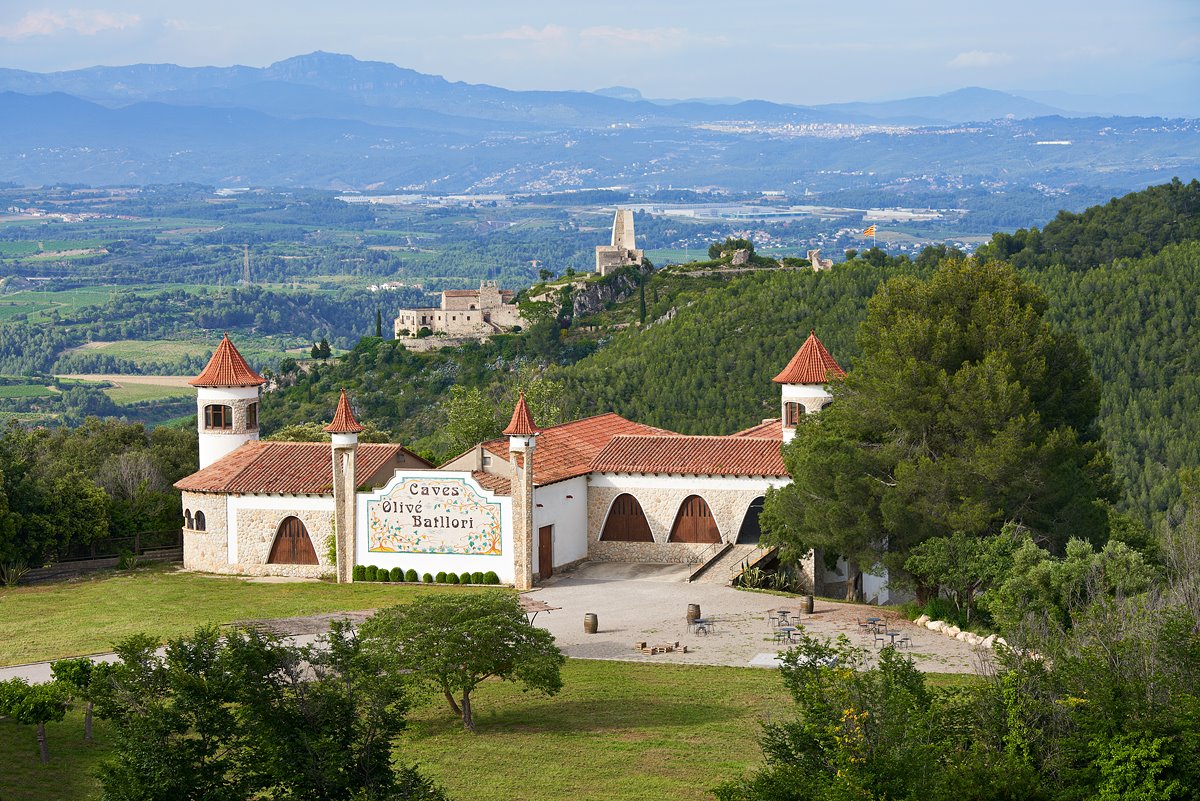
Cava has its origins in the Penedés wine-growing area, particularly the municipality of San Sadurní d’Anoia, known as the capital of Cava, and its surroundings. However, for historical reasons, we can also find some municipalities in other areas where Cava may be produced
UNIQUE ZONES for unique cavas
For a better identification of the different specific territories of the Cava Designation of Origin, a total of four distinct zones can be highlighted:
- Comtats de Barcelona
- Ebro Valley
- Vineyards of Almendralejo
- Levante Zone
Comtats de Barcelona
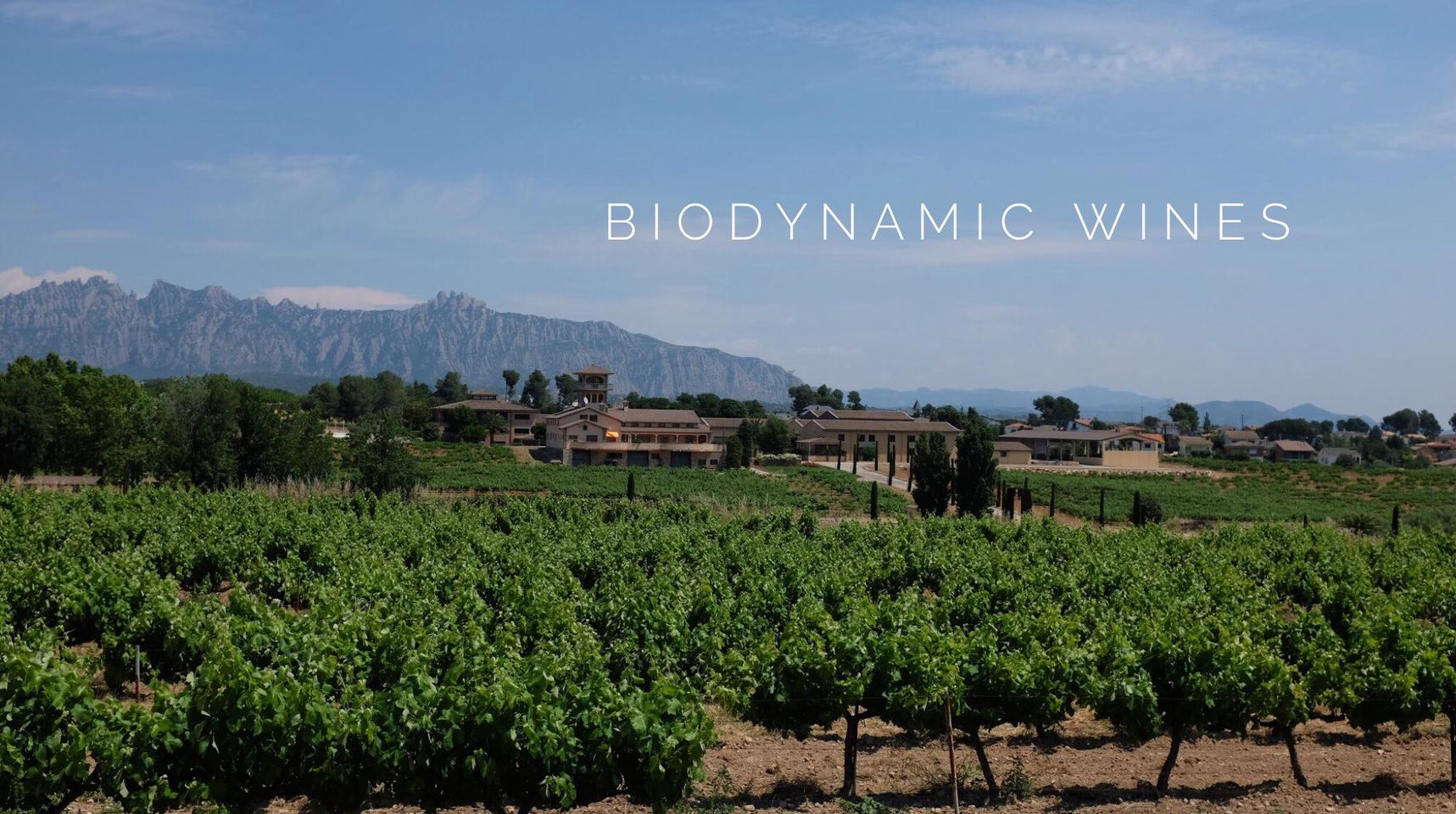
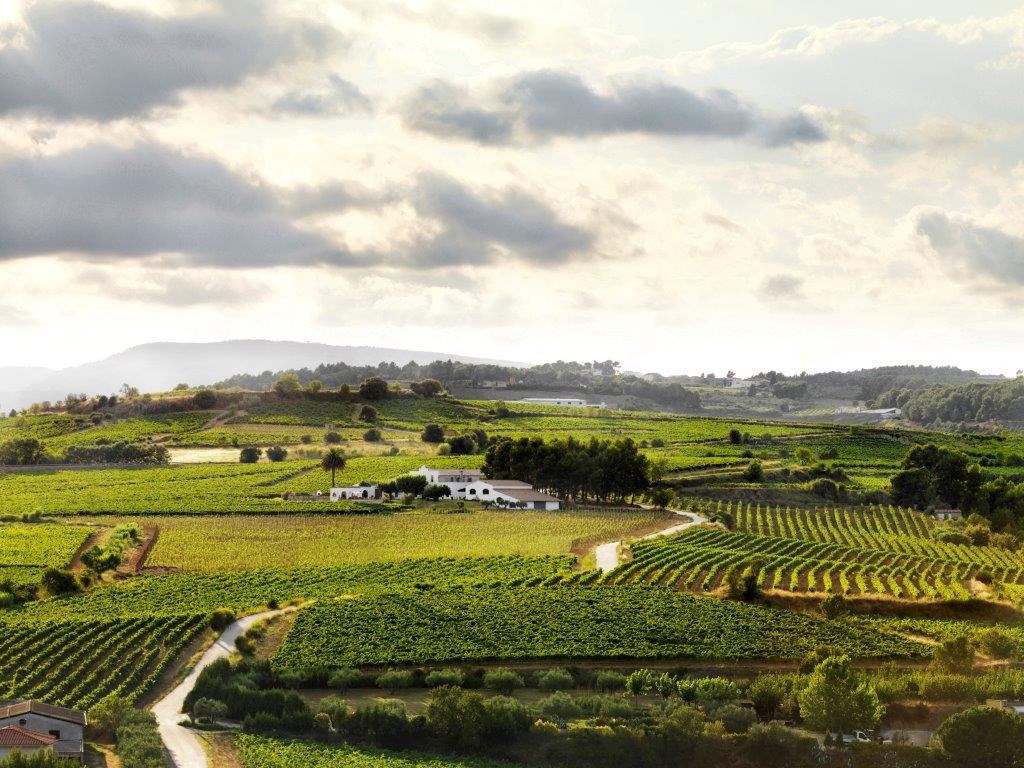
Comtats de Barcelona is the zone that concentrates more than 95% of Cava production. In it lies the beating heart of Cava, with the municipality of Sant Sadurní d’Anoia as its reference point, considered the “capital of Cava”, where in 1872 the first bottles of Cava began to be produced.
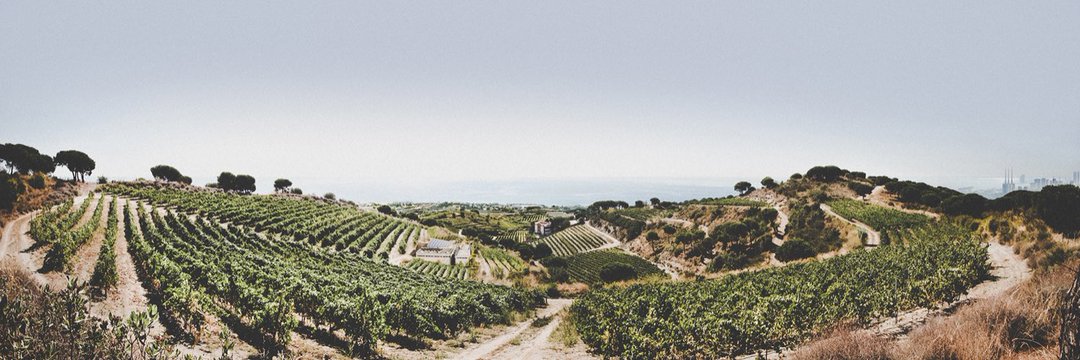
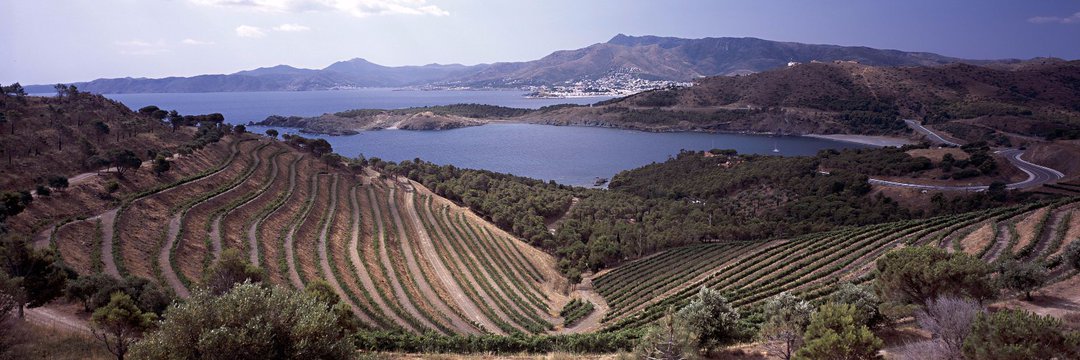
Geographically, Comtats de Barcelona is located in Catalonia, in the northeast of Spain, caressed by the Mediterranean Sea and around the iconic and cosmopolitan Catalan capital of Barcelona.
Ebro Valley
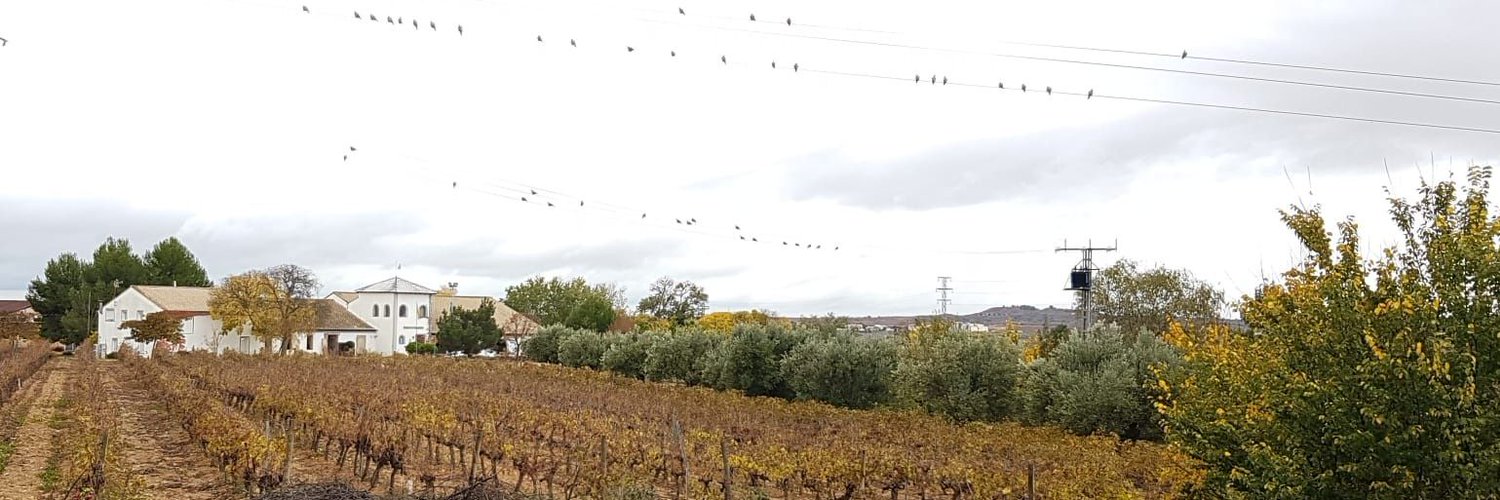
The Ebro Valley zone encompasses the vineyards for Cava located in the northernmost part of the Designation of Origin, and is made up of municipalities and territories characterised by the proximity and influence of the Ebro river.
In general, being a territory located in the interior of the peninsula, the climate in this zone is temperate with a continental climate influence, so that the winters are quite cold while the summers are hot and dry.
It is divided into two subzones, taking into account their location and their unique microclimatic conditions: Upper Ebro and Cierzo Valley.
Vineyards of Almendralejo
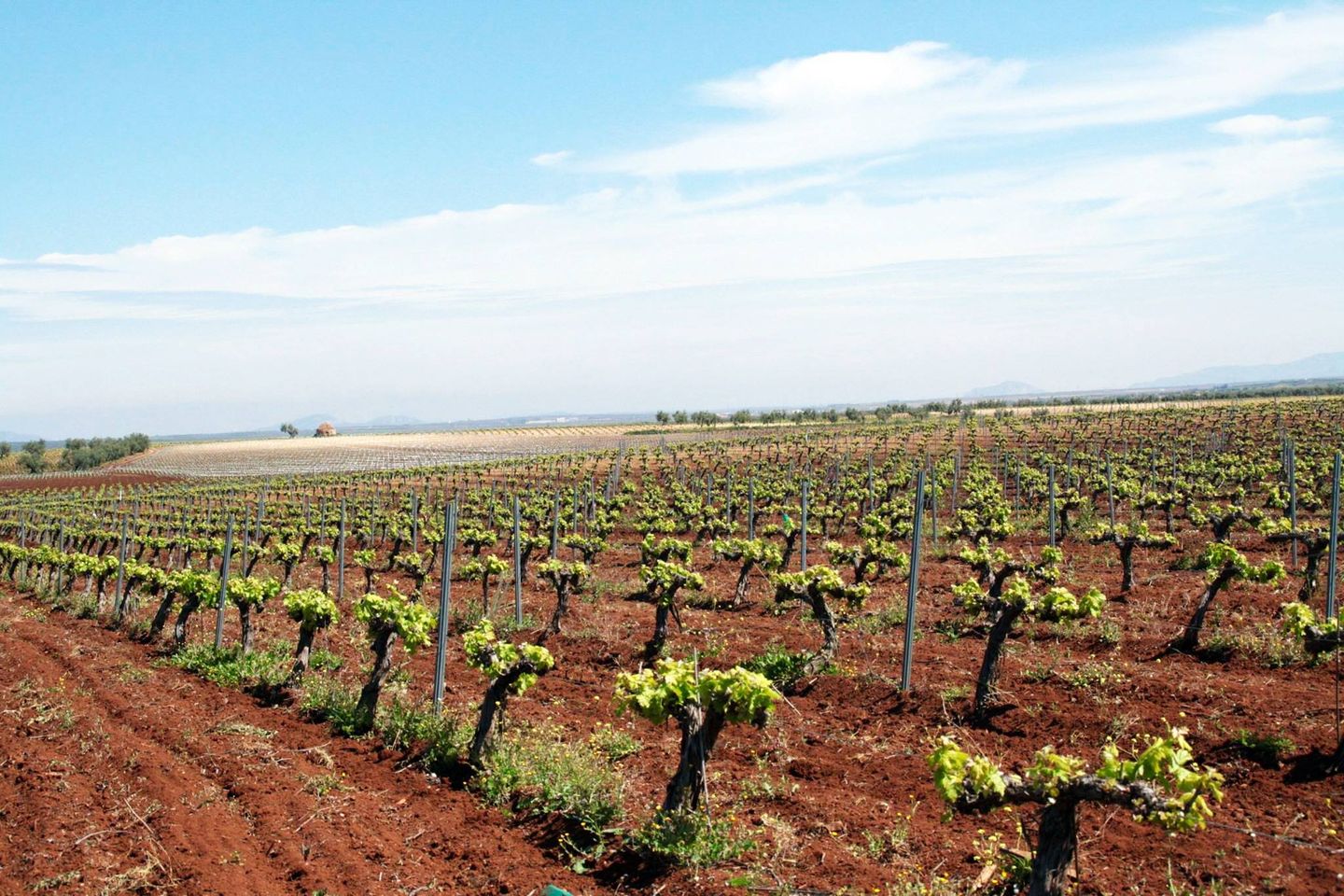
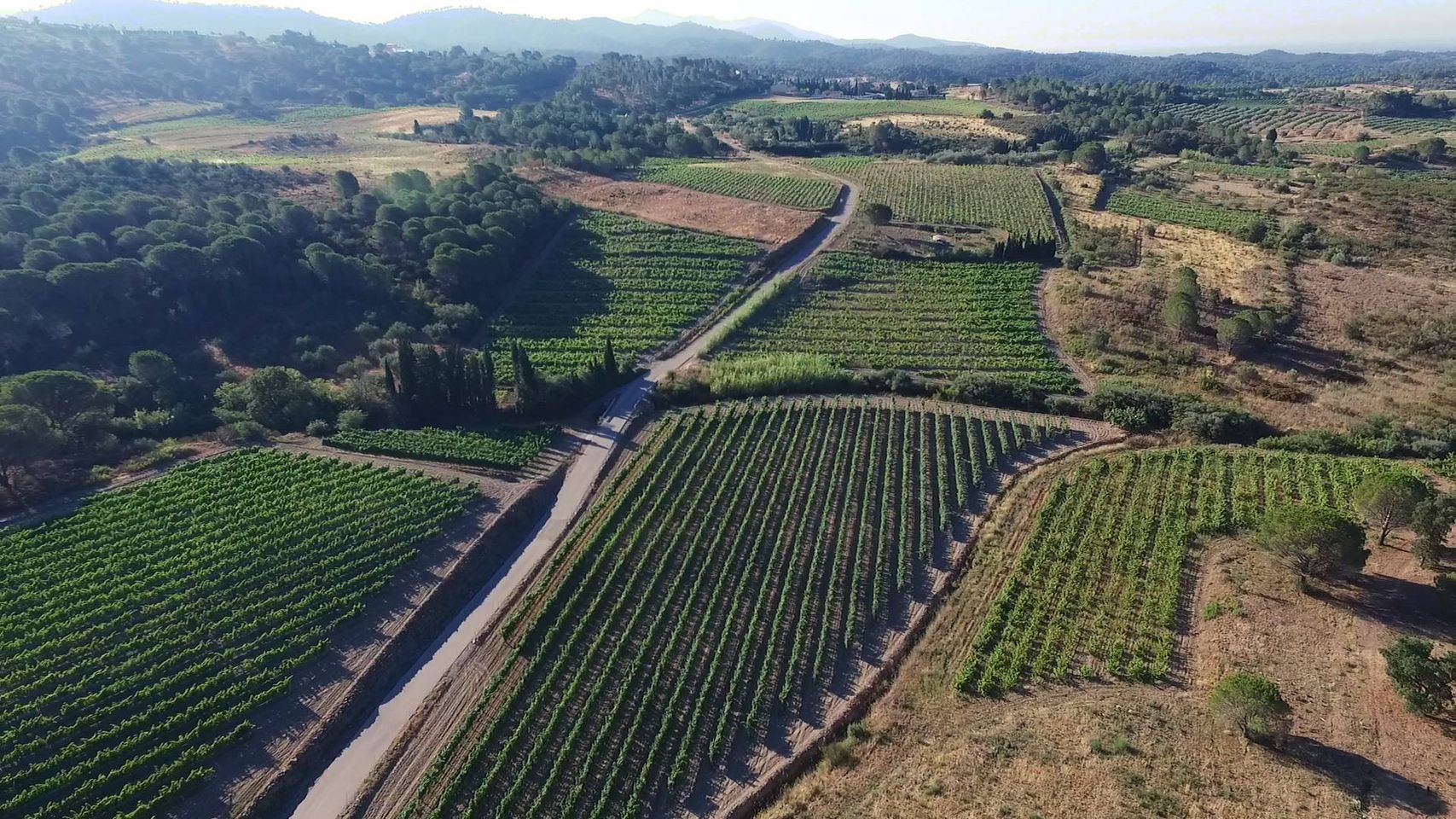
In the southernmost and westernmost part of the Designation of Origin, in the southwest of the peninsula, is located the Vineyards of Almendralejo zone, made up of the municipality of Almendralejo, in the comarca of Tierra de Barros.
With a practically flat relief, located at an average altitude between 200 and 450 metres above sea level, the vineyards enjoy a fairly dry climate, mild winters and high temperatures in summer, accentuated by the action of the warm wind, also known as the solano wind.
Levante Zone
The Levante zone, made up of the municipality of Requena, is located in the interior of the province of Valencia, taking its name from its location in relation to the Iberian Peninsula.
This zone sits on a transitional plateau between the Mediterranean Sea and the Castilian meseta, constituting a small interior plateau located between 600 and 900 metres in altitude, of rounded shape, bounded to the south by the great arc described by the Cabriel river, and to the north by the Iberian ranges of the Molón.
The authorised grape varieties are:
- Macabeo: The Macabeo is one of the three varieties that make up the triumvirate of Cava and the most planted within the framework of the designation. Considered native to the Penedès area, specifically Vilafranca, it was mentioned for the first time in 1617.
- Xarel·lo: The Xarel·lo is undoubtedly one of the white varieties with which Cava is most identified in its area of origin, the Penedès in Catalonia, where it is considered a native variety.
- Parellada: The Parellada is the third of the most cultivated grape varieties in the planting area registered in the Cava Designation of Origin.
- Chardonnay: It is a variety of great aromatic power and good alcohol content. It is for this reason, because of its richness in sugars, that it is usually necessary to bring forward its harvest.
- Garnacha tinta: it is also one of the most used varieties for making Rosé Cavas, providing them with notes of jam and red fruits.
- Subirat Parent: Also known as Malvasía, it is a variety increasingly used in the production of sweet or semi-sweet cavas.
- Trepat: With a compact, large cluster and thick skin, its harvest is late. In recent years it has proven to be ideal for rosé cavas, providing them with a beautiful colour and a balanced acidity.
- Pinot Noir: Although its fame is known worldwide, the Pinot Noir is the “youngest” grape variety of the P.D.O. Cava
- Monastrell: The Monastrell is one of the first varieties that was used in the production of Cava.
TYPES OF CAVA
Brut Nature: The words “Brut Nature” on the label of a cava mean that it contains no added sugar. It is Cava in its purest state: clean and bright, with a fresh attack and the perfect companion to harmonise an entire meal from beginning to end.
Extra Brut: The Extra Brut is the Cava in which up to 6 grams per litre of sugar can be added in the dosage. This small addition of sweetness makes it possible to further increase its versatility, making it ideal for pairing at the table with countless fattier dishes.
Brut: With a luscious attack, Cava Brut allows a greater amount of added sugar in the expedition liqueur. The good acidity of the product means that this small amount of sugar is barely perceptible, highlighting only its virtues and adding one more pairing possibility to the range of Cavas. Cava Brut is a great ally even for those meals difficult to pair with other wines.
Extra Dry: In Extra Dry Cavas, the amount of added sugar remains small, but with just the right touch that gives the Cava greater weight on the palate, thus adding to the versatility of the product and taking part in more daring pairings.
Dry: The Dry Cava has a bold sweet character thanks to the addition of up to 32 grams per litre.
Semi Dry: The type of Cava that for years accompanied family meals because of its extreme versatility, but the touch of added sugar makes it the ideal companion for desserts.
Sweet: The tirage liqueur of the sweet ones is the one that allows the greatest addition of sugar. A Cava that does not hide its wish to be sweet, thus becoming a treat for the senses. A fantastic gift to end an evening.
Experiences to enjoy in D.O. Cava
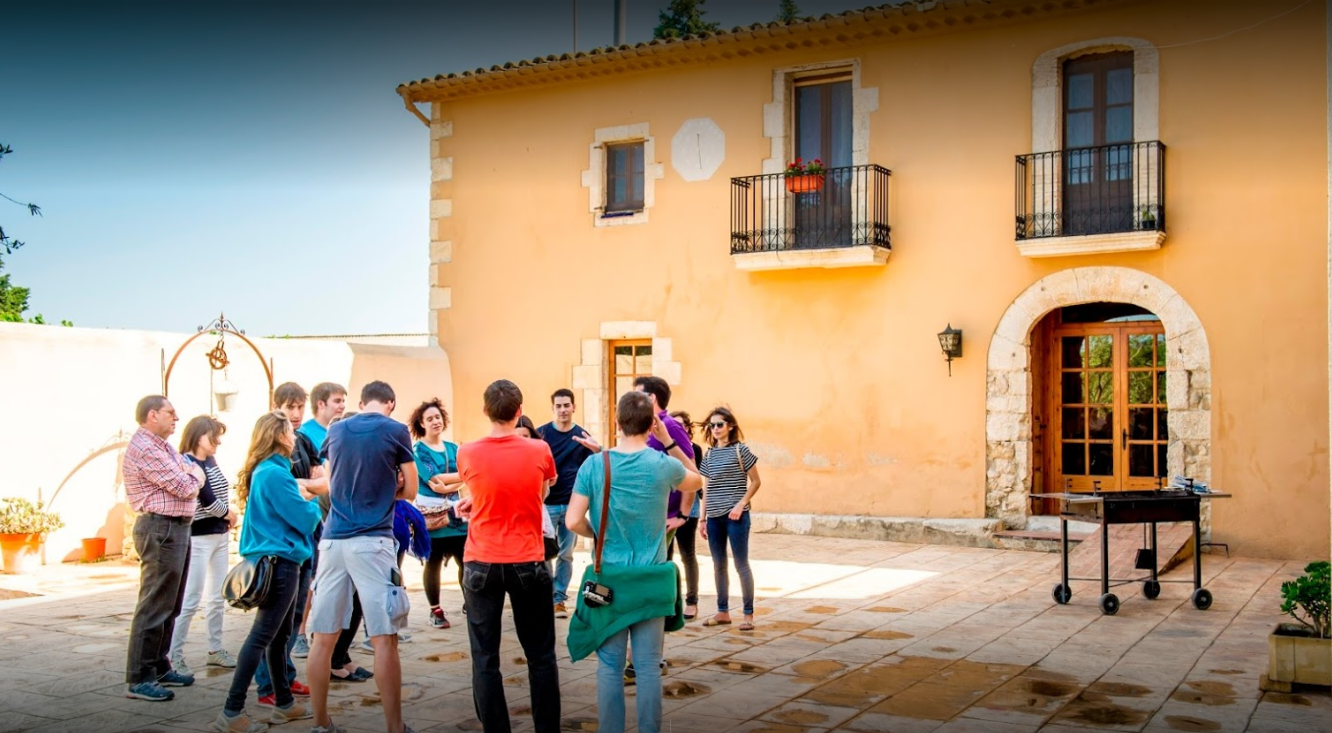
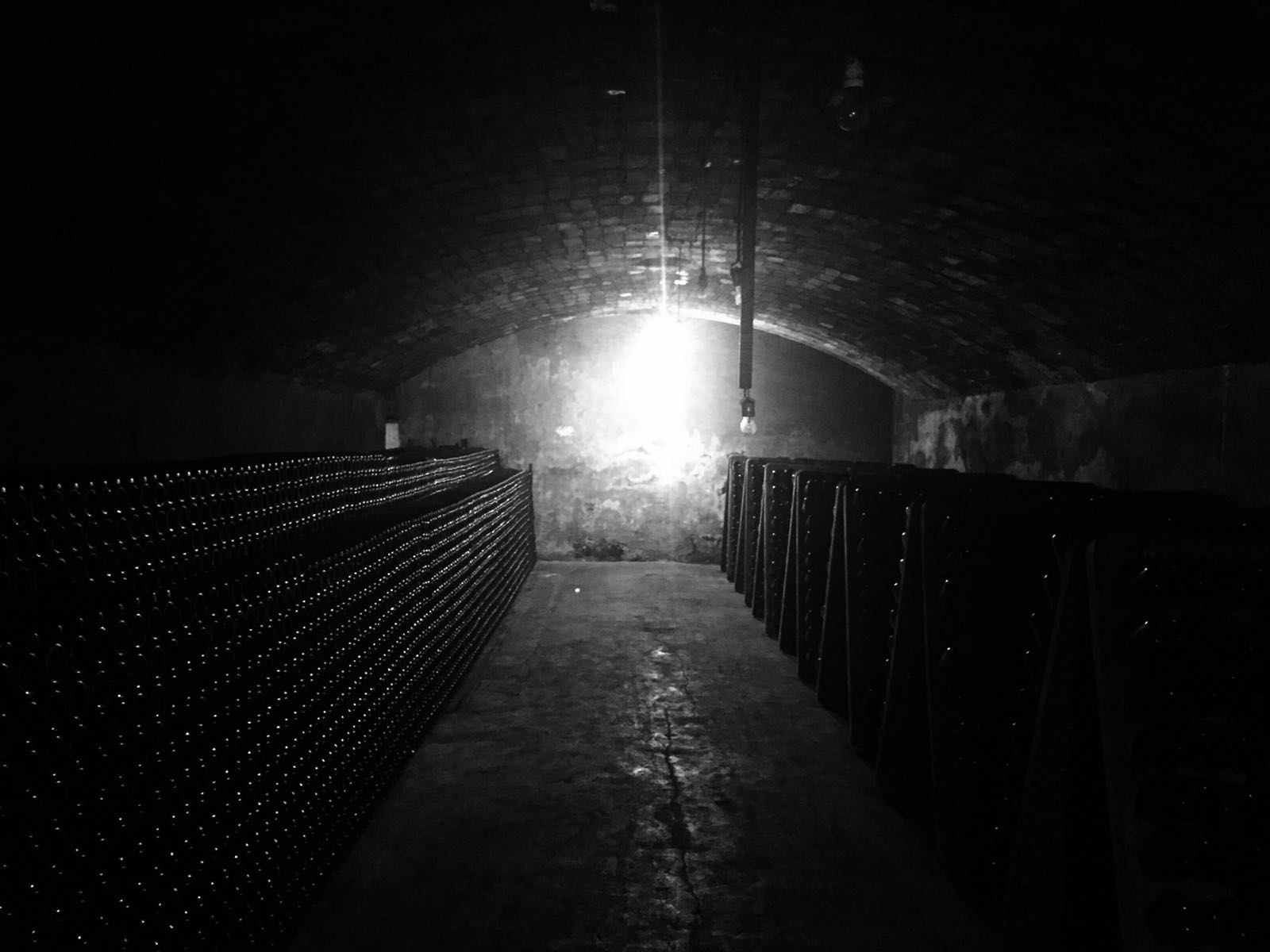
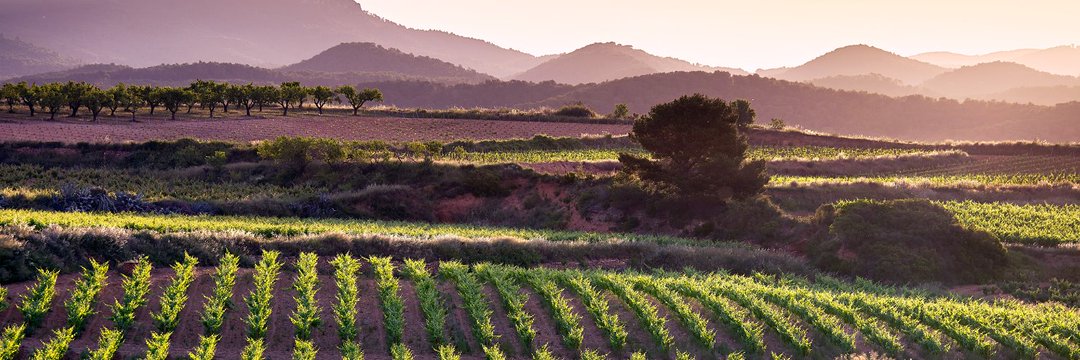
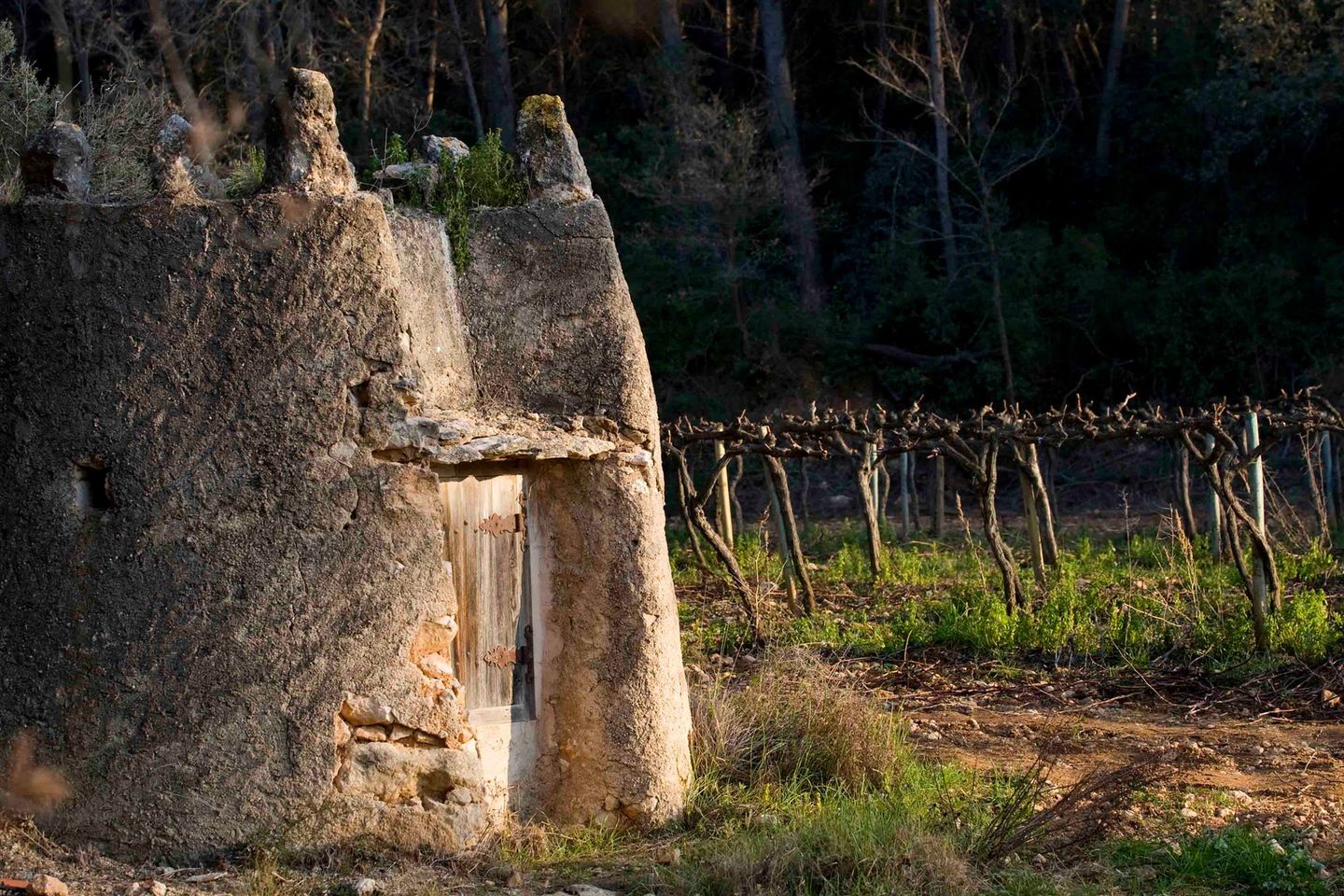
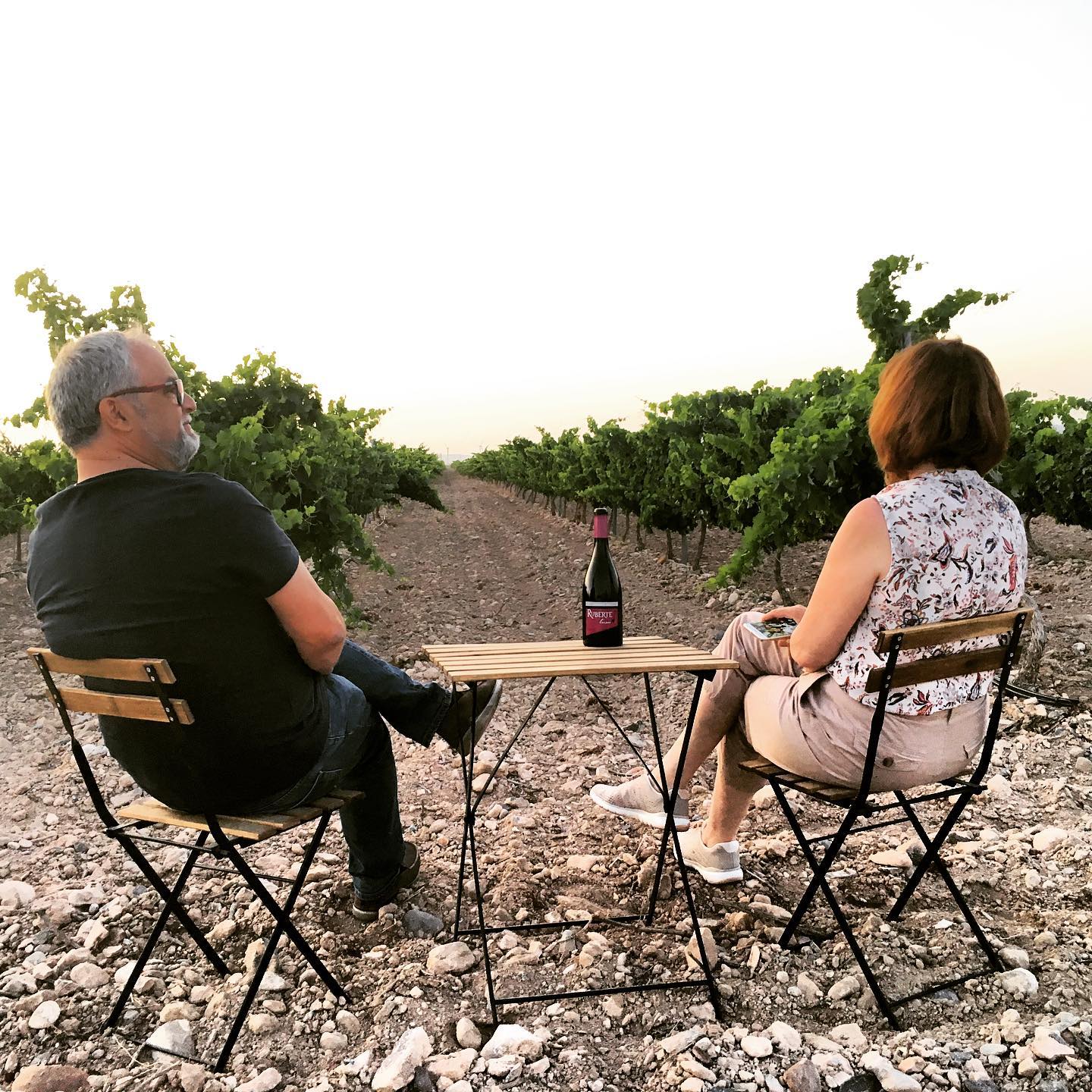
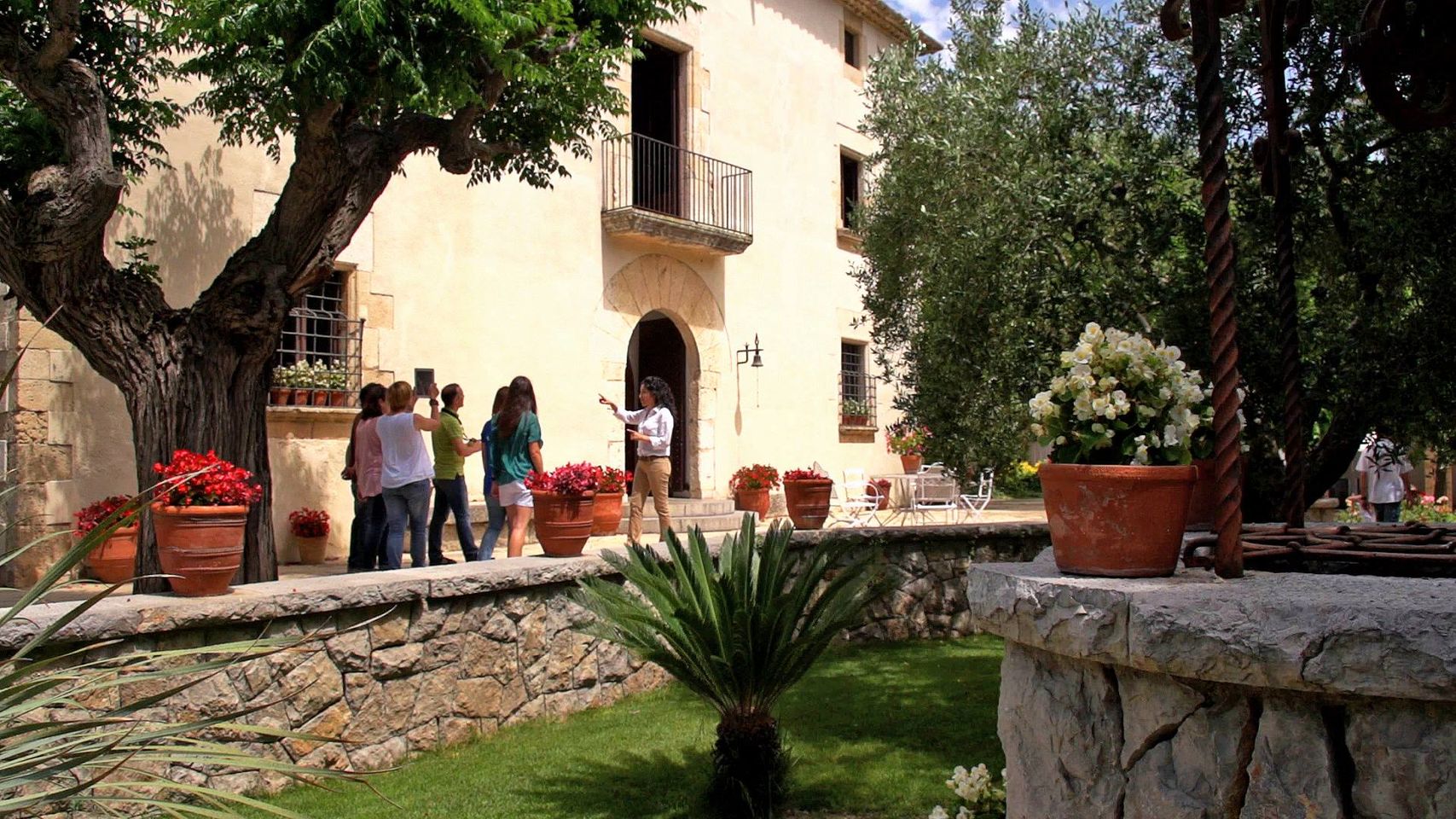
Discover the 4 zones of cava and enjoy incredible experiences.